

I. Memory (Seeds)
Lebanon lives in perpetual rupture and its anticipation. The current war is another iteration of colonial, genocidal violence - a continuation of the foundational dispossession of the Nakba. The Zionist regime seeks to dominate Bilad al-Sham by severing intimate histories between communities and land. In response to this systematic denial of self-determination, movements for agricultural liberation have emerged as a vital site of political resistance to reclaim land and body sovereignty.
At the forefront of this struggle, the grassroots collective Agrimovement connects farming communities across Lebanon to assert their rights to food sovereignty and labor justice. Since 2018, they have grown as an intersectional coalition, using agriculture as a vehicle for political liberation to directly confront the overlapping violence of colonial aggression, state corruption, and corporate exploitation.
Facing escalating Israeli aggression, Agrimovement mobilizes an emergency response that delivers fresh harvests to displaced families while equipping local and displaced southern farmers with heirloom seeds, saplings, and open-source agroecological tools. Their approach bridges ancestral knowledge and scientific innovation to implement bio-solutions, low-cost sustainable irrigation, and ecological land stewardship.
As a decentralized network, Agrimovement opens space for circular, non-transactional economies of exchange that equip communities to cultivate sustainably and actively resist structural dispossession.
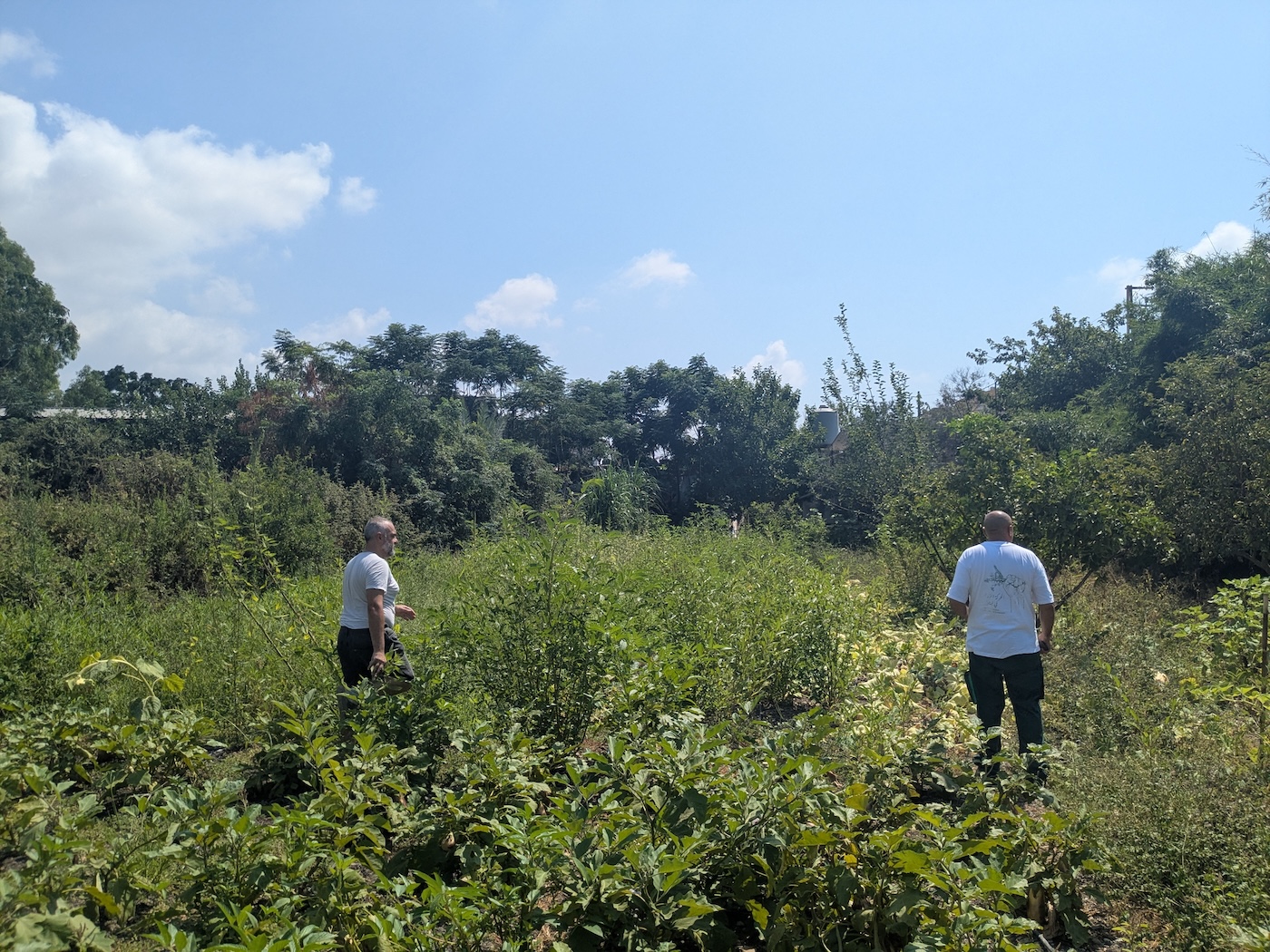
The farms in Jadra and their local partners around Saida stand as living sanctuaries of agroecology, exemplifying how biodiversity flourishes through indigenous respect for the land. Known as the ‘gateway to southern Lebanon’, Saida now shelters thousands displaced and unable to return home. Local grassroots initiatives like Agrimovement form the frontline of crisis response, remaining steadfast in the face of a dual siege of external military aggression and systematic abandonment from within.
Under the incessant noise of drones violating Lebanese airspace, mountains of garbage polluting Saida’s shores, and the swaths of monoculture banana plantations sprayed with noxious pesticides, Agrimovement’s insistence on land sovereignty refuses to submit to corporate and colonial ecocide. By rejecting chemical treatments and genetically modified seeds, their preservation of heirloom seeds is an act of resistance against doctrines of erasure.
“To plant a seed is to preserve our control over them. It is to honor the festival of the season that is imprinted on its memory,” shared Bashar, a co-founder of Agrimovement, from the farm in Jadra while pouring water over the seeds left from an heirloom tomato, planning to dry them and save them to be replanted.
II. Bodies and Labor (Roots)
Agrimovement understands the reclamation of seeds as an embodied labor and expression of autonomy and ancestral memory. Women are the primary protectors of the land and preservers of indigenous ecological wisdom. Led primarily by women, the collective recognizes how the intersecting forces of patriarchal capital, state neglect, and colonialism work together to dispossess and exploit the labor of marginalized bodies. Critically, their organizing centers on the abusive labor practices that marginalize women, child farmworkers, and migrant laborers systematically excluded from protection. Reclaiming the land is therefore necessarily a decolonial feminist resistance against interlocking systems of oppression.
Across successive cycles of crisis, Agrimovement uses agriculture as a common language to find solidarity across a spectrum of interrelated political issues. When Syrian women farmworkers in the Beqaa went on strike to demand better working conditions, women community leaders from Agrimovement sat beside them and listened to understand their situation, amplify their demands, and support their self-organized leadership. Their study on the conditions of Syrian refugee farmworkers (2025) surveying 126 women in the Beqaa and Koura, exposed how Lebanon’s clientelist system and structural informality systematically exclude agricultural workers from legal protections, subjecting women and children to conditions of extreme precarity and debt bondage that amount to slavery.
The precarity of exploitative labor is inflicted on marginalized bodies excluded from protection and the politics of citizenship. In a sectarian, deeply unequal society facing colonial-genocidal assault, those who bear the disproportionate harm are the bodies whose labor sustains life.
While war and economic collapse affect Lebanon’s population as a whole, social position determines relative exposure, exacerbating the exclusion of Palestinian and Syrian refugees, racialized migrant workers under Kafala, and queer and non-binary individuals whose very existence exposes the entrenched caste system. The systemic targeting of the South, the Beqaa, and Dahieh, is inherent to the Israeli strategy of weaponizing borders to dismember communal life from within.
As protectors of the land and leaders of community-based care, women restore bonds of relationality and actively resist societal fragmentation. Even as generations of women from across Bilad al-Sham have endured cycles of rupture, systematically deprived of the power to sustain themselves, they continue to carry life. Traditional ways of living with the land, preparing mouneh and herbal remedies tell the stories of food’s ability to nourish, heal, and sustain communities. Within the chaos of rupture, encountering one another in these acts of care exposes an urgent ethical demand to acknowledge that we are fundamentally bound to one another, and resist genocide by unequivocally asserting our “equal right to inhabit the earth.”
Shared yet differential experiences of precarity catalyze community solidarity across borders. When war escalated, a call to the ‘friends of Agrimovement’ mobilized immediate resources from the diaspora to support small-scale producers while distributing fresh harvests to displaced families. Solidarity in practice is visible in Agrimovement’s joint campaign with the feminist collective Jeyetna, launching a fundraiser to send essential menstrual care kits and locally grown food to displaced women in Sour (Tyre). By uniting agroecological land sovereignty with menstrual justice, their collaboration is a vital example of how access to food, bodily dignity, and collective survival are deeply intertwined. Through the reclamation of land and body sovereignty, grassroots feminist solidarity establishes alternative forms of governance rooted in proximity and relationality, resisting colonial and patriarchal violence.
III. Dismemberment to Remembering (Rupture-Regeneration)
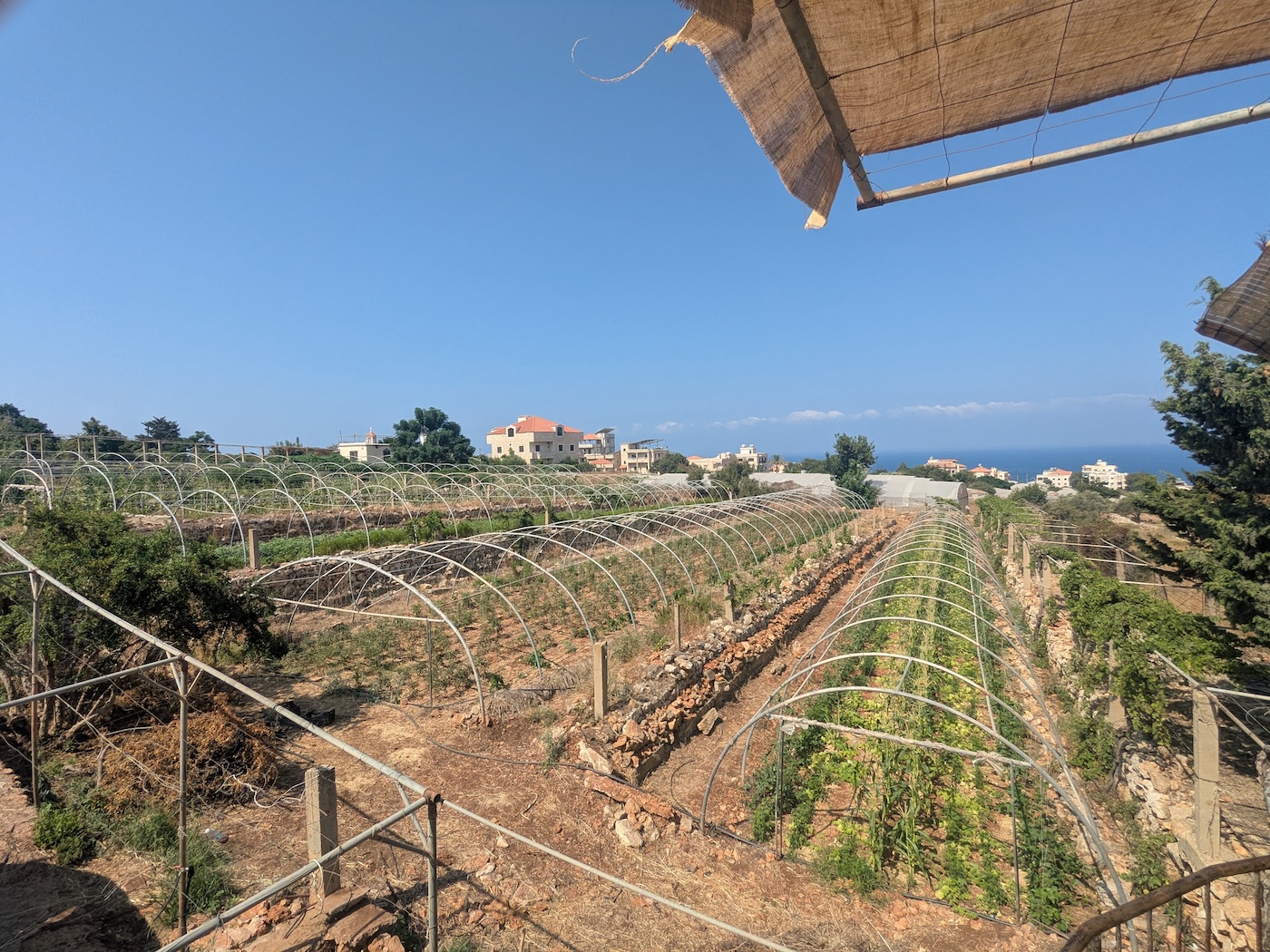
The Agrimovement farm in Jadra is one site of a grassroots network across Lebanon, forming a counter-cartography that opposes fragmentation. The land is a vital space, both for cultivation and gathering. The doors to the farm remain open to the day’s visitors, carrying their harvests of prickly pears and guava, and time is told by cups of coffee in the shade of the trees.
Our Lebanon knows no borders.
We stand upon the same Earth shared by our siblings in Palestine and Syria. Agricultural resistance seeks to protect and restore ecosystems, drawing an alternative map by the hands who care for the land and know its language. To plant seeds is a sacred act of love that mirrors the revolutionary cycle from “dismemberment to remembering” as a decolonial feminist practice that reclaims the body and the sacred as sites of political struggle. These communal, liberatory practices embody the antithesis of Zionism and its sadistic hunger. We collectively resist dispossession by remaining steadfast on the land and remember our ancestors who planted these trees with the hope that their children would eat from their harvests.
As Zionist assaults remain unrelenting, the anticipation of war is a daily lived reality, as it has been for generations. There has been no justice; accumulated harms remain stored in our bodies, etched into the faces of our cities and seared into the memory of the land. Just as the lines drawn in the notebooks of European statesmen imposed borders of colonial cartography, contemporary strategies of dismemberment seek to permanently dispossess people from their land and sever the relationships that sustain communal life. US-Israeli assaults reproduce this logic of annihilation across Palestine and Lebanon, while the Lebanese government’s corruption and abandonment leave communities to navigate compounded crises with little expectation of institutional protection.
This pervasive sense of betrayal is a prerequisite for grassroots mobilization. Deep-seated mistrust of a government that has repeatedly turned against its own people means there is no longer an expectation that institutions will fulfill their responsibilities.
Resistance to the dual siege of colonial-genocidal aggression and state abandonment takes a multiplicity of forms. Agricultural resistance reclaims and defends sovereignty over seeds and the land, food, people and bodies that sustain life.
These everyday acts cultivate a decolonial feminist grassroots politics that emerges organically from communities, independent of the state. Agrimovement speaks the common language of the land to articulate their claims to reparative justice, drawing a counter-cartography rooted in solidarity, mutual respect, and love that offers a living blueprint for alternative governance.
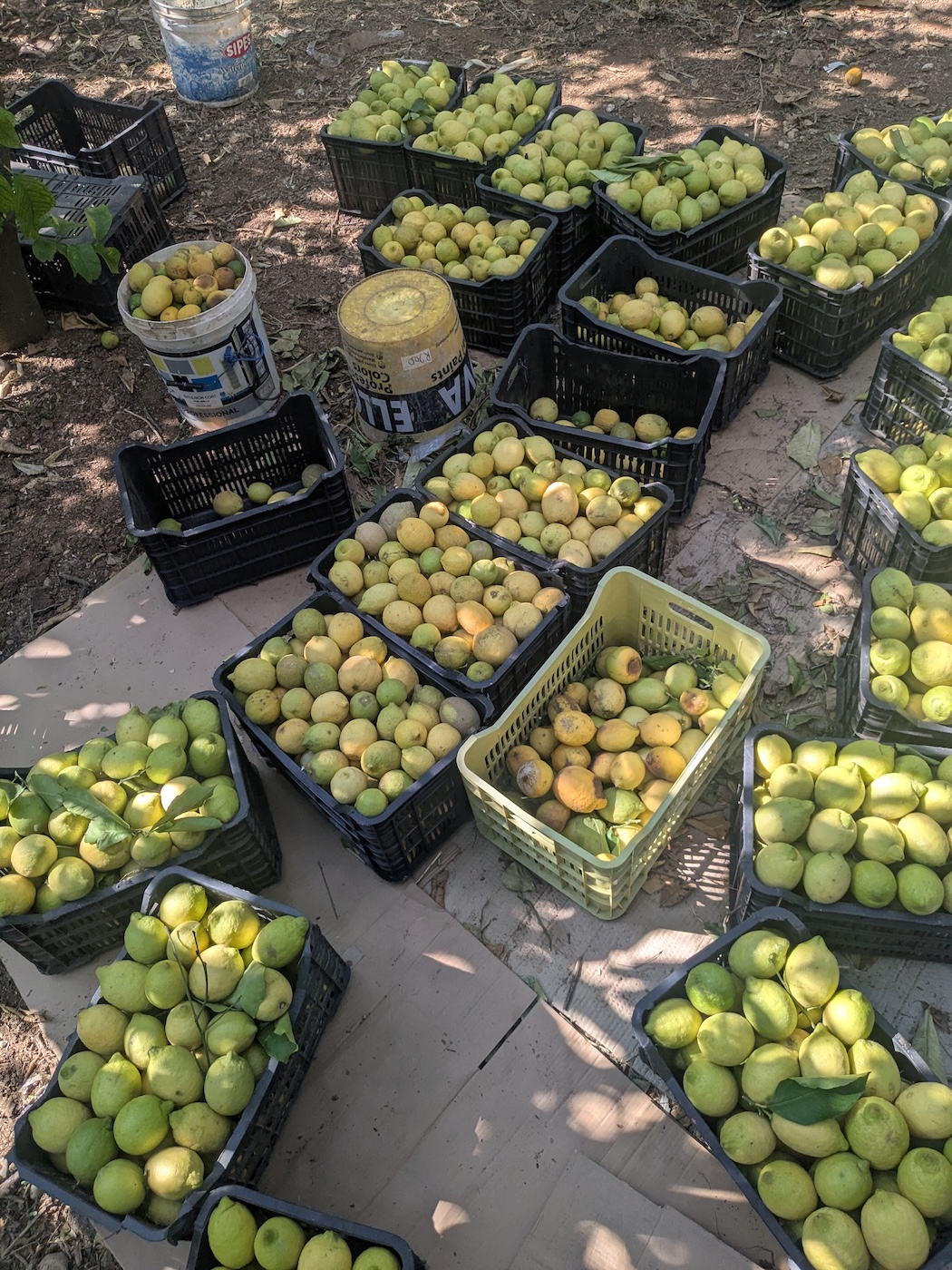
As the sun set over the Mediterranean, we drove north to Beirut. Bashar looked over the sea, smiled and said, “If I ever lose hope, I will go sit with uncle Boutros under the lemon trees or in the garden with women healers and listen to their stories”
The seeds of the revolution were planted many seasons ago, yet the memory of Thawra lives on in the collective dream of the people, even as they have been subjected to successive ruptures. May we remember our faith in seeds and collectively resist the dismemberment imposed by borders. May we continue to plant, reclaiming the land’s decolonial future in which the children of Bilad al-Sham walk freely among her mountains, swim in her waters and eat from the fruits of her seasons.