

As another hurricane season barrels towards us in the South, a new article in Nature Sustainability states that New Orleans has reached the “point of no return.”
Experts predict Louisiana’s coastline will collapse inland by over 62 miles as a result of the climate crisis, rising sea levels, and epic hurricanes, as well as the erosion of environmental laws by the oil and gas industry. Just as New Yorkers need no reminder of their rat infestation, the people of Louisiana are well aware that they live in jeopardy of losing three-quarters of their wetlands, and that their homes sit on the “most physically vulnerable coastal zone in the world.” After inputting the data into fancy projection models, the world’s richest country, sourced with the finest educated climate experts from elite institutions, has the following solutions: voluntary relocation, “shoreline retreat,” and “coastal depopulation.” True Gulf Coasters see behind this pretentious drivel, and recognize it for what it is: mass forced displacement. Their recommendations are, as we in the South would say, as useful as a screen door on a submarine.
One expert said, “New Orleans is in a terminal condition,” in need of “palliative care.” I am actually a physician who has worked in pediatric palliative care, and I would never dare speak with such callousness about human life.
Palliative care does not mean abandoning the patient, nor does it translate to “Do Not Rescuscitate.” It means maximizing dignity, autonomy, and quality of life.
Yet in climate policy discussions, the metaphor often becomes an argument for writing communities off completely, insinuating that their very existence is a nuisance. Imagine the outrage if academics proposed a mandatory mass exodus of San Francisco, which sits on a notorious earthquake fault line.
The people of Louisiana are not strangers to being treated like cattle, herded from one crumbling wasteland to another at the behest of policy makers, shareholders, and profit margins. Hurricane Katrina – like the disappearing Louisiana coastline – was not a natural disaster. It was a calamity fueled by an incompetent government guilty of corruption, negligence, and racism, one in which the poorest people, mostly Black and brown communities, suffered unimaginable loss.
The mythology that New Orleans was built below sea level is used to exonerate the American government of its criminal failure to help communities devastated by Hurricane Katrina. But it is simply not true.
Today, a significant portion of the city sits below sea level, but that wasn’t the case in 1718, when it was founded. It was not until French colonization, which failed to adapt to the local topography, that the city’s water table became an existential threat. The sinking of New Orleans is largely the result of draining the surrounding wetlands to develop plantations, which emerged as the backbone of slavery and its economy.
Suppose one were to act on the grotesque suggestion of hollowing out South Louisiana into a ghostland. Who would be entrusted with this monumental task? Within 36 hours of when the levees broke in Hurricane Katrina, the infamous private security firm Blackwater (now Academi) deployed hundreds of heavily armed contractors to New Orleans. Cosplaying with automatic weapons and camouflage in the name of “law and order,” they patrolled the city and erected “Camp Greyhound,” a makeshift detention facility where detainees were routinely brutalized. The Department of Homeland Security held contracts with Blackwater in excess of $33 million, and some estimates suggest costs of up to $2.4 million per day.
While Americans watched their children drown in snake-infested waters lapping onto roofs, and their homes floated away alongside bloated human cadavers, the American government paid mercenaries to inflict atrocities upon them.
Is this what the people of Louisiana can expect once again, under the facade of “help”?
Imagine what this looks like on the backdrop of our current flailing kleptocracy, with Louisiana’s whittling shores ravaged by the oil and gas industry. Just last month, the US Supreme Court sided with Big Oil, and granted Chevron another day in court. Initially, a state jury ordered Chevron to pay upward of $740m to remedy harm caused by illegal wastewater dumping. However, with an 8-0 procedural decision, (Justice Alito abstained citing a conflict of interest due to financial ties to ConocoPhillips,) those damages are now contested.
The ramifications of unregulated toxic waste are well known to those of us who practice health care here.
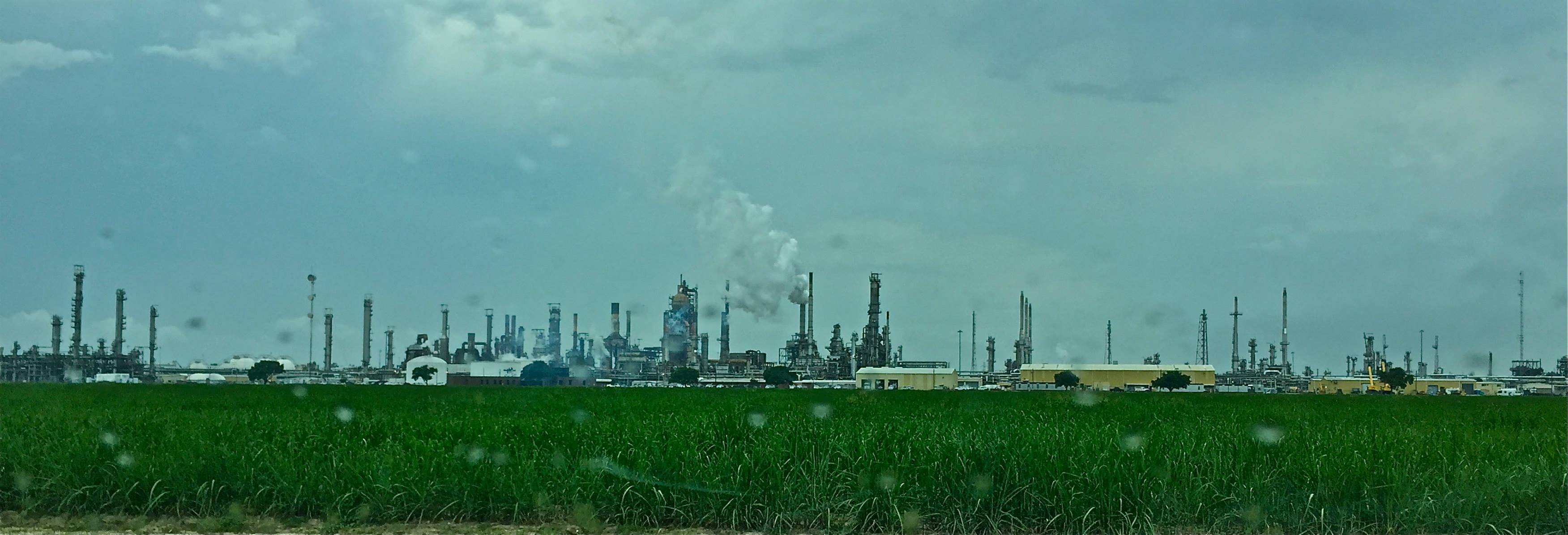
An 85-mile stretch of the Mississippi River between New Orleans and Baton Rouge cradles about 200 petrochemical plants, and bears the nickname, “Cancer Alley.” One spot has more than seven times the national average of cancer diagnoses.
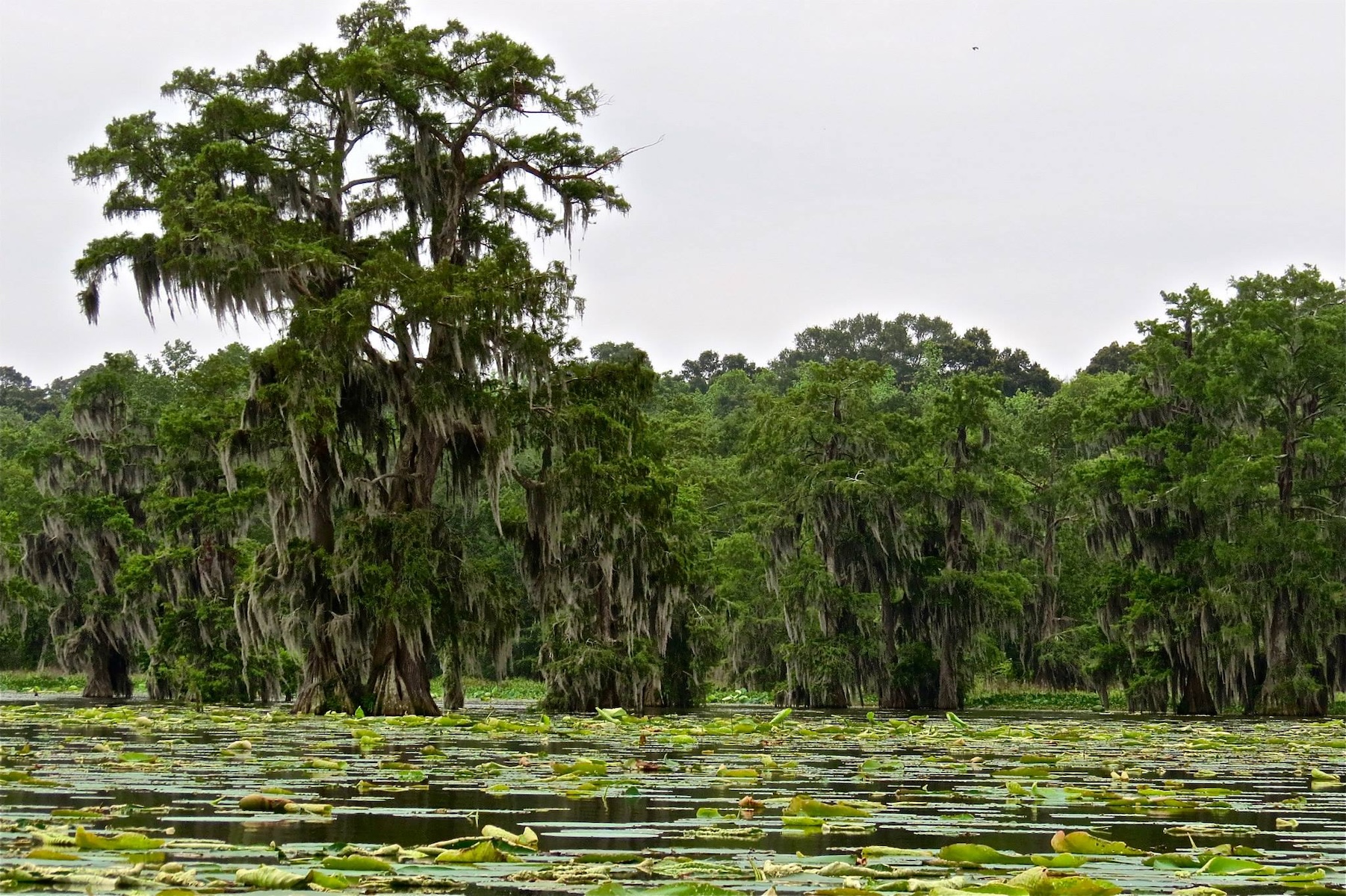
In their times of need, the people of New Orleans have been rewarded with state-sanctioned mercenaries, martial law, and skyrocketing cancer rates. When Barbara Bush went on a tragedy tour of the Astrodome in Houston, where I had volunteered treating families who had evacuated from Hurricane Katrina, she infamously noted that many of the evacuees were better off because “they were underprivileged anyway” so this was “working very well for them.”
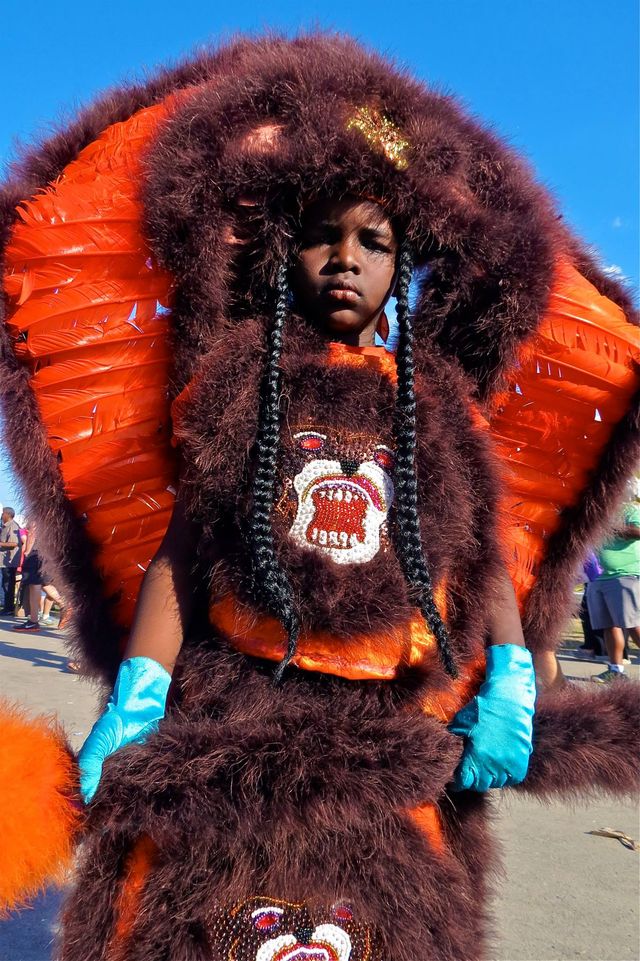
These are families whose ancestral roots rival those of the cypress trees in the swamplands, a people whose cultural tapestry is so prolific that no one term captures it, where Cajun, Creole, French, African, and Vietnamese cultures coalesce, where every month has a festival, and where memories unravel to the sound of fiddles, crawfish, and barefoot porch dances.
While we may seem provincial to outsiders, we pride ourselves on empathy deep as our swamps, and breathing in the land in a way outsiders cannot comprehend. Home to greats like William Faulkner and Tennessee Williams, what pray tell, could possibly replace the city that birthed an entire genre of music?
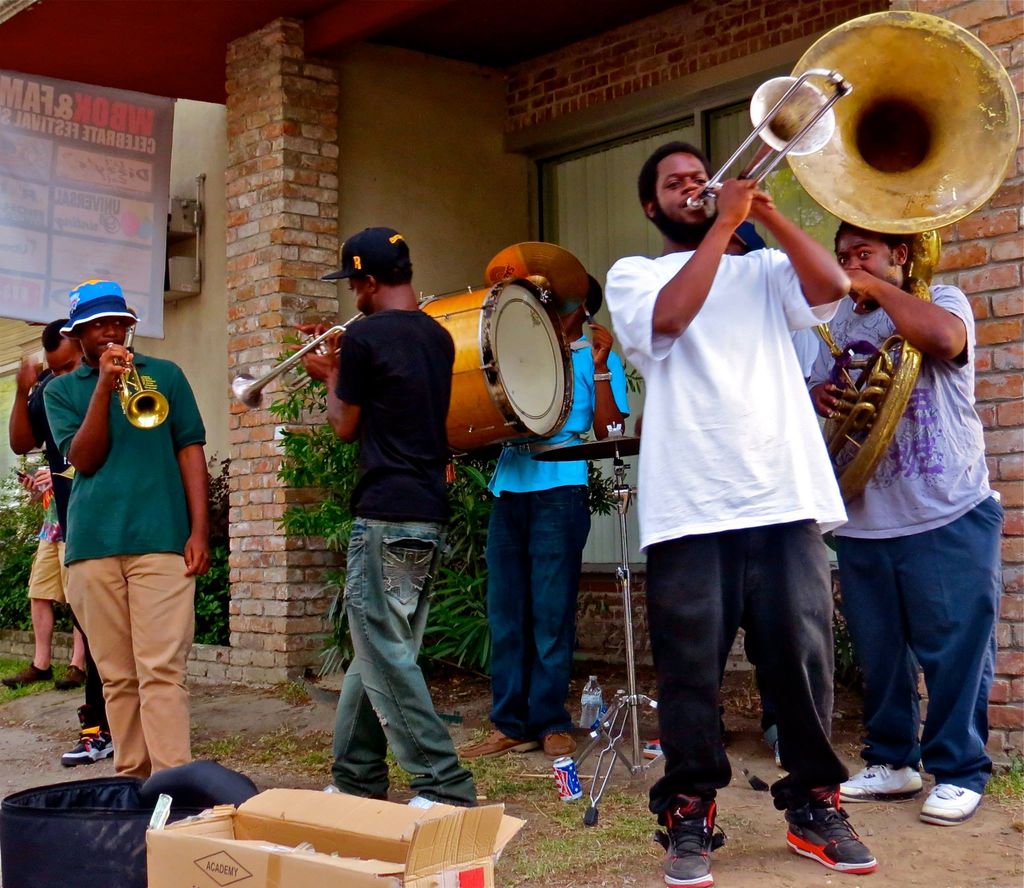
One expert says that “managed retreat… is the ultimate solution.” As someone who was born in New Orleans, allow me to disabuse you of this notion. Neither the word “managed,” nor “retreat” exist in the New Orleans lexicon, a city that prides itself on joyous, bombastic chaos. Even our funerals morph from dark hymnals to second line bands and street dancing, reveling in life, just as much as death. When a Hurricane Warning is issued, we kick into high gear and start planning. Planning our Hurricane Party. We empty our refrigerators of perishables for a cookout, and get storm provisions: beer, hot sauce, and groceries. Bars shutter their windows but their doors stay open. It is not about debauchery, but a relic of something the rest of the world has forgotten: deeply communal ties interwoven with kindness and camaraderie, total devotion to the preservation of humanity, safety in numbers, and still believing in the innate goodness of neighbors.
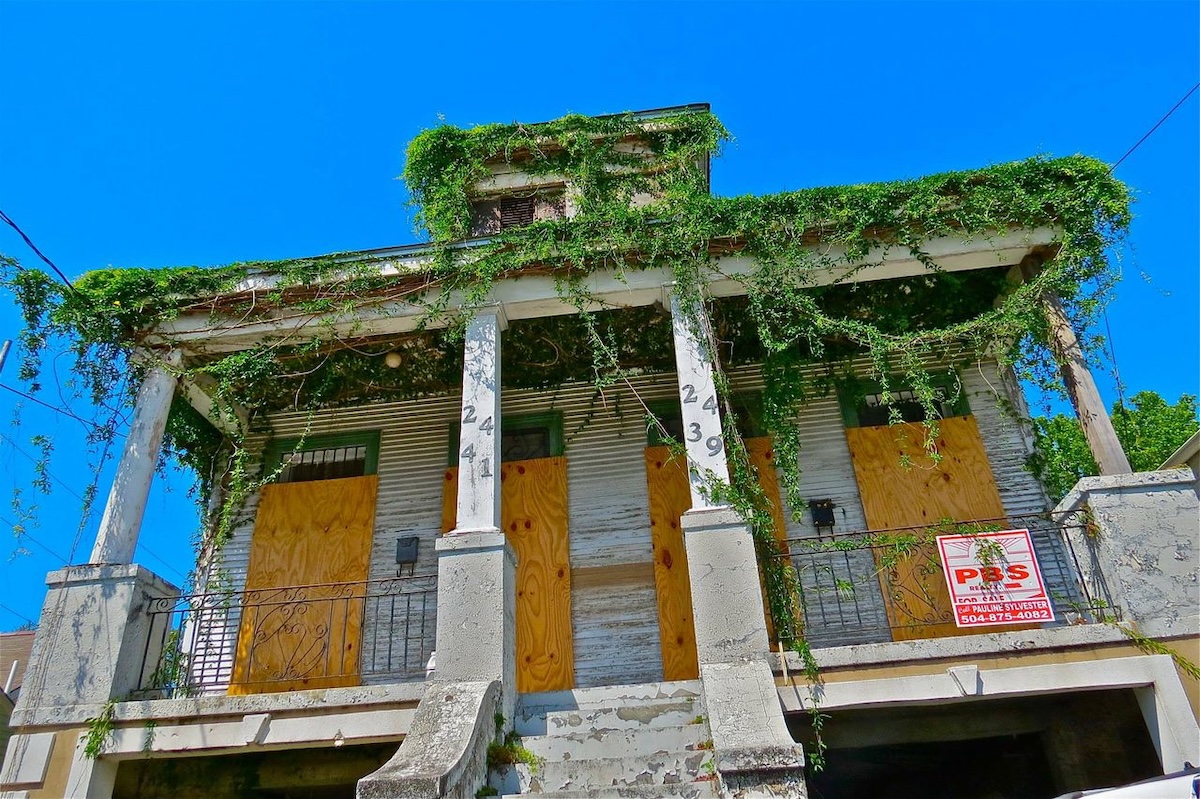
The people of South Louisiana deserve more than condescension.
They deserve more than elitist directives of forced mass exodus. We cannot normalize the erasure of centuries of cultural amalgamations which have yielded a beloved ethos of wondrous charisma, bound by alchemy as strong as their magnolia trees. True climate mitigation centers local communities. Meagerly sucking our smoothies from limp paper straws isn’t going to cut it. It will take innovative efforts like rebuilding coastal barrier islands and recreating lost wetlands from Mississippi River sediment. It will mean protecting vulnerable populations first, decarbonizing chemical manufacturing, and holding the petroleum refinery industry accountable for the desecration of land and disregard for human life.

You can’t pedantically eradicate a culture out of existence. You have to be willing to ferociously protect its magnificence, not just deign to tolerate it.
Before all this though, we first have to first see the people of South Louisiana as our own, and understand that it’s not just the land that is vanishing. We are witnessing the disintegration of an exquisite, singular way of life, one where people move just a little slower, a little spicier, a little gentler, one which we could stand to learn from in our fractured world.