

As I walked along the path, I wasn’t entirely sure I could make it, but there was no turning back. Three and a half miles of uphill climbing in the rolling hills of a tropical forest in Jamaica, and back. Less than 18 months after a major life-changing illness and lifesaving surgery? Yes. The land and the stories it held bid me move forward.
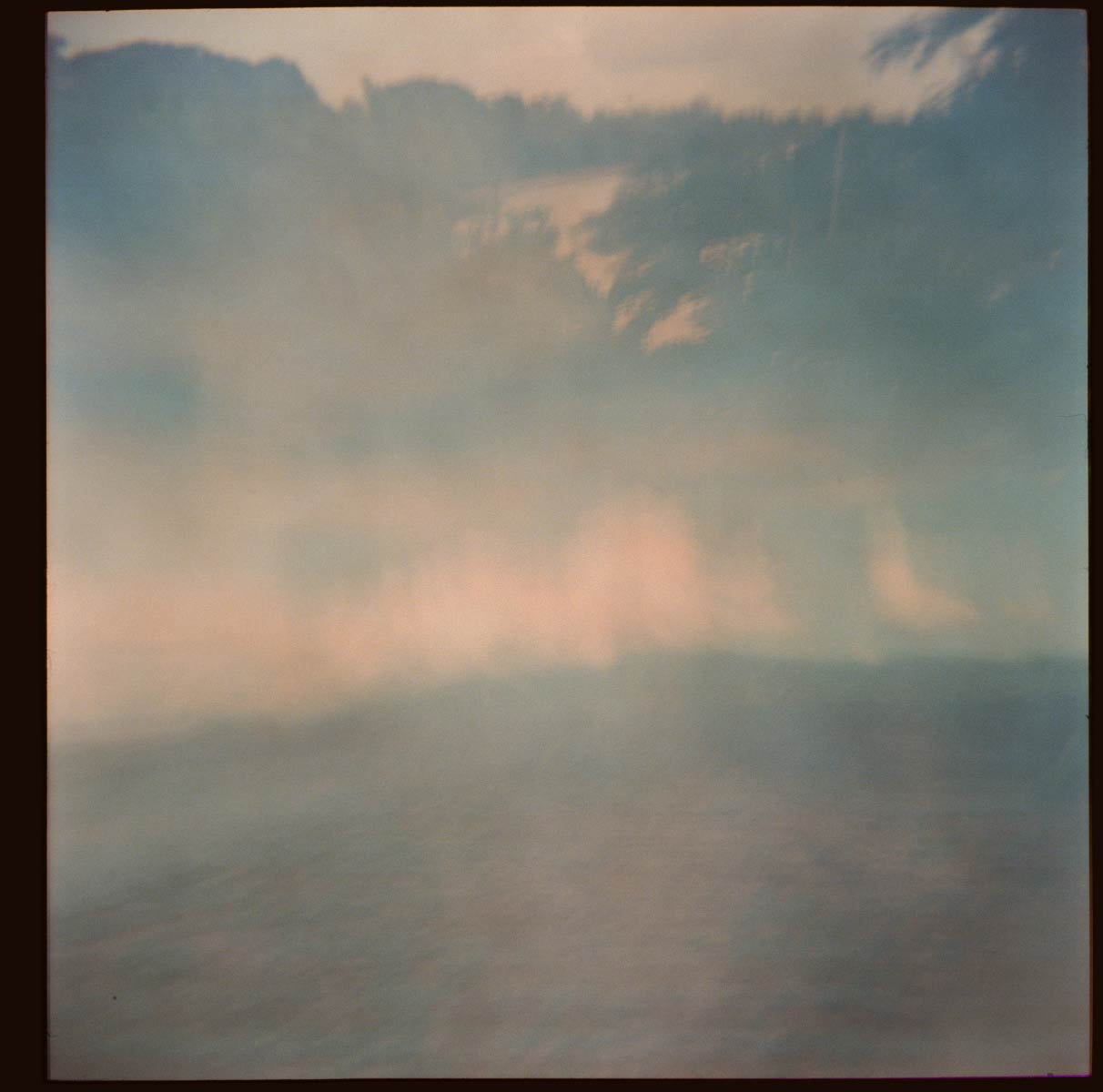
The sky in St. Mary that day was a kind of aquamarine color you expect to be reserved for the sea. There was something grounding in it. I imagined the feet that had passed through the narrow trail I was walking. What is nourished by the forest floor I trod along? What is held in place by the love and honor keeping the land as it is, by keeping the stories? How much love is left in the land to honor a sacrifice of a life? What had been pressed into the soil beneath my feet?
I came in search of Kwame Falls. In 1760, on Easter Monday, Takyi (Tacky), a Fante chief and warrior, led a months-long siege, burning British plantations and setting captive Africans free. Self-liberated and seeking liberation for others. At risk of death. An embodiment of “If I have it, you got it.”
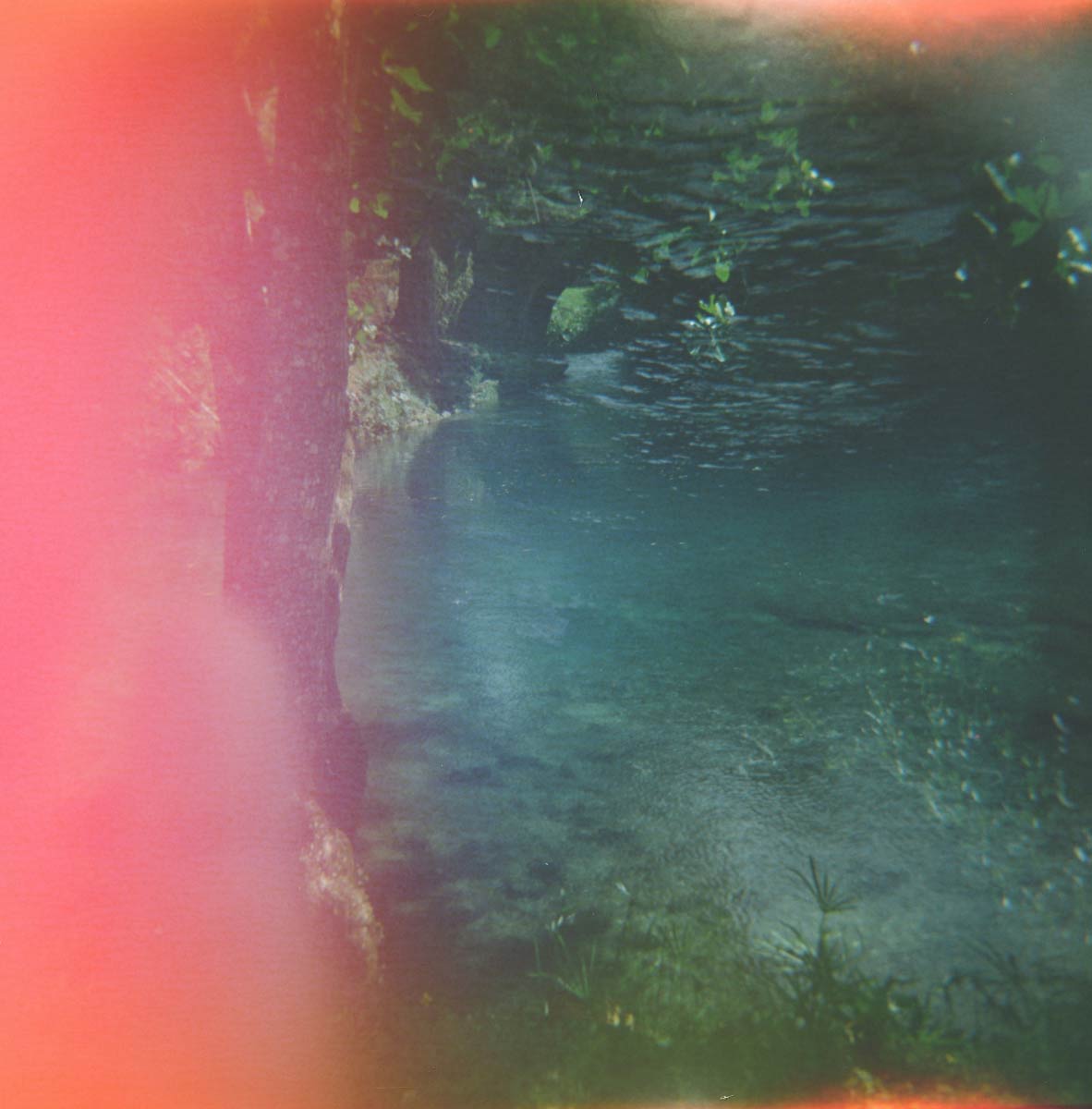
Kwaamen (Kwame) was a lieutenant following his lead. They both now have waterfalls named for them; markers on the land of their fortitude. Water is life, after all. I had practically clawed my way there. It was a precious gift to stand beneath the falls. The water rushing, falling with majesty, great beauty and grace. News carried on the wind across the sea, far and wide of their work.
There are accounts of a letter written by enslaved peoples in Brazil urging those in power to release their stolen kin. Not just in Brazil. Not just in their home country, but the world at-large. Free ‘em all, forward and backward through time. It was never just about just you, or just me. Always we.
Some time shortly afterward, in Tobago, the Netherlands ceded the land to England in the Treaty of Paris. By October 1770, sugar began to rise as king. In November 1770, strike match.
On the night of November 10, a fire moon was half-lit in the sky. The prevailing story was that an enslaved man called Sandy stabbed James Hall, the man who thought he owned him, because of a previous beating. The planters conjectured it was retaliation for the embarrassment Hall visited upon him. Sandy, trafficked from Akan land, was a chief amongst his people. The truth is the winds had carried kindling for the furor and the fire in his belly.
Don’t let anyone tell you the people who were enslaved didn’t understand what was happening around them. Racist tropes and tales of “the dumb, docile nigger” are just that—lies told to bolster false empires and their justification for the centuries of horrors they’ve meted out. Sandy organized with intention with others who wanted to shirk the yoke of chattel slavery. Our people knew what was happening to them—just as we do now—this way and that, across the seas. Sandy and the others who were made to cultivate the soil with their hands knew Tobago, or Aloubaéra as the Caribs had called it—a forced home court advantage. They knew the hollows and the hills. They could quickly identify which trees had enough foliage or fruit to hide or succor them. How, when, and where to take to the sea according to the tide, if need be.
The implementation of sugar as a cottage industry would augur a brutal era for the enslaved and, in turn, a completely unprecedented generation of wealth for planters. Methodologies of extraction and economy blossomed around it and thrive to this very moment. It truly was life and death. They knew the stakes and raised a banner anyway. They understood they had to do it, even if they tried and failed. They knew, eventually, we would come and recollect their legacies for a moment like this one.
There has never really been a fundamental shift away from what they endured. New clothes, cars, a mortgage, or the incessant consumption passed to us like a virus, still ain’t made us free. It’s time for something different.
At a barracks sited at what later became Fort James, Sandy and his compatriots raided British munitions to continue their fight. Plantations burned. Smoke and dust tinted the air. I stood before the stone structure 253 years later. The first time I visited, it was clear I was not alone. The sun beamed down upon the bluff. It seemed like a presence was making itself known. Maybe they set the fires to enrapture God and divinities they had known and brought with them to their cause. The fires rolling, roaring, calling down war. In the name of Nyame. Nana Buluku. Mawu-Lisa. Ngewo. Yataa. Oludumare. Ogun. Oya. Shango. Oshosi. Oshun. Takhar. Ammit. Sekhmet. “Ash and salt the ground where they stand to sell you back to yourself, because they will.” Maybe they asked Nut to darken her skies so the holy fire could shine brighter. Like a beacon for those who needed it. I imagined them bidding their gods to turn it all to cinders because they knew there was no coming back from that.
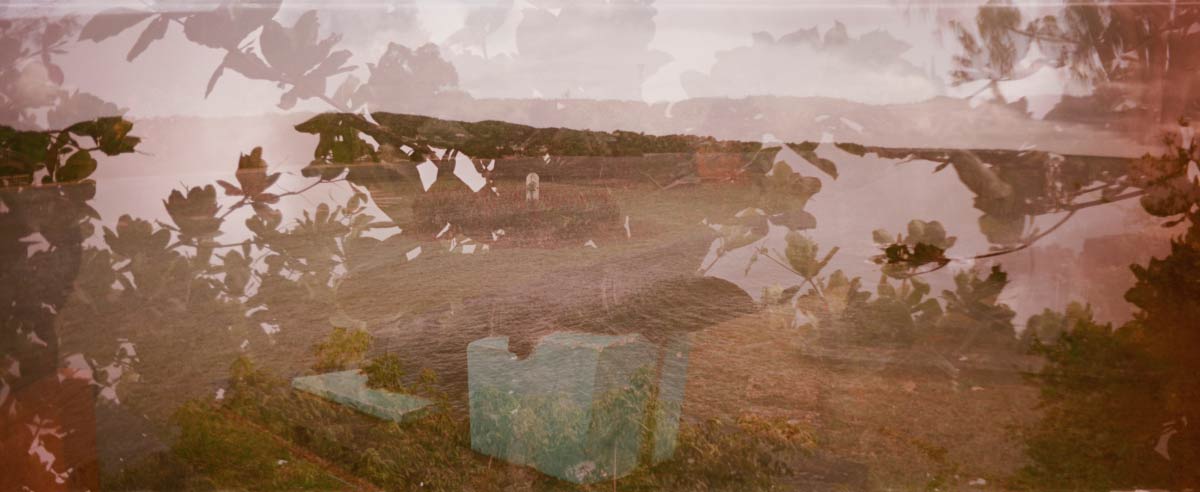
The planters wrote letters for militia from neighboring Grenada and Barbados to help put down the fervent rebellion. When all the fires burned out, the lore says Sandy swam 25 nautical miles from Tobago to the north coast of Trinidad to escape. Twenty five miles seems like an indeterminable distance on just adrenaline and faith. Next level fortitude. I carry this blood, this name through my mother, her mother and her parentage by a Trinidadian man who came to St. Vincent some time in the early 20th Century. This is the lineage I have claimed as my own through much disruption and historical omission. Some 200 years after Sandy’s feat, my mother was sent to New York City. Later, I was born on a partly cloudy Monday afternoon in September. I came feet-first stepping into the darkness and possibility of a new moon on the first of the old high and holy days. In Akan culture, Adjua is a name reserved for a girl born on Monday, the moon’s day. Perhaps, my birth is yet another coincidence of history.
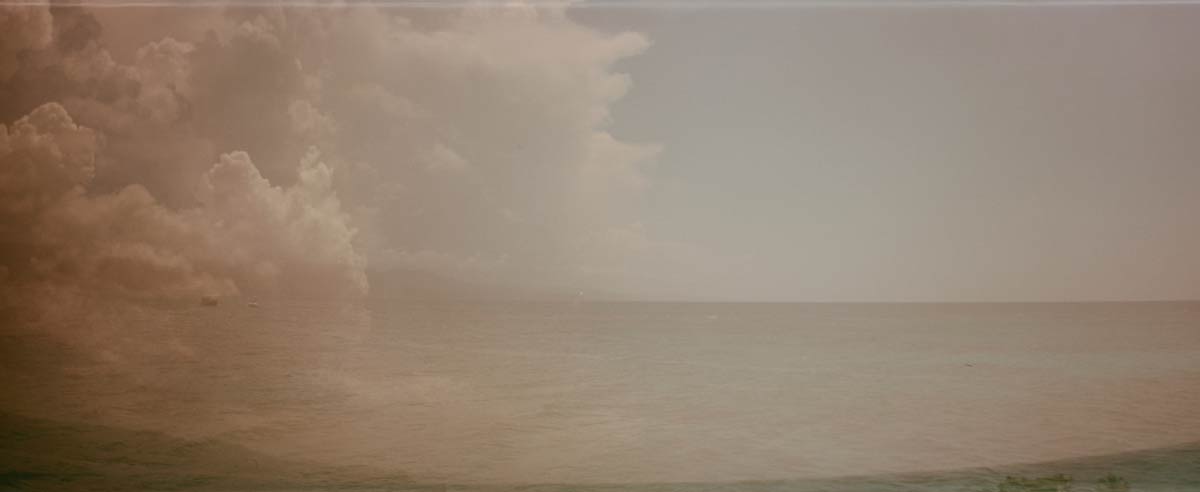
In January 2024, I stood at Fort James seeking to bend time and excavate absences in the historical accounts. This small stone structure and its canon/cannon preserved as a reliquary of colonial subjugation. I saw it as something different. I took out my borrowed digital camera and began to document my time there. As soon as I pressed record, a hummingbird flew directly outward from the center of the frame. Reviewing the footage again nearly 18 months later, I discovered there were two birds–the second flying on the periphery out toward the coast. In this land named Iere or “Land of the Hummingbird” by the Arawak inhabitants; this was not insignificant. Hummingbirds are often considered messengers between worlds. For many, they represent hope, resilience, blessings and renewal. You could say it was a visitation. At the time, my body was failing me in a dangerous way. It would soon require me to unexpectedly have a life-saving surgery roughly eight weeks later. I am clear that the pathway toward my healing and making this work has been created by something higher than myself.
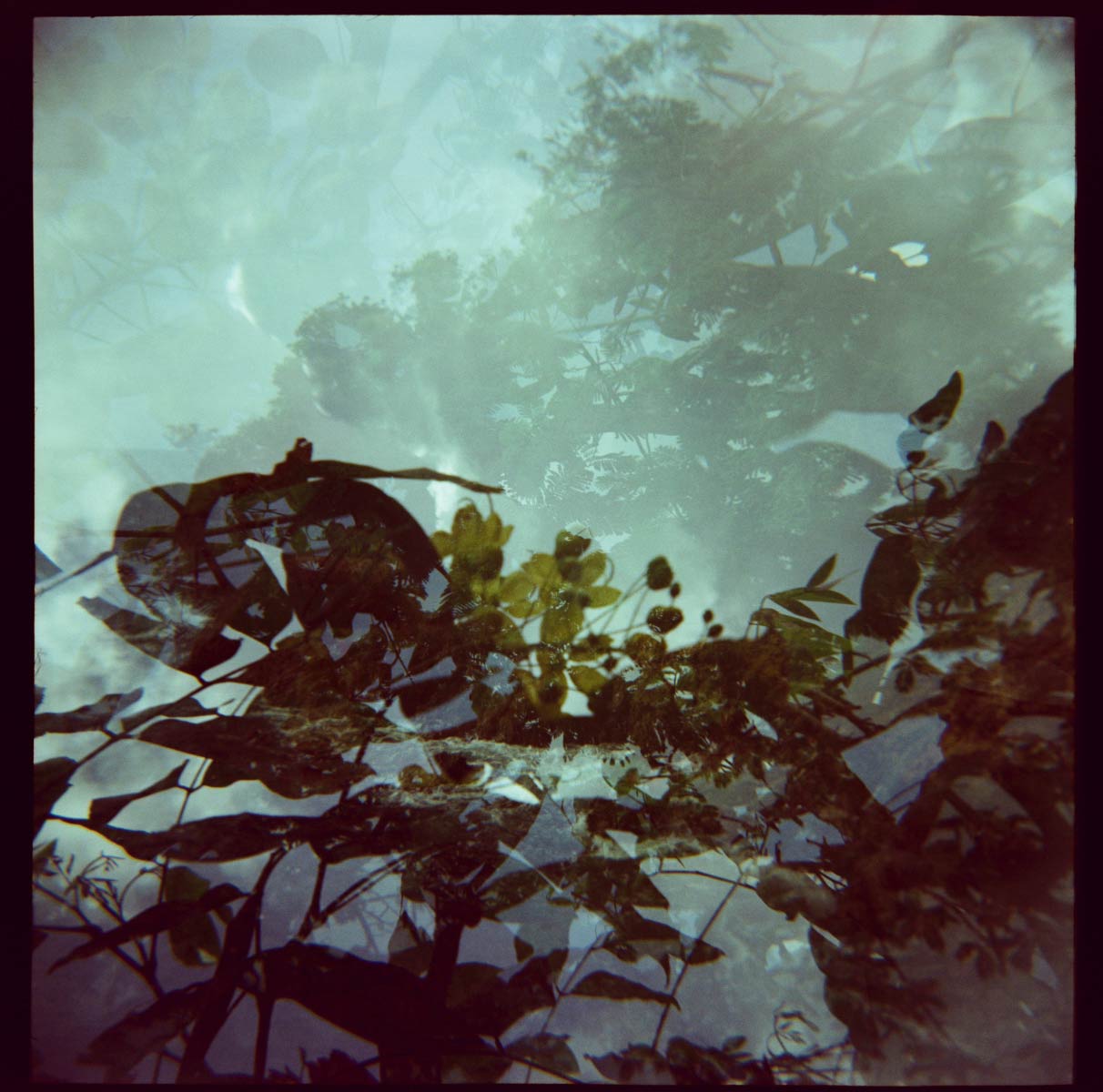
With a newly sound body, in August 2025, I revisited Fort James and cast a wider set of lenses on the surrounding areas, Mount Irvine, Orange Hill, pockets of the North Coast of Trinidad and the Caribbean sea itself. With two analog cameras in hand, to slip through time using the land as a living archive. I wandered the scenes and the sea that carried the ancestors’ essence searching for something to connect us to the things we cannot see. I want to evoke these memories embedded in the landscape so that we might find beauty and a path toward new beginnings.