

Chrysalis.
That would be the title of a project through which I aim to document the lives of transgender people across Cairo - one interview at a time.
A work in progress, the idea came to me one Sunday morning in the middle of Qasr El Aini, a well known public hospital in Cairo and, for a fleeting few hours, host to one of the city’s queerest gatherings.
Every first Sunday of each consecutive month, me and a number of other gender-queers congregated in a space seemingly designated for us, whereupon we were eventually bequeathed the “golden ticket” that would make our lives just a little easier.
The ticket in question would be a paper, stamped with official governmental recognition, stating that we suffered from “gender identity disorder”. Although bittersweet, it gave us something concrete. It was a stepping stone for many, who were on their way to legally changing their identification papers and undergo bottom surgery - a legal prerequisite - leaving those like me, who have no wish of undergoing surgery, in perpetual limbo.
In my first few hours there, a rather forthcoming young woman jotted down my name, and added me to a list of about a dozen. We exchanged contacts and she added me to the group chat. I was in, initiated - and definitely not leaving without documenting their stories, and hers in particular.
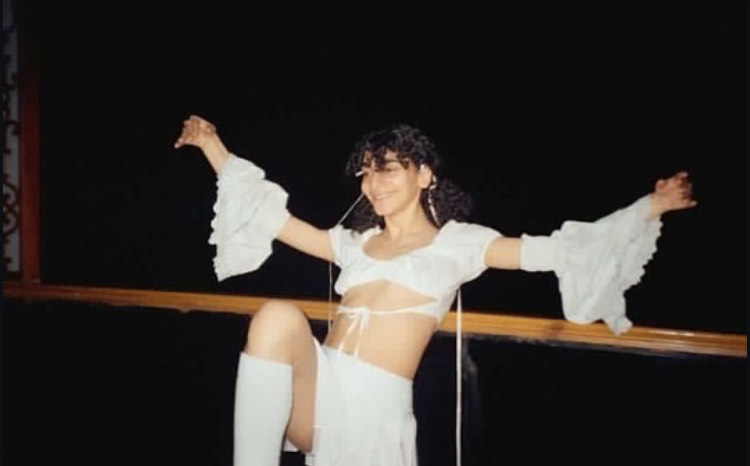
I’m no stranger to queerness in Cairo by night - I’ve been to my fair share of parties and salacious night time activities - this however was different. I saw other people just like me, openly being themselves and helping one another, in the light of day. At 10am no less.
Naturally I did what any sensible person would do. With a little chat first and their consent, I used my phone camera and began to work on a very impromptu documentary project; they began, almost instantly, to pour their hearts out to me. Somebody was hearing their stories at last, and not only that, it was being documented.
It was something rather special, to say the least. To gauge their stories; each with a different background, a unique struggle, and a beauty they themselves almost didn’t realize.
I’m telling this story because people cannot even fathom that there are trans people in the so-called “exotic orient,” where apparently we exist only to be catapulted off rooftops.
And yet there we were, recognized though nominally, and labelled under retroactive medical terminology, in a hospital that offered an infrastructural framework that allowed us to seek eventual gender reassignment surgery and immediate exemption from the army. Ergo, a golden ticket.
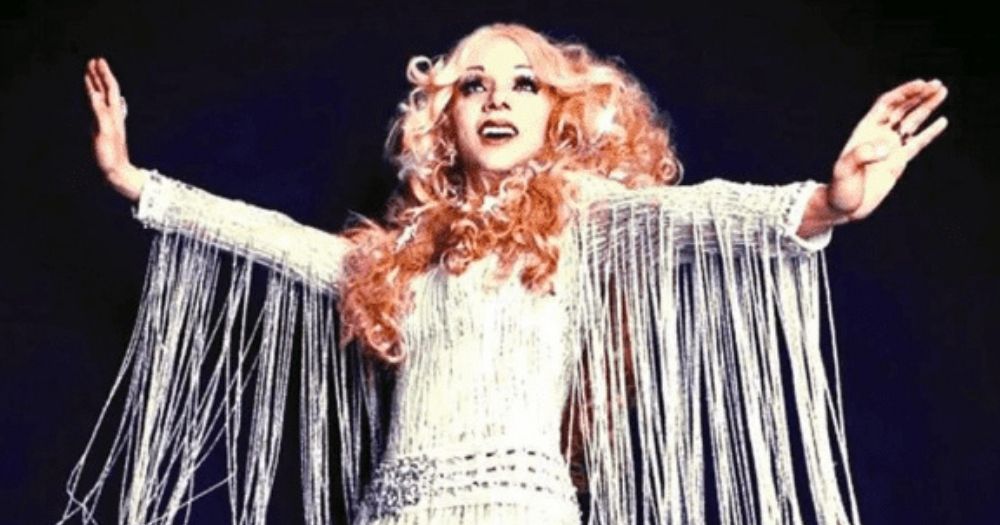
I often get told that people are amazed I’m openly transgender, Egyptian, and based in Cairo, even though I’m far from the only doll around; you just have to find us hidden behind countless layers of presumption and stereotypes. In my case, it’s silk and fineries.
When I first began HRT in Cairo, I wouldn’t leave home without my signature fairy-winged backpack. It became what I was known for, at least for a time. I once even heckled a police officer in broad daylight while sporting them, sprightly as ever, as he was attempting to arrest a foreign drag queen. That same night, I was on my way to a house party with nary a second thought.
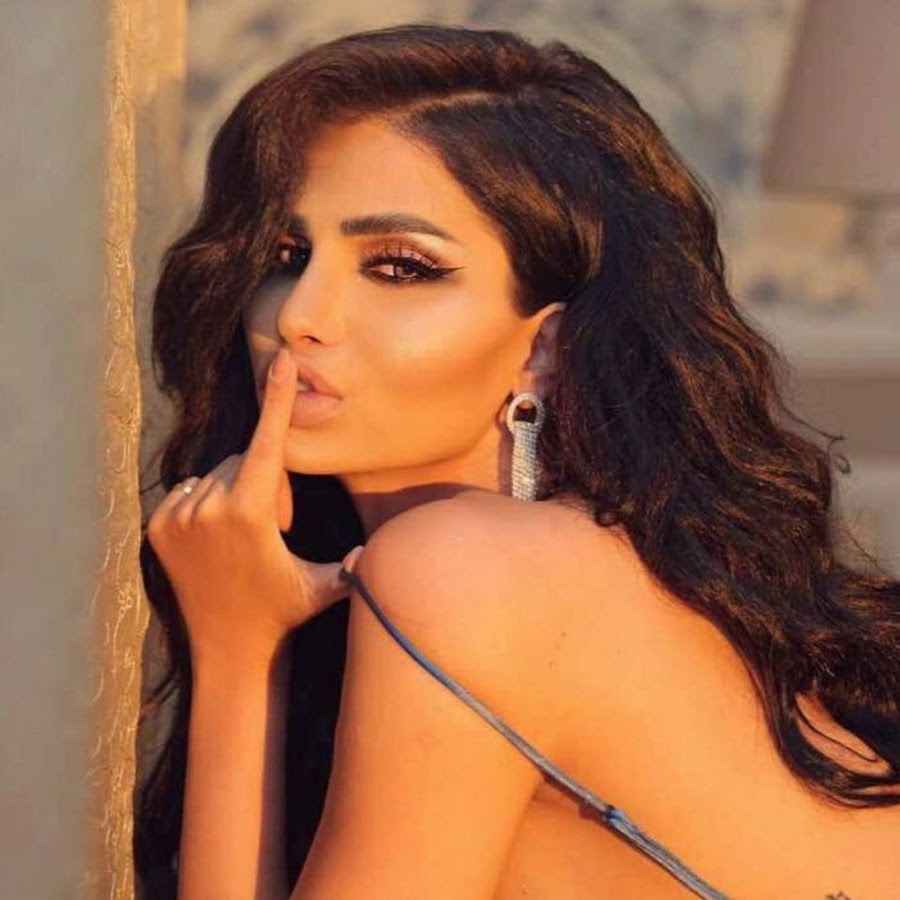
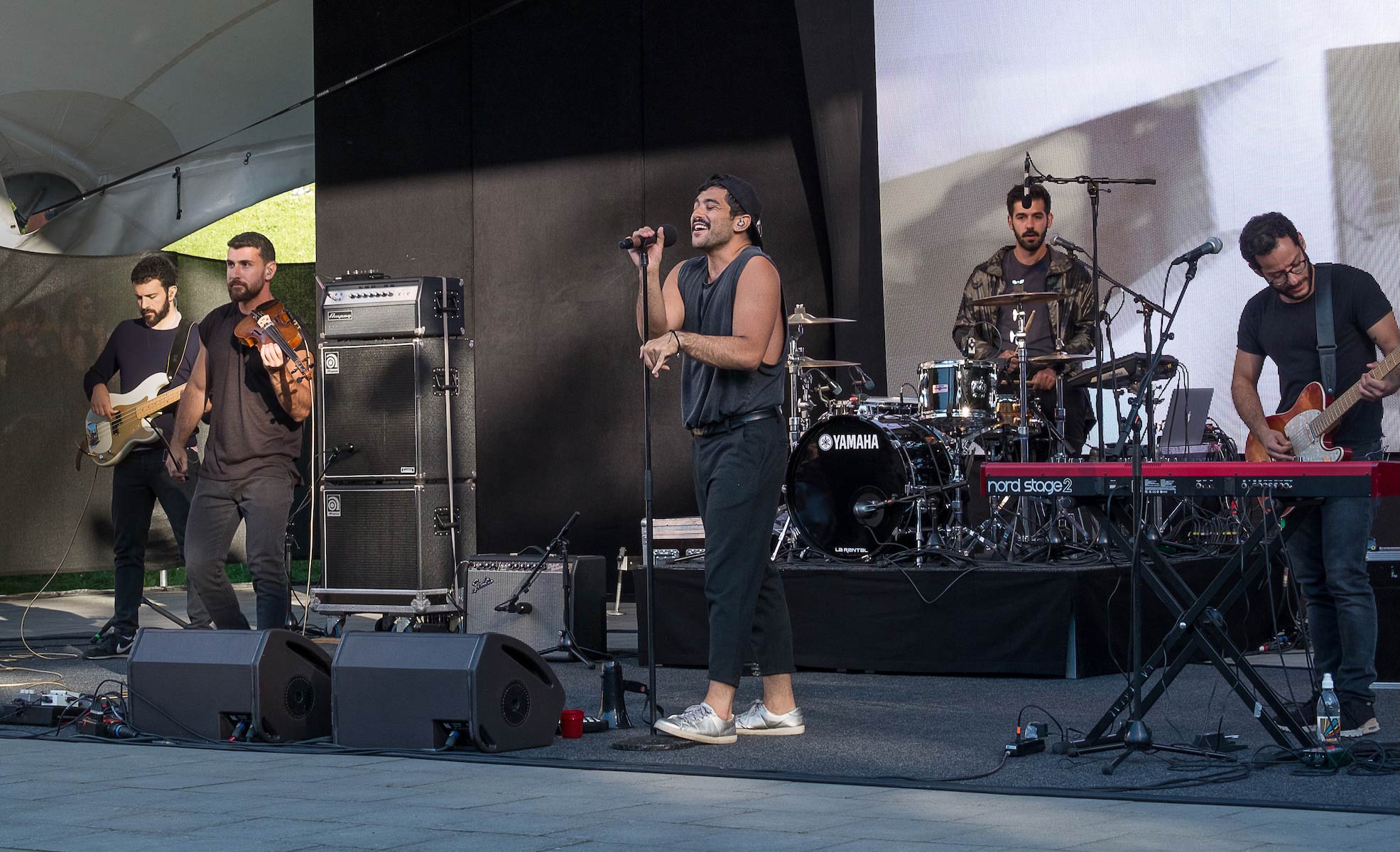
Queer Arabs do exist outside of the context of Europe. We have our own culture and communities - our own vibrant lives - despite the hardships we face. We are not waiting for the West to save us. Lady Liberty fell off a long time ago. Lebanon on the other hand has been a shining example of queer Arab culture for decades; with their own cadre of queer icons such as drag superstar Bassem Feghali, the trans diva herself Haifa Magic (loved by the dolls here in Egypt), and of course the former band Mashrou’ Leila which in itself stands as a testament to our existence and resilience in the face of state repression.
And yet, allow me to contradict myself by stating a fact - that I must someday leave if I wish to lead a normal life. Don’t I owe it to myself?
I’ve lost too much to being me; I’ve missed out on a normal education due to intense bullying from 4th grade of primary school to my final year at university, I’m seemingly barred from a regular social life as most people have to think twice before being seen with someone as flamingly flamboyant as myself, and I can forget about having a professional one, as you can imagine. In fact, one of the individuals I interviewed, who identifies as a transgender man, told me that he was fired from his job at a prominent call center after using the men’s restroom.
We take pride in the fact that we were never somebody else, not for a split second, but it should also be acknowledged that we have surely suffered for it.
And so, I find myself at a crossroads; to leave for Europe and never look back, or stay and sacrifice my youth… along with years of normalcy. It may strike you, dear reader, to know that I have the chance to do just so. Do I want to? Perhaps it is a question that surpasses mere want. I’d be trading a country where I get accosted for wearing makeup, for one where I get harassed for the colour of my skin, or even arrested for simply wearing a Kuffiyeh, or marching against an ongoing genocide.
It is heartwrenching now to think that I once planned on retiring in Lebanon someday.
How likely will this dream come to fruition now, as relentless Israeli bombings threaten the very fabric of its future? Where can people like us go? Is it better to be a fish out of water in hostile lands that hate you, than at home where you know you’re missing out on the future outside the four walls of your home?
The very question of home remains a threatened luxury. These are the questions I must contend with, behind glitz and glam and silk fineries.