

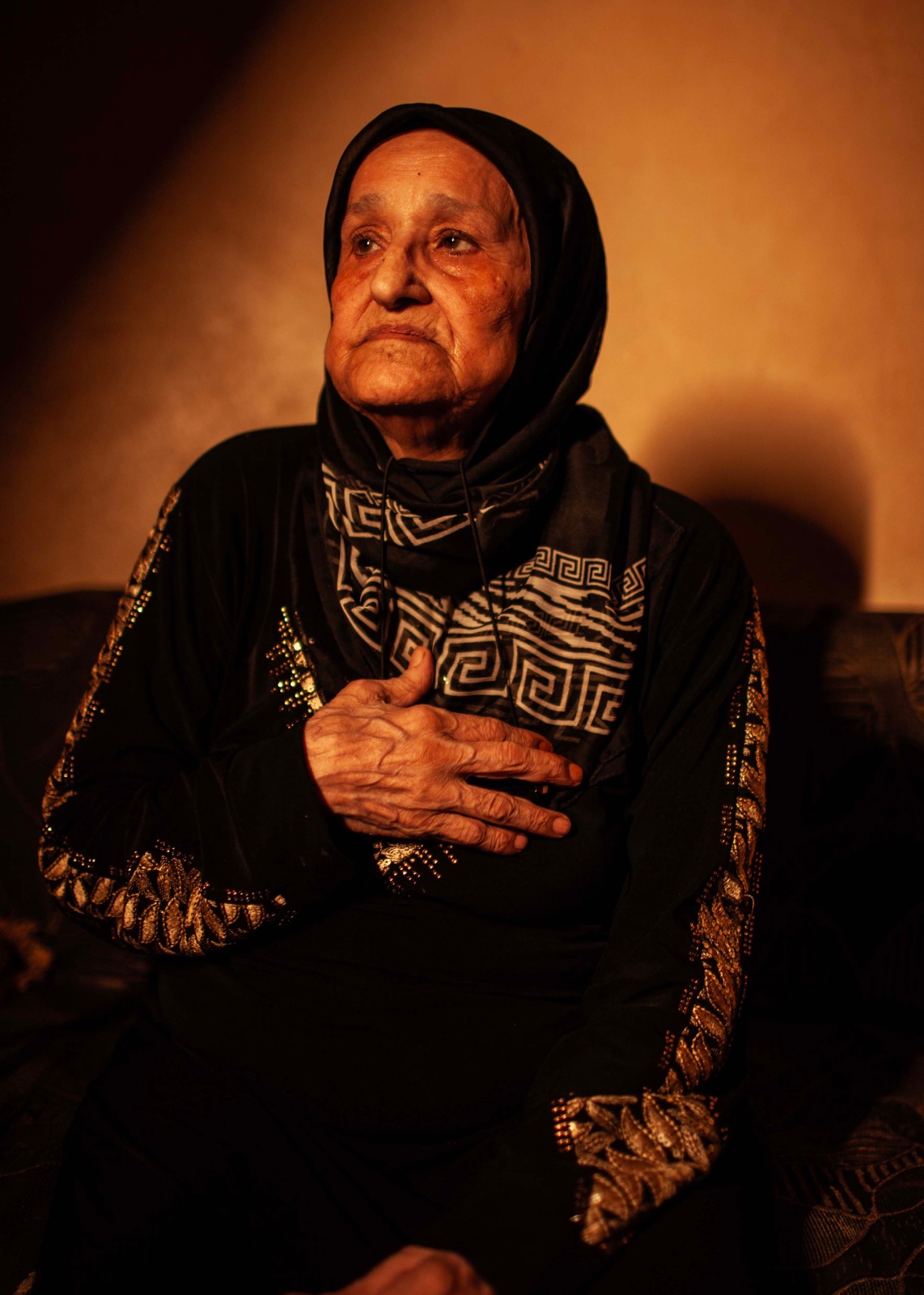
Malak told me they left Chaqra, a village in southern Lebanon, at four in the morning and did not reach her aunt’s house in Saida until one in the morning the next day.
“We were fasting and exhausted, but we had dates,” she said. “We took them out of the car and began sharing them with the people around us. We also helped another repair a car that had broken down, and despite the fear, we got to know each other.”
The following morning, the news arrived: their house had been bombed by Israel.
On March 2, residents across southern Lebanon woke to Israeli “evacuation orders.” At first glance, the term suggests concern for civilian life, invoking the language of safety and protection. In reality, however, these orders function as a mechanism of forced uprooting, compelling entire communities to abandon their homes under the threat of bombardment.
Official state reports indicate that nearly 700,000 people have been internally displaced over the past week. Many spent nearly 24 hours trapped on the roads trying to reach Beirut, a journey that normally takes less than two hours from even the farthest villages along the Lebanese–Palestinian border. Many of those forced to flee their homes had been preparing shour, the meal eaten before sunrise, ahead of the daily fast, when they left in haste, unsure when they would be able to return. Women, who often manage the household, cook, and care for the children, frequently bear the emotional burden of holding the family together in times of crisis while coping with prolonged uncertainty.
For working women, displacement frequently results in losing their jobs and the financial independence they once had, pushing them into increasingly difficult conditions to sustain themselves.
.jpg)
For instance, on March 4, similar evacuation orders were issued for Dahiye, Beirut’s southern suburbs. Khadije, a resident of Hay Al-Solom, is now sheltering on the second floor of the Lebanese University in Beirut. The public campus, usually crowded with students moving between classes, is now filled with displaced families.
“No one has asked about us,” she says. “I am a Lebanese citizen. I have a Lebanese ID. Where is the emergency relief?” Sitting in the corner of a classroom, she speaks with visible disappointment. As she shows me the medicines she depends on, she questions why the Lebanese government has done nothing to provide protection or assistance. It is a sentiment widely shared across a community that has long felt neglected by the state. Even international organizations, faced with shrinking budgets, have fallen short in their relief response and have not been able to act at the level of urgency required.
“Several of my neighbors could not leave despite the evacuation order, because they have nowhere to go. They only leave at night and sleep by the beach in Ramlet al-Bayda to escape the constant bombing sounds.” With no alternative, one might think that sleeping in the open air would, grimly, feel safer than staying in one’s own home. Yet even there, they remain targets of Israeli barbarism. On March 12, around two in the morning, Israel carried out a massacre against displaced people who had sought refuge by the Ramlet al-Bayda beach, killing ten of them. Witnesses describe women’s and children’s body parts scattered across the site. Nowhere is truly safe.
Souad, who lives on the outskirts of Beirut, was forced to flee her home and is now sheltering in a school in Choueifat. In this area, speaking with displaced residents proved difficult, as the municipality appears to have imposed strict regulations. These measures are meant to organize the large influx of people and, I was told, prevent chaos. But they also create an uneasy atmosphere. Conversations feel monitored, almost scripted, as if everyone is careful not to say the wrong thing.
The tension of this is palpable across the country, with fearmongering on the rise and some openly expressing that they do not want displaced families in their neighborhoods. As a result, many of the displaced feel targeted both by Israel and from within. There is growing concern that even minor disagreements could quickly spiral out of control.
With a smile that never quite leaves her face and a frail cat sitting beside us, Souad tells me that her house was destroyed during the previous war. Now, she says, it feels as though everything is happening all over again. “When I lost my house last time, I went back to search through the rubble,” she recalls. “Luckily, I found what is most precious: a photo album of my children.”
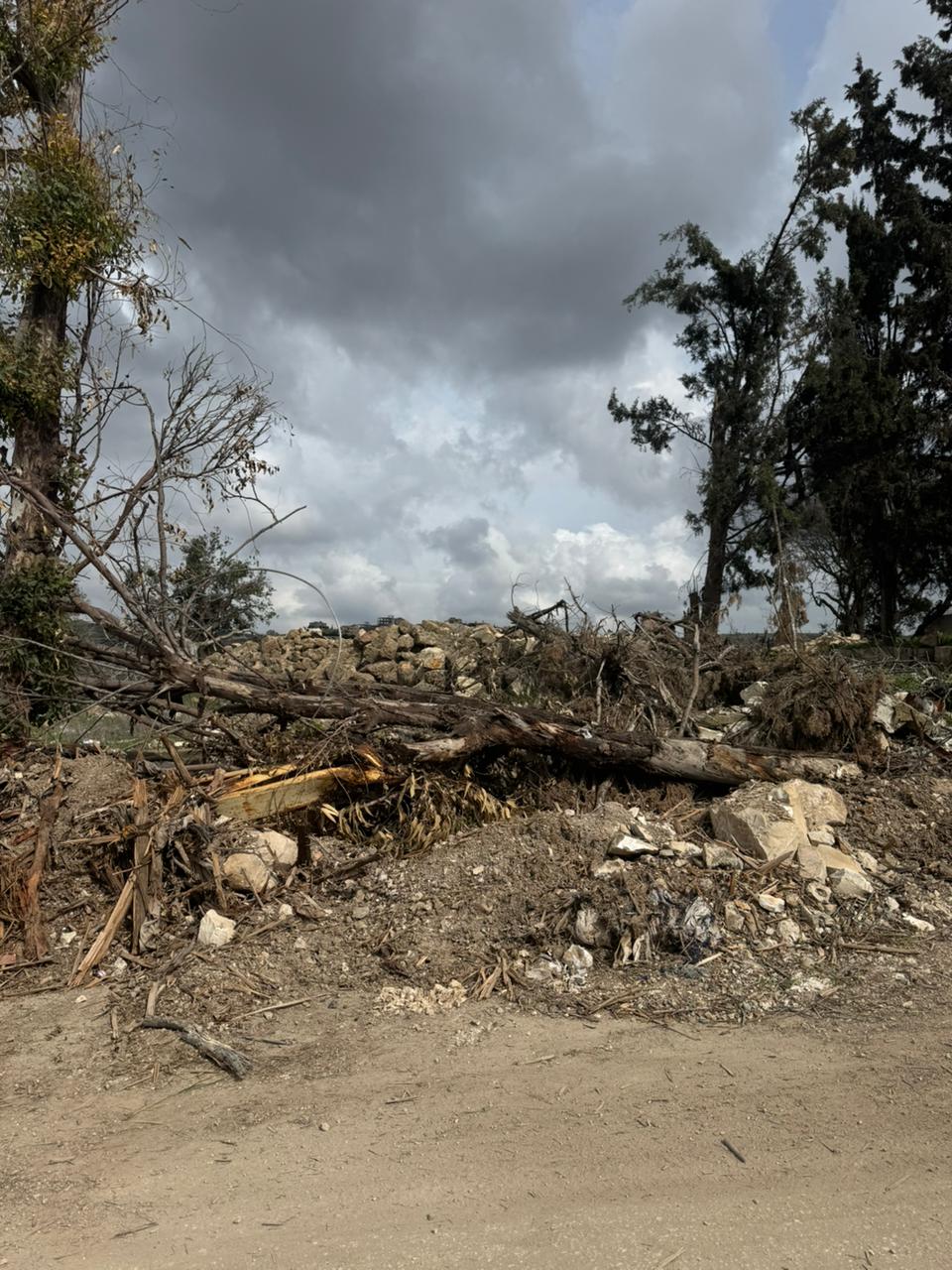
Displacement did not begin with the most recent evacuation orders; it has been ongoing. Since 2024, several frontline villages have been razed to the ground and turned into ghost towns.
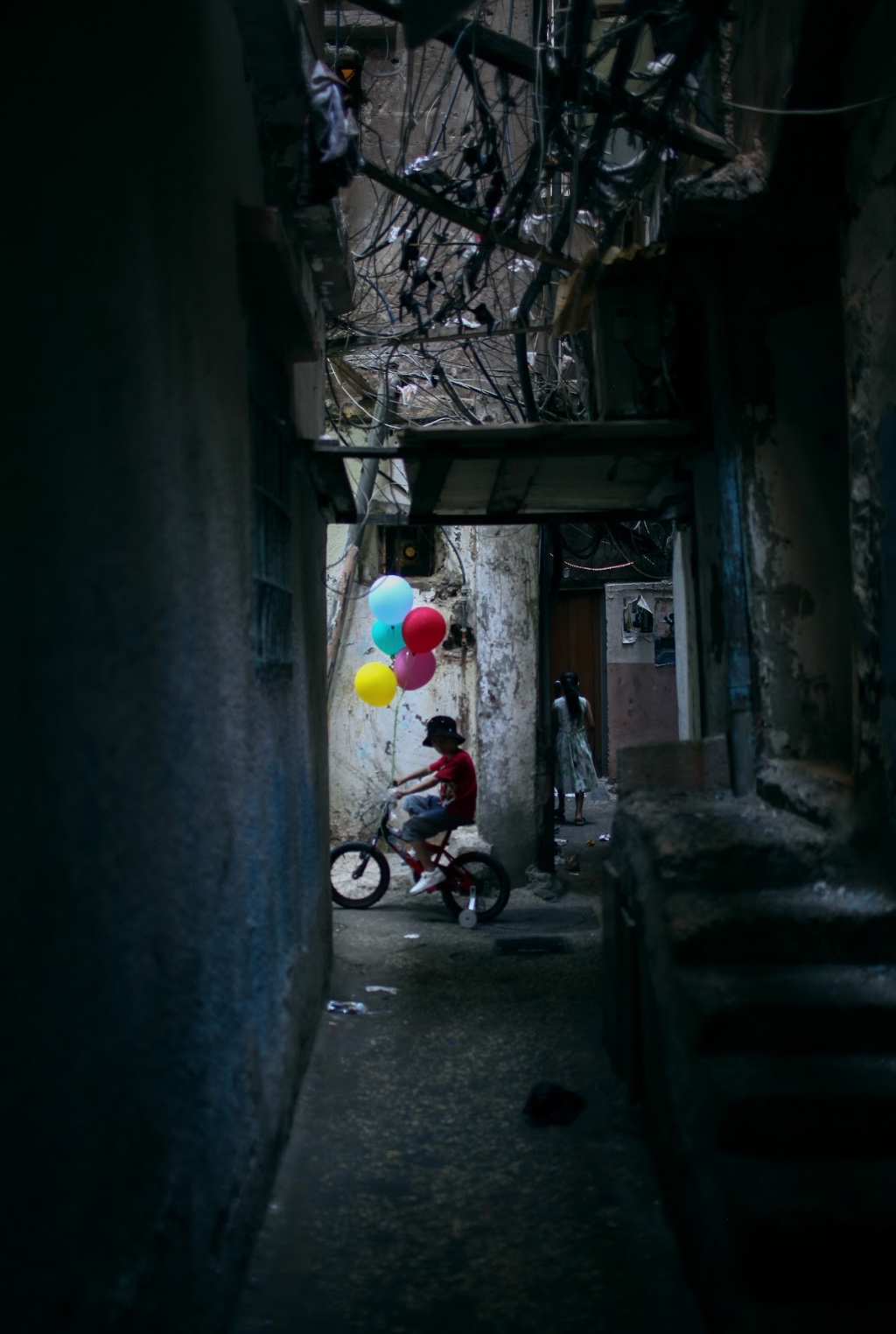
Return has effectively been forbidden as the Israeli occupation gradually expands its control. On March 5, it announced the seizure of additional land alongside the five positions it has held there since November 2024, further entrenching a reality in which many displaced families still have no clear path home.
Wafaa, from Rab El Thalathine, a southern village directly on the border, had her home destroyed in 2024 and has not been able to return since. Displaced once again from a second house she had rented in Beirut, she now finds herself sheltering in a school in Burj Abi Haidar.
When I ask her what she longs for most once the war is over, a moment of silence follows. She takes a long breath, her voice breaking, and says:
“I had planted my garden in the village with all kinds of flowers: jasmine, Damask roses, gardenias, and carnations. After the last so-called ‘ceasefire,’ I was told the garden had been scorched. All I want is for my land to remain.”
As I write these lines, Israel issues new evacuation orders. It never stops.