
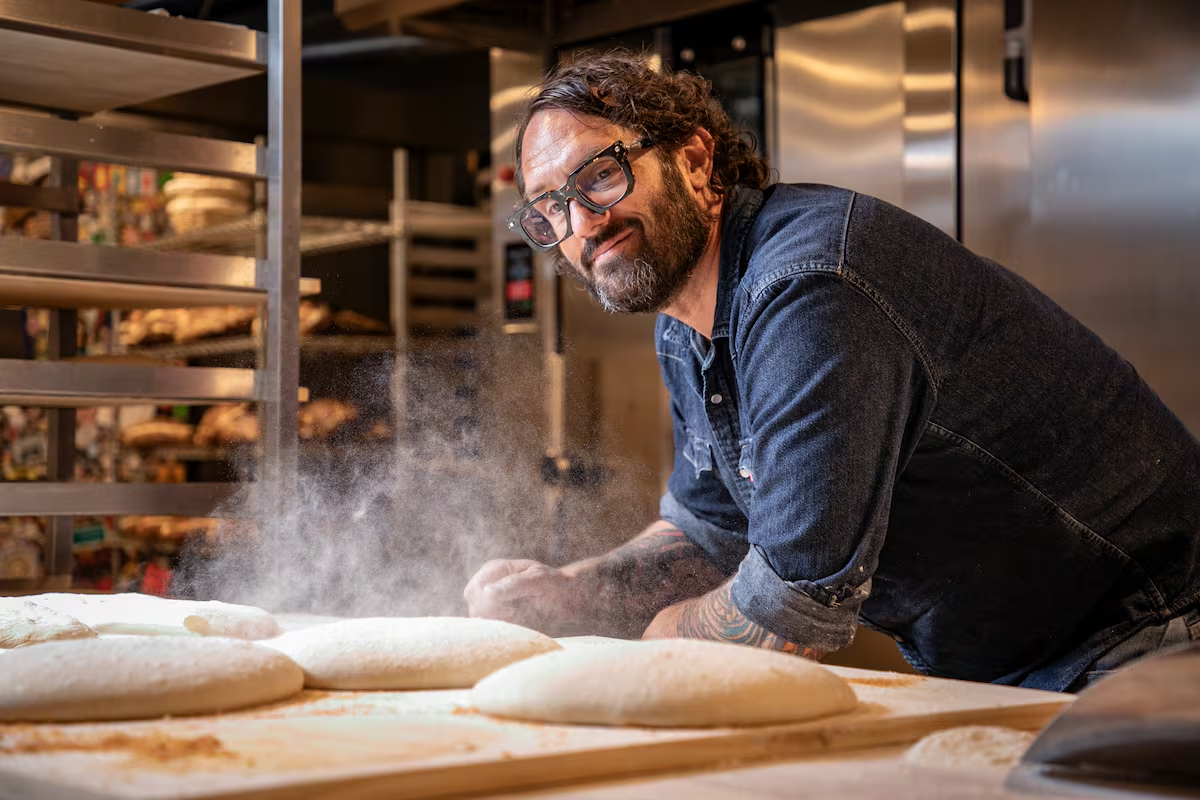
If you’re not Mexican, you might’ve missed one of the latest insults aimed at our country. But it hasn’t been long since a renowned British baker decided to comment on Mexico’s lack of bread culture and informed the international community (via podcast, because of course) that he planned to open the “best bakery” in Mexico City—a claim that, in a city grappling with gentrification, isn’t just arrogant; it’s political.
Richard Hart, the baker in question, is now the not-so-proud founder of Green Rhino, which opened in the widely gentrified Roma Norte neighbourhood of Mexico City back in June of last year. Hearing Hart’s entire tirade against the “ugly”, “cheap”, “completely highly processed”, and “industrially-made” bread we Mexicans eat, you might be tempted to take his expert opinion at face value and think nothing more of it. But beyond the rudeness of his commentary, there lies an insidious cultural delegitimisation that paves the way for invisibilising the produce of his host country and attempting to replace its “better” version.
In reality, what lies behind Mexico’s “non-existent” bread culture is a rich tradition that has learned and thrived from adversity—from the conquest period, when European ingredients like wheat were introduced into the land by way of a violent colonisation that killed thousands of natives and effectively disappeared a number of their customs, to this day.
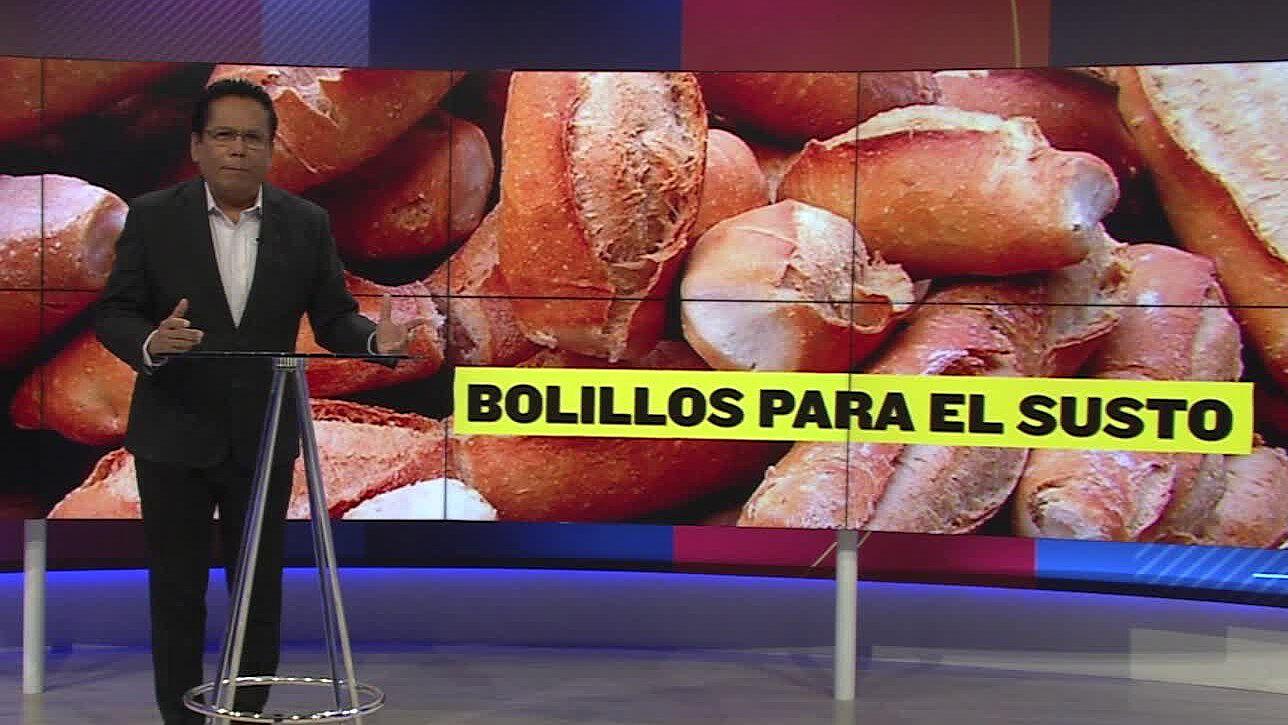
Take the bolillo, the main subject of Hart’s harsh criticism, for example. While he dismissed it as a “white ugly” roll, the bolillo has become a staple in Mexican cuisine. And it wasn’t because it was perfect according to European techniques or because its preparation relied on the highest quality ingredients, but rather quite the opposite. The bolillo was made to sustain the masses, the mostly poor, rural population that comprised most of Mexico’s inhabitants until relatively recently in the country’s history. Thus, Mexican bakers made the most of the affordable ingredients within reach to feed the population.
Today, the humble bolillo knows of no social class and is enjoyed by rich or poor alike.
It is so much a part of our culture that it is used as a home remedy for bad frights, or sustos, believed to cause a number of maladies according to popular wisdom, from paralysis to diabetes. This belief is so ingrained in Mexican thought that bolillo sales in Mexico City go up after one of its all-too-common, but no less frightening, earthquakes.
Pan de muerto (bread of the dead) is yet another example of how deeply ingrained bread is in Mexican culture. This beloved item is central to Day of the Dead celebrations, whose origin can be traced back to pre-Hispanic times. Its mere existence is a testament to the natives’ resilience in the face of genocide and religious suppression. Its elaboration, despite what Hart would have us believe, is far from being cheap or simple. There are, in fact, 12 different varieties, each differing widely in terms of ingredients and preparation. The latter is also far from being a purely industrialised process, as many families and communities still come together to make it at home the traditional way each year, despite it being readily available everywhere—from small neighbourhood bakeries to big supermarket chains.
Nowadays, with gentrification (the process in which wealthier newcomers displace the local population of cities) being a very real issue affecting Mexico’s major cities, Hart’s comments are not to be taken lightly in view of his bakery’s recent opening in the heart of Mexico City. Rather, it begs the question as to whether Mexicans should be expected to finance a foreign business built on disrespect for local tradition, all while local businesses are driven out of the up-and-coming hubs?
And what does he mean when he says his will be “the best bakery in town?
Does “the best” simply mean more European? And is this just another form, or at the very least a remnant, of colonisation?
Going back to Richard Hart’s main statement, who determines what counts as bread culture or not? As we should know better by now, a culture is a culture, whether someone at the (white European) centre says it’s good or bad, cheap or not. Further yet, if we go deeper into this last point, we might discover that most world cuisines, even those considered more refined and superior, were born out of the creative utilisation of rather undesirable ingredients, as these were simply fairly accessible to a wider population and prone to more creative approaches to make them not only edible but palatable.
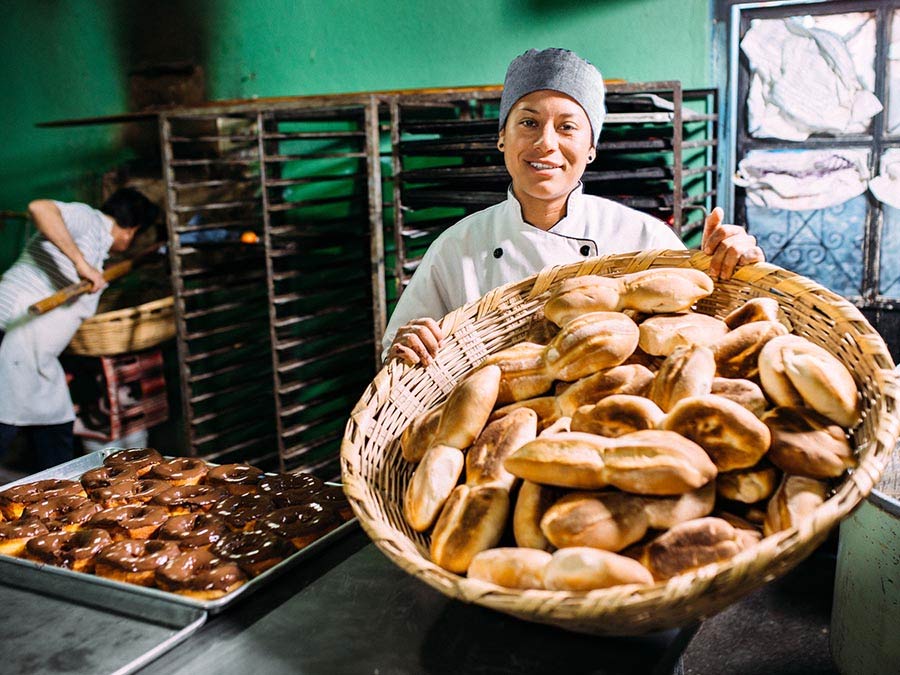
And far from being simple, the shortage of high-quality, and hence more expensive, flour in Mexico is a rather complex economic and political issue that can be traced back to the country’s changing agricultural policies and its commercial agreements with other foreign nations. For example, Mexico is nowadays the main importer of basic grains from the US, much to the chagrin of local producers. This comes as a direct result of the North American Free Trade Agreement (NAFTA, now replaced by the USMCA), owing to which Mexico is forced to import up to 80% of its wheat—the main ingredient in bread— from its neighbour to the north. According to experts in the field, this puts the country’s agricultural sovereignty at risk to the detriment of local producers and the national economy at large.
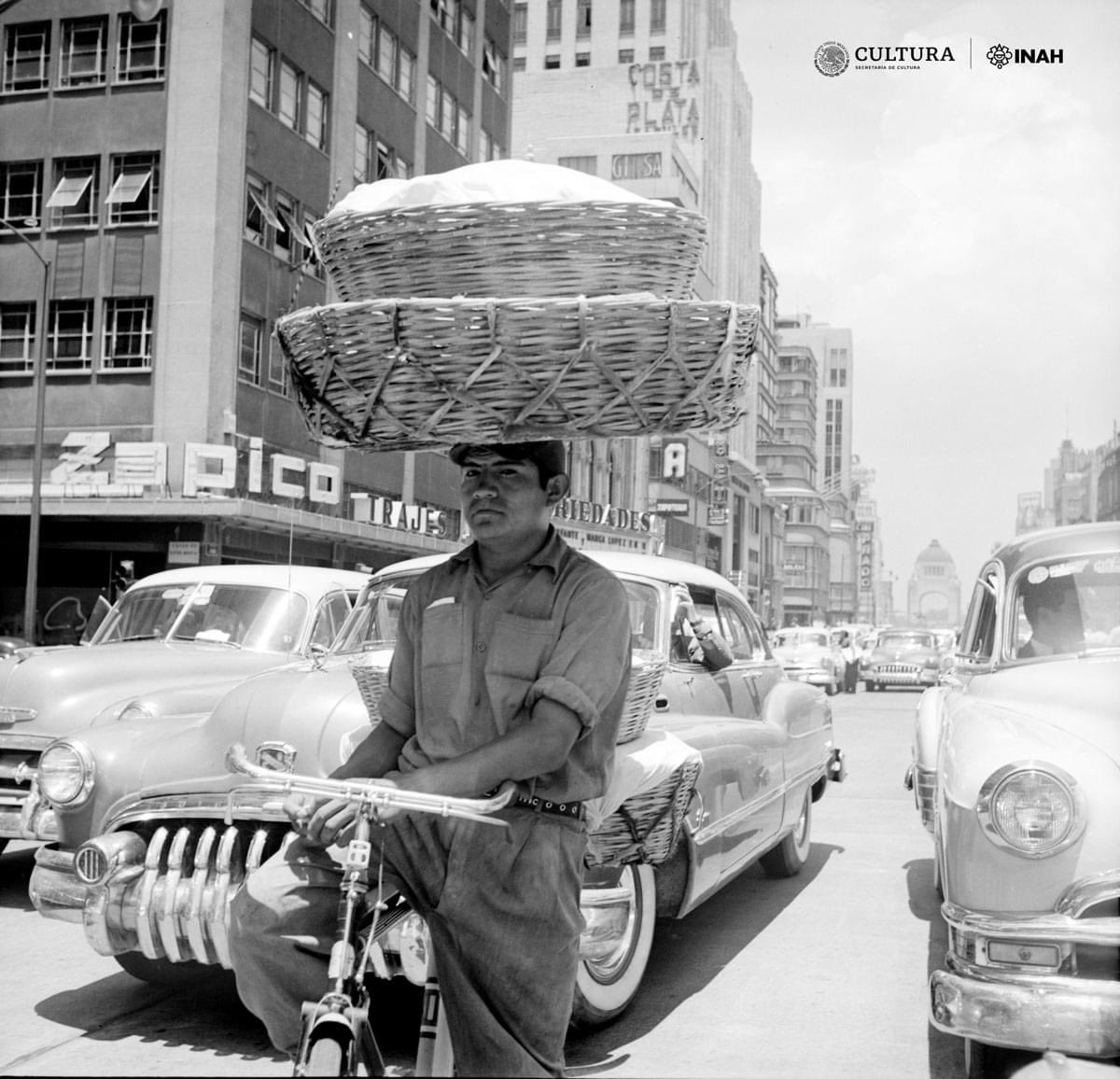
Notwithstanding all of the above, Mexicans have continued to thrive with what they have at hand, from the earliest years of the colonisation of the Americas to the full implementation of NAFTA. Overall, Mexico has adopted, adapted, and fully developed multiple varieties of bread throughout its relatively short existence as an independent country. Nowadays, the different types of bread are counted by the thousands. According to national studies, there were 60,000 bakeries spread across the country by 2023, 97% of which were small, mostly family-owned businesses.
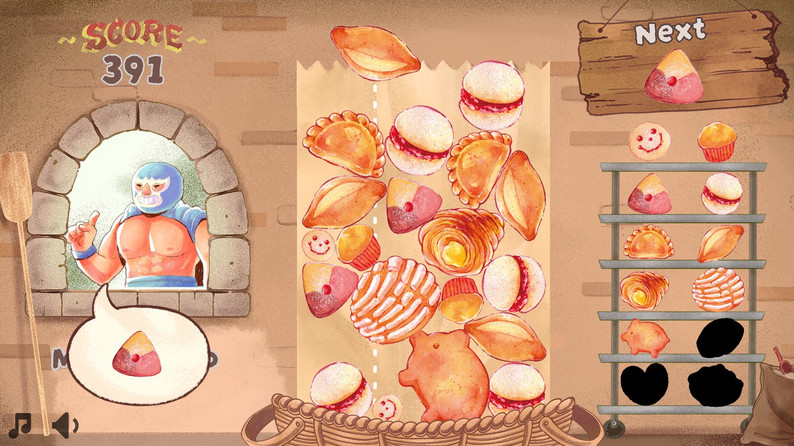
Despite being marked by resilience, austerity, and scarcity for perhaps most of its history, Mexico’s bread culture is very much alive. IT exists not only in the panaderias and inside people’s home, but in songs, movies, video games, you name it. Trying to invisibilise it or flat-out deny its existence with little to no context only perpetuates a dangerous trend: that of upholding white European standards as superior, as the norm, as the ultimate goal.