

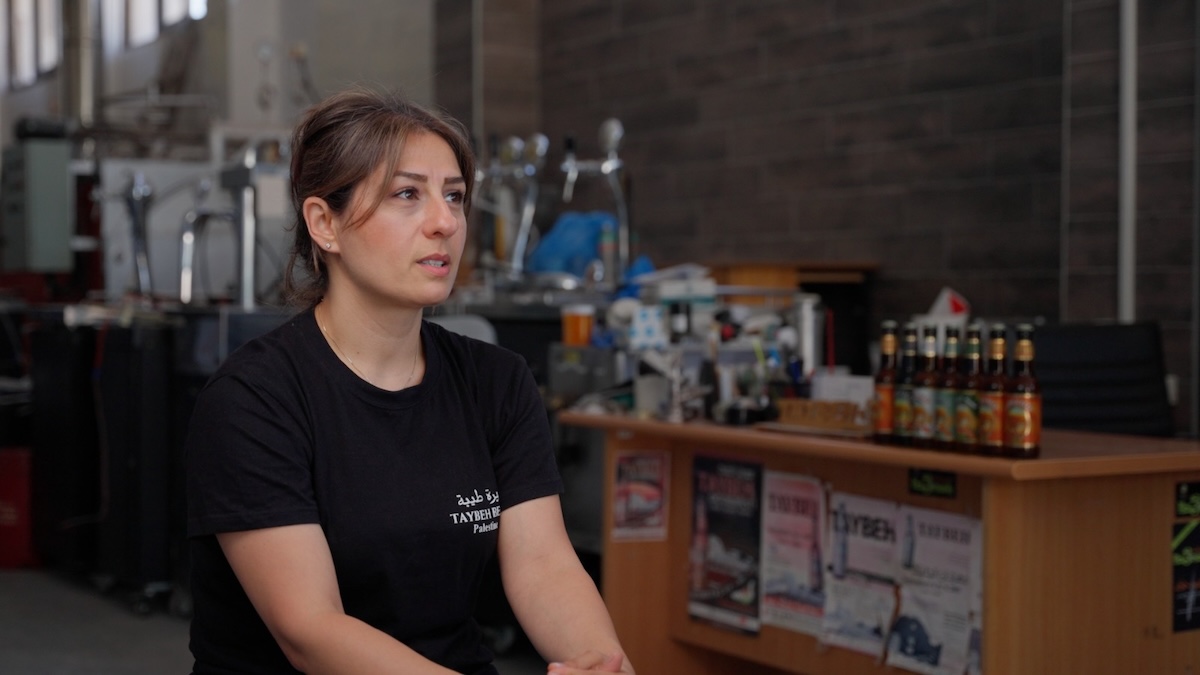
Madees Khoury, Taybeh Brewing Co.
“My American passport has great value all over the world, except in this country. And my Palestinian passport has no value in the world, except for this country,” Madees Khoury tells me by video call from the occupied West Bank, where she lives and works as a brewmaster and general manager of Taybeh Brewery.
Khoury travels often for work. She was in Scotland earlier this year and later flew to Boston, then Atlanta, slipping easily between trains, planes, and highways.
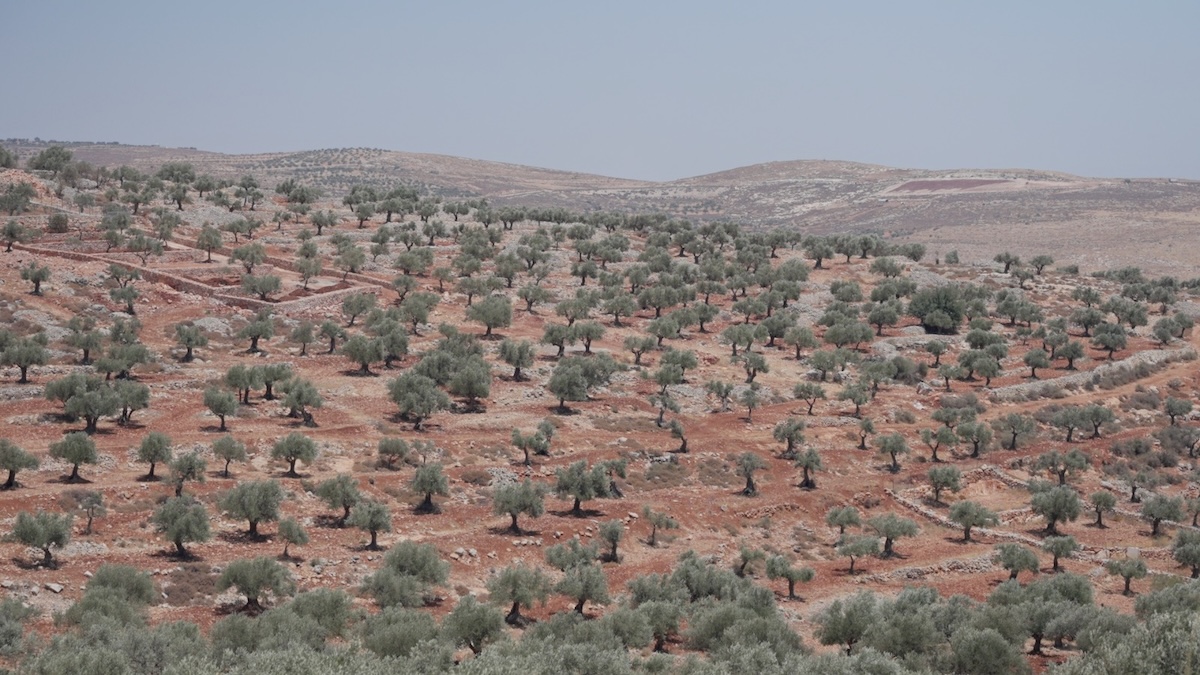
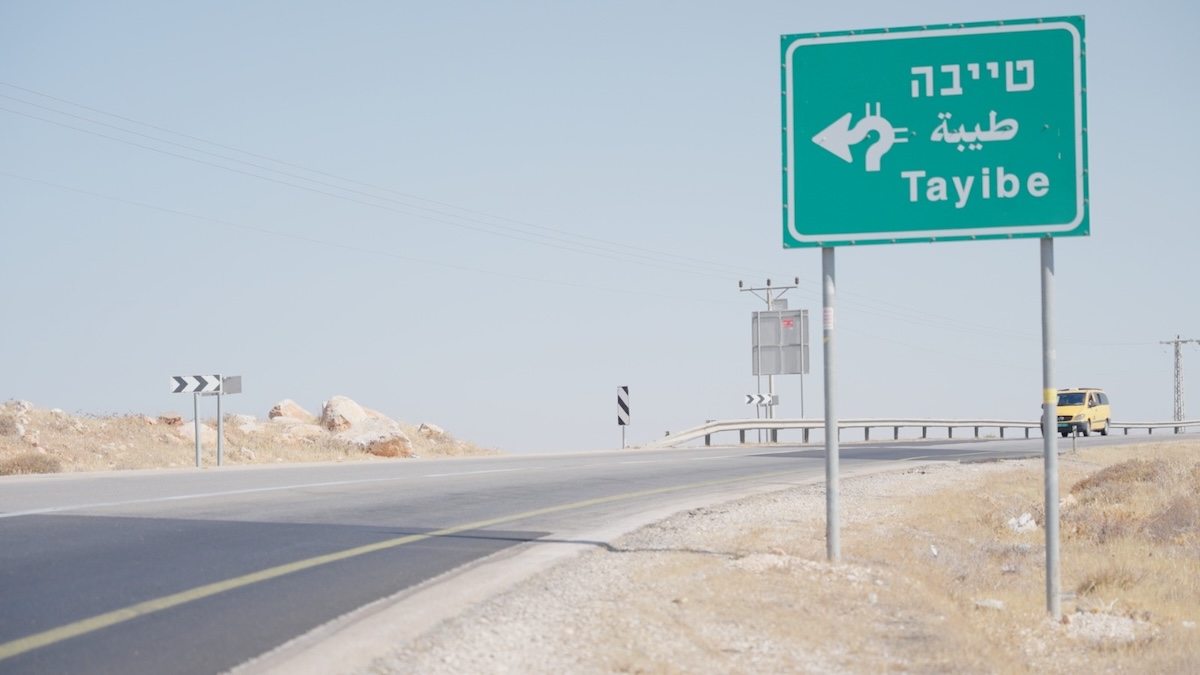
Taybeh, Palestine
“I felt weird because it was so easy moving around,” she says. “Living here, these past two years, especially, it’s been so difficult. We’ve been more stuck and isolated than ever.”
That tension—mobility and opportunity abroad, yet restriction at home—shapes much of Khoury’s business. Taybeh, widely considered one of the oldest microbreweries in the Middle East, has a sterling reputation in the craft beer space. But running a brewery under occupation has always presented a unique set of challenges.
Since October 7, 2023 these challenges have intensified. Sales have dropped by 70%, settlers pose a near-daily threat in their violence, and increasingly strict movement restrictions have nearly asphyxiated basic operations.
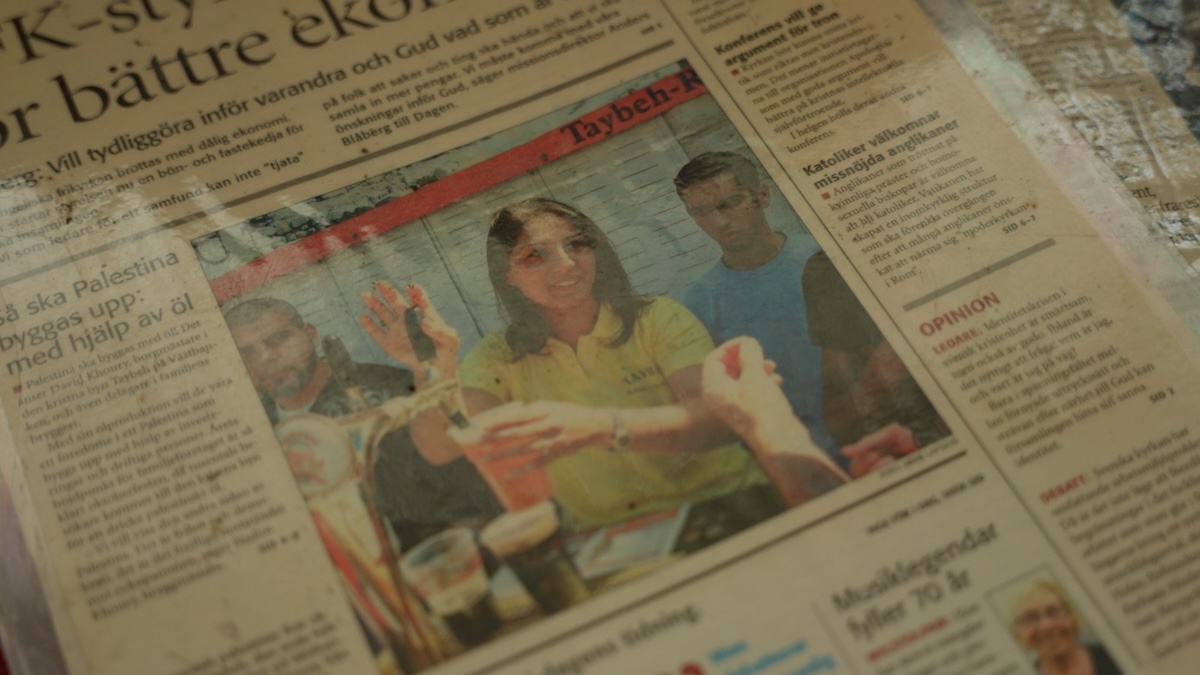
Old Newspaper at Taybeh Brewing Co, Taybeh Village, West Bank
Yet despite this all, Khoury and her family continue to expand.
In September 2025, Taybeh launched their Sun and Stone beer, a collaboration with the Glasgow-based ethical brewery Brewgooder, while also completing renovations to double their brewery’s production capacity. For Khoury and her family, Taybeh is not only their livelihood but direct action in support of a future Palestine.
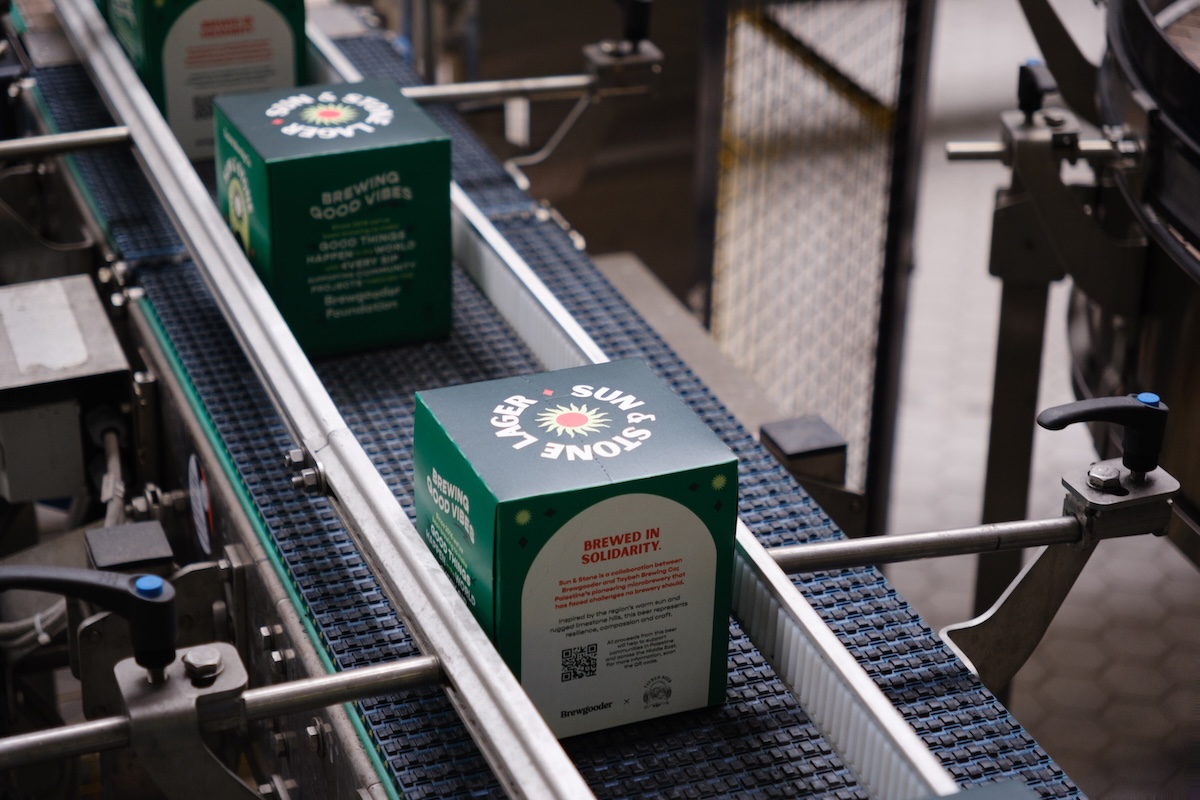
Sun & Stone Lager on packing line
Khoury, who was born in Boston but grew up in the small Christian West Bank village of Taybeh, always knew she’d go into the family business. Her father was an avid at-home brewer before pursuing his Masters in Brewing at the University of California, Davis. In 1993, he returned to Palestine amid the cautious optimism that followed the signing of the Oslo Accords and alongside the behest of Khoury’s grandfather, who bought land, secured permits, and pushed to reunite his family in their ancestral homeland. “He even got a blessing from Yasser Arafat,” Khoury says.
Khoury spent her formative childhood years on-premise. “I grew up in the brewery,” she says. “The whole family was hands-on, working together, and trying to build the business.”
With time, Taybeh, which has beers on the shelf in seventeen countries, built a reputation for quality and was one of the first breweries in the region to popularize non-alcohol beer. But operating a brewery in the West Bank has always required navigating a complicated and often fragile landscape of shortages, delays, frustration, and fear.
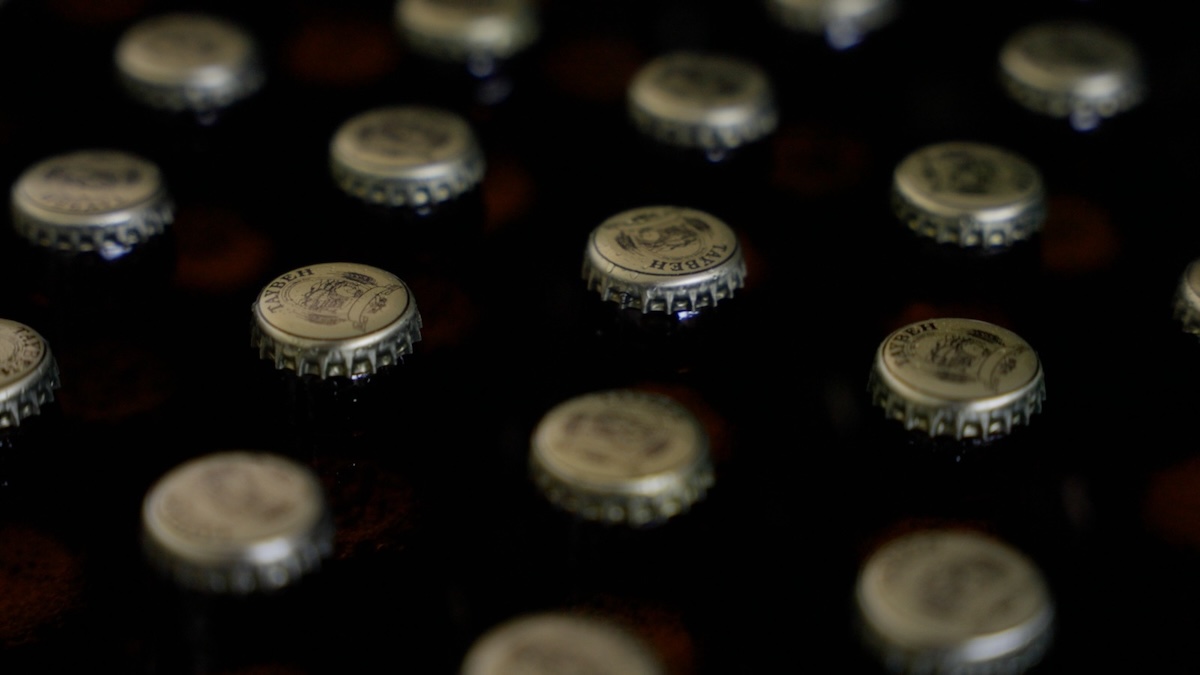
Producing and exporting beer demands consistency. The fragrant, delicate hops must arrive on time and in the proper condition, and brewing beer is reliant on stable water and electricity access. Crucially, the finished product needs to be transported under proper conditions—cool temperatures and away from direct sunlight—to protect the integrity of the beer.
For Taybeh, each one of those steps is laden with uncertainty.
Transporting beer from the brewing in the West Bank to the Israeli ports, where it can be exported, remains one of the most persistent challenges. What should take roughly 90-minutes by trunk often takes days. “On the map, it’s an hour and a half,” Khoury says. “In reality, it takes at least three days.”
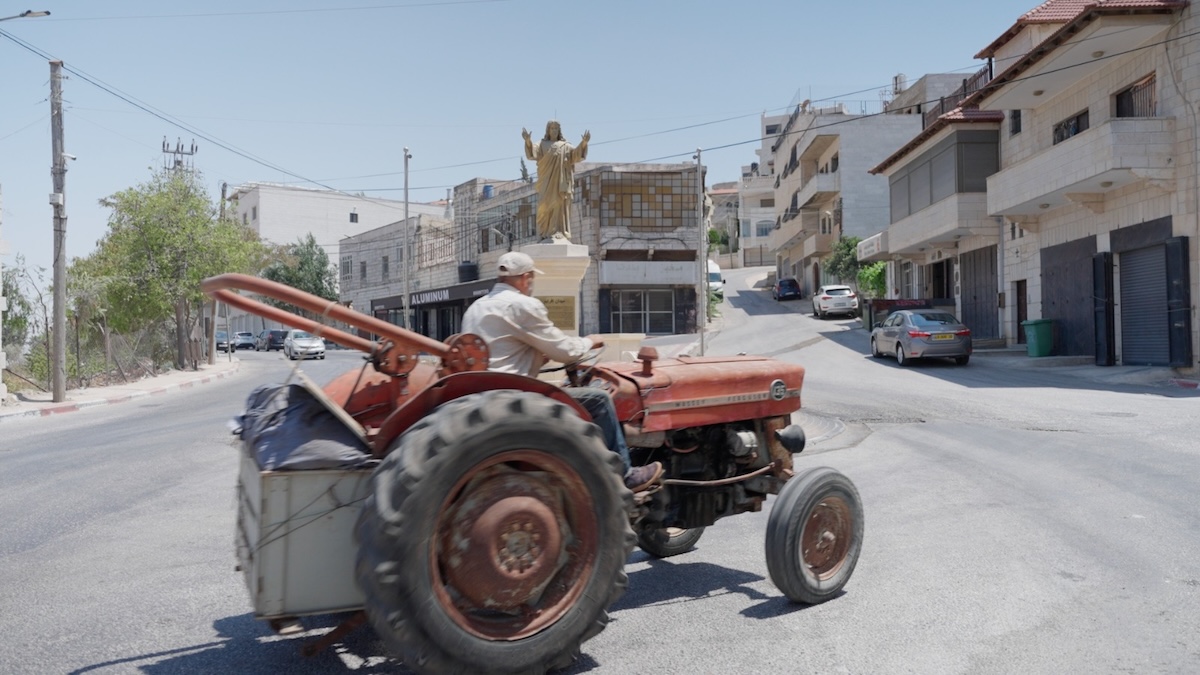
Taybeh Village, West Bank
Because Palestinians cannot access certain logistics systems, Taybeh must work through Israeli shipping agents to book vessels and secure permits to pass through commercial checkpoints. But permits often aren’t issued until, “their excuse is, until they know what the booking vessel is, or the container number,” Khoury says, noting this usually happens at the last minute.
These delays are costly, and not just financially but in terms of product quality. Beer is sensitive to heat and above 70 degrees Fahrenheit, it starts to degrade, the hops oxidizing and the flavors flattening into cardboard-like notes, what many people would refer to as “skunked.” Laggy transport puts the Taybeh’s beer at risk, especially in the springtime and summer when soaring temperatures and a relentless dry heat bakes the land.
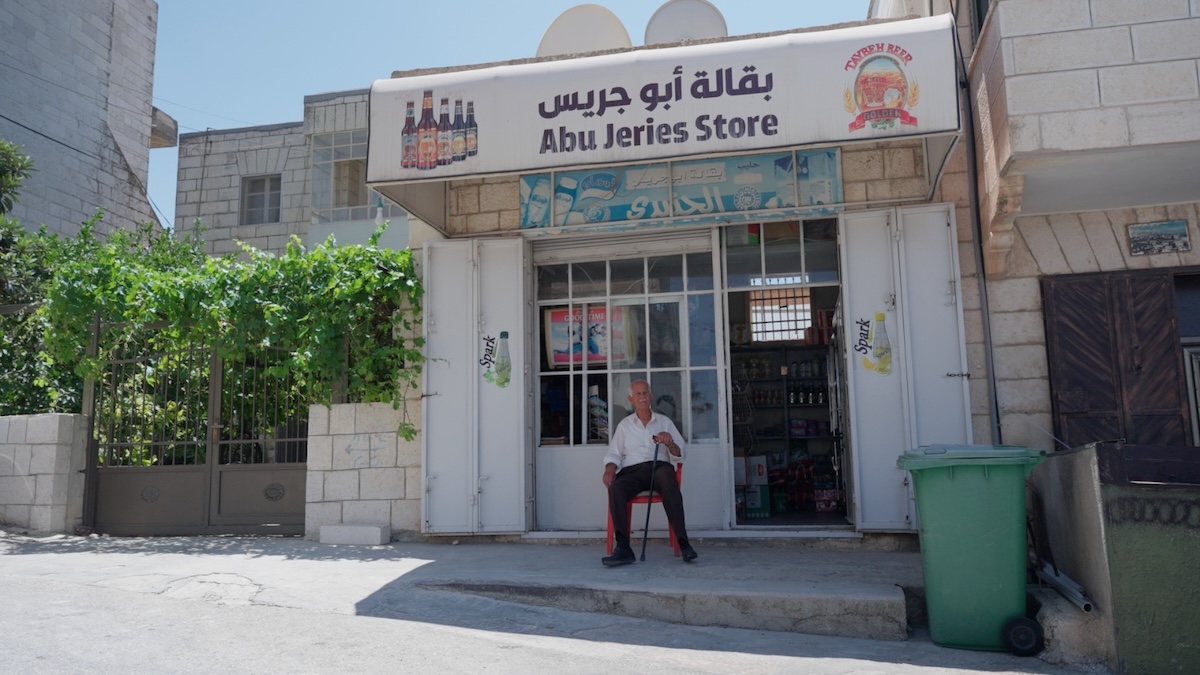
Taybeh Village, West Bank
“And it’s very expensive, costing twice as much to go from Taybeh to the port than from the port to France, which is a 7-day shipment,” Khoury said.
Beer is mostly composed of water, which Israel has long wielded as a tool of apartheid against Palestinians to enforce systemic deprivation and control, has always been challenging to secure in sufficient quantities in the West Bank.
The National Bureau for Defending Land and Resisting Settlements, associated with the Palestine Liberation Organization, says the current allotments of water are 52% for Israel, 32% for illegal settlements, and 16% for Palestinians.
Water typically arrives to the village three times per week in the winter, but only once a week in the summer, which is insufficient to produce Taybeh’s commercial quantities of beer.
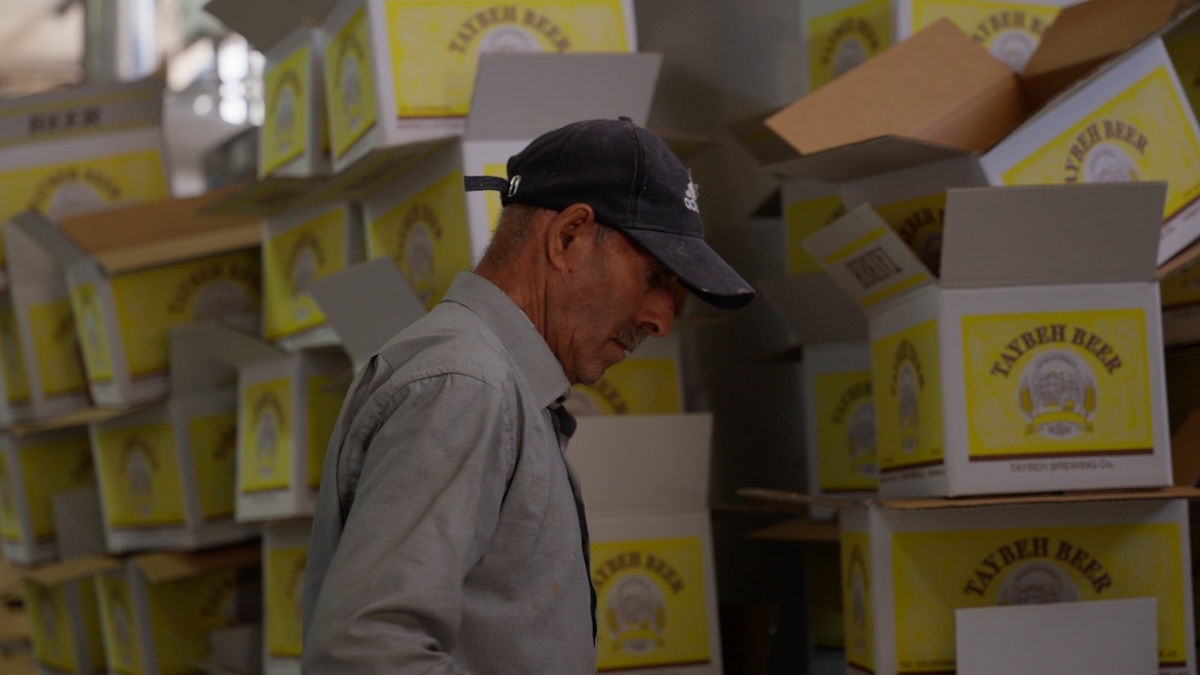
Settler violence is further jeopardizing water access. In July 2025, settlers destroyed security cameras and other core infrastructure at the Ein Samia well, which distributes water across the West Bank, including to the village of Taybeh. In January 2026, they attacked again, rendering the well inoperable at the time.
Settlers have also been casing olive groves that belong to Khoury’s family and have successfully prevented the Khourys from harvesting their land for three years. Rather than confront him, Khoury filmed him on a Facebook live stream, keeping her distance to ensure her own safety. “They can kill you. It doesn’t matter if you are Christian, or if you’re Muslim, or if you have an American passport,” she said. “If you’re Palestinian, you have no rights, and no one to protect you.”
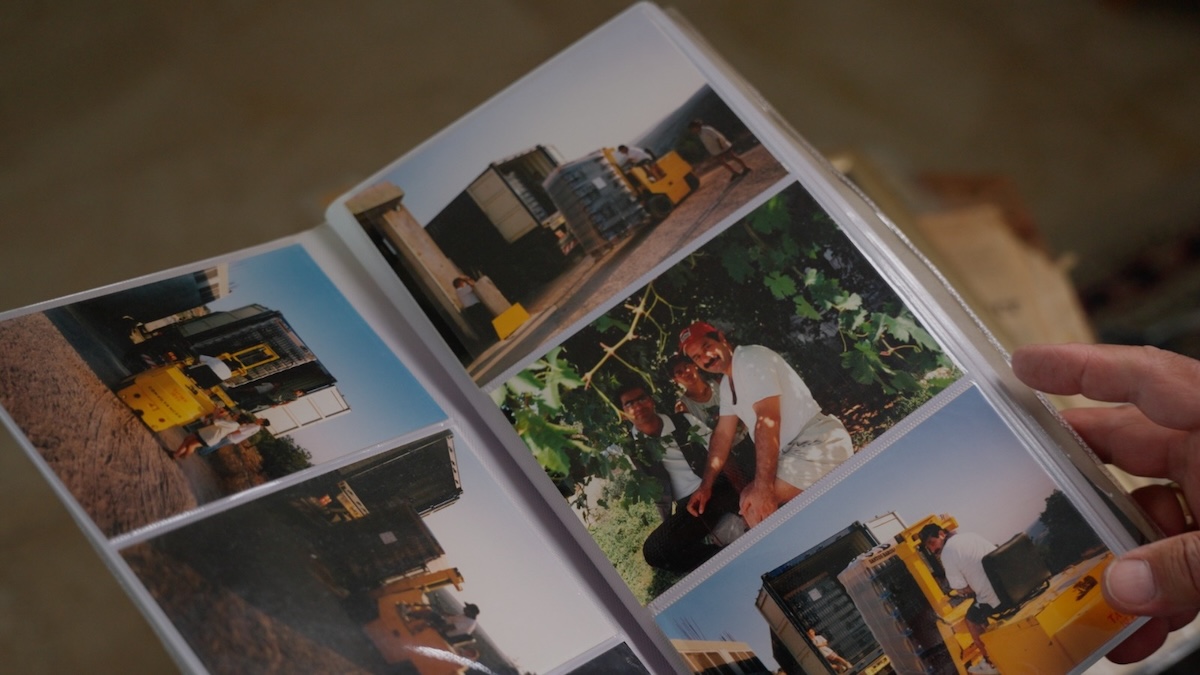
Photo album at Taybeh Brewing Co., Taybeh Village
As of October 2025, United Nations reported that settlers and Israeli Security Forces had killed 1,001 Palestinians in the West Bank since October 7, 2023.
Both the frequency and severity of settler violence have made residents re-consider travel between cities in the West Bank. “People are not moving around the West Bank because they’re too scared of the settlers—I’m too scared,” she says.
Yet despite the arduousness and accompanying fear of running a business and living in the West Bank, Khoury and her family continue to pour themselves into the business and in Palestine.
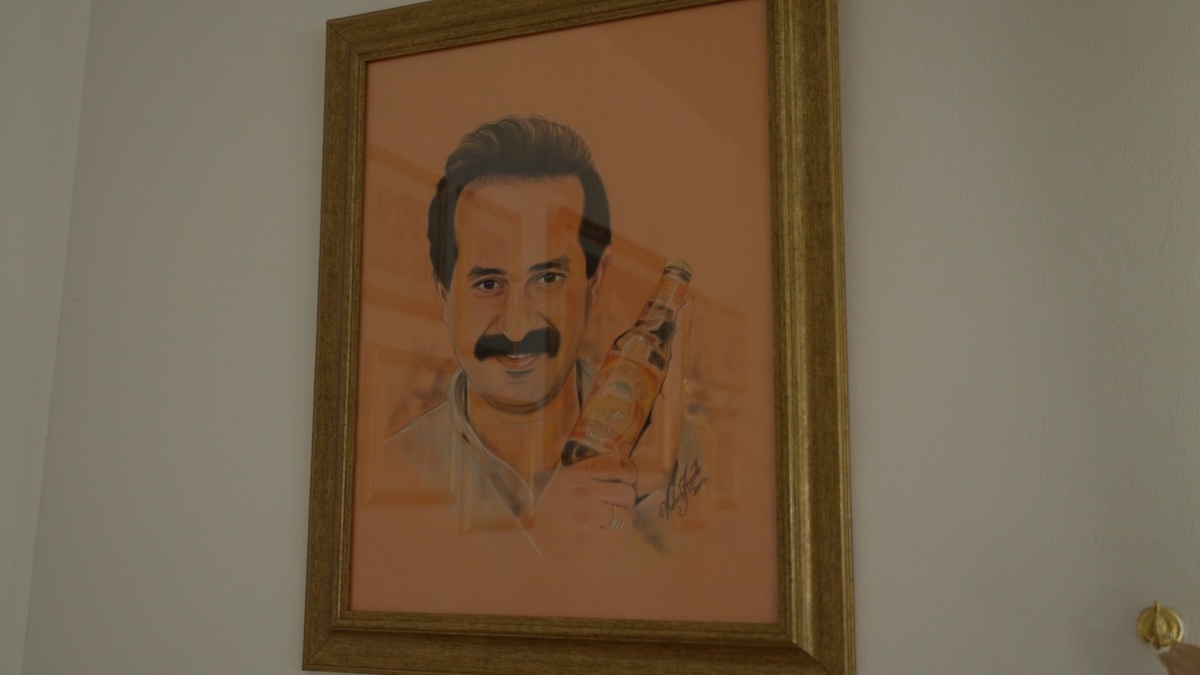
“We believe that in order to build the state of Palestine and to build the economy, you have to invest your own money, knowledge, experience— your children, your future—into this country. And that is what my family has been doing for 30-plus years,” Khoury says.
It’s this belief that continues to drive Taybeh’s expansion and growth. “I’d love to expand to Egypt or another Arab country,” she says. “We’re in Japan, but I’d love to grow our presence in the far east.”
Taybeh’s collaboration with Brewgooder marked one step in Khoury’s international expansion plans for the coming year, while her experience promoting the collaboration in Scotland only furthered her desire to develop other markets for Palestinian beer.
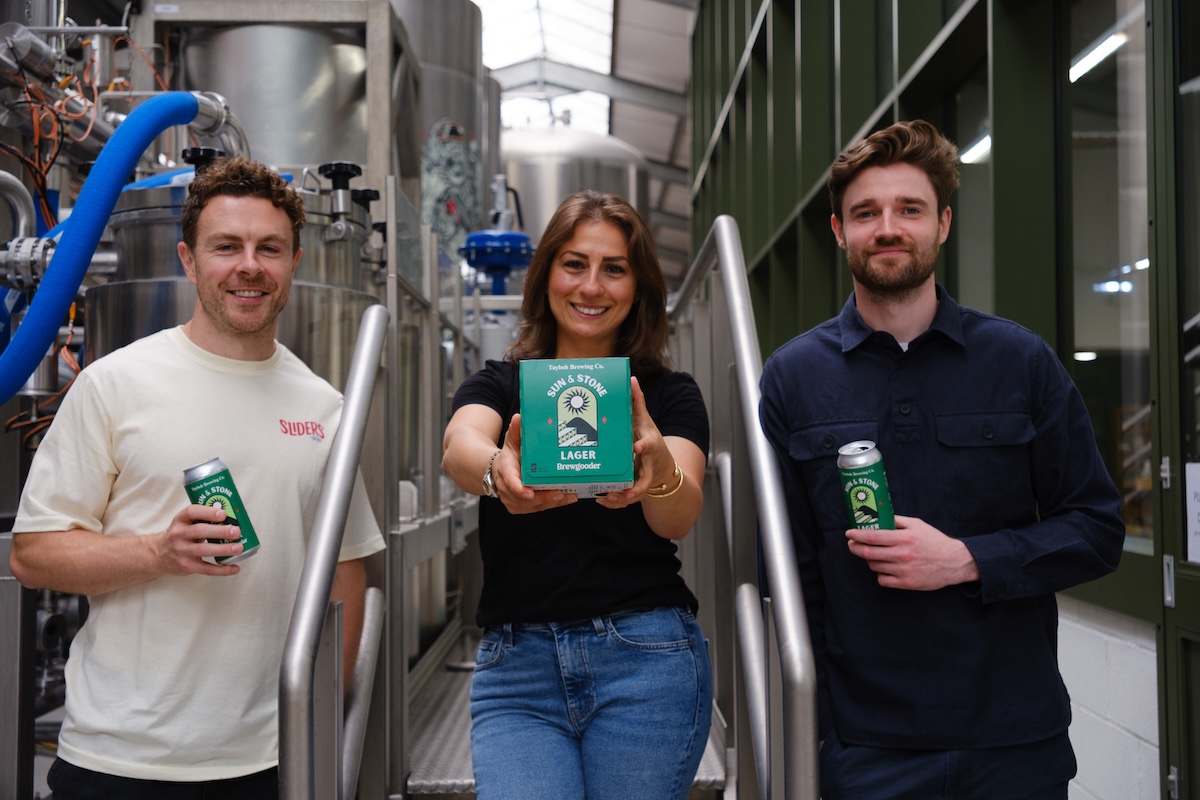
Alan Mahon, Madees Khoury, and James Hughes
“In Palestine, you feel like you’re isolated from the world and alone in what’s going on. But when I went to Scotland and I saw the support and the Palestinian flag everywhere, it was very emotional,” she says.
For Khoury, exporting Taybeh’s beer represents a way to share her family’s work alongside a broader effort to keep Palestinian products present on the global stage. “We’re contributing to the economy of Palestine, we’re employing people, we’re exporting abroad. We feel very proud that we’re getting the name Palestine abroad and connecting that with high-quality products,” she says.
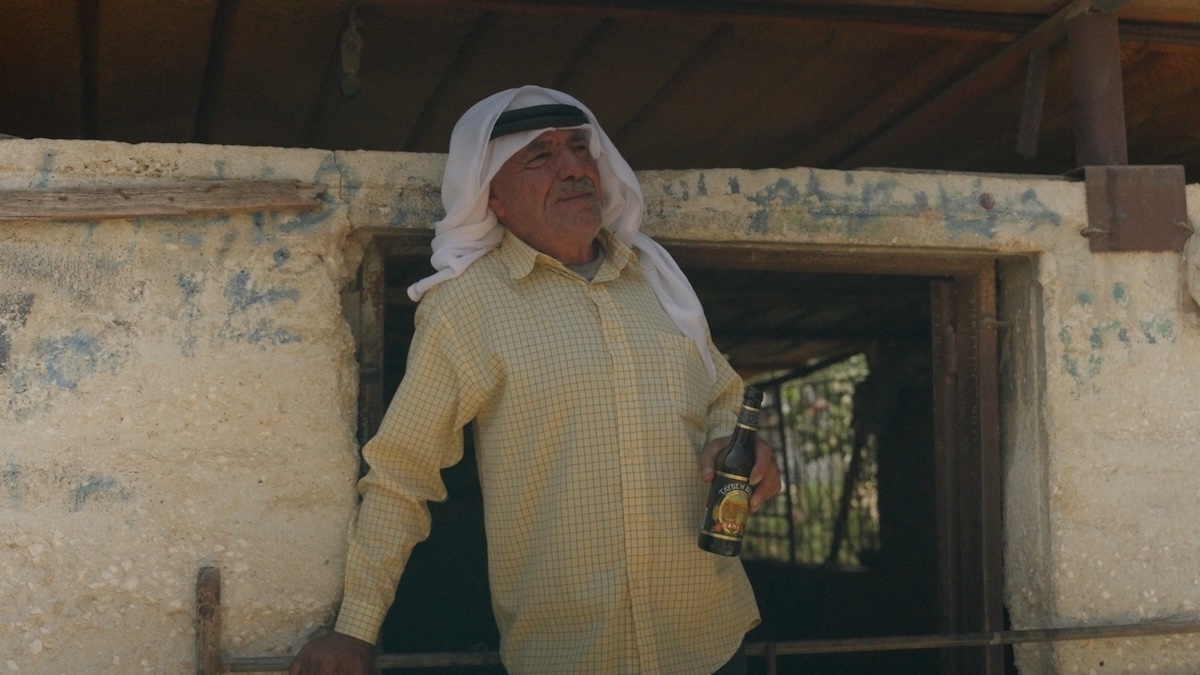
Taybeh Village, West Bank
Back home, movement is constrained, supply chains are fragile, and the future can feel uncertain. But the brewery keeps running.
“We are brewing in a state of complete uncertainty,” she says.
For now, that hasn’t stopped her from planning what comes next.
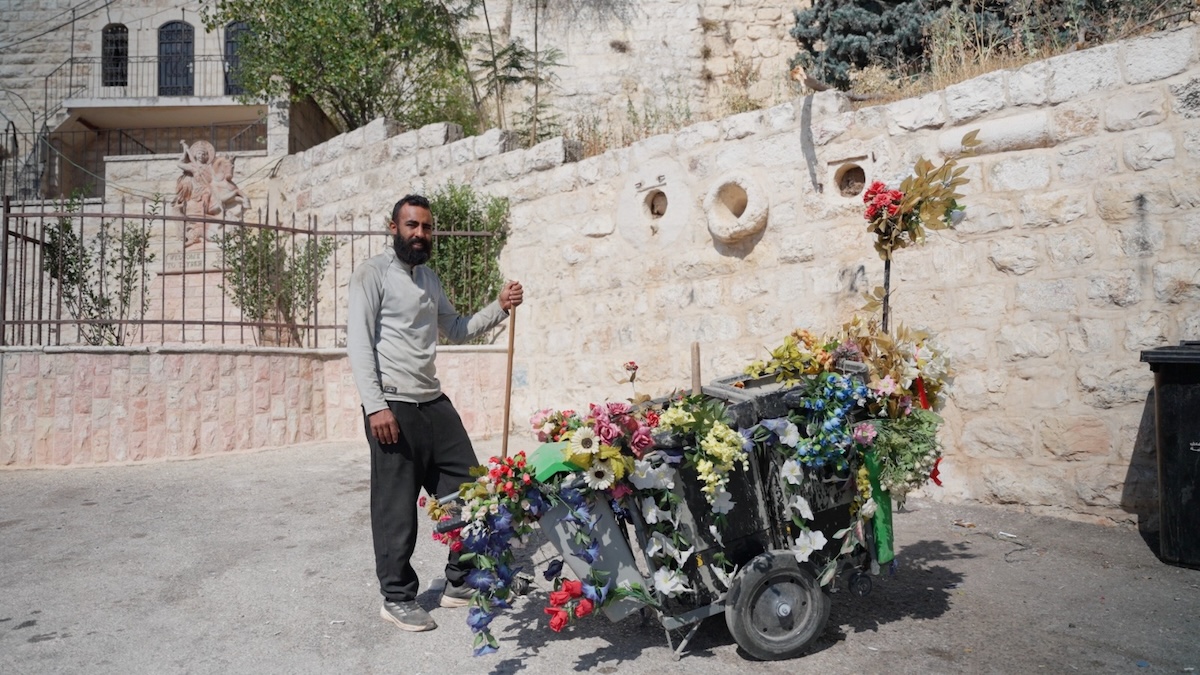
Taybeh Village, West Bank
Pictures courtesy of Taybeh and Brewgooder