

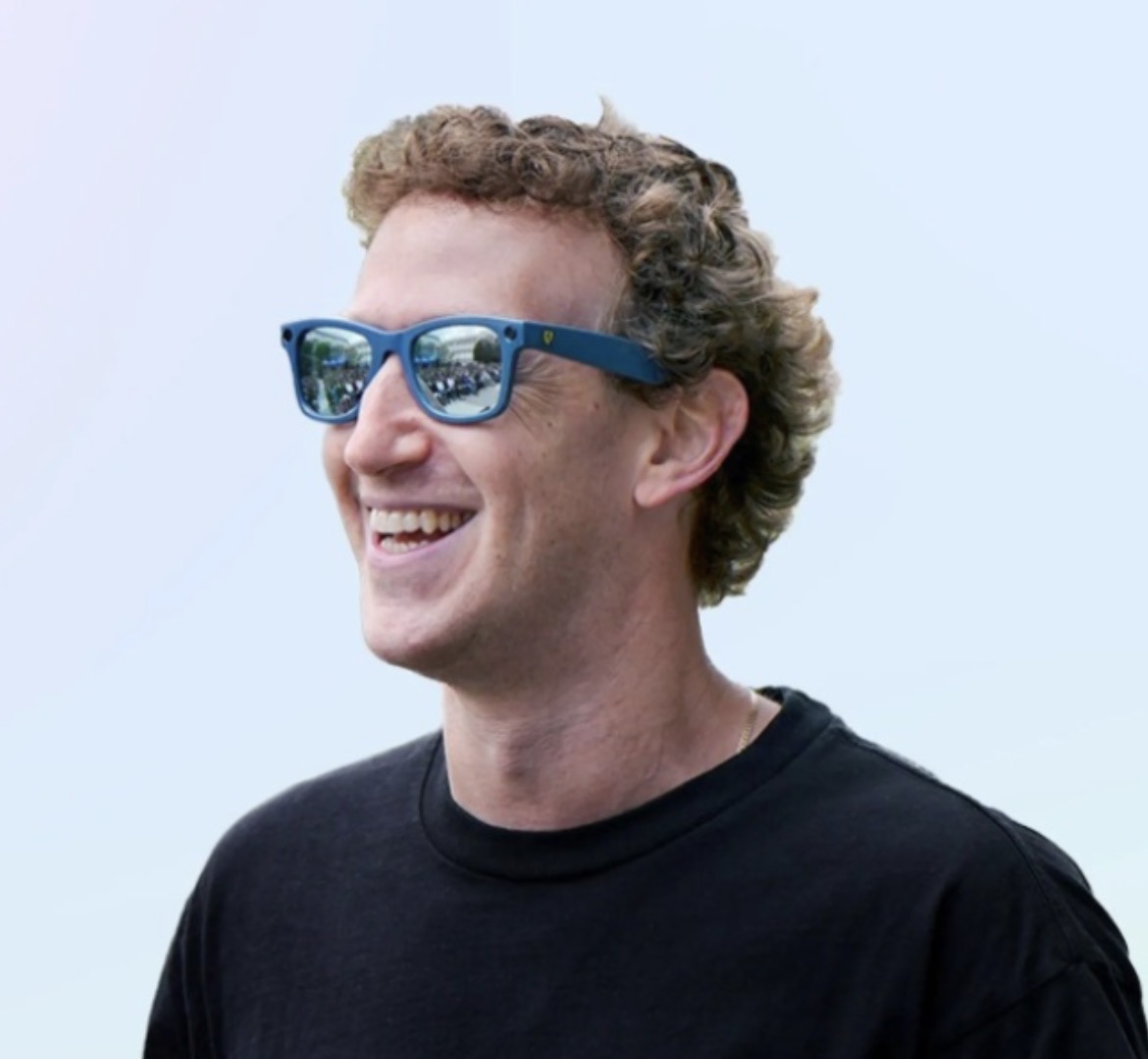
Weeks ago, stylist Gabriella Karefa-Johnson posted on Threads that she’d recently been recorded, while intoxicated at a bar, by a man wearing Meta glasses. Johnson’s case is not particularly news. From emerging lawsuits by women who claim their images were captured and used without consent, to reports of law enforcement using similar wearable technology in immigration enforcement contexts - including by U.S. ICE agents during raids - important questions concerning anonymity and consent around these devices are being raised. But apparently, not by the fashion industry.
Weeks ago, Kylie Jenner fronted a campaign for the Starfire Kylie Edition, Meta’s latest smart glasses, co-designed with the influencer herself. Tiny cameras, microphones, and sensors embedded in the frames capture the world around the wearer while AI chips process it in real time. Ask them a question, and they answer back: in Jenner’s own voice no less.
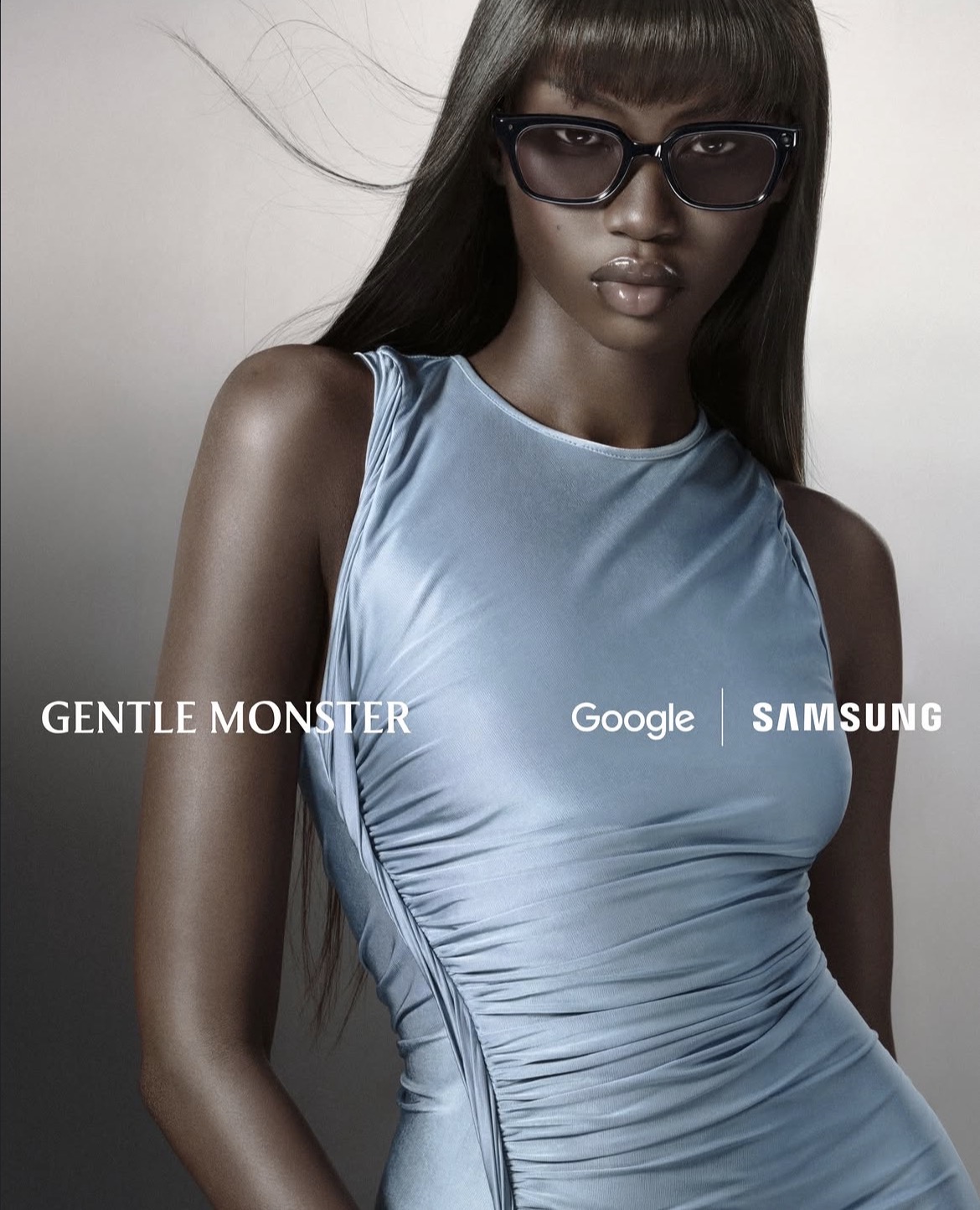
Meta isn’t alone. Gentle Monster recently revealed its latest design in its intelligent eyewear collection - built with Google Gemini and Samsung - in a campaign fronted by models Anok Yai and Alex Consani, proving that the trend has company.
Even on Instagram, British model, television presenter, and fashion designer Alexa Chung has taken to posting carousels shot from the security camera outside her London home — with netizens saying it glamorizes surveillance, proof that the paparazzi era of the 2000s where flashbulbs were pointed at public figures have normalized everyone watching everyone.
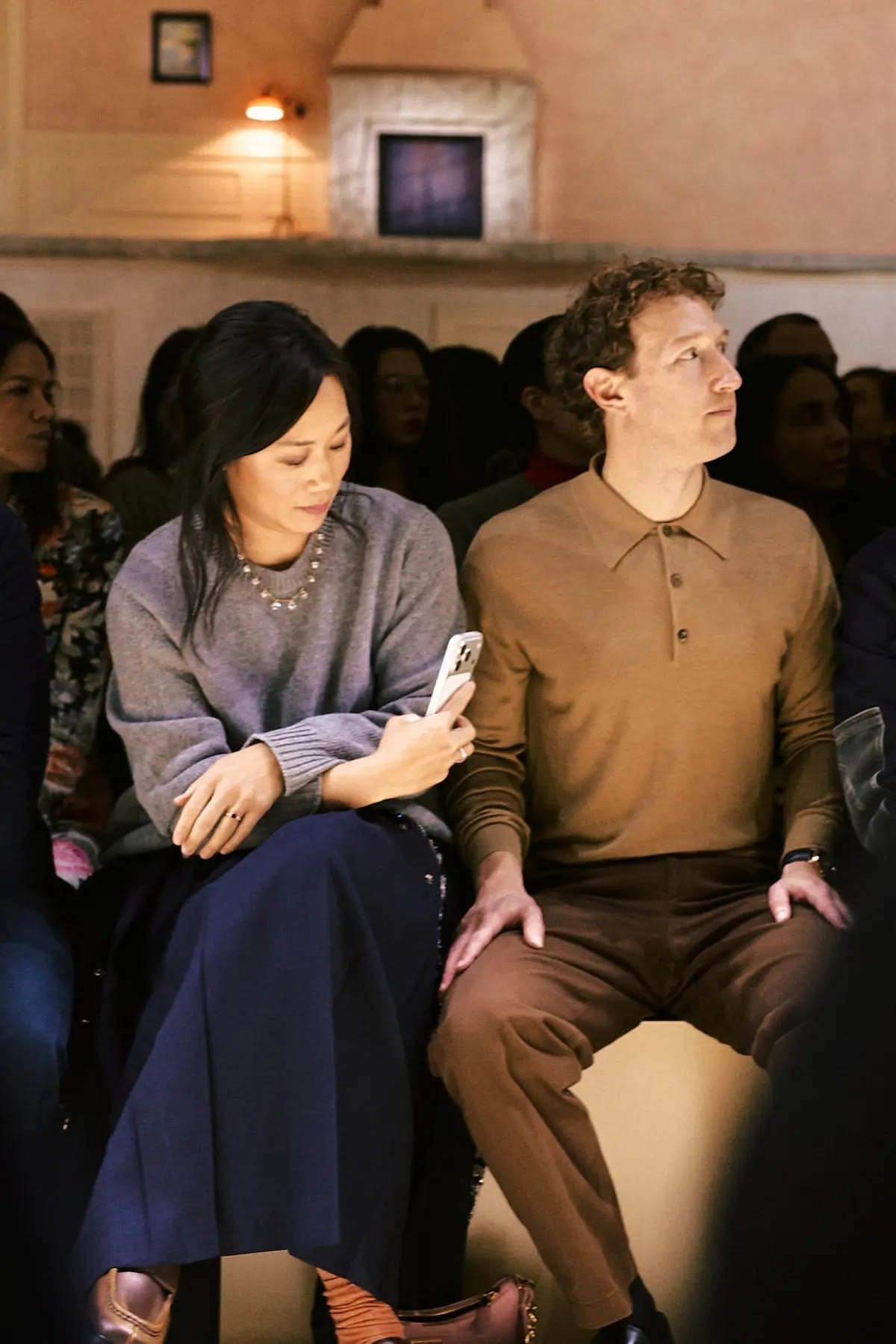
But it’s not just well-known figures in the fashion world who are paving the way for this. Months earlier, Meta CEO Mark Zuckerberg turned up in Prada’s front row with his wife, Priscilla Chan - a not-so-subtle preview of Meta’s reported deal with the fashion house to build a luxury version of its AI glasses. Fashion, it seems, is legitimizing tech wearables at every turn.
So the question rises: why is the industry embracing surveillance? And more importantly: what does it mean when devices built to turn everyday life into data get reframed as luxury accessories?
It seems that fashion is undergoing a recession period, one where not only trends like tradwife and quiet luxury feed into the many problematics of our world, but also one that watches an economic downfall. As fashion critic Hiral Arora puts it, the industry “can’t afford its own excesses,” consequently, relying on “tech to fund them.”
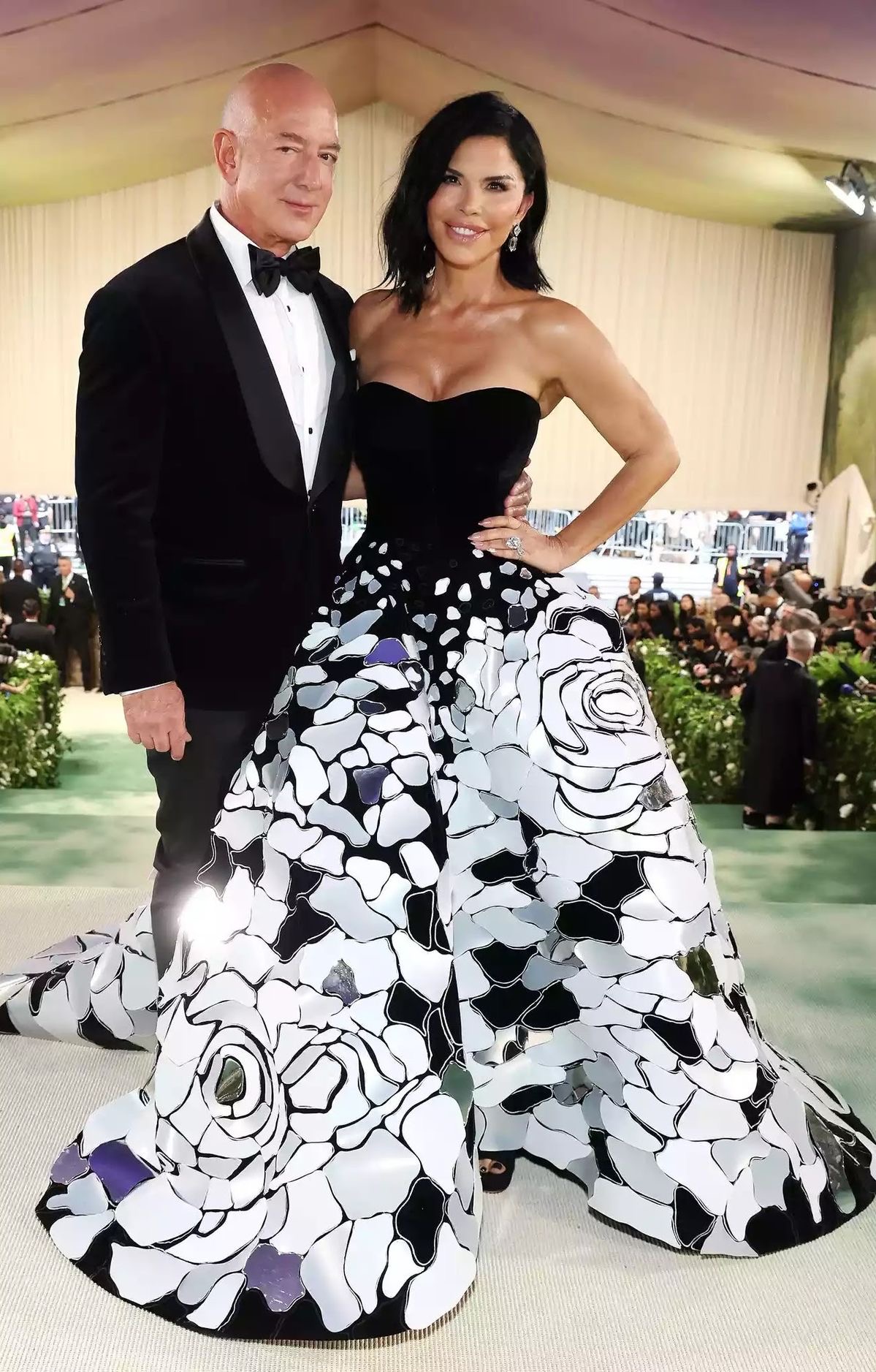
Cases like the Met Gala’s sponsorship by Amazon’s Jeff Bezos, and the ensuing rumors of a potential Vogue buyout - while Zuckerberg played the role of Prada’s newest boy - show just how far fashion is willing to bend over backwards for tech sponsorships. In an industry where money is power, technology is a powerful opportunity to increase profit. And so are AI-powered wearables. But this relationship is reciprocal: everyone wins something. If fashion gets to profit more from its already hungry teeth, technology gains something it could never conquer on its own: good taste, and culture capital.
As a fundamentally human skill that can’t be faked nor created by technology, taste is something big tech companies are achieving through the fashion industry - which for decades has been considered the ultimate arbiter of taste. According to Nina Dewi Toft Djanegara, an expert on facial recognition with a forthcoming book published by Stanford University Press, Google tried and failed miserably with its smart glasses attempt, Google Glass, ten years ago. The product was under heavy scrutiny at the time, and, as she told Everything Is Political, “it was also aesthetically uncool, looking more like sci-fi than high fashion” - and that factor means everything. The gadget itself hasn’t changed, but add a luxury name like Prada or Ray-Ban, a model like Consani and Yai, an influencer like Jenner, or a celebrity like Blackpink’s Jennie, and the result is entirely different.
The once-dystopian Big Brother device suddenly evolves into something desirable.
What fashion and influencers are doing here is nothing less than strategic marketing. Bringing in celebrities and labels like these is simply a way to reach Gen Z more effectively: their “icons” lend the stamp of approval, and the resulting sensation is that these products are essential to being cool. As Arora puts it, “American capitalism is running unchecked under Trump.” And smart glasses breaking into fashion is just another result of that.
The implications of this pervasive exchange between fashion and technology are high, and they’re already being felt: the glamorization of being watched as if we were living in an Orwellian world; the normalization of recording everything around you, even when the people around you have no idea it’s happening (and therefore never gave their consent); data ownership; identity tracking; and the loss of the right to anonymity.
As Djanegara explains, it’s difficult for people to tell whether they’re simply being recorded or if that data is being sent to the cloud for processing, since this depends on how the particular wearer is using the glasses. “A user could just be recording and storing that footage locally on their own device,” the professional says. “But if they’re using any of the AI features like live translation or object detection, however, that gets transmitted back to Meta or Google for processing.”
While Meta glasses do not perform facial recognition yet, per Djanegara, they do have the technical capability to do so, along with the intent to make this feature go live in the near future. In fact, in the last few months, an investigation by WIRED revealed that code for facial recognition was already embedded in the Meta AI app - though the company deleted it after the story broke out - and The New York Times gained access to an internal memo detailing Meta’s plans to covertly roll out facial recognition.
According Djanegara, human reviewers who process data to improve Meta’s services have revealed seeing intimate footage - such as people using the bathroom or having sex, “things that most people wouldn’t have recorded if they realized that people would be watching.”
In practice, this holds up: the Brazilian newspaper G1 reported early this month that a gynecologist was arrested for wearing a pair of smart glasses while treating patients, with authorities suspecting “the doctor has been using the glasses with AI features since April.”
If the erosion of consent and heavy intrusion are already happening without facial recognition even being active, the privacy harms are boundless once the feature does arrive, according to Djanegara - ranging from the identification of protesters and undocumented immigrants, to stalking and domestic violence. “We’ve seen how law enforcement and people in positions of authority have abused this technology, so we can forecast what will happen if the capability becomes more available to the general public,” she adds, referring to cases like those involving ICE agents and doctors.
Who gets to choose anonymity, then?
The term “luxury surveillance” was coined by Chris Gilliard and David Golumbia in 2021 at Real Life Magazine. It describes how people with privilege have the freedom to adopt products like smart glasses, fitness trackers, and Ring cameras, treating them as lifestyle products that make their lives more convenient and safe - while, in doing so, actually normalizing surveillance technology and complicating other people’s lives along the way.
Arora hopes to see a public figure taking a stand, making AI glasses uncool, such as Paris Hilton. “I believe she would make a good face for it because of her hilarious anti-paparazzi outfits when she was targeted in the 2000s,” the fashion critic explains.
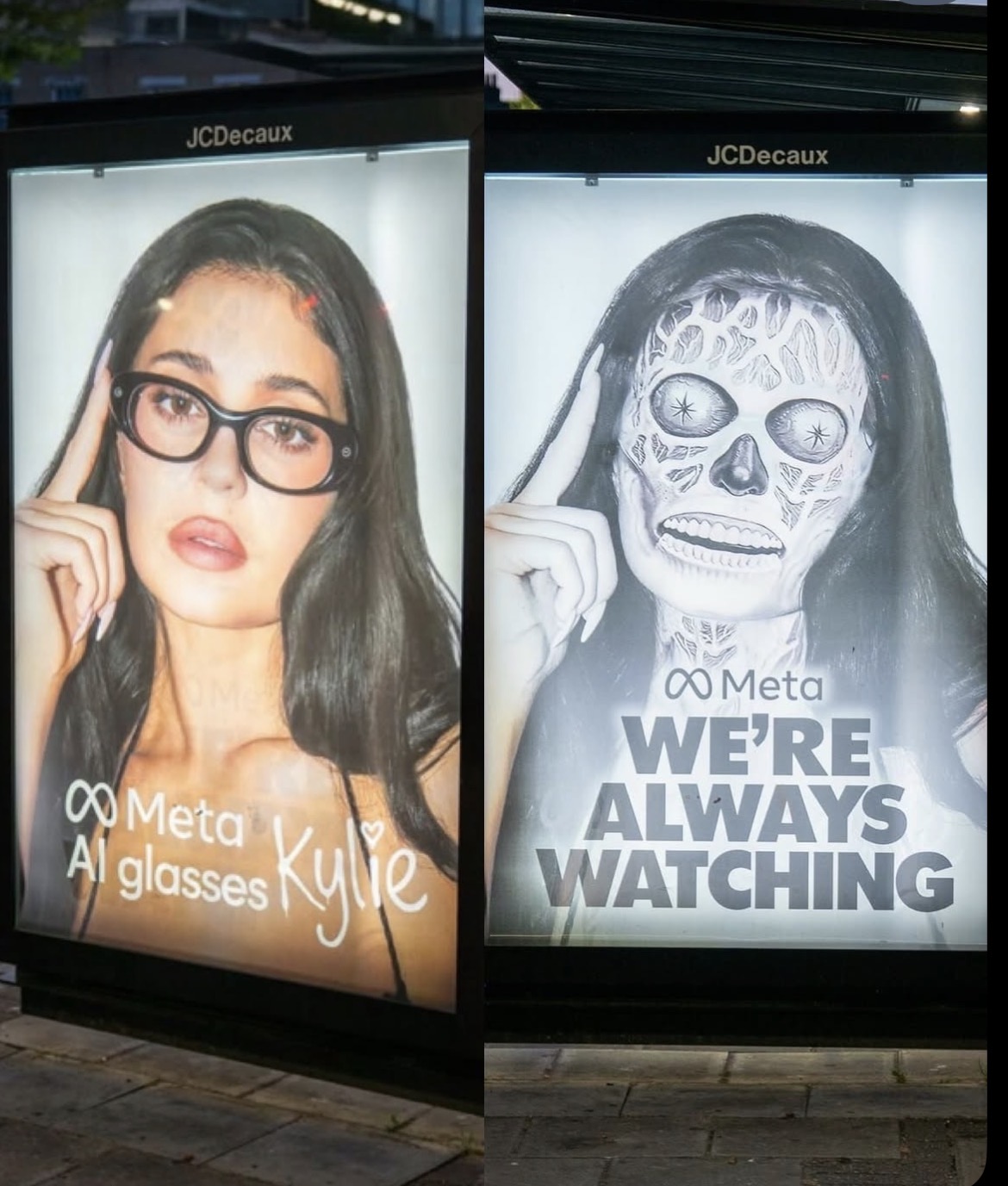
Maybe Hilton doesn’t have to - AI-glasses are already a punchline. At least across most of the internet, and the world as well. An ad featuring Jenner modeling her pair of Meta glasses was altered by activists @everybodyhateselon in London: a lenticular print that, depending on the viewer’s angle, reveals a skull beneath her face reading “we’re always watching.” Indeed, they are.
While the law has yet to catch up with AI, consumer scrutiny has proven to be a powerful resistance. “If we call them pervert glasses, as people are already doing, it would deter casual use of the glasses,” Arora says, “but no one can stop the creeps.” Anti-surveillance clothing is already a thing: publications like Vogue, The Guardian, and Euronews have been covering the phenomenon of clothes that dodge the cameras, such as M.I.A’s Ohmni, Cap_able, and Urban Privacy.
Widely embraced by celebrities - Hilton chief among them - anti-surveillance fashion labels show themselves as powerful protectors. Still, as Djanegara puts it, just because the social norms around smart glasses haven’t been solidified yet doesn’t mean that a society has to passively accept them and hide under “shields.”
“Calling it surveillance fashion is a great way to redirect attention to what these products are really doing,” Djanegara echoes Arora’s view, adding that the majority of people who will buy it don’t even know its issues - but were influenced by labels and celebrities to believe they’re “cool.”
Whether telling the wearer that you don’t want your face recorded, explaining why you think it’s problematic to be wearing this eyewear in the first place, or just naming surveillance glasses, the expert urges people to not “underestimate the power of social pressure.”
"The public was successful in pushing back against the rollout of Google Glass a decade ago, there’s no reason why it can’t happen again,” Djanegara concludes.