

At the 2026 Met Gala, amid the intense controversy surrounding Jeff Bezos’s $10 million sponsorship of fashion’s biggest night, another phenomenon was unfolding on the red carpet: the unmistakable presence of fast fashion.
On the surface, nothing seemed out of place. But a closer look told a different story. Beneath a cascade of prosthetics and gray hair, Bad Bunny arrived in a custom Zara tuxedo; Kendall Jenner ascended the stairs in a Grecian-silhouette gown created under GapStudio by Zac Posen; Jimmy Butler made his Met debut head-to-toe in custom Alo; and then there was Stevie Nicks, who for her own debut at the event chose a custom Zara ballgown designed by John Galliano himself.
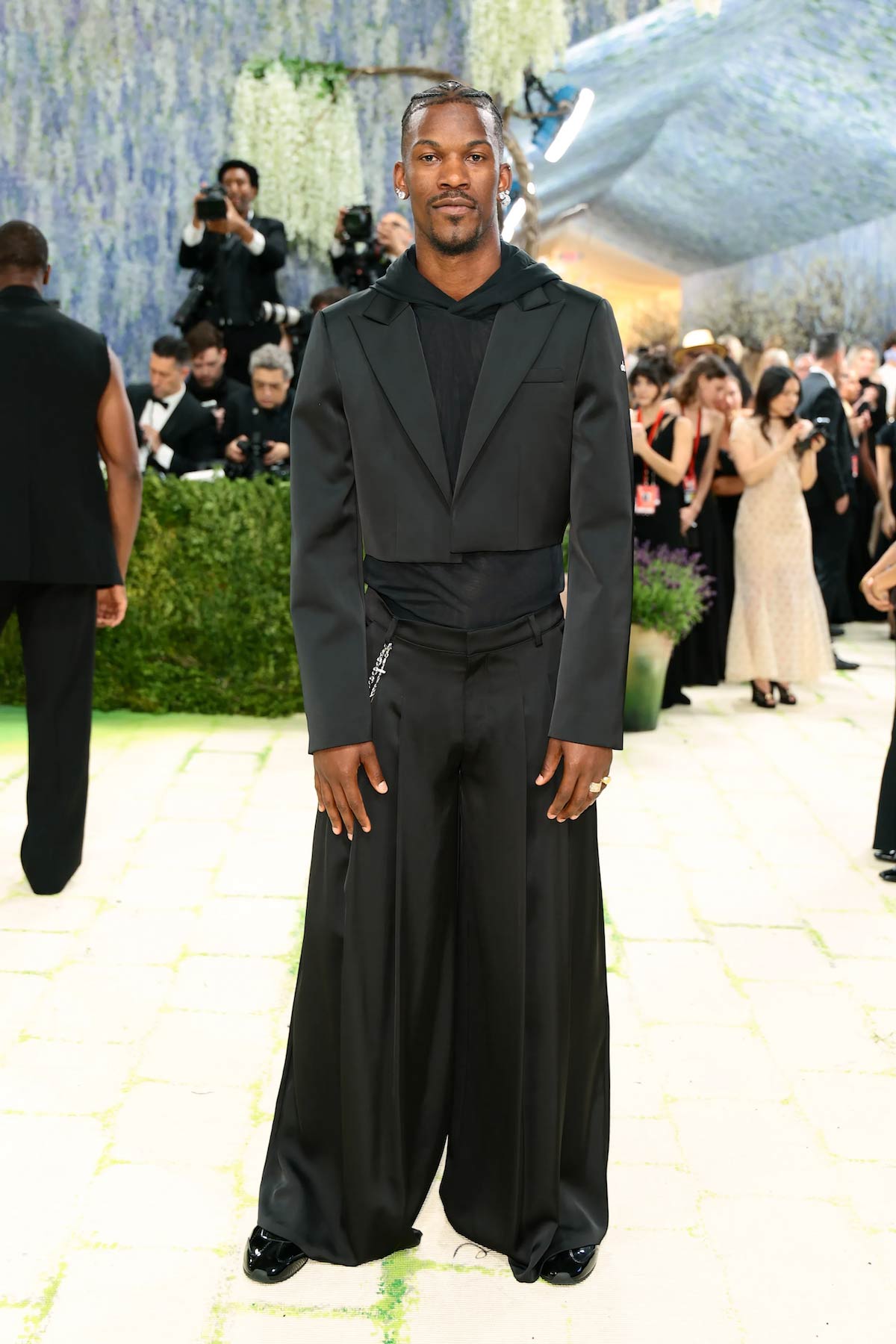
Taken individually, each look might pass as coincidence — an eccentric choice, an audacious experiment, or perhaps a cruel twist of fate that on the most glamorous and exclusive night of the year, these outfits would pop on the Met’s iconic staircase.
However, they all concealed something deeper: the gradual rise and growing legitimacy of fast fashion at the world’s most prestigious fashion spaces.
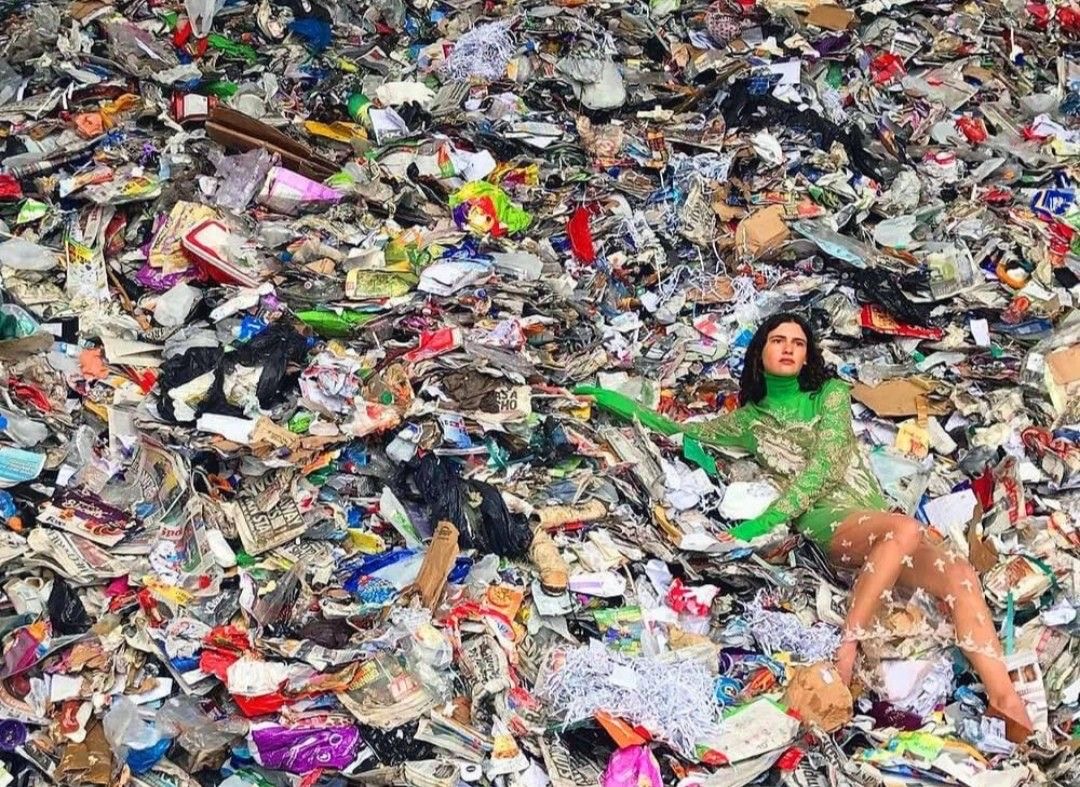
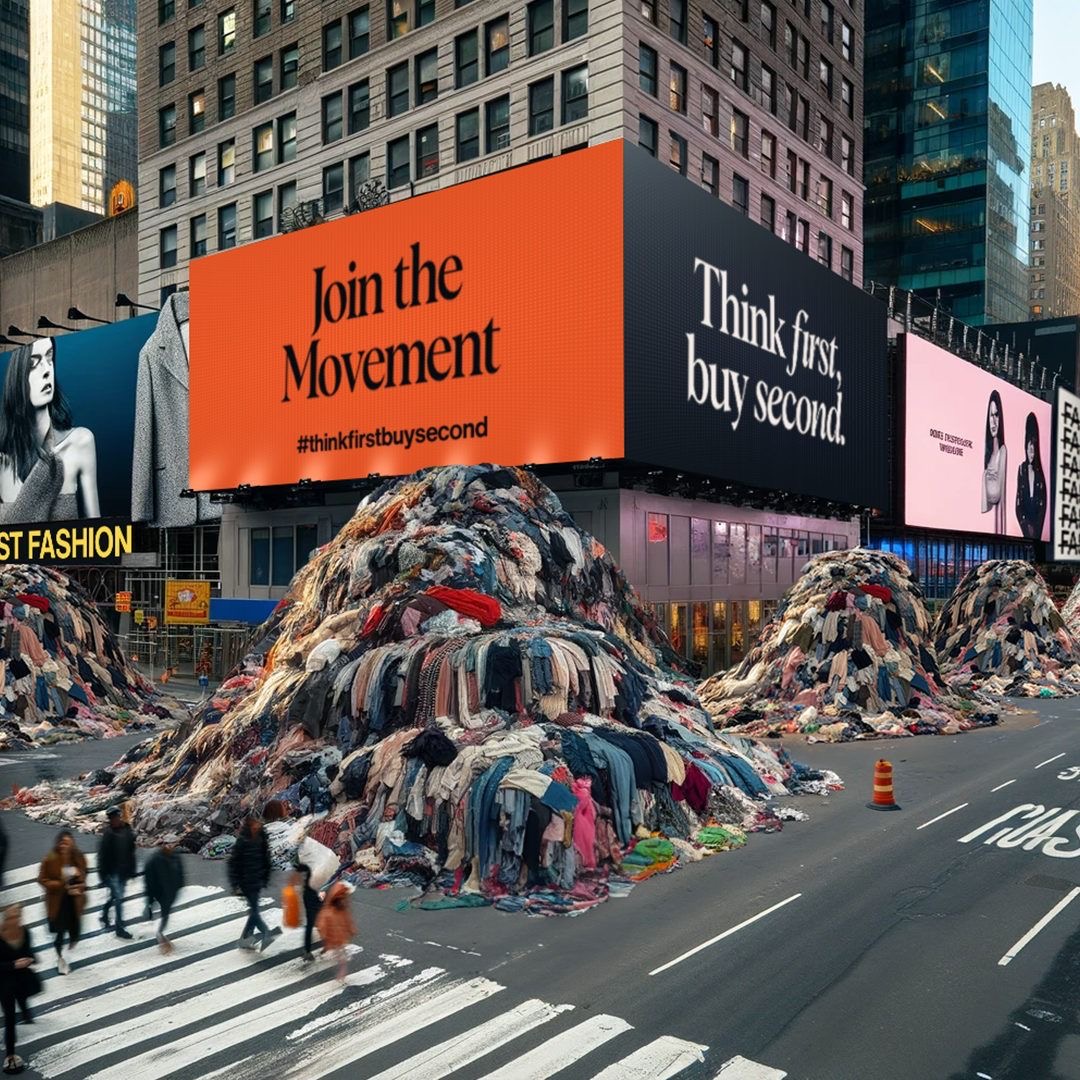
Fast fashion is no longer the exception these days. According to Fortune Business Insights, the industry was valued at over $160 billion in 2025 and is projected to reach $388.56 billion by 2034. The environmental cost is equally staggering. Responsible for 10% of global carbon emissions — more than all international flights and maritime shipping combined — its footprint is predicted to grow by 50% by 2030, according to Earth.org. Meanwhile, UNEP estimates the sector already generates 92 million tonnes of textile waste annually, a figure projected to rise to 134 million tonnes by the end of the decade.
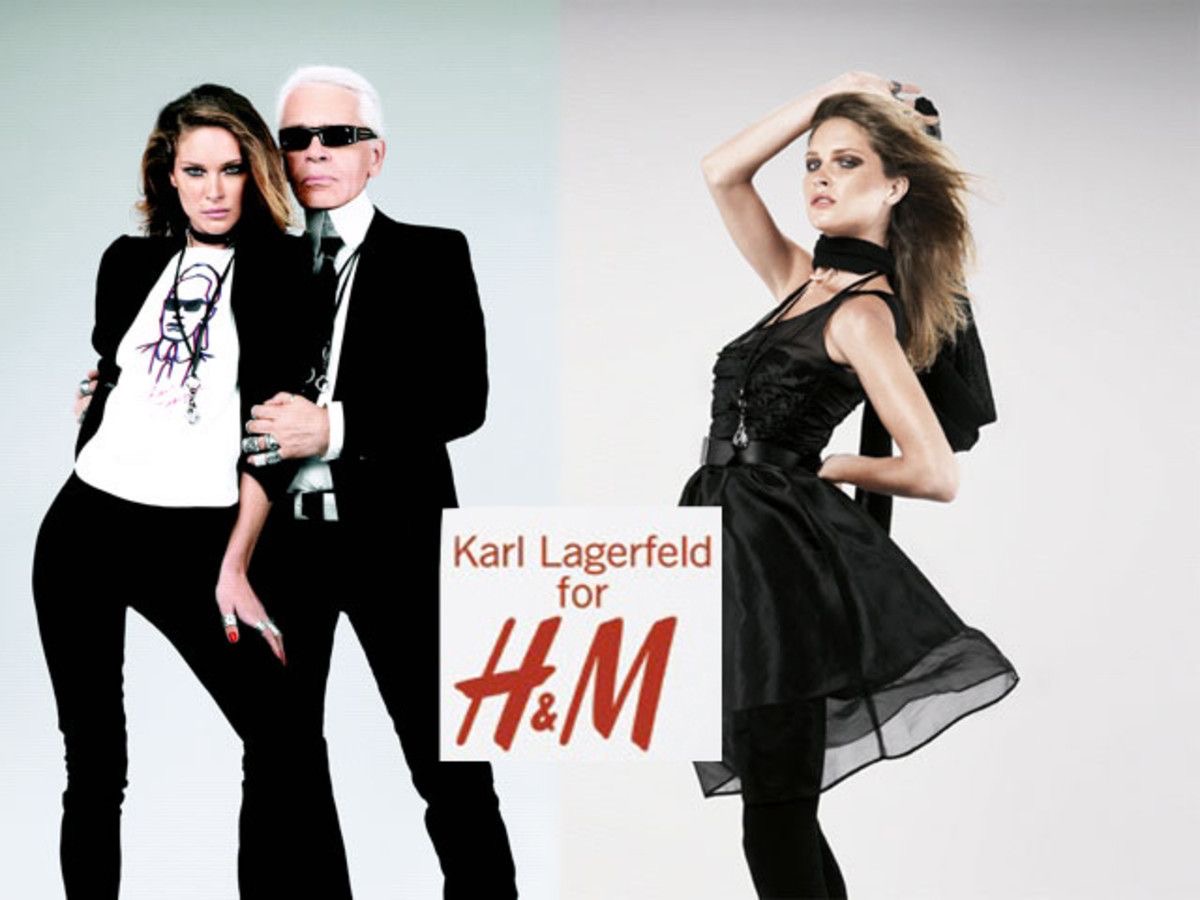
Although high fashion has always tried to distance itself from fast fashion, making both feel like almost opposing worlds, the lines between the two have been blurring for decades. The precedent was set in 2004, when Karl Lagerfeld collaborated with H&M on a mass-market collection that, according to WWD, finally broke down barriers between luxury and mass. Since then, the Swedish multinational has been leading the race, collecting names like Viktor & Rolf, Roberto Cavalli, Comme de Garçons, Maison Margiela, Versace, Balmain, and Rabanne. It hasn’t been alone. GAP has flirted with Valentino, Yeezy, and Zac Posen; Zara with Narciso Rodriguez, Kate Moss, Harry Lambert, and now John Galliano.
Now, the list grows longer every year. And behind every collaboration announcement, the same question lingers: why?
While designers may argue they are simply making high fashion more accessible, for Orsola de Castro, fashion designer, author and co-founder of Fashion Revolution, the reason behind it is far less noble.
“The reality is that the entire industry is gasping for fresh air,’’ she states. ‘‘The monster that they have created is waning.”
The luxury sector is in an appalling state. Most fashion conglomerates are expanding into homeware, design, travel, hotels — lifestyle territories that have little to do with fashion itself. Meanwhile, prices have climbed to what de Castro describes as levels “beyond the realm of any kind of sanity,” while quality drastically collapses. A polyester dress from Balenciaga retails for over £2,000; a viscose skirt from Prada for over £1,000; a Chanel Classic Flap bag for nearly £9,000.
All these are being noticed by consumers, designers and critics, who in exchange opt to go towards the vintage route instead. “What we are seeing at the moment is a kind of merger in the middle whereby luxury is even less quality-wise than premium and fast fashion,” de Castro notes.
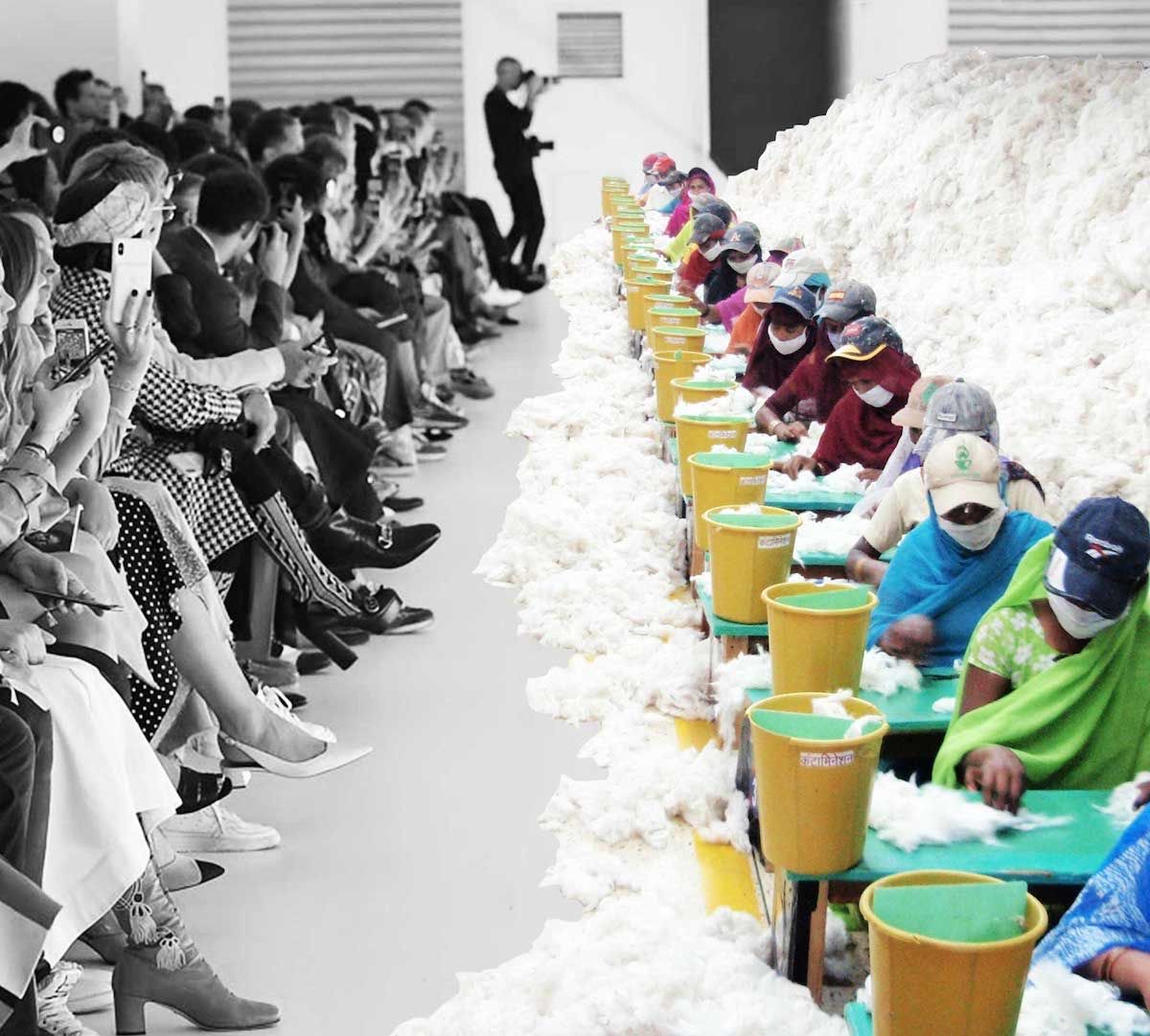
In reality, the luxury sector has never been as distant from the mass market as it claimed. It has long borrowed from its supply chain logic — always, as de Castro puts it, trying to “produce cheaper.” Whether that means compromising on materials, outsourcing production to low-wage workers in India, as investigations into labels like Dior and Saint Laurent have revealed, or more recently allegedly subcontracting to underpaid workers on the outskirts of Milan, as in the case of Armani and Dior.
While collaborations between luxury and mass-market brands are nothing new, de Castro feels the pace and depth at which they are happening now is.” We’re beginning to see a different type of infiltration,” the designer says. “The collaborations like Stella McCartney and H&M and Gap and Victoria Beckham have been going on for ages. But it’s the proper infiltration, such as Galliano designing for Zara for a minimum of two years, that is making the difference.”
As widely reported, Galliano’s role at Zara is to “re-author the brand’s archives and create seasonal collections over the next two years.” De Castro’s view, however, is more straightforward: he is ultimately “repurposing stock.”
While this longer partnership differs from the one-off capsule collections of recent years and loosely gestures toward the idea of “recycling ideas” and delving into extended relationships, its fast fashion reality remains unchanged. “At the end of the day, this is not a reinvention,” de Castro declares.
“This is just another moment, as there have been several, where fashion is trying to sell more.”
The current state of the industry has left de Castro less hopeful than when she co-founded Fashion Revolution over a decade ago. “There’s an article upon article that has come up in the last six months saying how the algorithm has abandoned sustainable fashion and how there’s no longer any funding for it,” she recalls. “The majority of the practitioners of sustainable fashion are now either helping brands to greenwash or picking up other jobs.”
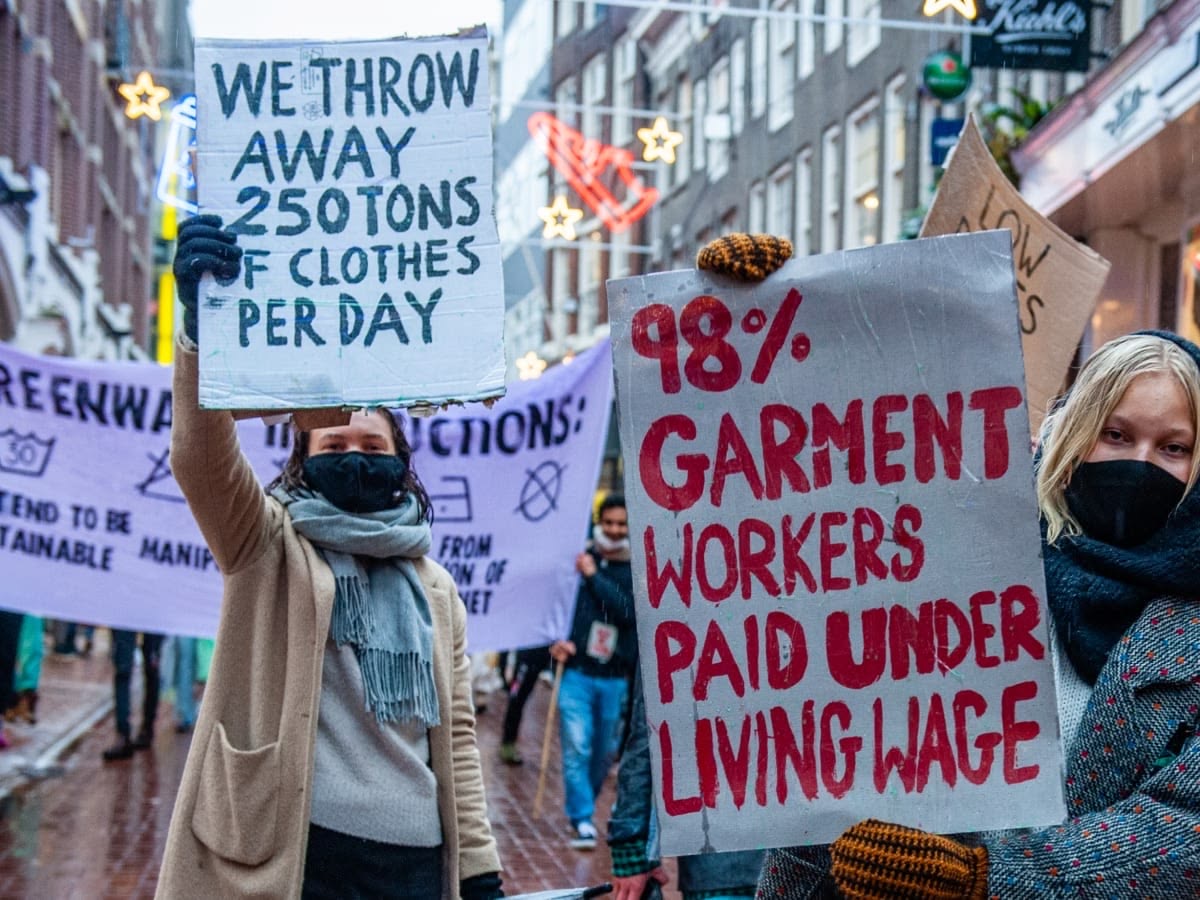
The numbers bear that out. In 2024, the sustainable fashion industry experienced what Business of Fashion dubbed a “slow fashion recession,” with sustainable brands like Mara Hoffman, ARQ, Selva Negra, HAH, Elena Bridgers and Sotela all closing their doors within months of each other. From the consumer side, things are equally disappointing and perhaps inevitable. “With decades of greenwashing, the consumer is now completely fed up with the whole conversation,” de Castro tells Everything Is Political. According to a 2022 BCG global study of 19,000 consumers, while up to 80% said they are concerned about sustainability, only 1 to 7% actually pay a premium for it.
“The reality is that I believe impunity is contagious right now with the type of leaders we have at the top, from a political perspective. It is impossible to imagine that the captain of this industry would be in any way, shape or form, considering any kind of sustainability,” states de Castro.
Sustainability, it seems, was never meant to last, at least not the way the industry sold it.’‘The minute that the mainstream pretended to be interested, they made it into a trend. The minute they made it into a trend, they knew the trend would also die,’’ the designer and upcycler laments.
And while awareness has grown, de Castro feels it has not been enough — the industry remains, in her words, “still far from protecting the well-being and the salary of our supply chain workers.”
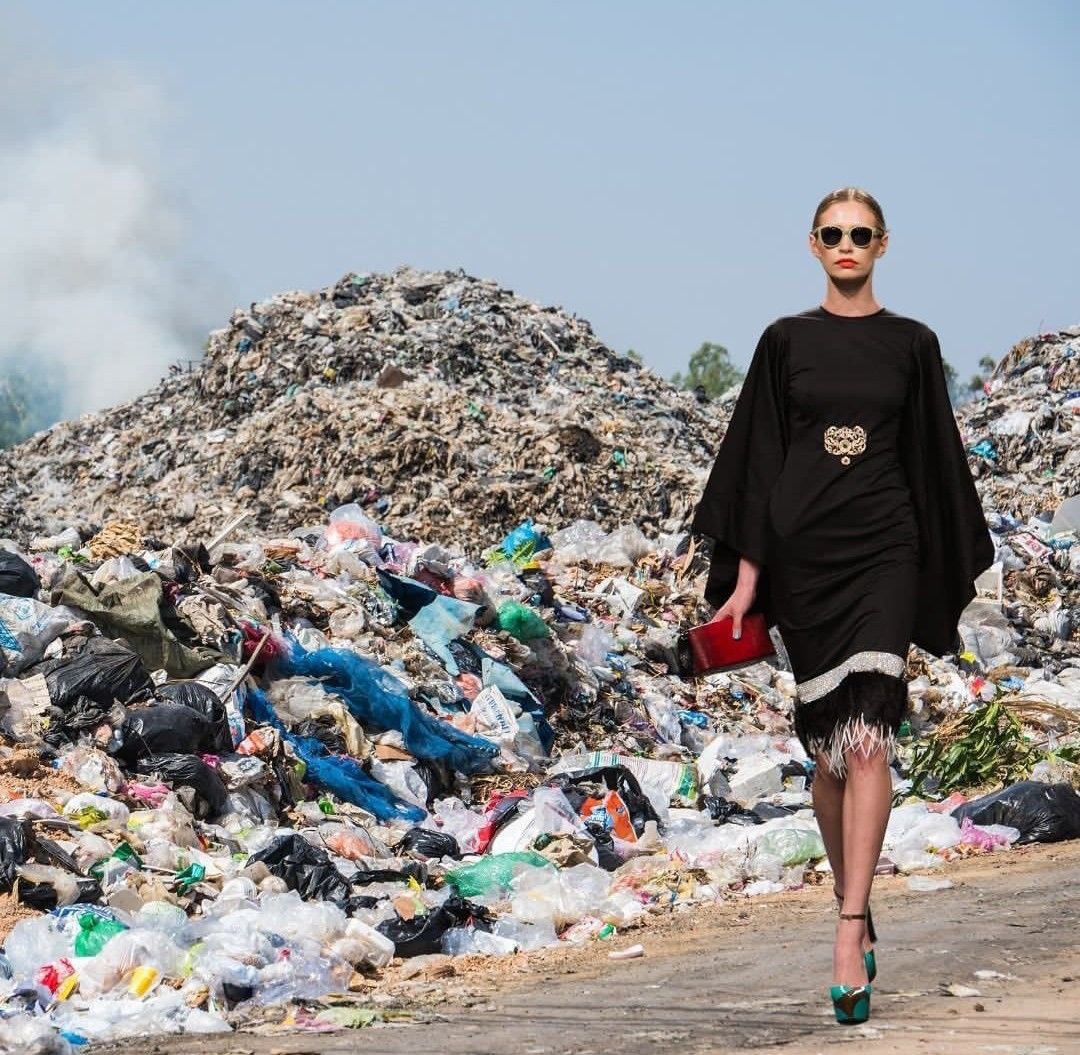
The reflections and concerns de Castro mentions are not new, but they remain hidden. ‘‘It has always been an invisible industry that doesn’t need to hide itself because it’s invisible enough,’’ the professional concludes.