

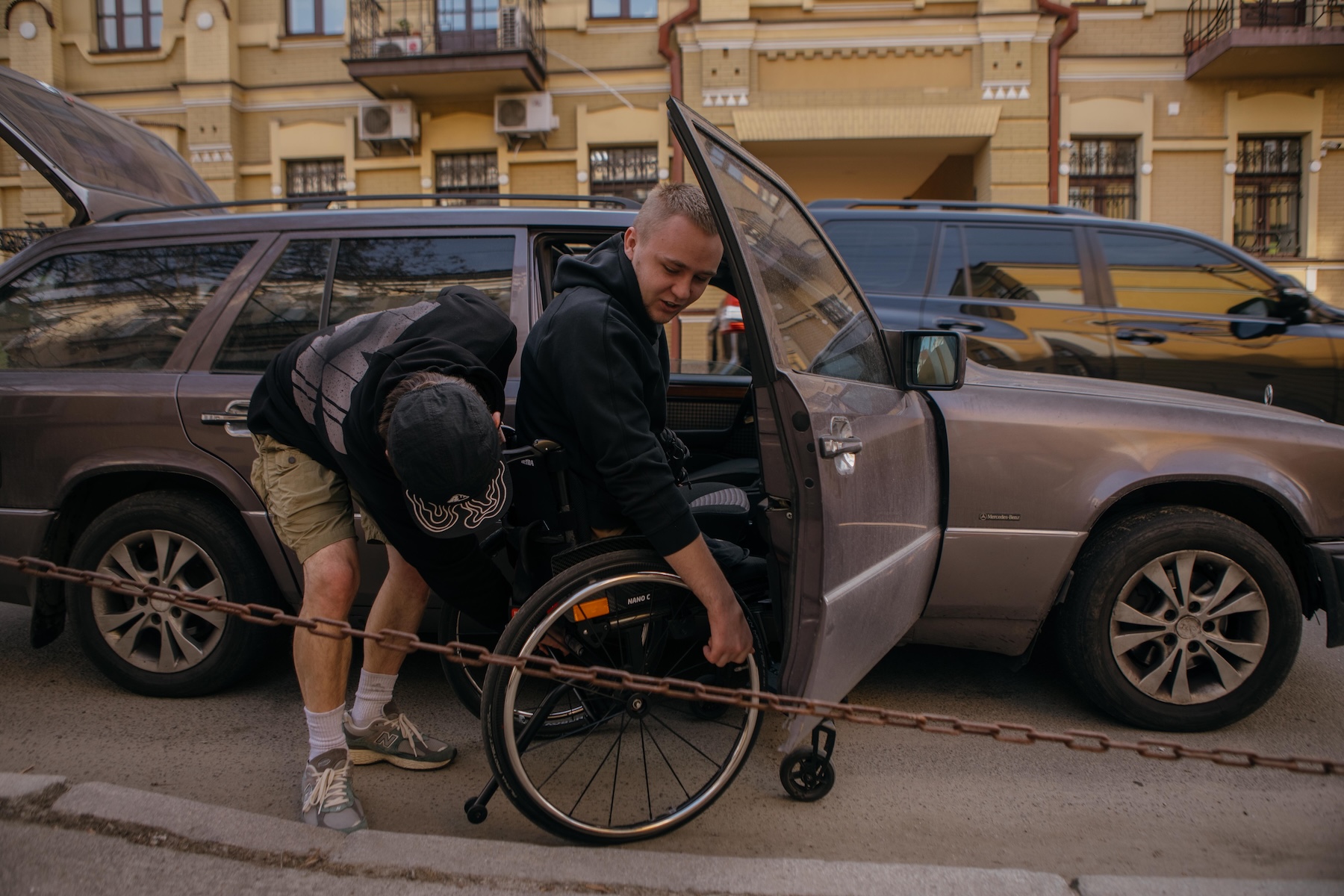
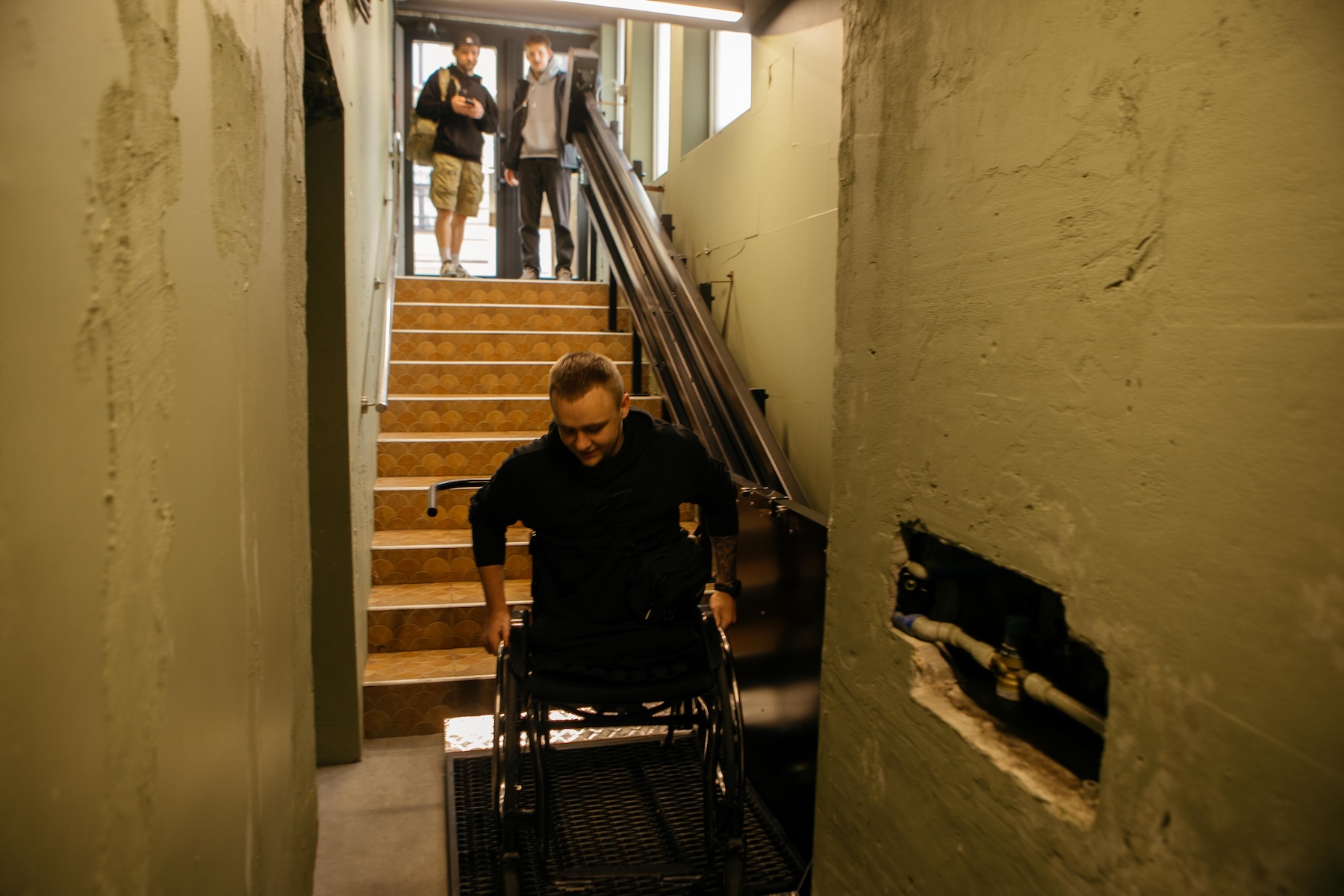
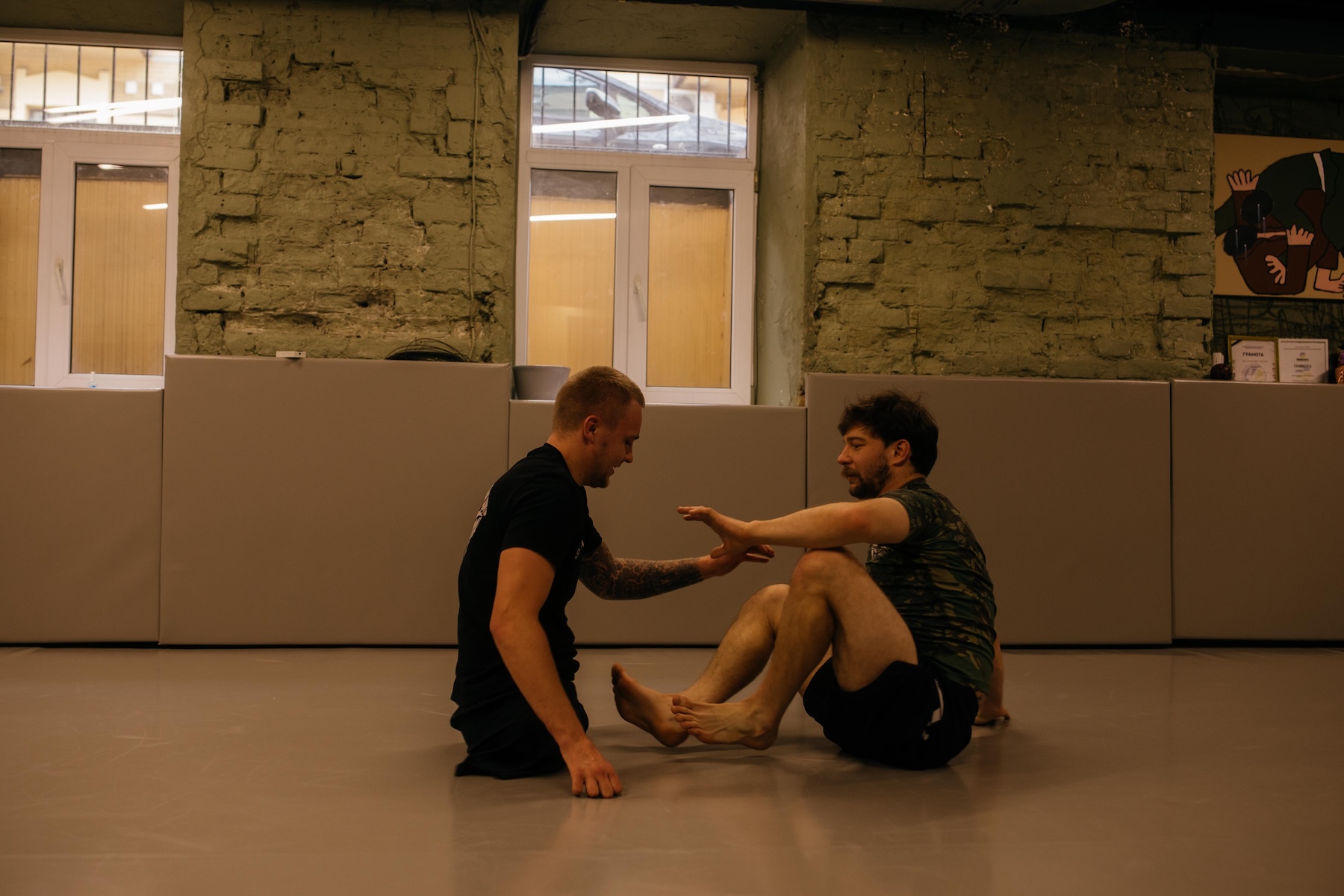
On a spring afternoon in Kyiv’s Podil neighborhood, black belt Brazilian jiu jitsu (BJJ) artist Vladislav Shuhai parked a battered Mercedes Benz on the street and helped wheel out Illia Misyura, a 22-year old paraplegic veteran. An elderly passerby offered to help, but Vlad politely declined, manoeuvring him deftly to the stairlift descending to a basement gym - home to the training gym of Kult.
This past March, Shuhai teamed up with fellow martial artists Volodymyr Senok and Andriy Ishchuk to establish Kult, a BJJ club that helps Ukrainian soldiers and veterans cope with life-altering injuries and trauma. They work in collaboration with ‘Angels of the Tryika,’ a patronage service of the Third Army Corps of the Armed Forces of Ukraine. Kult was born out of the belief that jiu-jitsu is not only a powerful tool to not only bring people together, but can also help veterans stay strong and recover from both mental trauma and physical injuries.
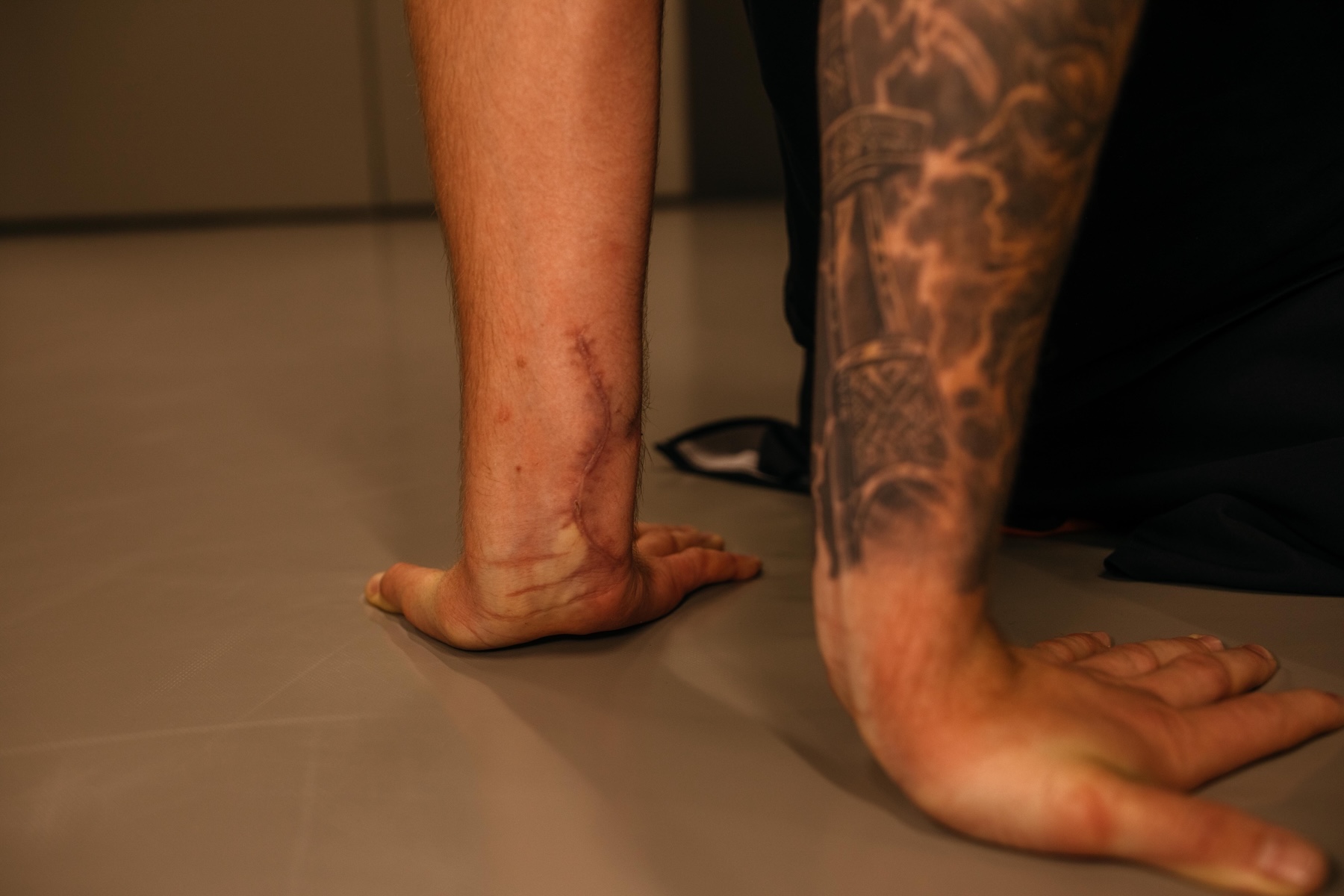
At age 19, Misyura was in college studying to be a car mechanic. With Russia’s full-scale invasion of Ukraine in February 2022, Misyura and a friend made a pact to join the military to defend their country. He ended up in the infantry, positioned across the eastern frontlines in Donetsk and Kharkiv. Late last year, he and his comrades were entering their positions through a small, forested road at night in Kharkiv. A drone - now the hallmark of the war in Ukraine - tracked his unit down, dropping several kilograms of ammunition on them. His legs and right wrist were shattered with the impact. Misyura began bleeding profusely.
“The moment this happened, I knew we were in a bad situation,” he recalls. “Another guy was injured, but not as seriously as me.” As his comrades were attempting to pull Misyura to the relative safety of the trenches, another drone attacked - known as a double-tap strike - injuring more soldiers. He had tourniquets on for 6 hours; circling drones kept complicating his evacuation and eventually hitting the military ambulance as well. All in all, three in his unit were injured and one was killed that night.
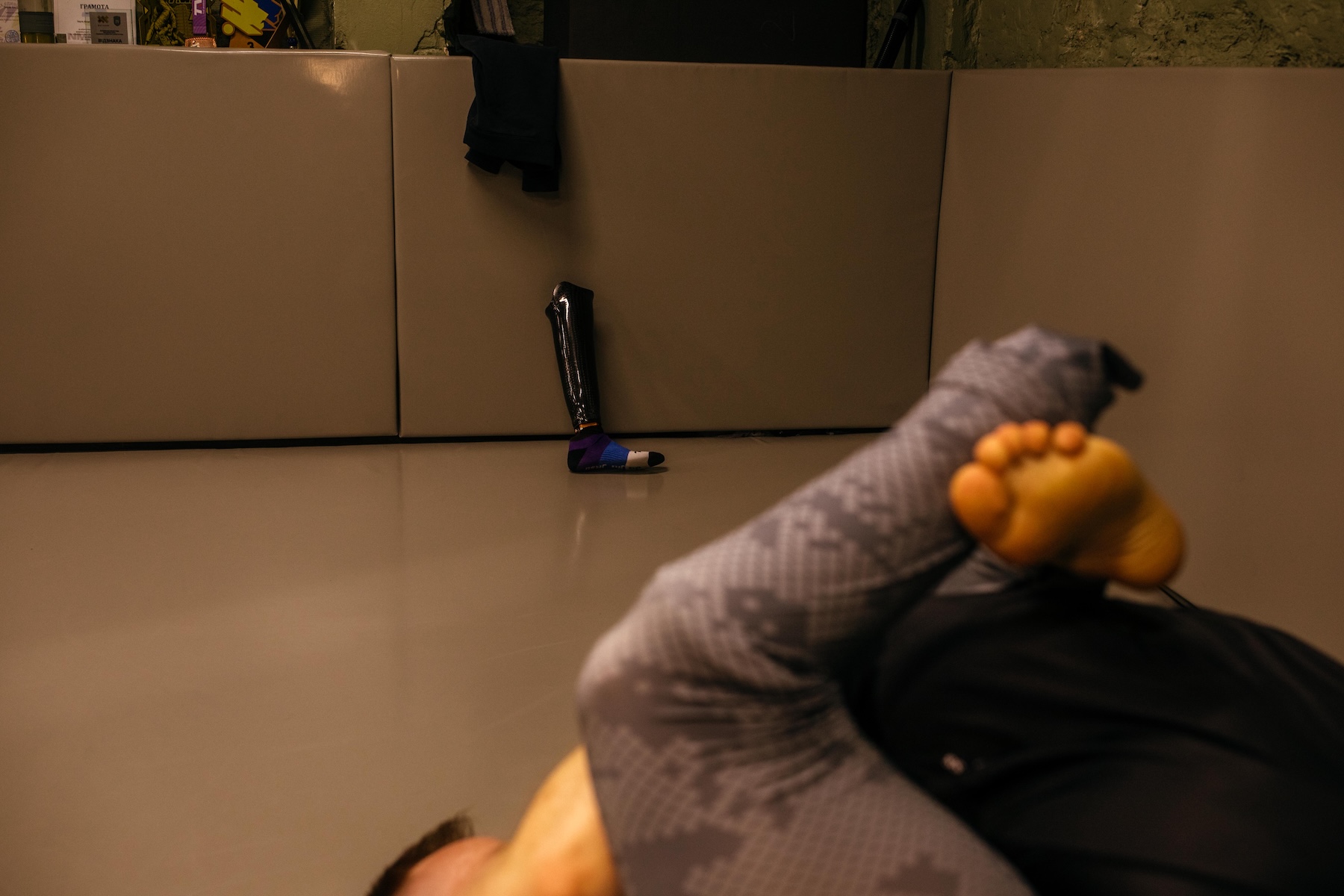
Misyura was shuttled to a stabilization point in Izyum, a once-peaceful, wooded city that the war transformed into a strategic hub, given its link between the eastern Kharkiv and Donetsk Oblasts. He was operated on in Kharkiv, where surgeons amputated both legs at the hip, then eventually flown to Minneapolis in the United States for requisite, intensive rehabilitation. During his first month of recovery, he could not even turn on his side.
“The hardest part about all this,” Misyura tells me as we sit on the mats lining Kult’s training room, “Was telling my mother what had happened.”
According to the Center for Strategic and International Studies, there were an estimated 500-600,000 casualties on the Ukrainian side - including killed, wounded, and missing - as of January 2026. “Injuries are difficult to track,” says Olha Polishchuk, the Eastern Europe Research Manager of Armed Conflict Location and Event Data (ACLED), a leading global violence monitoring organisation. “Official Ukrainian sources do not report it - it’s also not consistently mentioned by local or social media that posts obituaries. Russian sources exaggerate all Ukrainian casualties.”
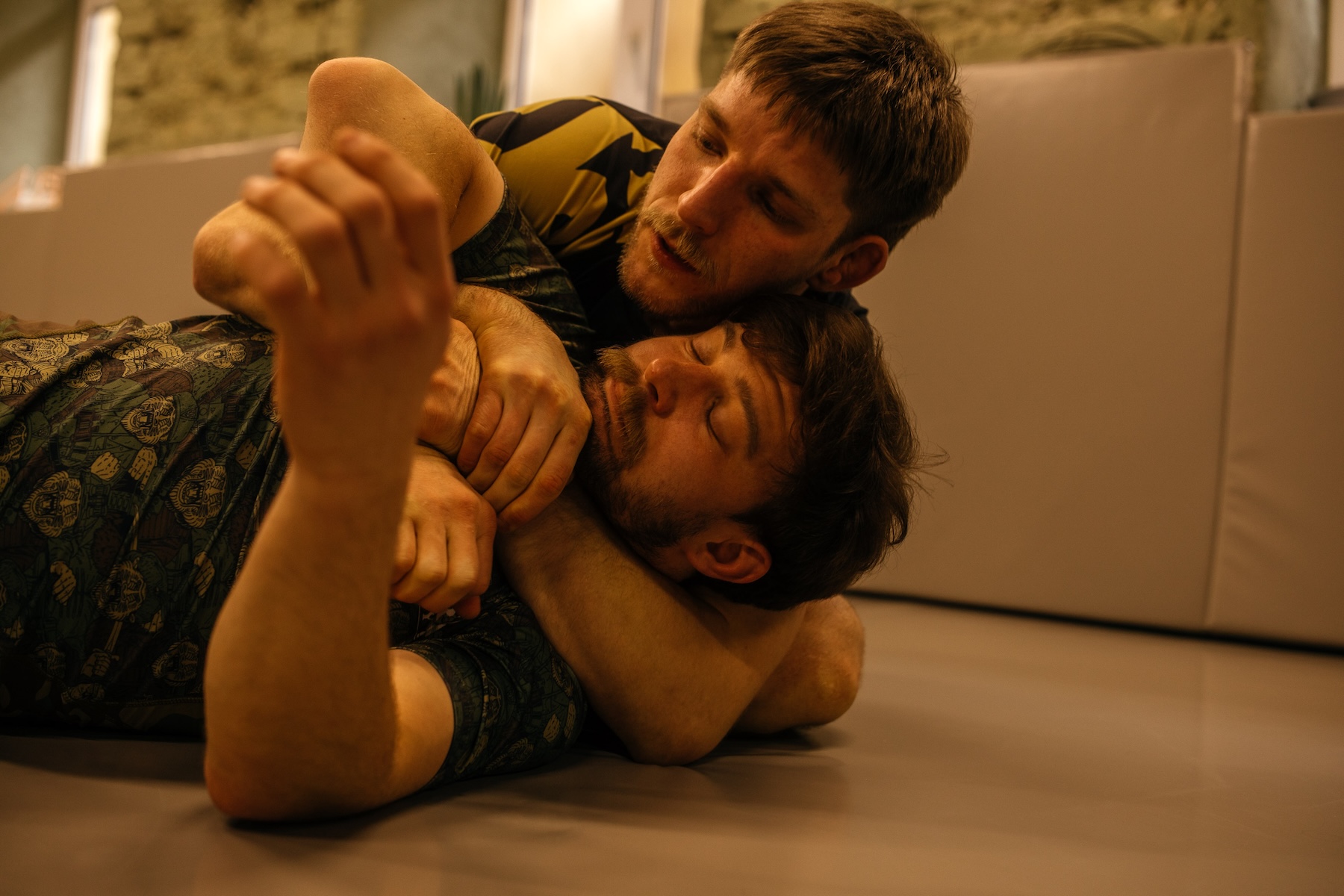
Despite his life-altering injuries, Misyura maintains an optimistic attitude and is adapting to a different pace of life as a double amputee. He learned about Kult through the grapevine, having previously practiced mixed martial arts, and has been attending sessions as part of adapting to his new normal.
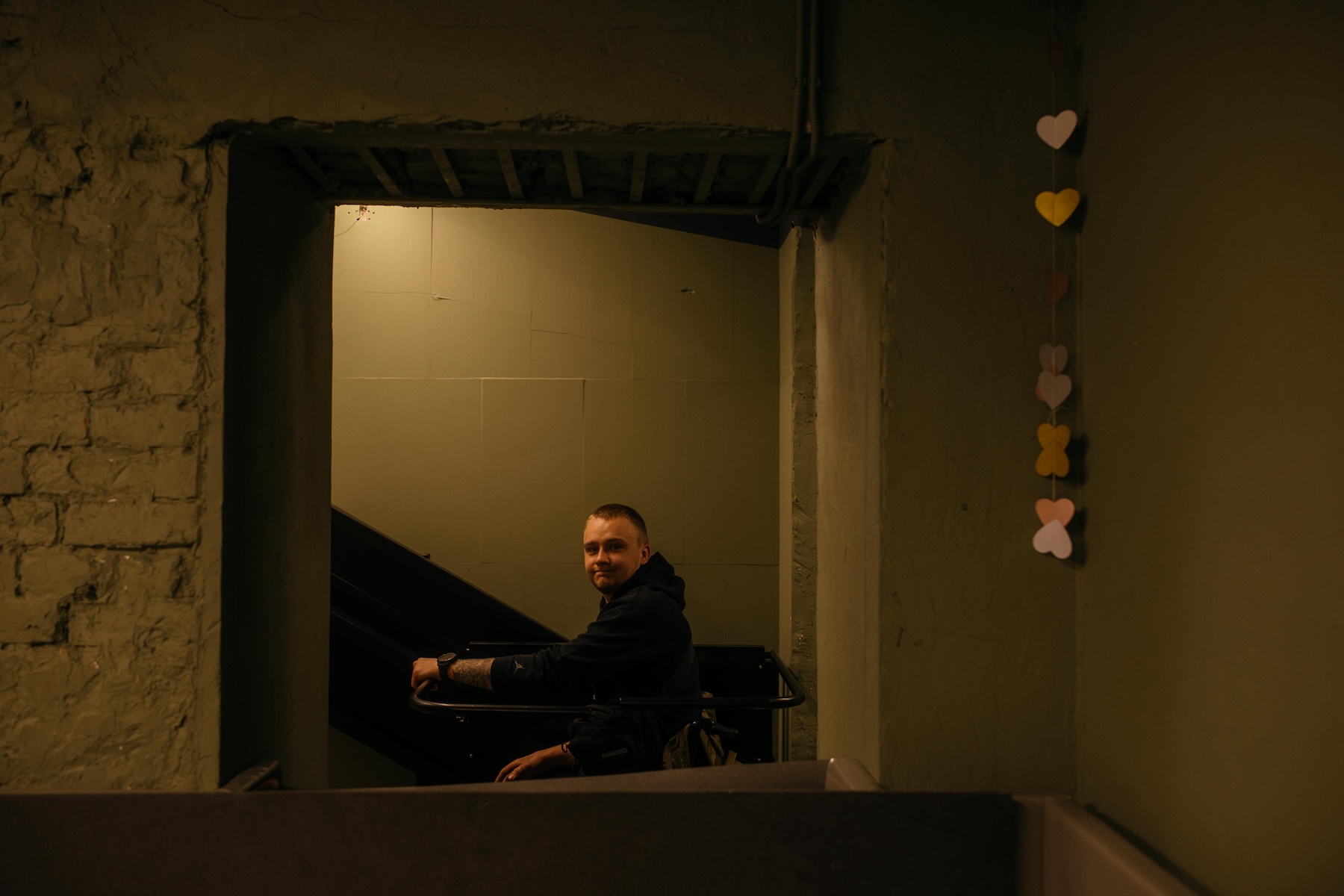
“If anything, I’ve learned that life goes on,” he says. “Jiu jitsu helps me get out of the house, stay fit, and meet others with similar life experiences.” BJJ is like chess, Misyura continues. “In other sports, you don’t have so much time to think, develop your game and strategy.”
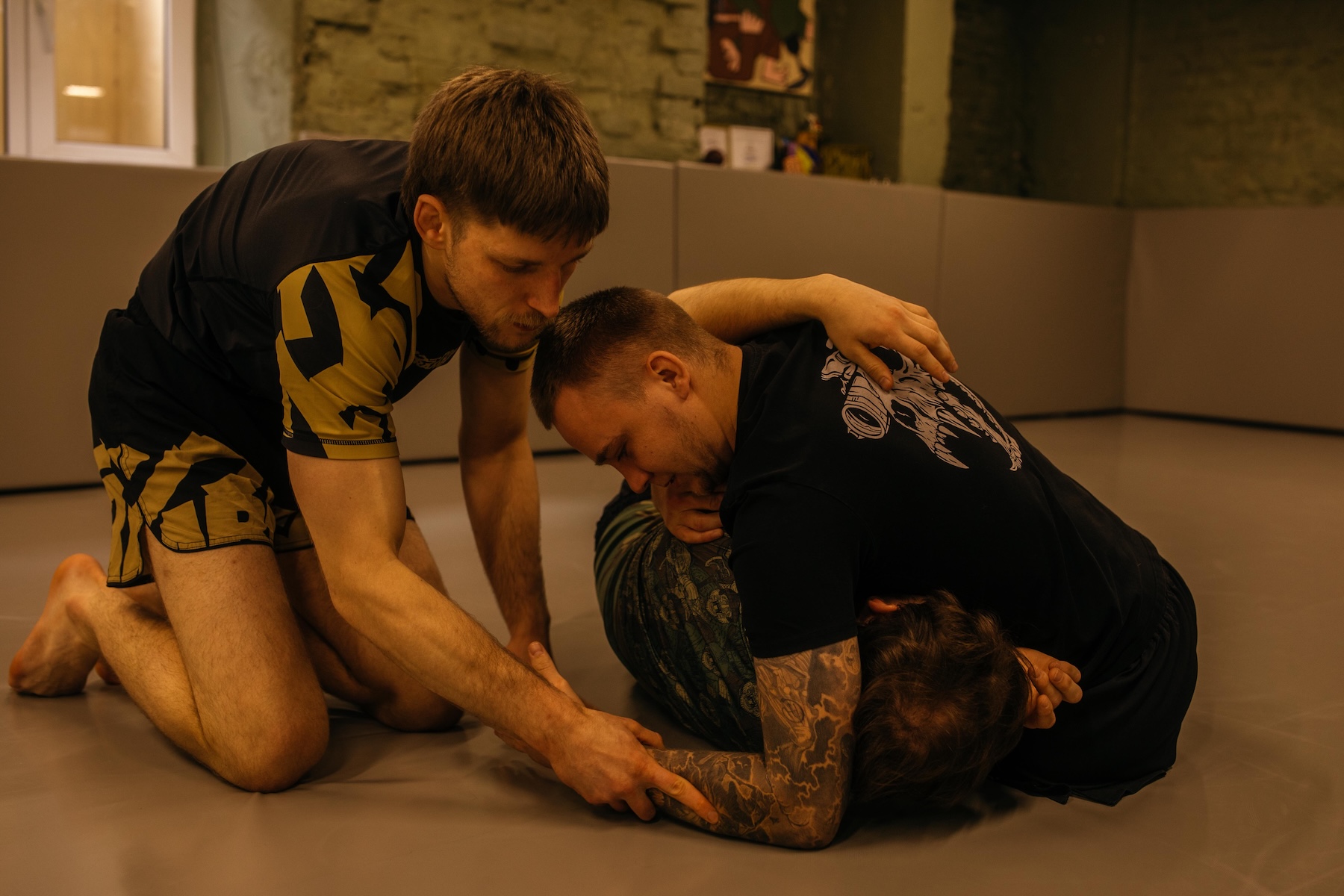
The sense of community that Kult nourishes is exactly what the founders intended. “We created this space as a place of strength, recovery and community - for military personnel, veterans and civilians. A place where you can feel control over your body again,” says Shuhai. Just weeks after the gym opened, dozens of military personnel started regularly training with them.
“But it doesn’t end with training. We do a lot off the mat too: chess, movies, various get-togethers - so we can relax, switch gears, and just be in the here and now.”
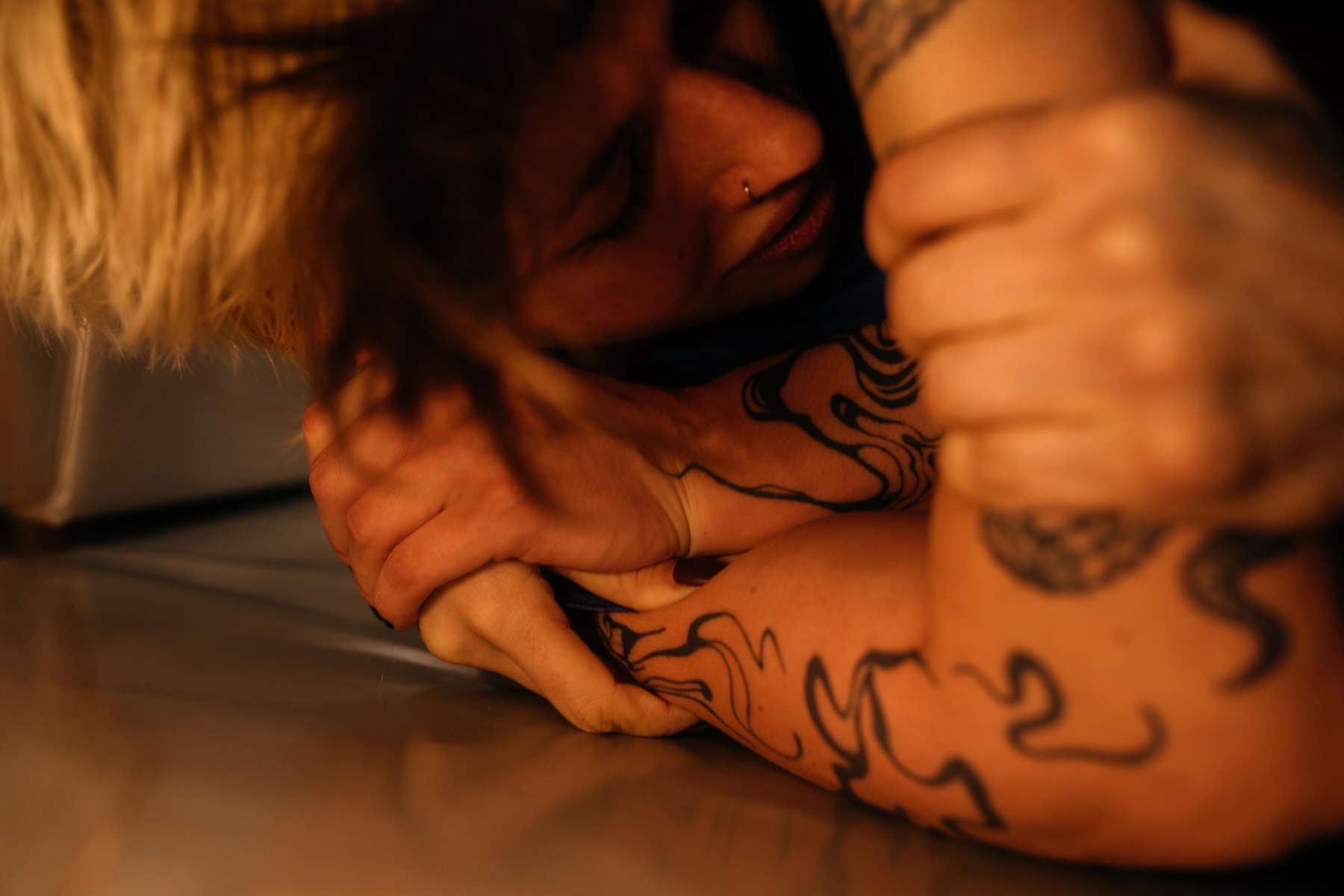
Lindsey Bingaman, a clinical social worker who specializes in mental health and psychosocial support, says that research has shown the advantages of physical activities like BJJ in rehabilitating veterans. “For a combat veteran, their body has essentially been a weapon. One of the most profound things that can happen in recovery is rediscovering your body as something capable and your own again. That reframe is clinically significant.”
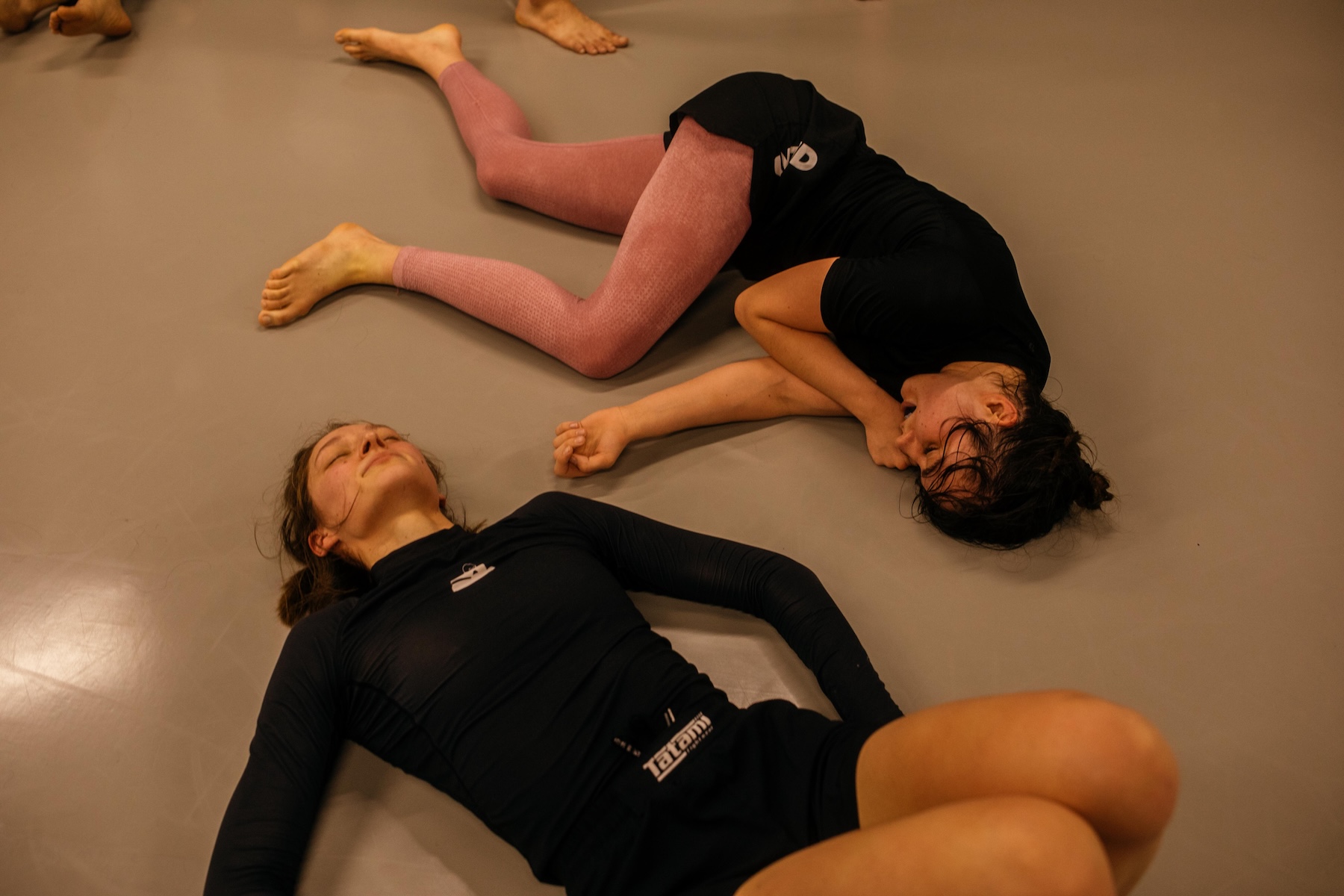
There’s also something healing about that intimacy of holding on to one’s opponent. “You are literally responsible for the person you’re training with. For veterans who’ve lost that sense of cohesion, that dynamic can be reparative, and serve as a way back into trusting people,” says Bingaman.
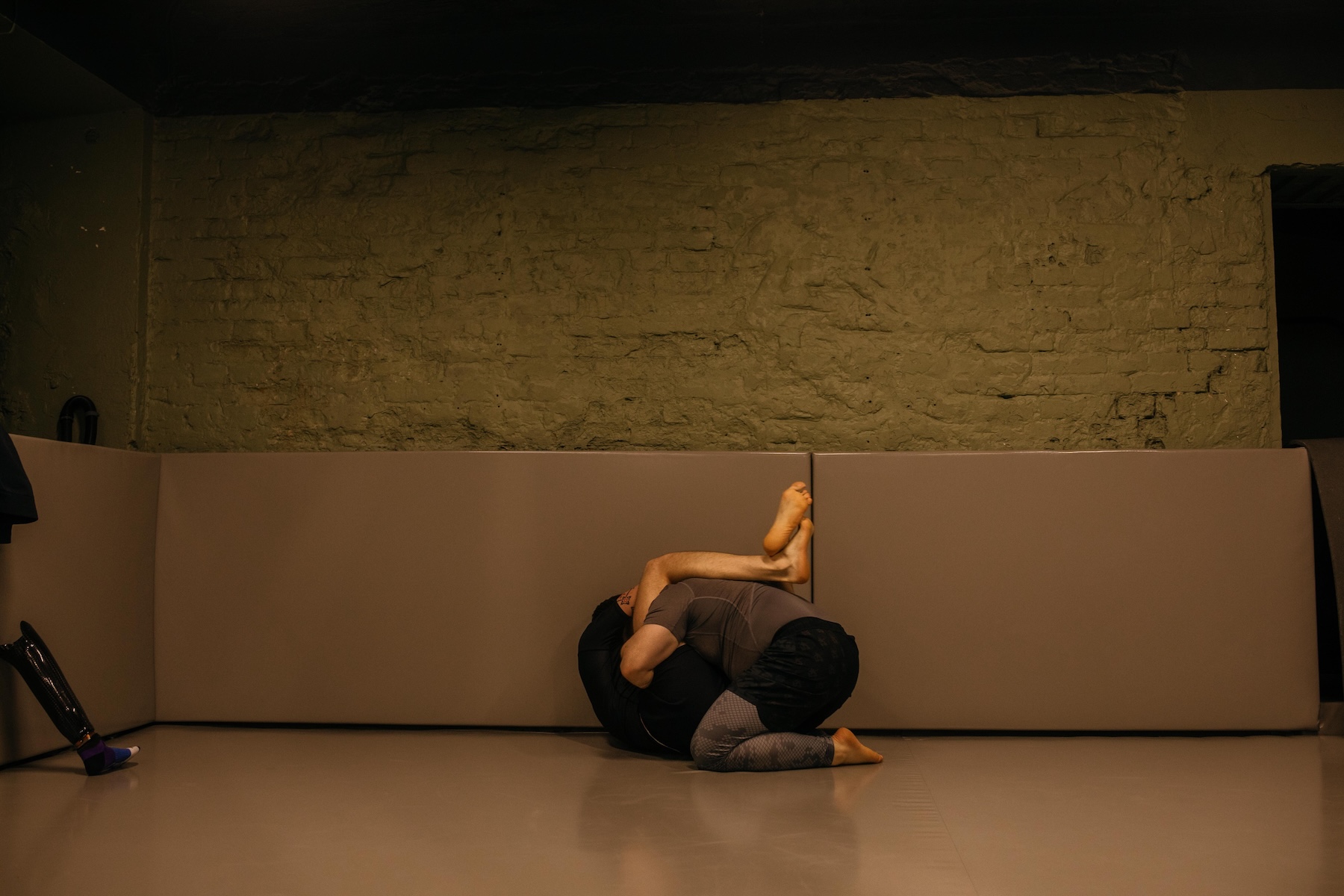
Senok says that although martial arts may appear violent from the outside, it isn’t inherently so. “Aggression is just as important an emotion as any other. Expressing it in a controlled environment helps people manage aggressive impulses and emotional outbursts in everyday life.”
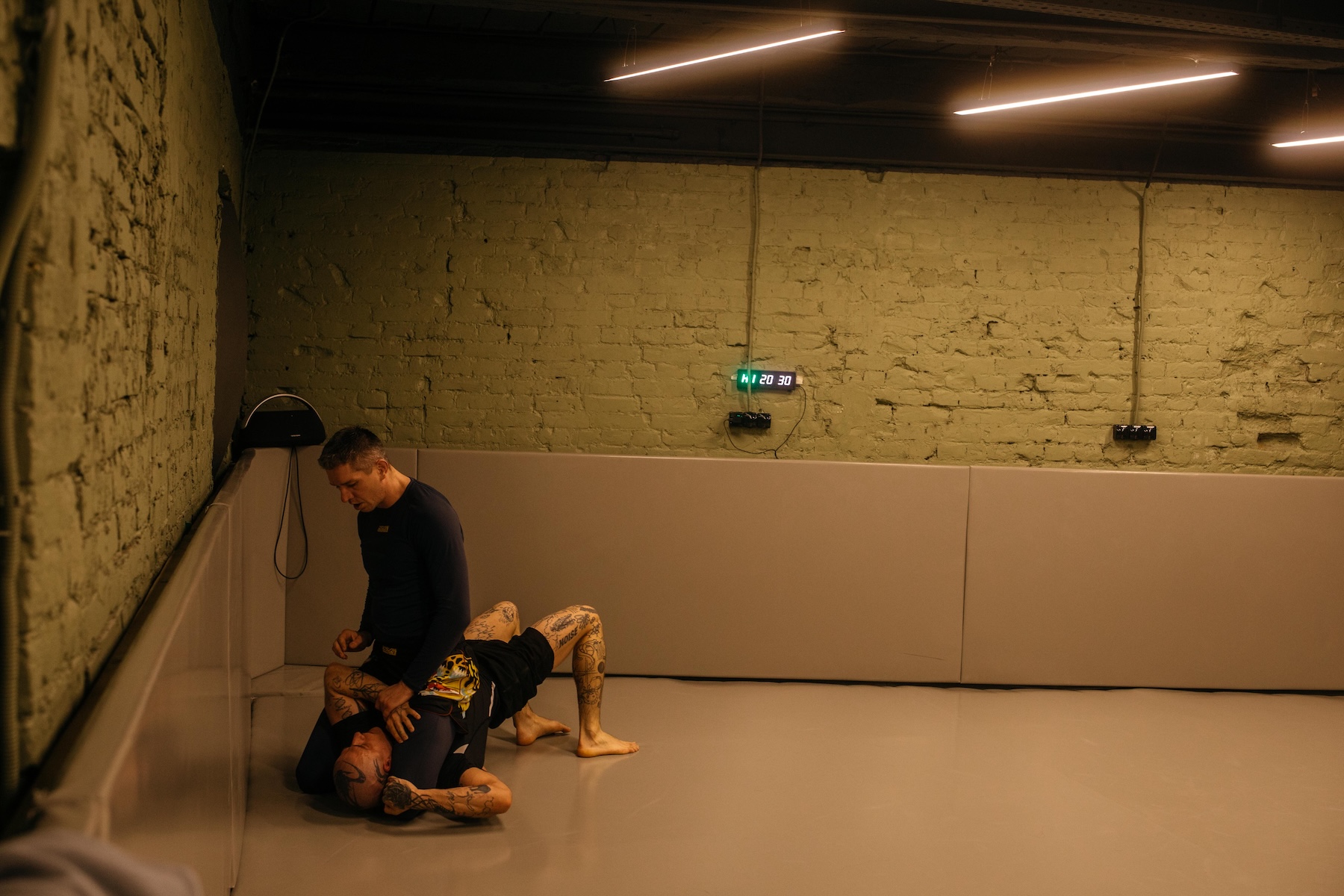
Veterans and soldiers fresh from the escalating intensity on the frontlines may feel intense isolation from adjusting back to ‘normalcy.’ BJJ can serve as an outlet to mitigate that transition.
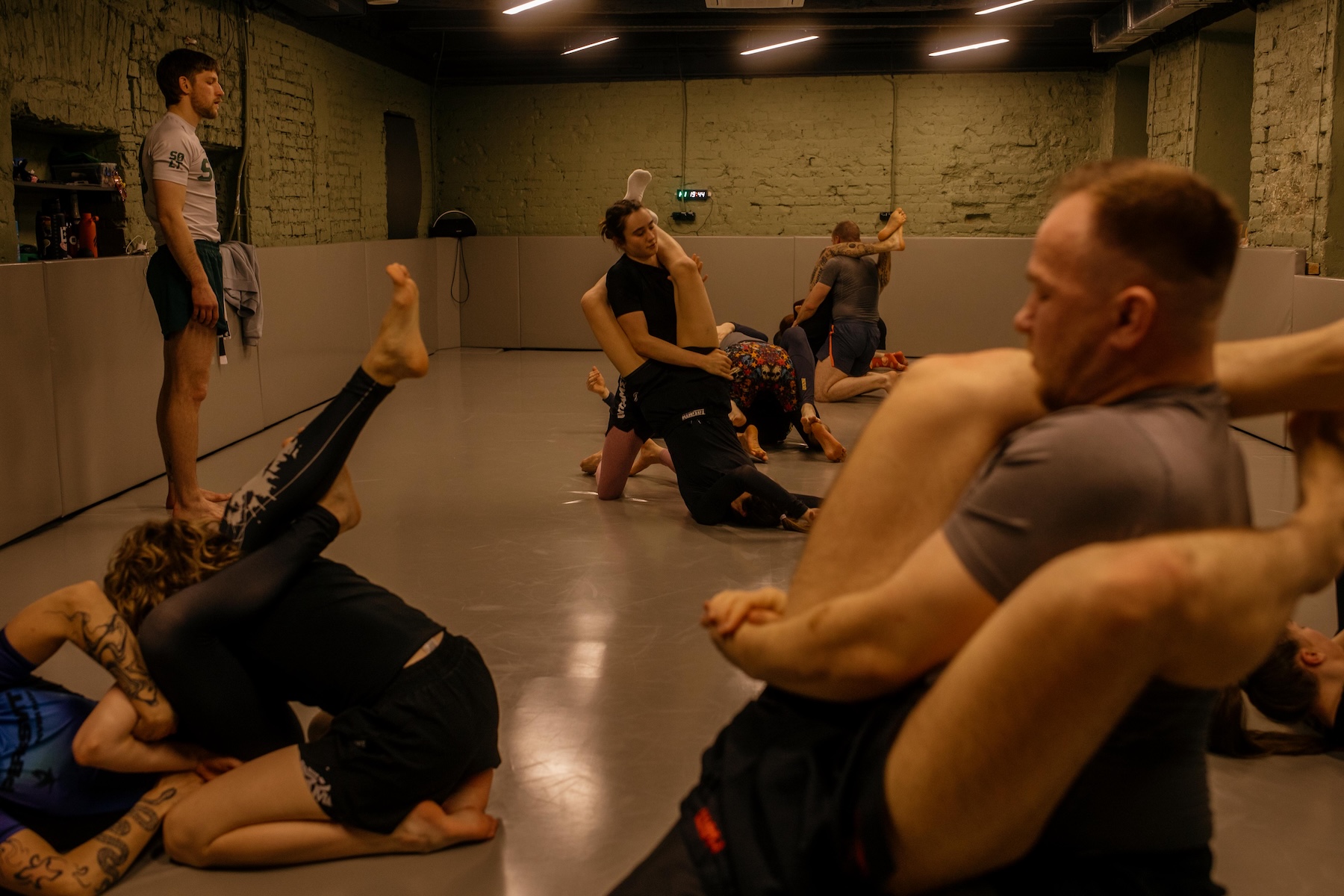
Martial art practitioners strive to achieve their goals while remaining as calm and composed as possible, according to Senok. “Brazilian jiu jitsu is a unique tool for socialization. As I often joke, ‘Grappling is the sweetest sport in the world; people simply learn to hug each other tighter than they did yesterday.”