
Early February heralded the 2nd edition of Le Marche Bleue, an ecological, citizen, and artistic initiative held in Mauritania’s Banc d’Arguin National Park. This year, it featured a sharpened focus on eco-anxiety and the future of Mauritanian youth. Established as a nature reserve in 1978 and inscribed as a UNESCO heritage site in 1989, this national park is where the Sahara meets the Atlantic: powerful waves, housing some of West Africa’s richest fish stocks and nurseries, clashing with the sands of an infamously vast desert.
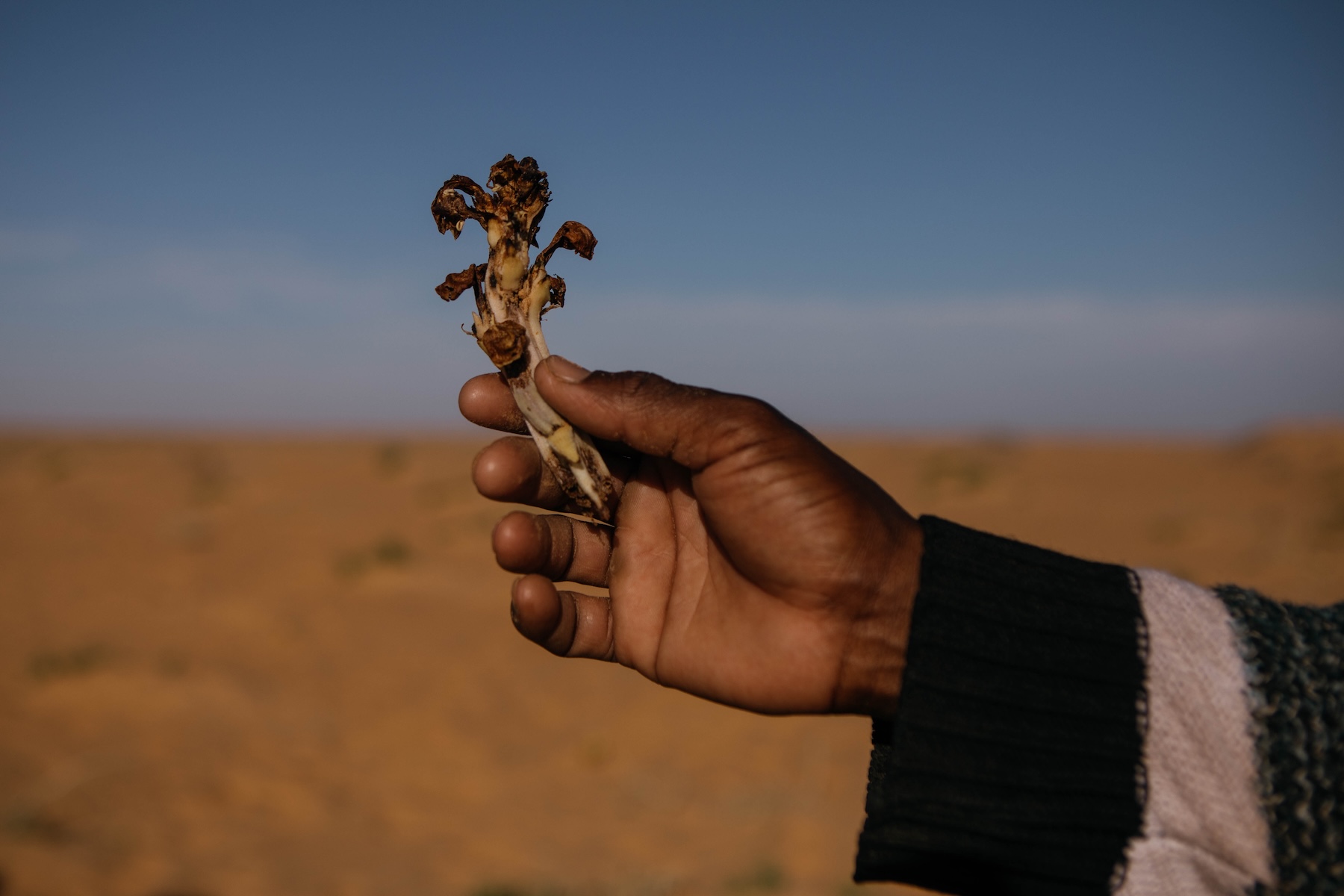
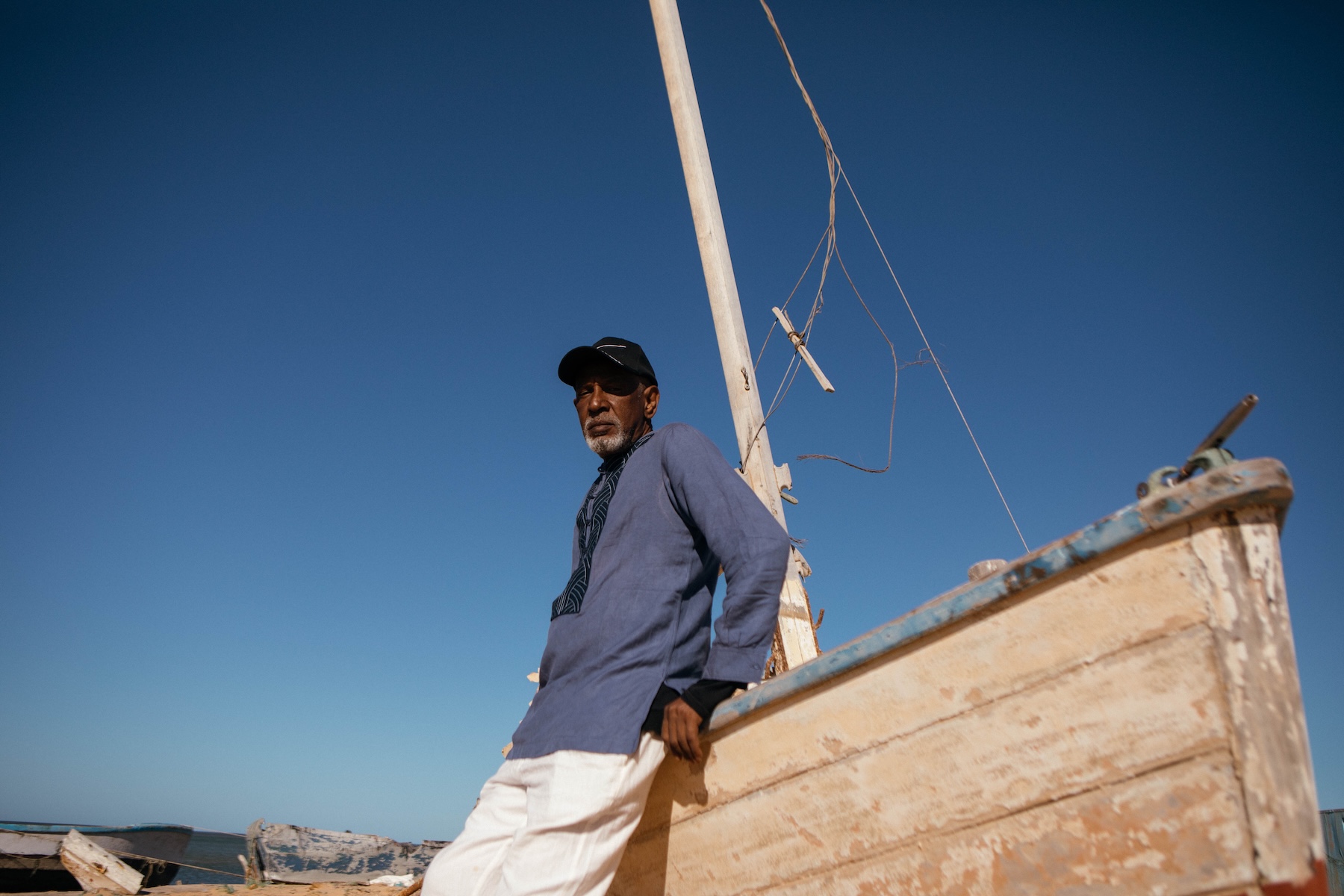
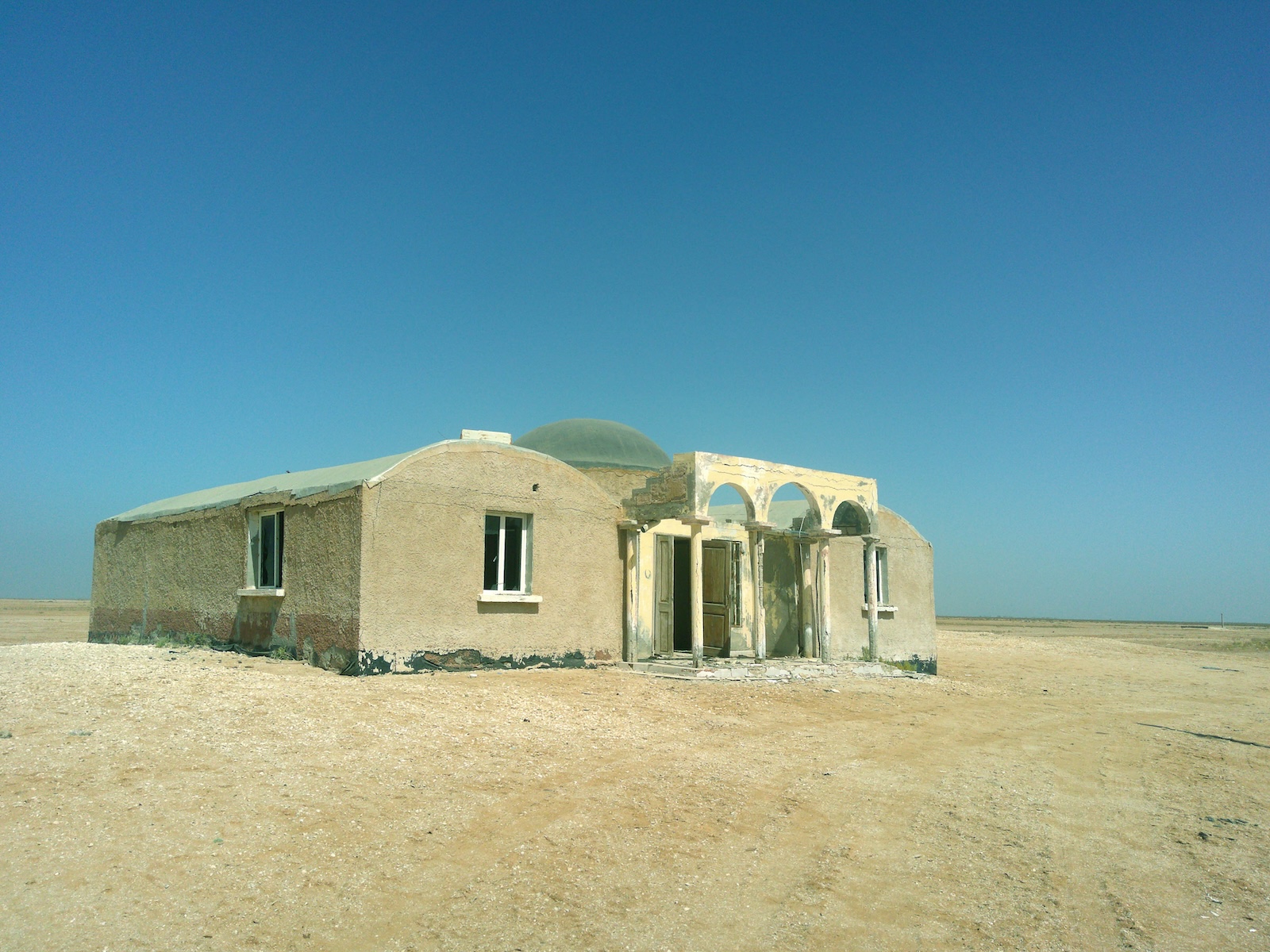
Comprising roughly 12,000 square kilometers of sand dunes, coastal swamps, and small islands, Banc d’Arguin boasts of remarkable biodiversity and is the better-known of Mauritania’s two national parks. Often referred to as a mecca for bird conservation, Banc d’Arguin is a crucial place for nesting birds and Palearctic migratory waders.
The Sahel—a million-mile transition zone bifurcating the humid savannas in the south to the arid Sahara of the north, stretching from the north Atlantic coast to the Red Sea—is one of the places in the world most vulnerable to climate change. According to the Intergovernmental Panel on Climate Change (IPCC), temperatures may rise at a rate 1.5 times faster than the global average.
As an antidote to the lack of attention to Mauritania’s dire environmental circumstances, Senegalese screenwriter Kessen Fatoumata Tall created Le March Bleue. Initially, it was a solo walk in protest of illicit logging in Tambass—the site of a holiday home in southwestern Mauritania. Considering how 90% of Mauritania is desert, with just 0.5% considered arable land, trees are invaluable resources for the arid nation.
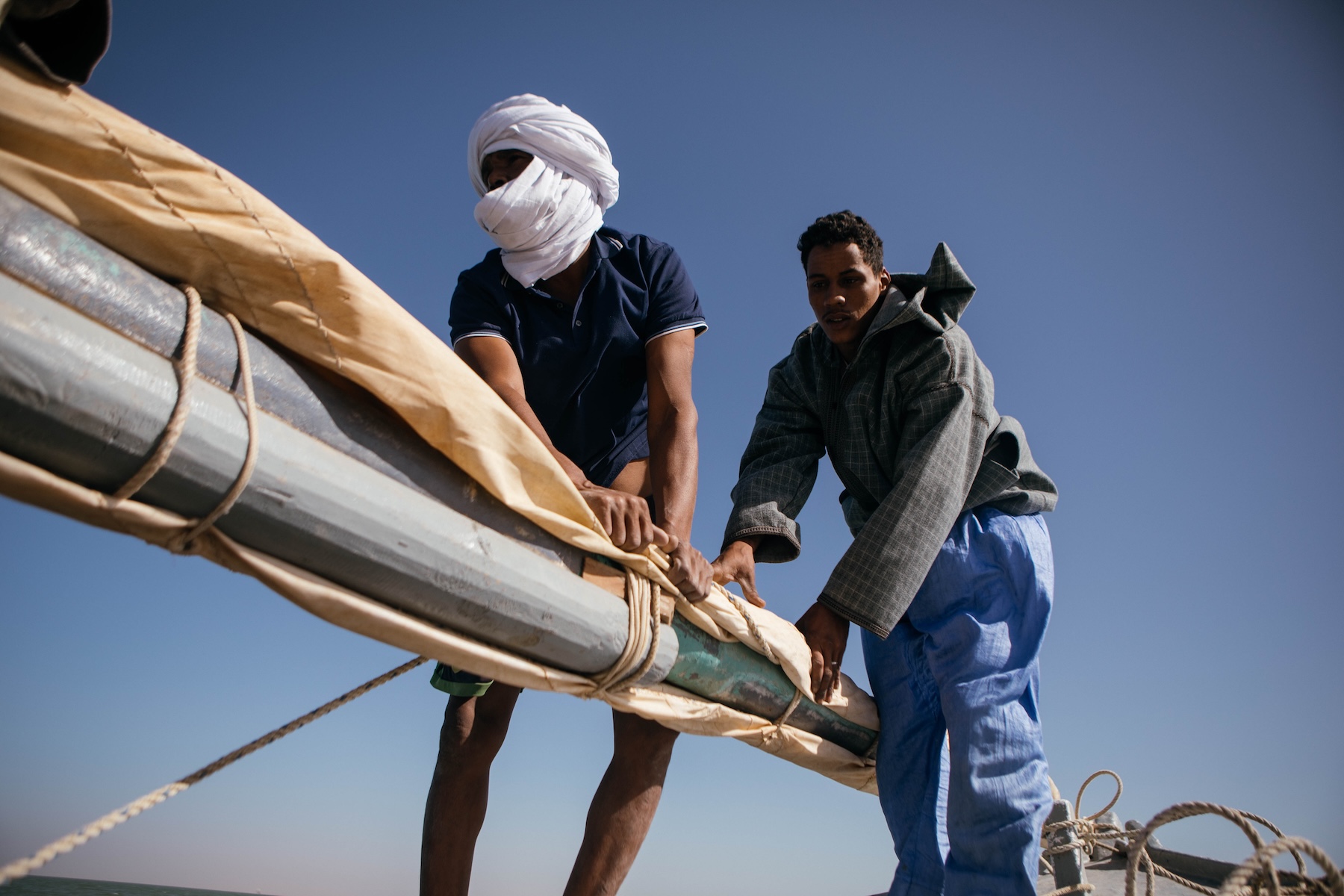
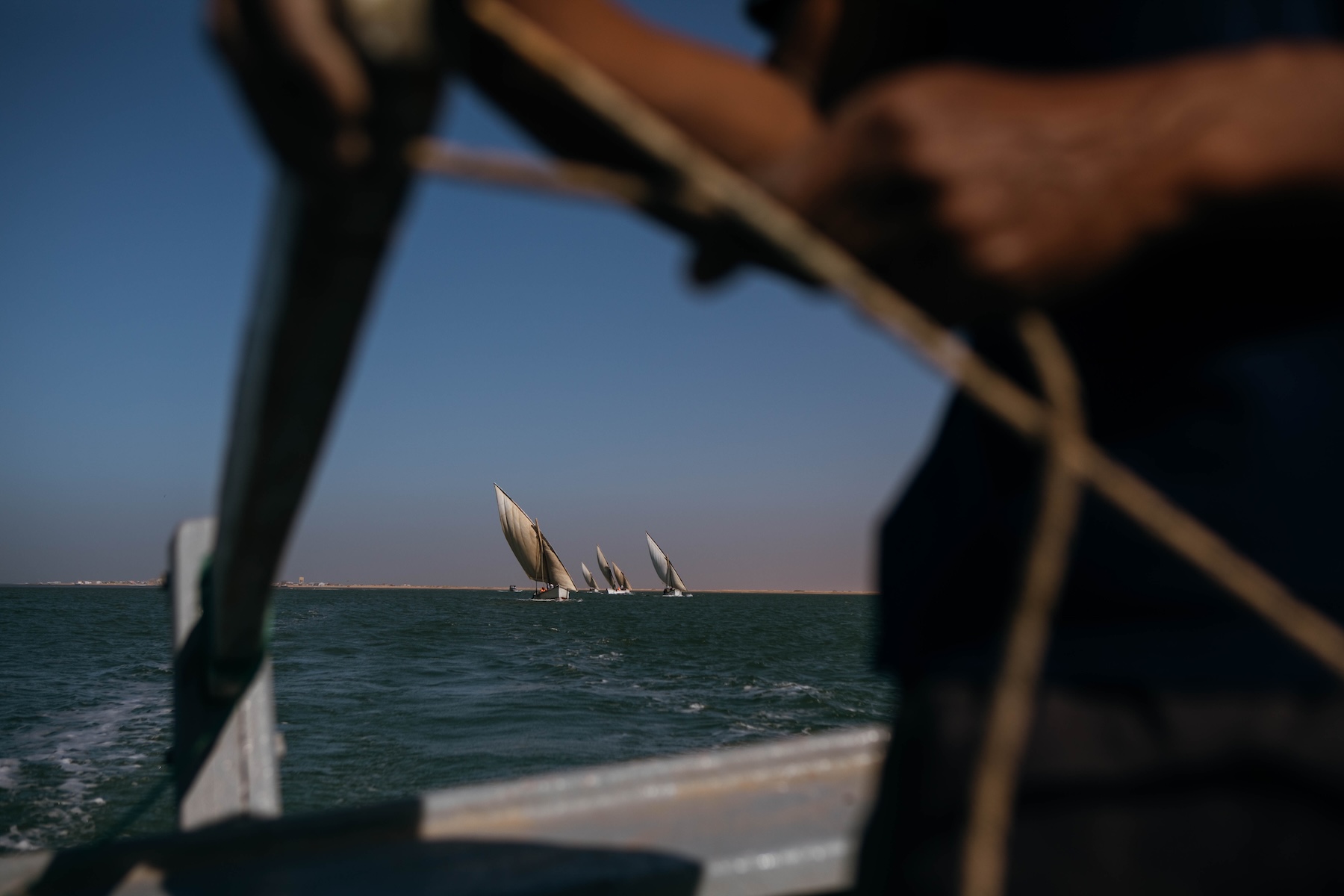
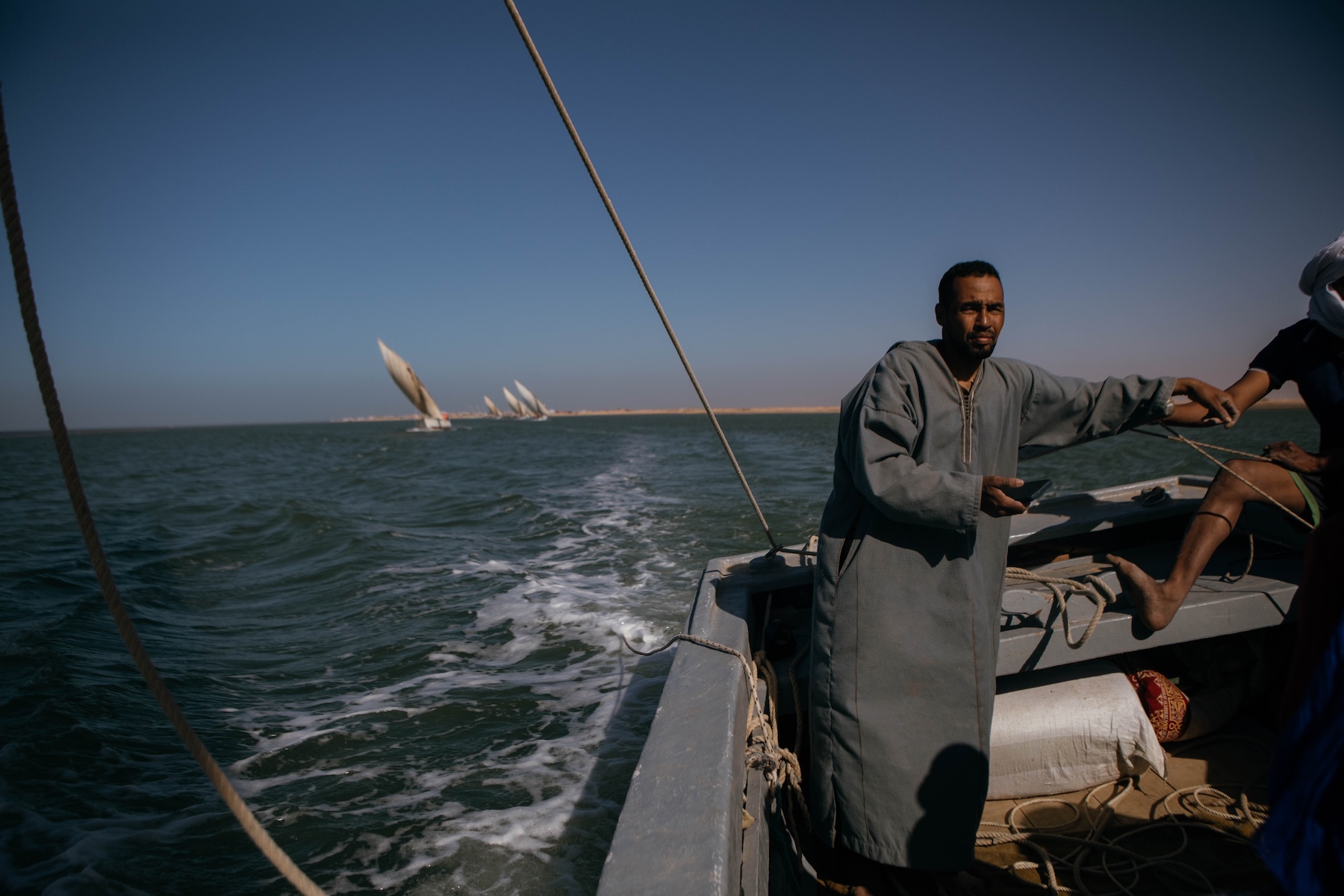
Tall has been supported by her husband, Mauritanian-born Malian filmmaker Abderrahmane Sissako, alongside the Mauritanian Environmental Association. More than 100 activists, artists, and researchers from Europe and beyond attended this year’s march as part of the initiative’s wider goal to facilitate solutions-oriented conversations about the Sahelian nation’s ocean, wetlands, and biodiversity conservation.
Rabi’a de Grange, a 24-year-old who grew up in Mauritania but is now studying abroad, returned to participate in Le Marche Bleue. Walking along Banc d’Arguin’s vast sand dunes, she shares her sense of the eco-anxiety building up around her every time she comes back to her homeland - much like the way she senses marked changes in the environment itself, especially the rising temperatures and prolonged droughts.
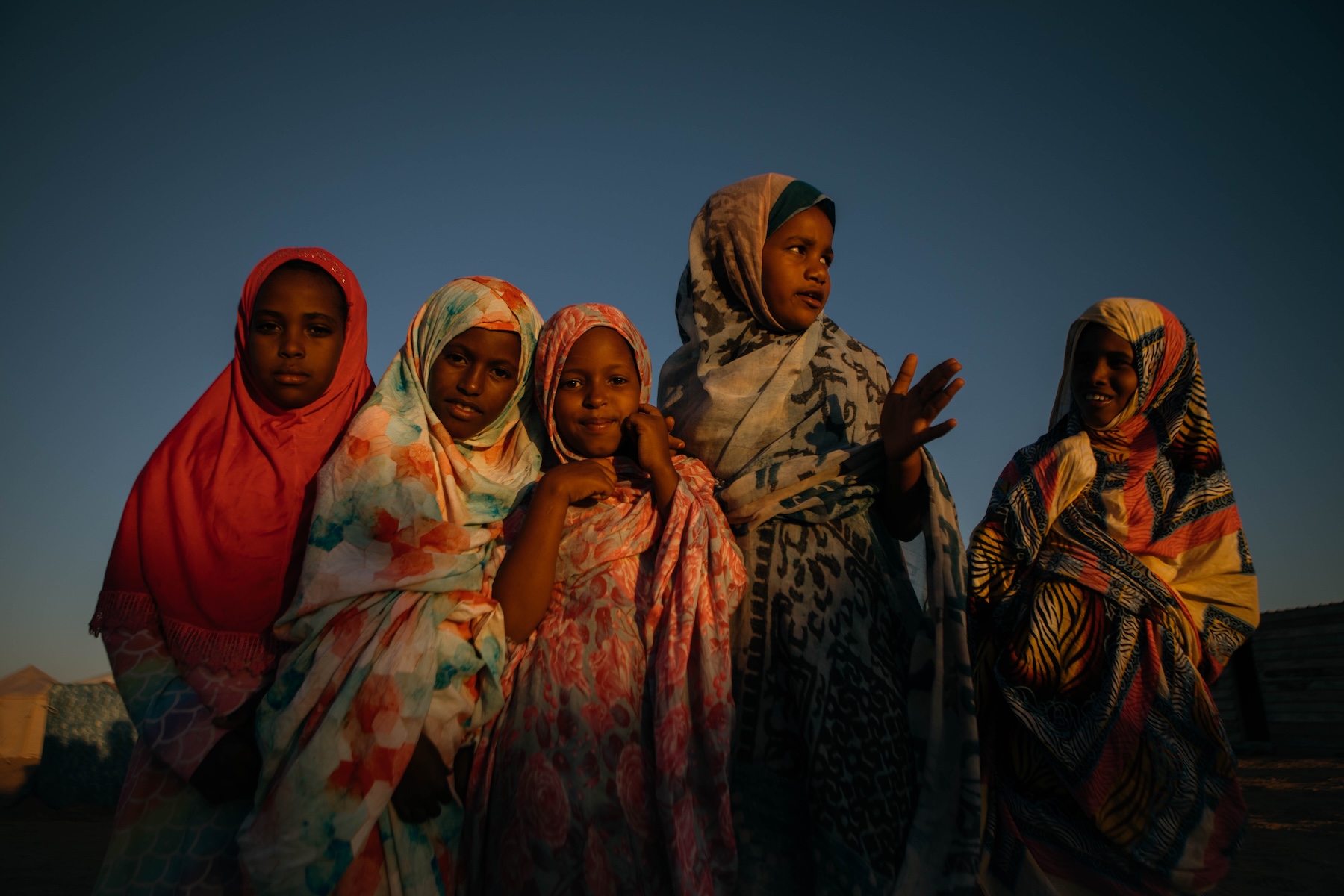
There’s the rampant piles of waste blowing across the street in Nouakchott, the capital city, to mounds of plastics on the edge of desert cities like Chinguetti, where the sand has been creeping into the streets. But traversing small homesteads across Banc d’Arguin allowed de Grange an opportunity to interact with villagers and have a better sense of their quotidian pressures. “I saw that I was wrong,” says de Grange. “These young people do care about the environment. I hope that more and more will do the same.”
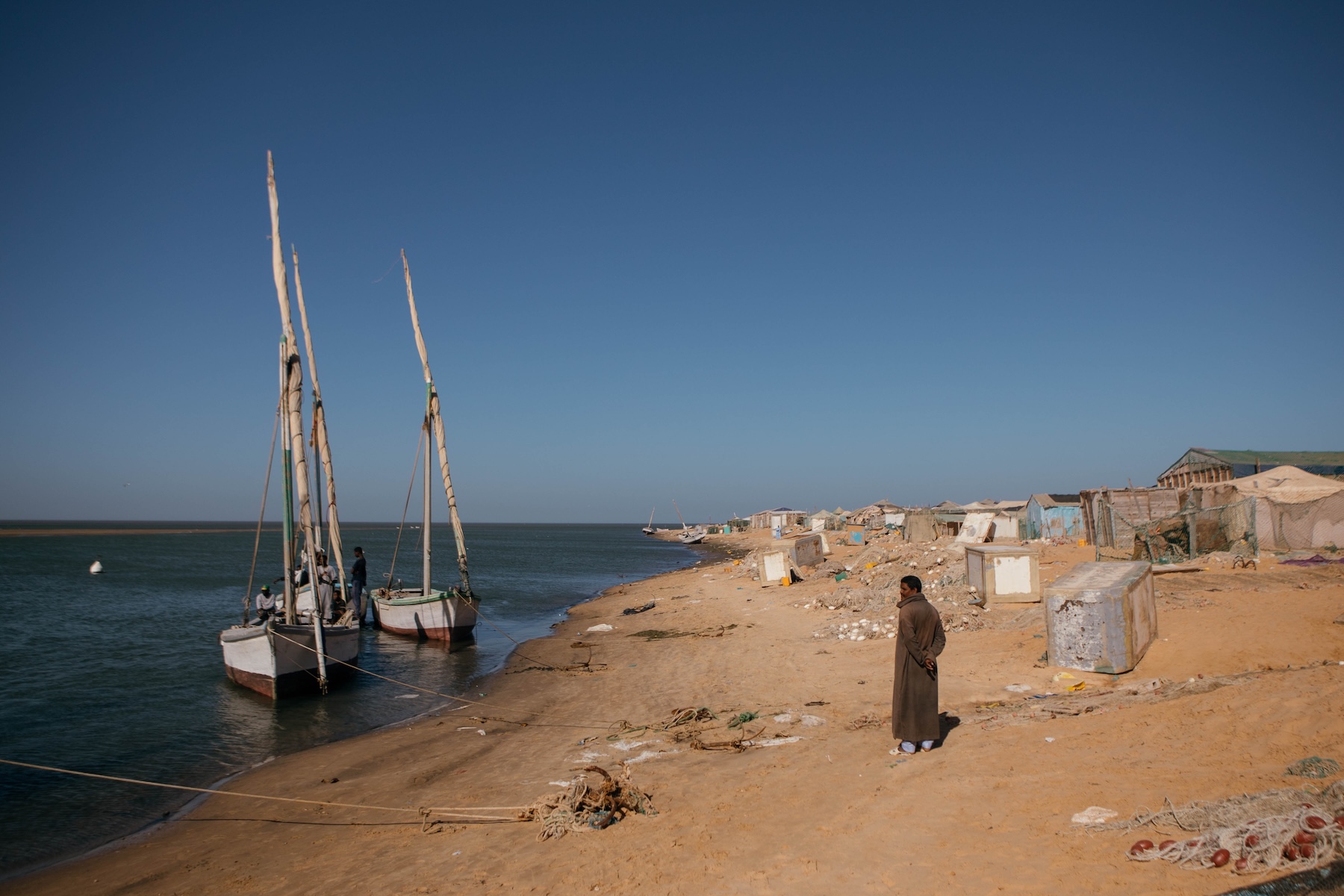
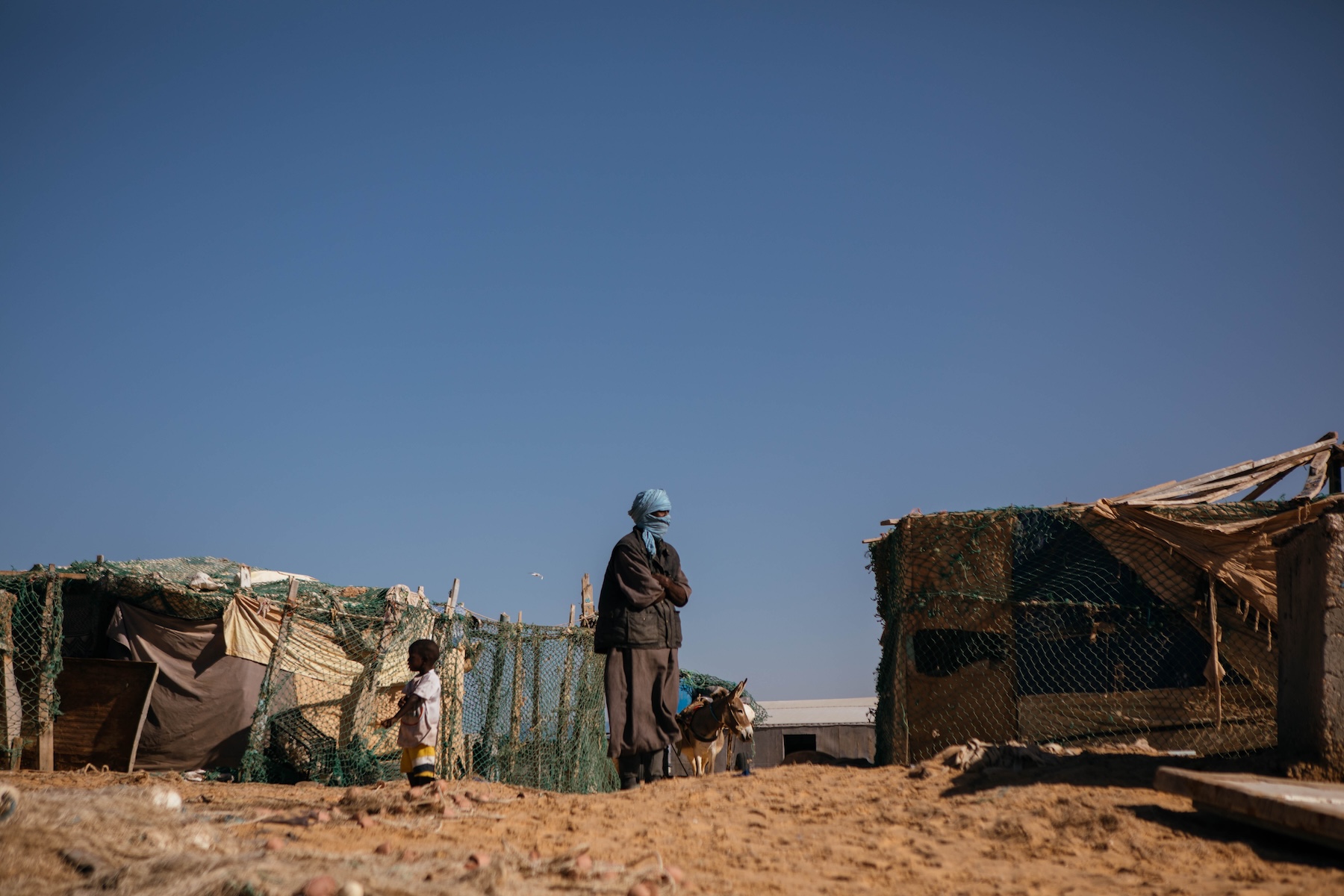
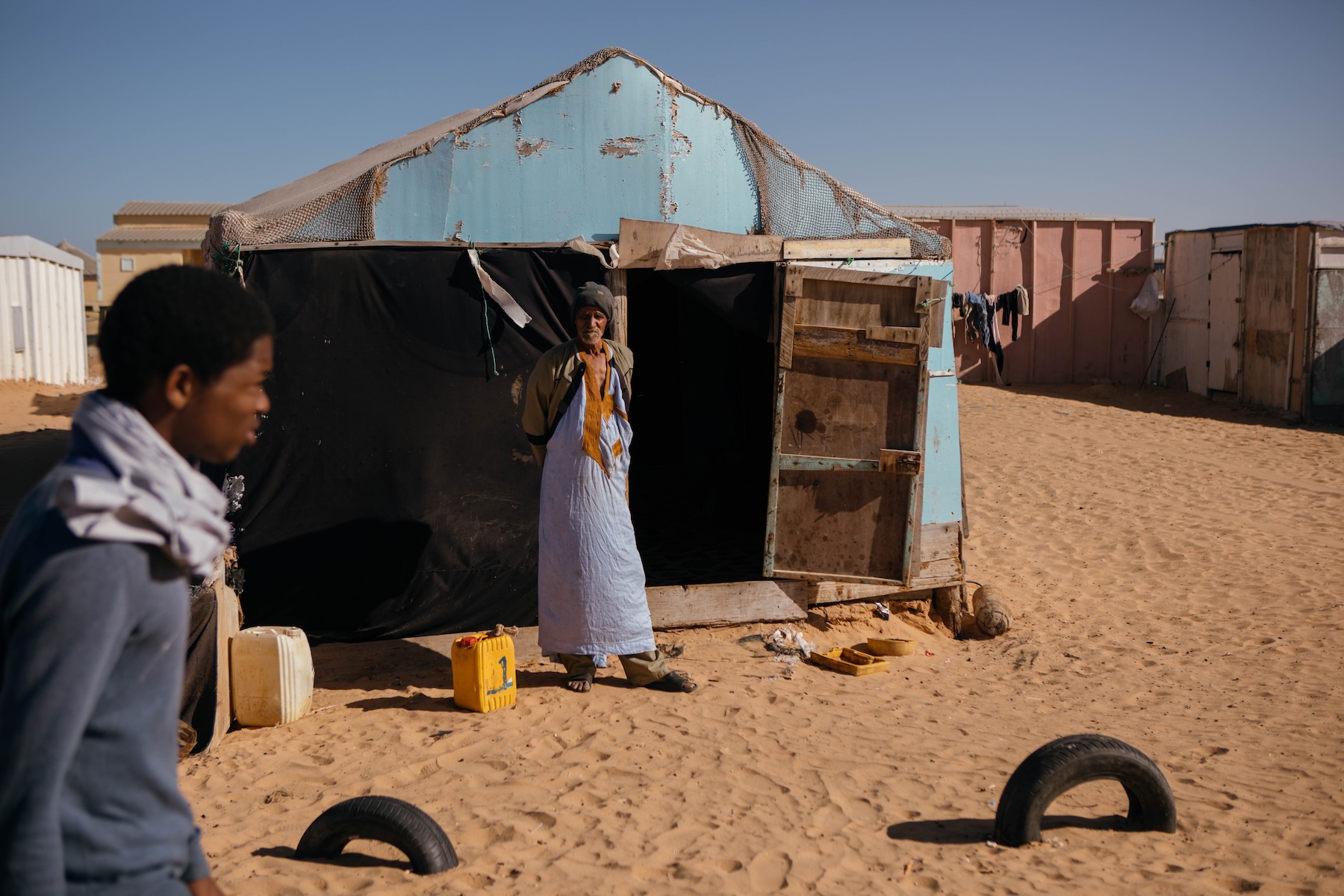
While Europe grapples with its anxieties under ultraviolet (UV) 5, UV indexes in Mauritania commonly reach 11 across the desert nation - with temperatures soaring up to 45ºC. “It’s glaringly obvious beneath the corrugated iron and concrete roofs, which trap the heat at night-time, preventing any respite,” according to Sissako Moktar, a psychiatrist who attended Le Marche Bleu. Yet he argues that eco-anxiety remains secondary to more immediate concerns. With the government providing limited social services, including healthcare and waste management, 58% of Mauritanians live in multidimensional poverty. In that context, environmental fears are often overshadowed by the daily realities of poverty, even as the country faces desertification, climate change, and a lack of environmental awareness.
As we were walking in the desert and along the ocean, we saw the real impact: women and children whose lives are consumed by menial tasks such as fetching water—more than 40% of Mauritanians residing in rural areas lack access to potable water.
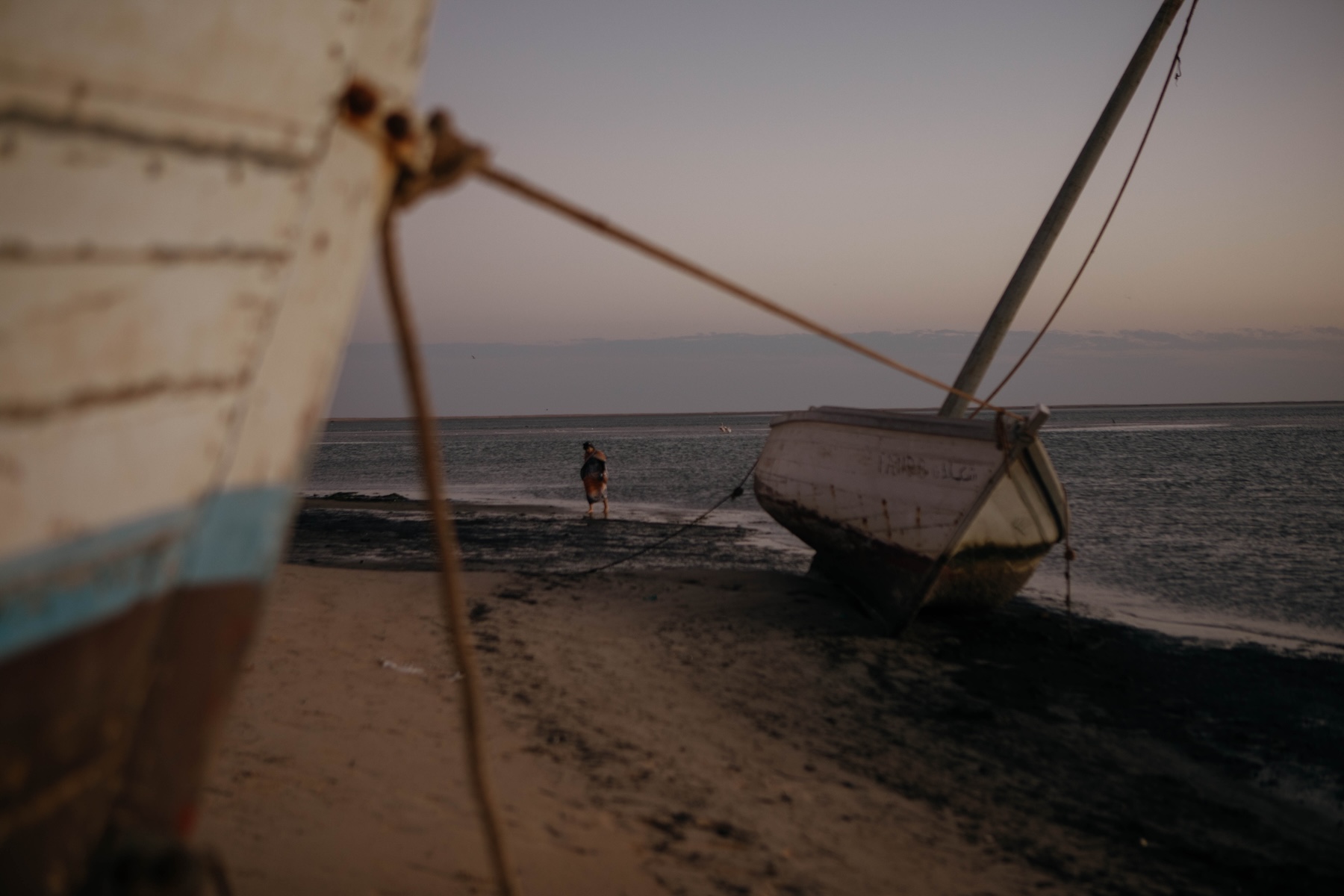
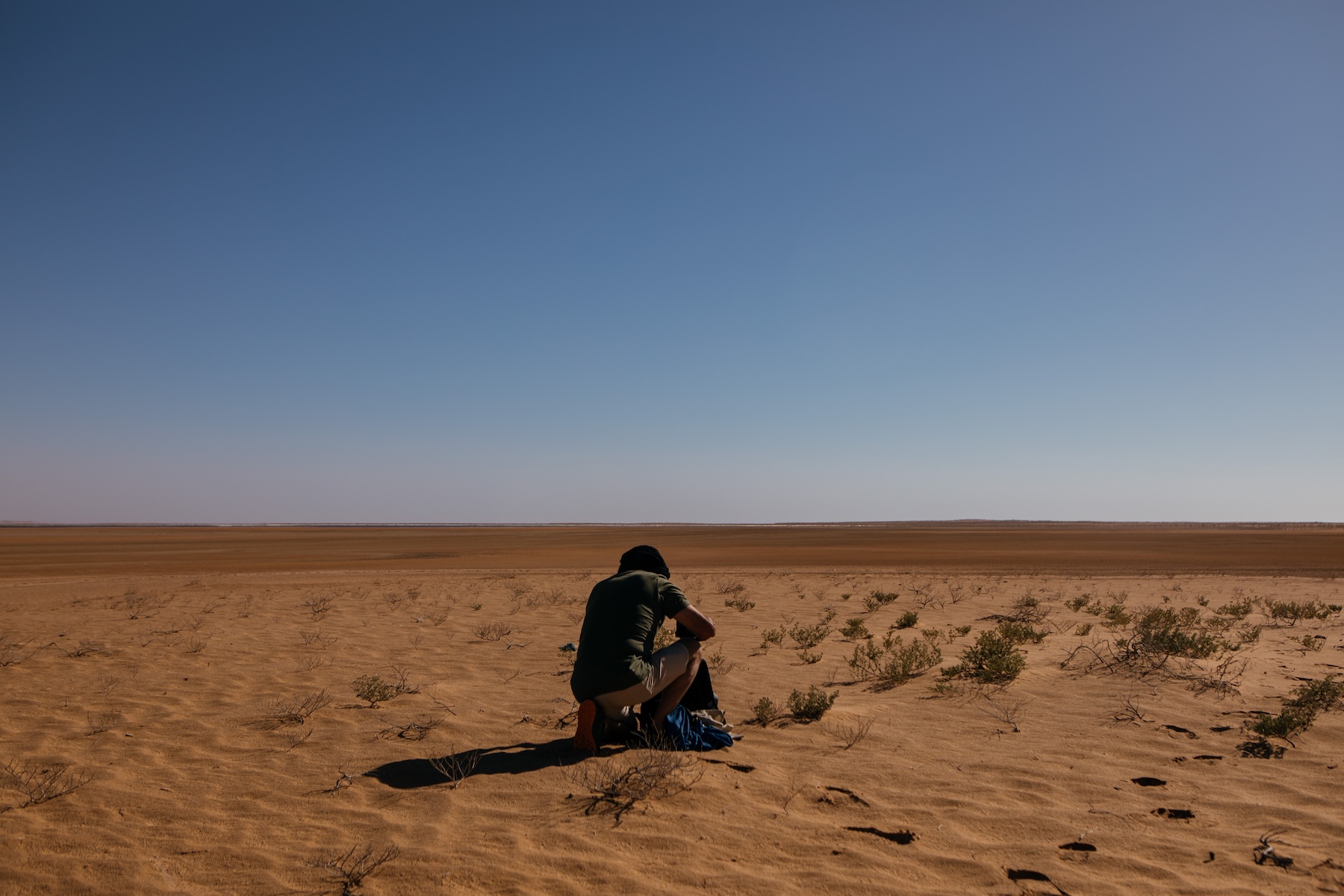
“Biodiversity here is not just important, but necessary to how the entire ecosystem functions,” says Nami Ould Salihi, the Director-General of Banc d’Arguin National Park. As part of the park’s initiative to sensitise young generations on the importance of ecological conservation and the changing climate, they hold community sessions in both schools and governmental offices to generate awareness for the public and lawmakers alike on the importance of the park.
Moktar Sissacko, the psychiatrist, believes such community-rooted events such as Le Marche Bleue could serve as good avenues to discuss eco-anxiety: the clinical links between degrading mental health and climate change that are simply not discussed enough in Global South countries. He cites a total dearth of mental healthcare across rural Mauritania, despite its rising urgency being linked to rapidly accelerating impacts from climate change.
“This psychological suffering is ignored because it is masked by the difficulties of managing daily life,” he says.
Before his retirement in 2024, he served as the psychiatrist for the National Mechanism for Combating Torture and Deprivation of Liberty, an independent human rights monitoring mechanism in Mauritanian prisons. He has also worked for decades providing compassionate primary healthcare to vulnerable populations outside urban centers, with a unique approach to mental health.
Conversations about ‘eco-anxiety,’ particularly amongst young people considering the deterioration of their futures, can be taboo or simply absent in public consciousness. “We are seeing a progressive destruction of traditional social fabrics in the push for individualism,” says Sissacko.
“Even if we put aside [the topic of] mental health, climate change is apparent—especially in traditional cities,” the psychiatrist continues. Even the elite and educated people in Mauritania do not place enough emphasis on this new era we have entered—one very much dictated by climate-driven extremes. “It is essential for youth to understand that we need a quick ecological transition” - as in, shifting production and consumption patterns in a way that is environmentally-conscious and sustainable. “People should know, but people don’t.”
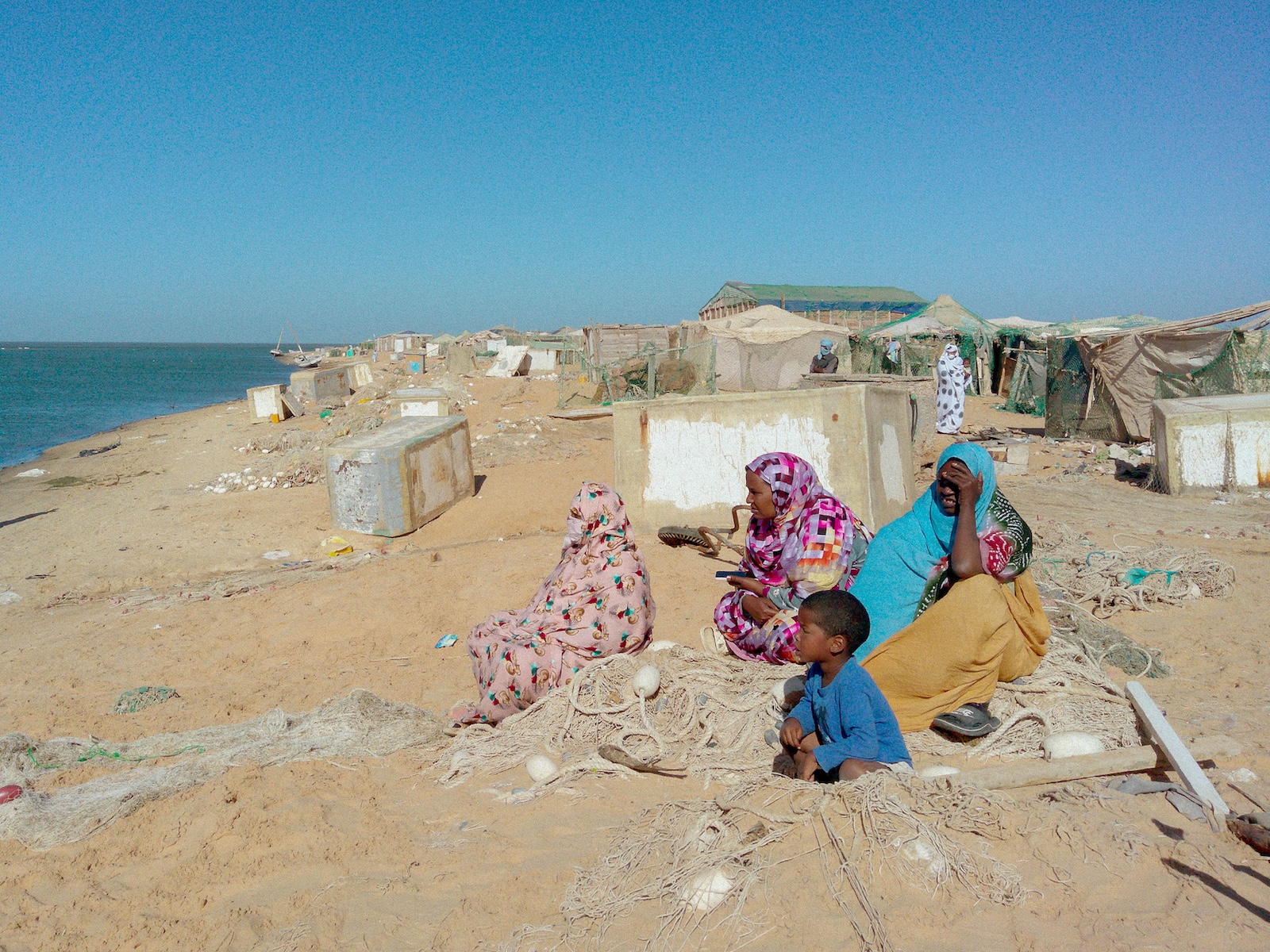
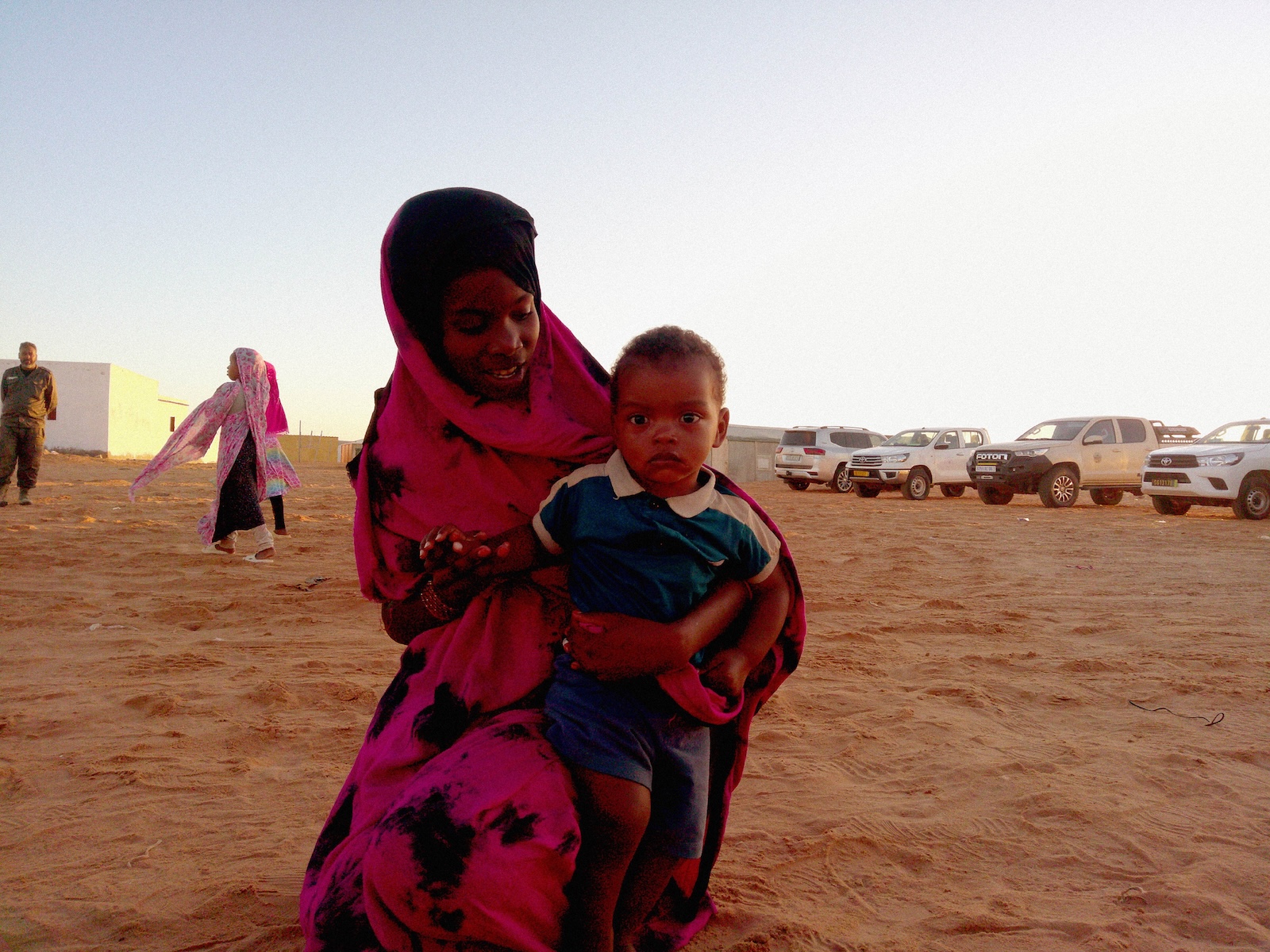
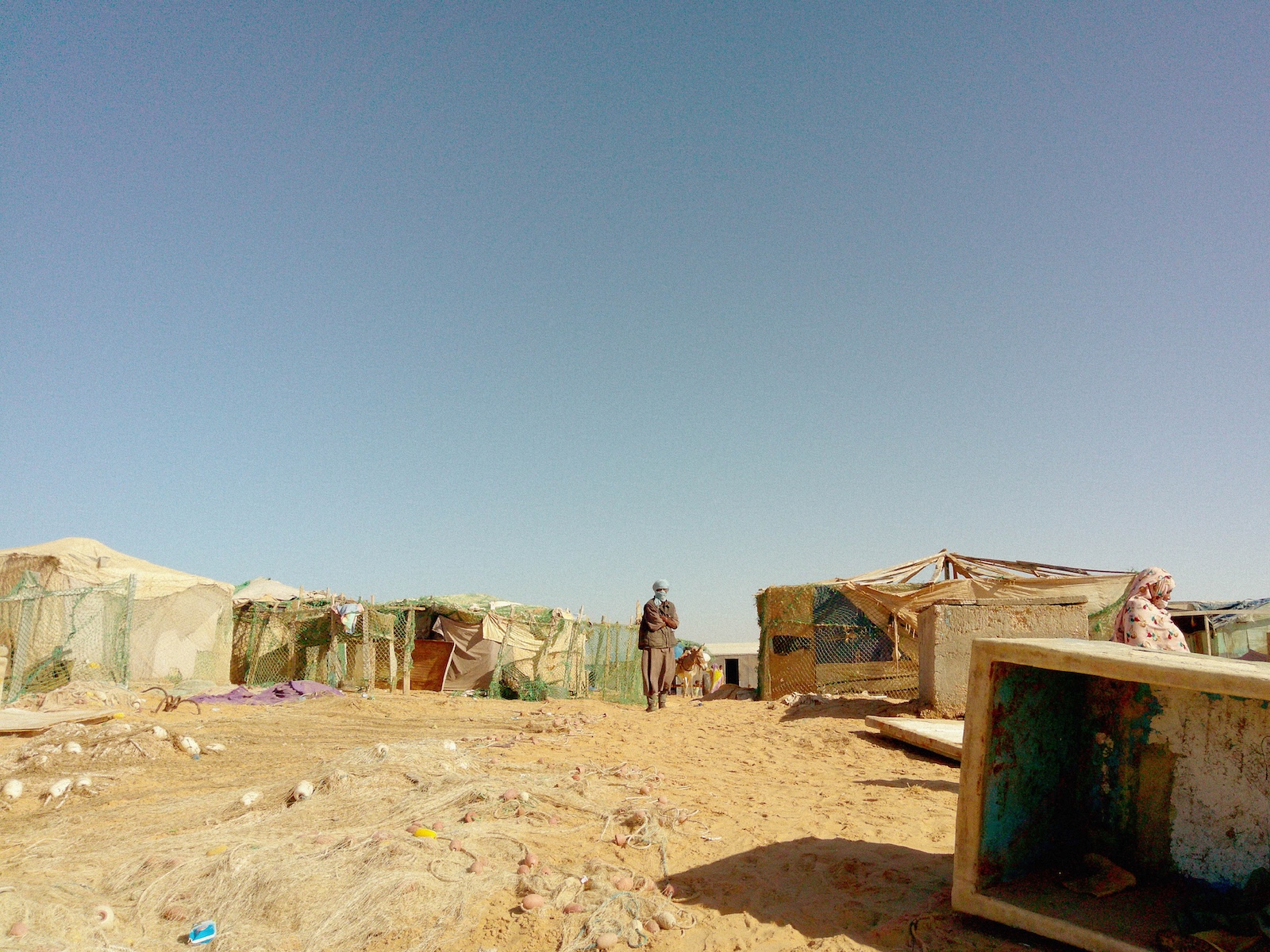
Imane Abdel Jelil, a Le Marche Bleue participant, says that her week trudging through Banc d’Arguin on foot, along with a diverse nexus of individuals with different art, conservation, and development backgrounds, had a profound effect on her. It allowed her to witness firsthand the reality of environmental challenges in her home country. “Before participating, I was aware of these issues in theory, but seeing them on the ground is completely different,” she says.
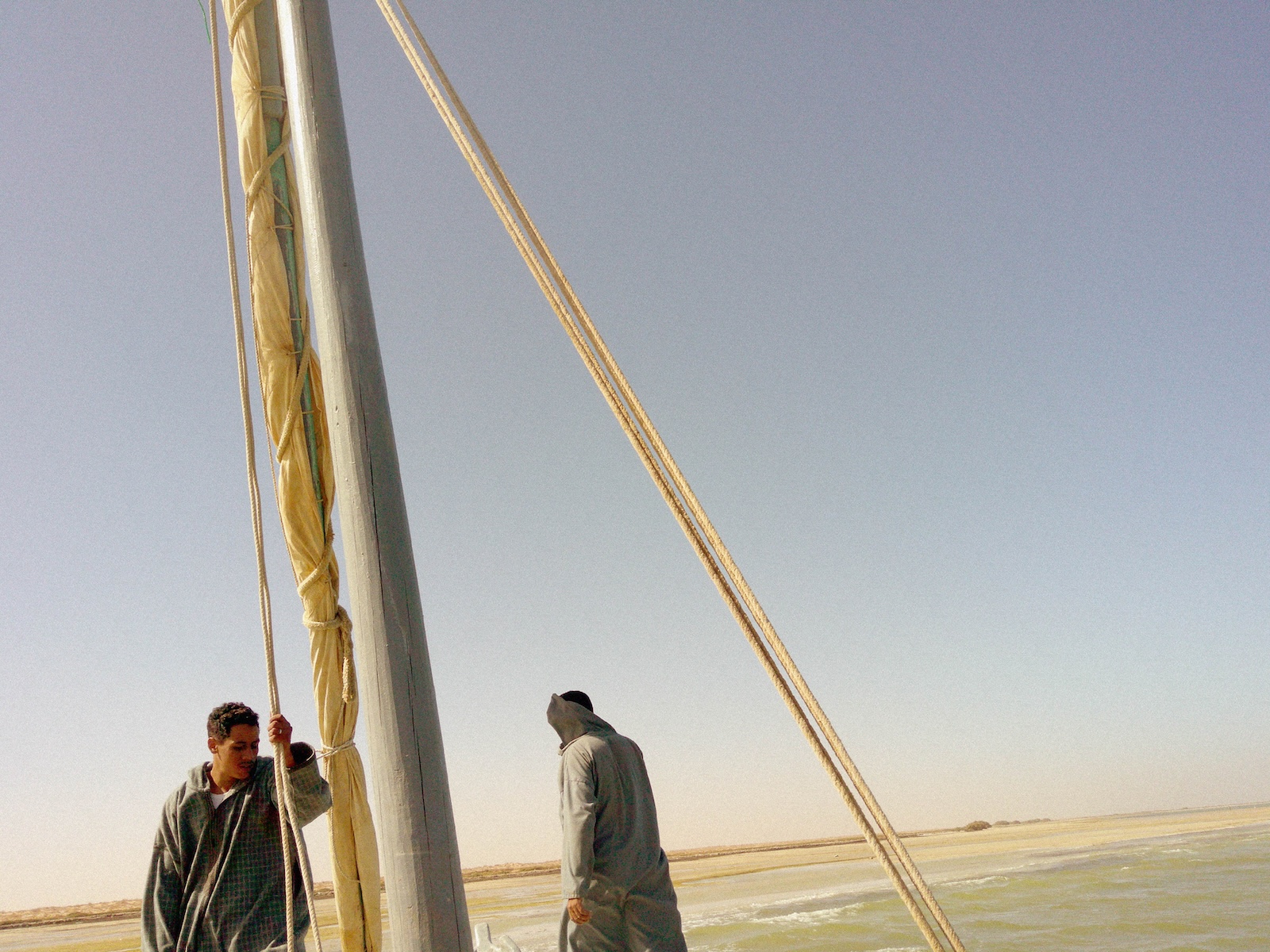
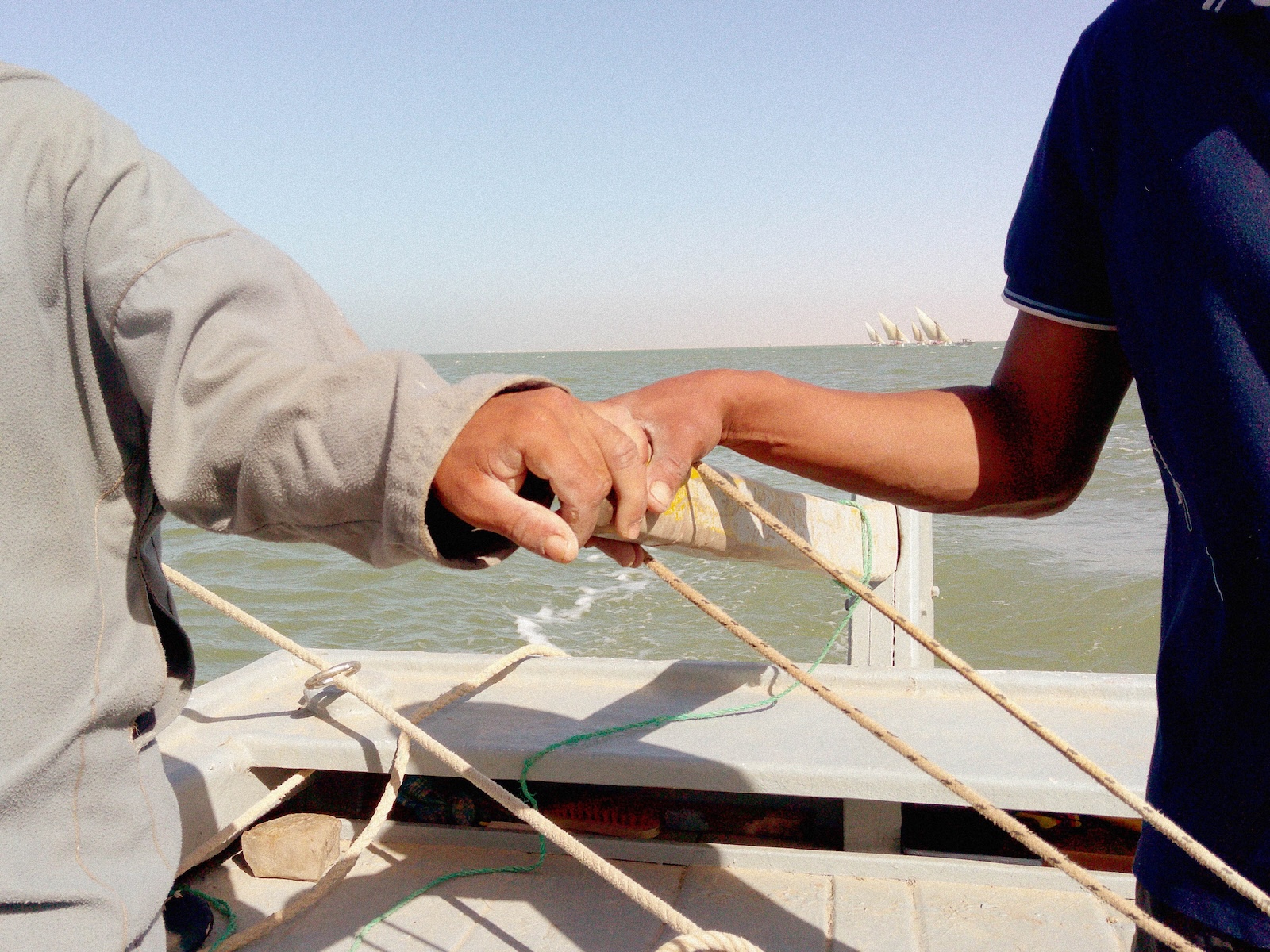
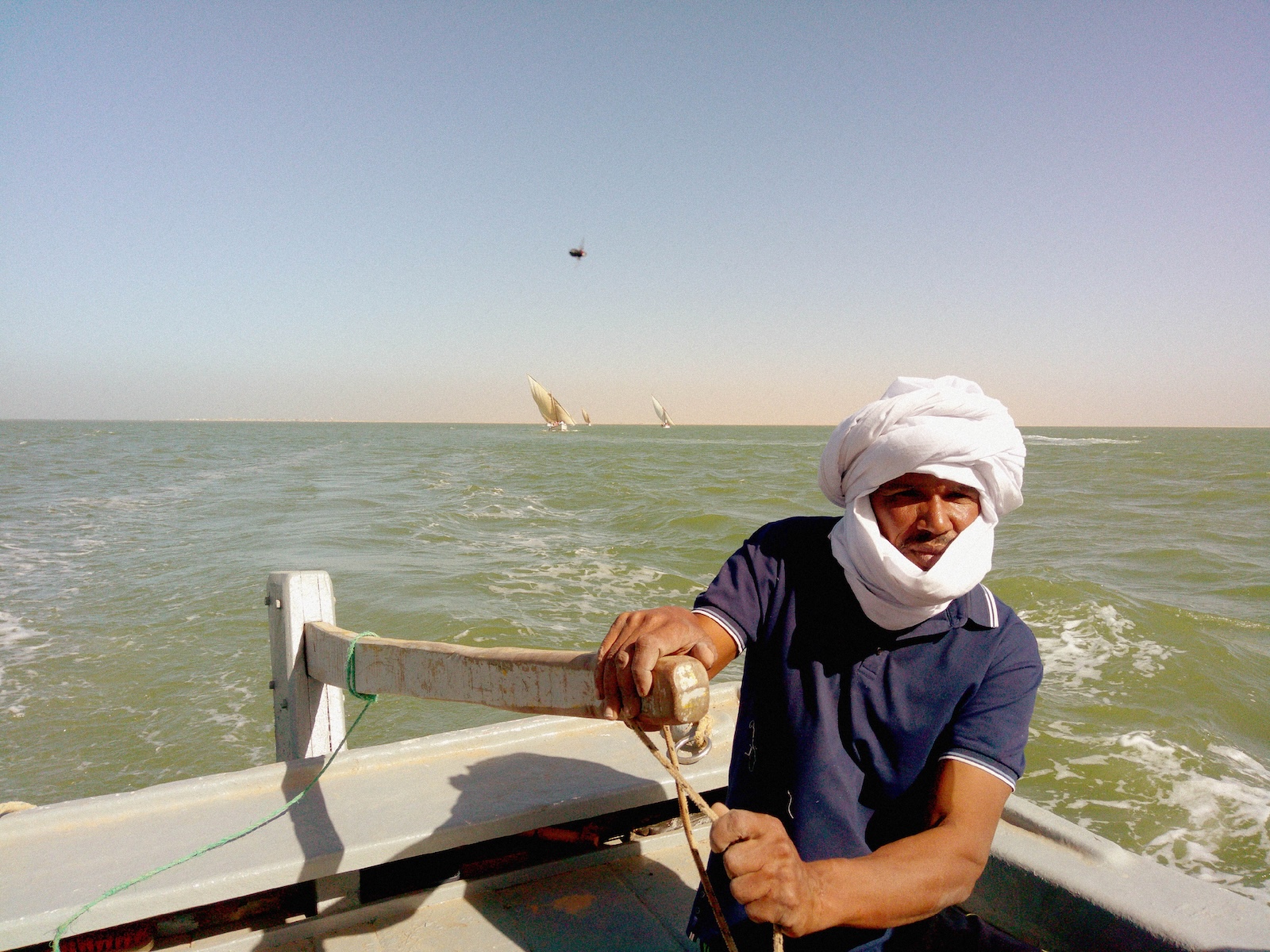
“The opportunity to meet the [Indigenous] Imraguen communities, visit different villages, and travel across various parts of the national park helped me better understand both the beauty and the fragility of these environments. It became clear that preserving them is not only an environmental issue but also a social and economic one,” according to Jelil.
At the week’s end, all participants plant a tree seedling on the wild shores of Banc d’Arguin. Jelil believes that the impact of their march extends beyond the boundaries of the national park. The symbolic act does raise awareness of the Sahel, both domestically and internationally, which continues to be overlooked despite disproportionately contributing to climate change impact on Mauritanian populations—whether or not ‘eco-anxiety’ is used in local lexicon.
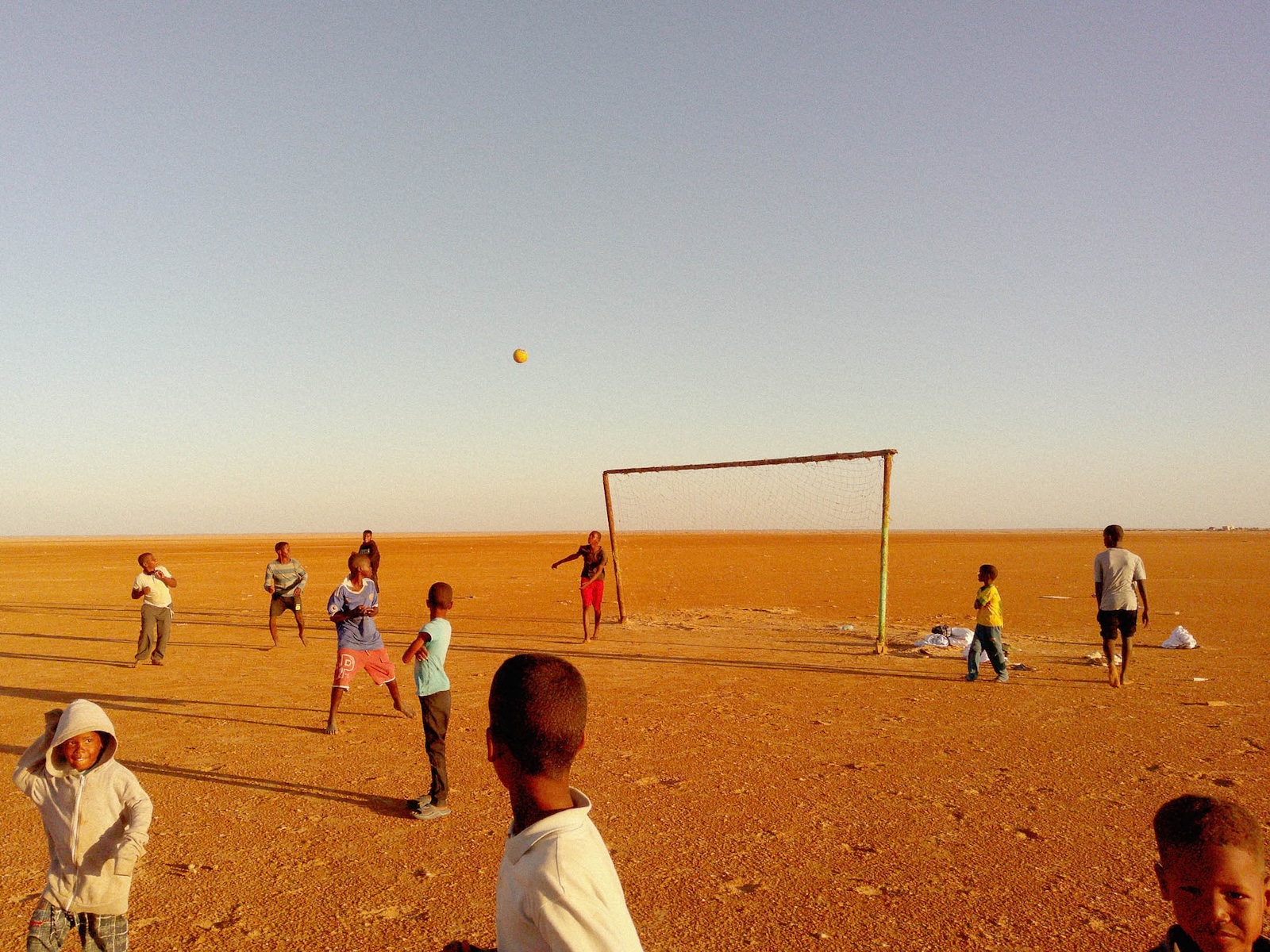
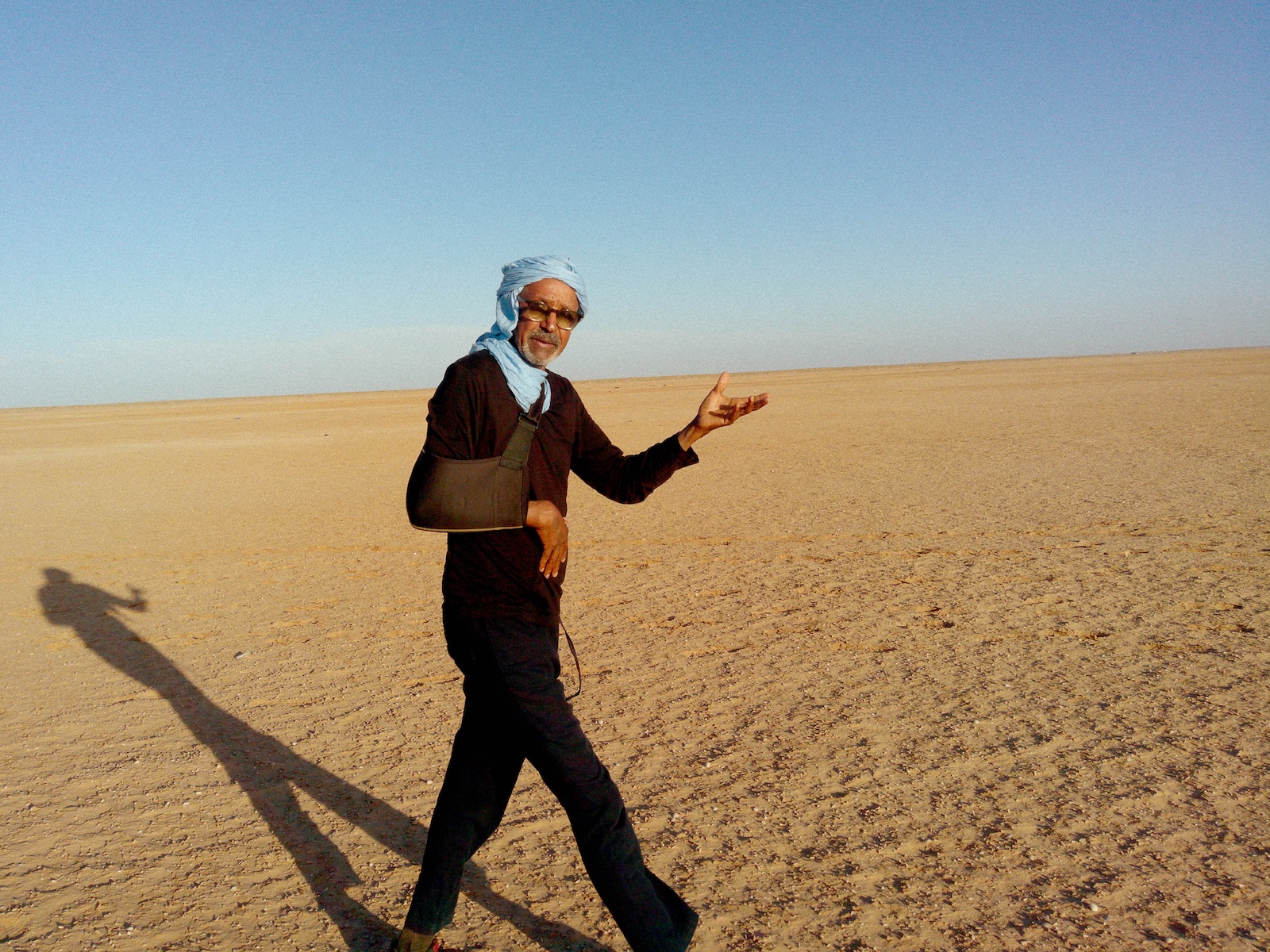
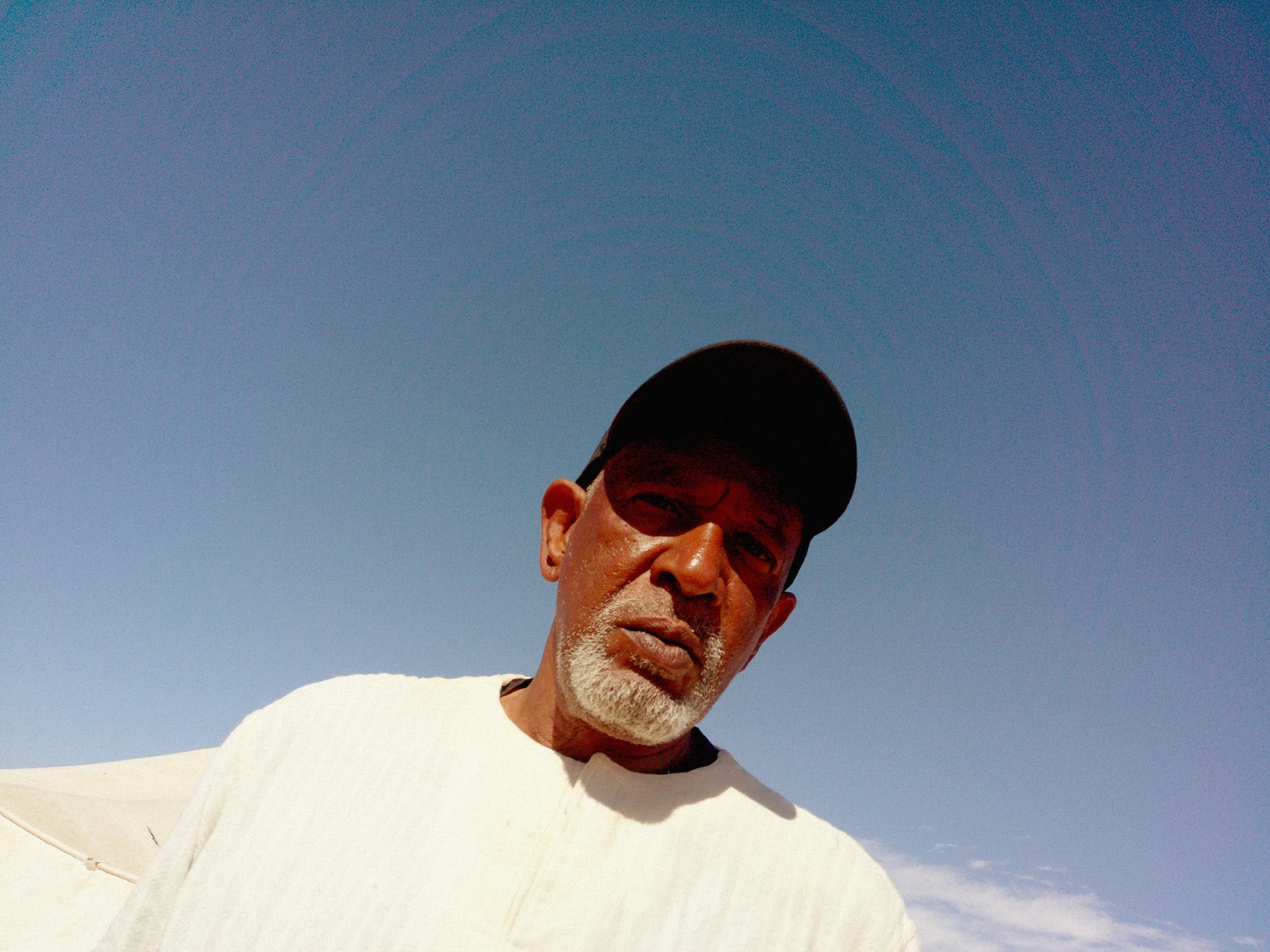
Confronted by challenges of paralyzing magnitude, awareness is the first step to enacting change. “We had people from different ages attending the march - starting from 5 years old to 75-year-olds,” says Jelil, “Which is quietly impressive.”
Le Marche Bleue is an initiative to amplify environmental challenges before it is far too late, says Sissacko, the filmmaker, in the lengthening evening light as we approached the small village of Teichott. “We have the responsibility to educate and take care of what we have, pass these lessons on to the next generation.” He adds that there should not be geographical limitations to this issue. “To me, society and the environment are linked—they are impossible to separate.”