
“I say goodbye with a broken heart; each passing day increases our pain. I only cry out for humanity. We are not asking for privileges, I only ask that they give us back the peace of mind of knowing that Joel is alive, healthy, and has the opportunity to defend himself.”
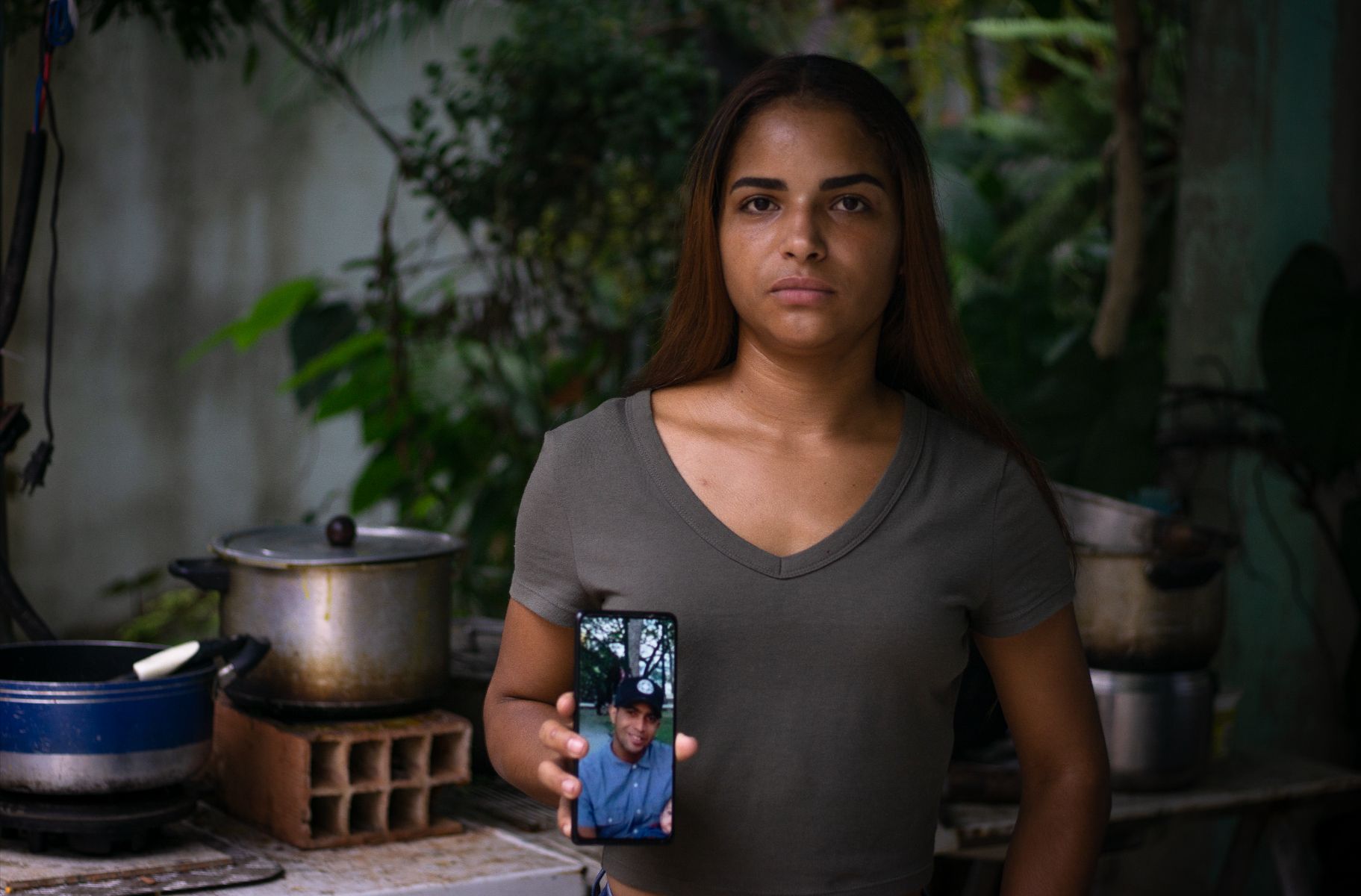
This is how Evelin concluded her letter addressed to the Attorney General of the Bolivarian Republic of Venezuela, days after her son Joel Bravo Quiaro disappeared.
Joel served as an official in the Criminal Investigations Division of the Bolivarian National Police (PNB). Despite it being his day off, he was called in by his immediate superior, Commissioner Peña, to report to the base on Lecuna Avenue in Caracas. Joel went there, and was never seen again.
The next day, his mother Evelin and his partner Yaxzodara began searching for him in all the detention centers across Caracas, and at every single location, they denied that Joel was there. Since then, anguish, uncertainty, and a deep pain have taken root in their hearts and minds - a pain shared by hundreds of Venezuelan families finding themselves in a similar situation.
Forced disappearances and politically motivated arbitrary detentions in the country have been denounced for years by victims, civil and human rights organizations, journalists, and international bodies.
These practices often function as a form of collective punishment, extending the suffering beyond the disappeared or detained individual to their families, who are left navigating threats, institutional silence, financial strain, and the daily responsibilities of care. Women disproportionately shoulder this burden, frequently becoming both primary caregivers and heads of household.
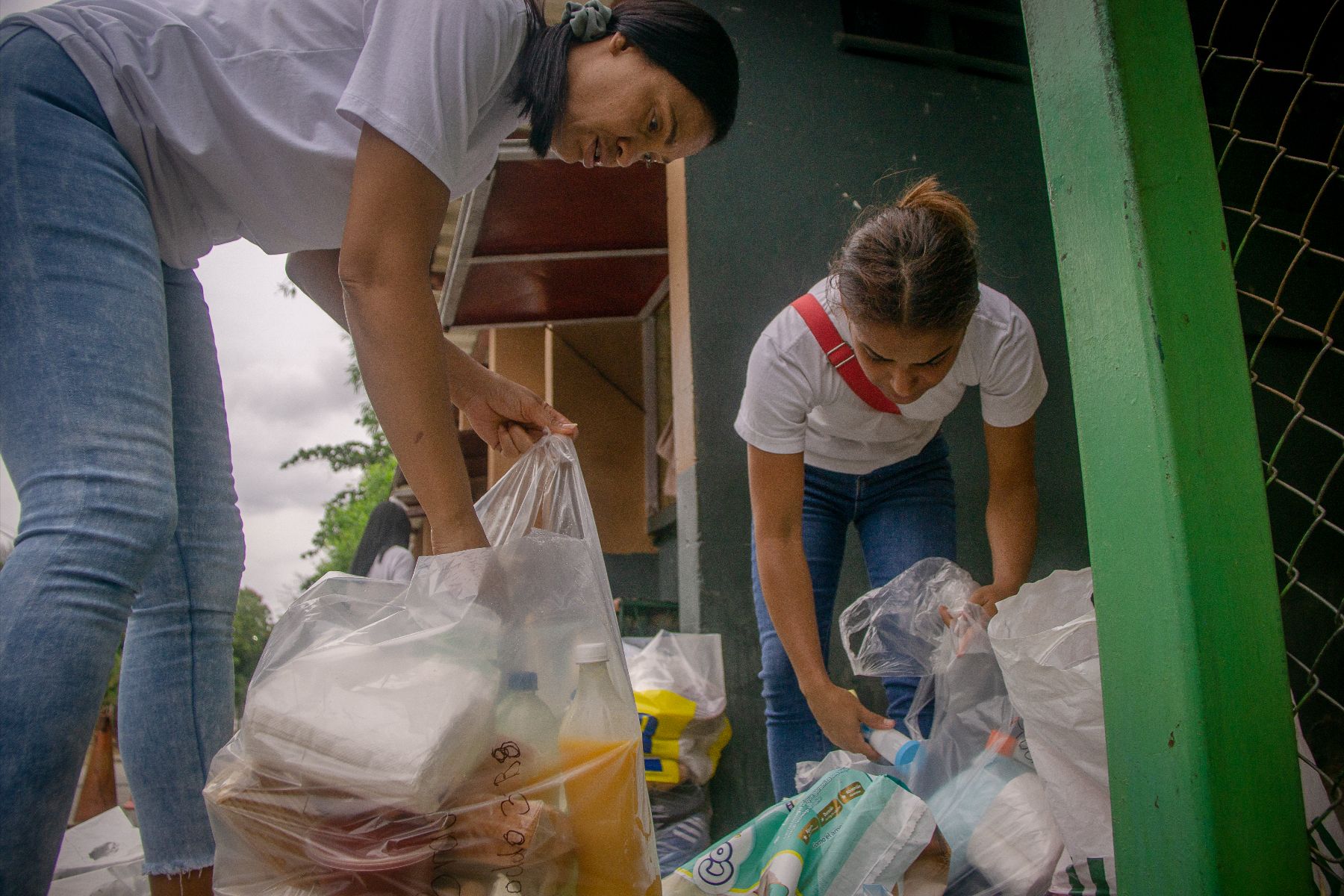
In the face of these forced absences, women also take on the labor of activists - demanding justice, truth, and freedom, acting as guardians to ensure that judicial processes move forward. Meanwhile, they are responsible for ensuring that their detained loved ones receive food and basic essential supplies, ongoingly visiting them and transporting care packages to detention centers.
These mothers, wives, daughters, and sisters confront a government that controls all branches of the State, including the judiciary body. And even when top government spokespersons promise mass releases, these are never carried out. On the contrary, legal proceedings remain open without due process and completely outside the rule of law.
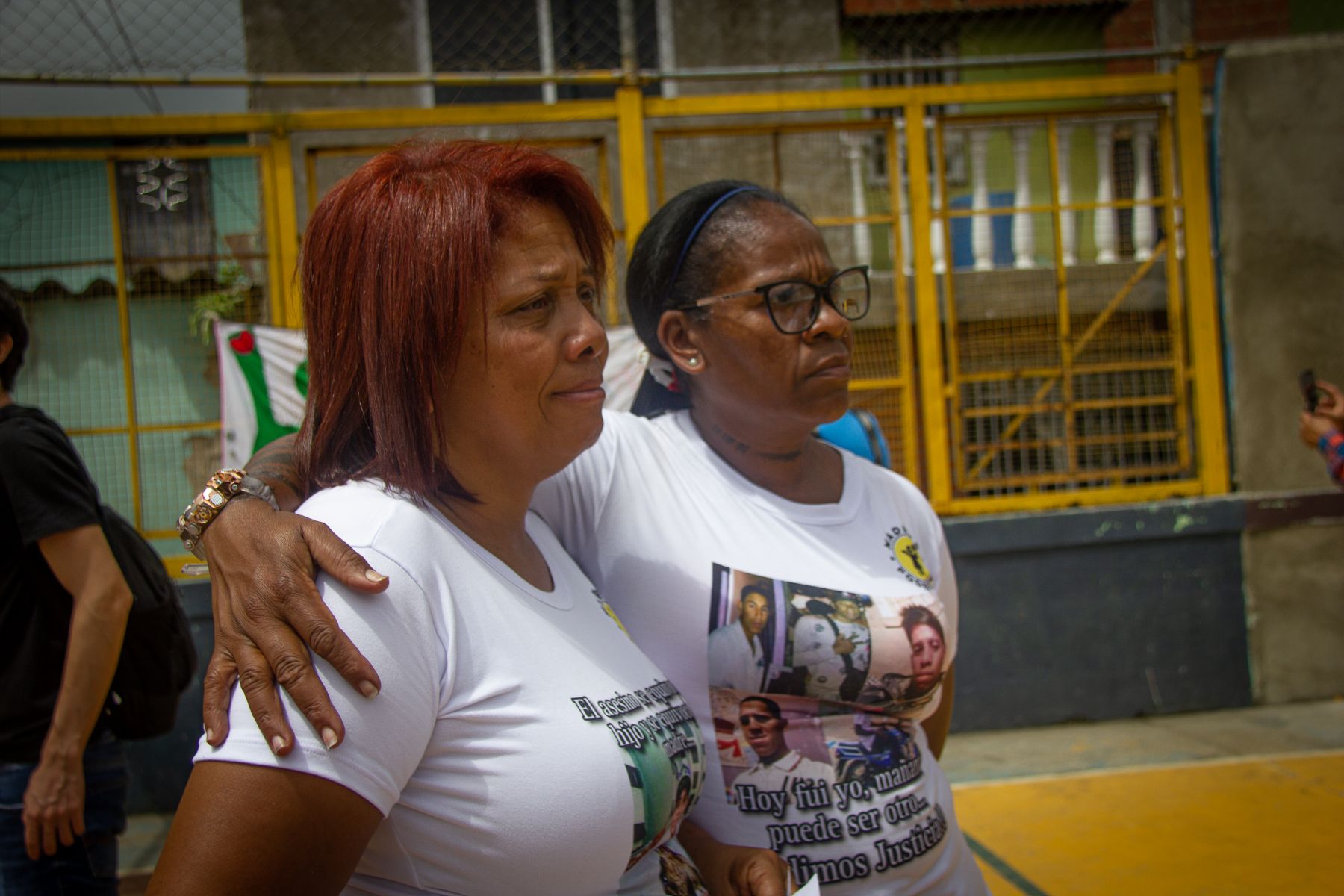
Meanwhile, from the legislative branch, laws are enacted and used as tools of fear, control, and punishment against anyone who challenges the state, including opposition politicians, dissidents, activists, and journalists. Yet, it is groups like this - women who continue to resist with their relentless demands and love.
“We didn’t have any information at all. His boss, Peña, told us that he had only received the order to call him in and that there was an open investigation. And nothing else,” Evelin recounts. “I couldn’t even work; all I did was think ‘Where is he? Why won’t they tell me?’ My heart felt broken, and it is still broken.”
Almost every day, they went to the criminal courts to find out if he had already been brought before a judge. But when they found no information, they would return home with their hopes shattered - exhausted, with no desire to eat or sleep. They would simply wake up the next day to head out in search of answers again.
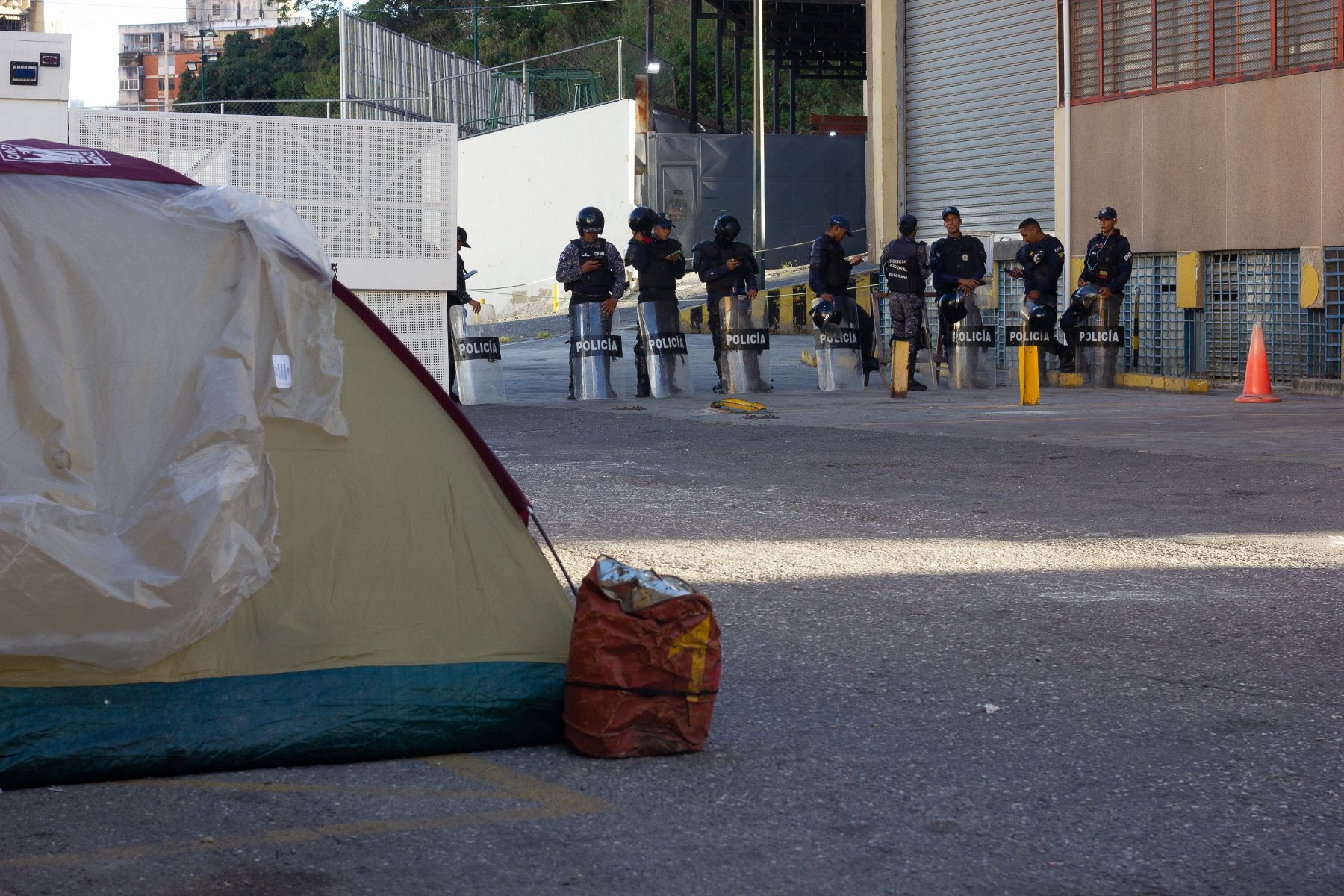
Eventually, Yaxzodara went to Zona 7 - where the PNB Detainee Control and Custody Center is located. She told the police officers guarding the entrance that she was looking for information about a detainee there named Joel. They denied that anyone was detained there and told her that they were only there to dismantle the facilities. Even so, Yaxzodara had a gut feeling that he was there.
In its 2025 Annual Report on the Human Rights Situation, the Venezuelan Education-Action Program on Human Rights (PROVEA) highlighted that these enforced disappearances are part of a pattern of political detentions. That year, they recorded 513 people detained for political reasons. According to their historical records, over the last 17 years, this would be the year with the second-highest number of detentions - surpassed only by 2024, in which 2229 victims were recorded. Regarding enforced disappearances, the NGO registered 160 victims in 2025. However, it is necessary to note that these figures are based on reports from victims, family members, or press coverage - meaning there could be more cases that remain unknown.
After nearly two months without any official information regarding Joel’s whereabouts, the pivotal events of January 2026 occurred: the US military incursion into the country and the extraction of Nicolás Maduro and Cilia Flores to bring them before US justice, followed by the official announcement of mass prison releases.
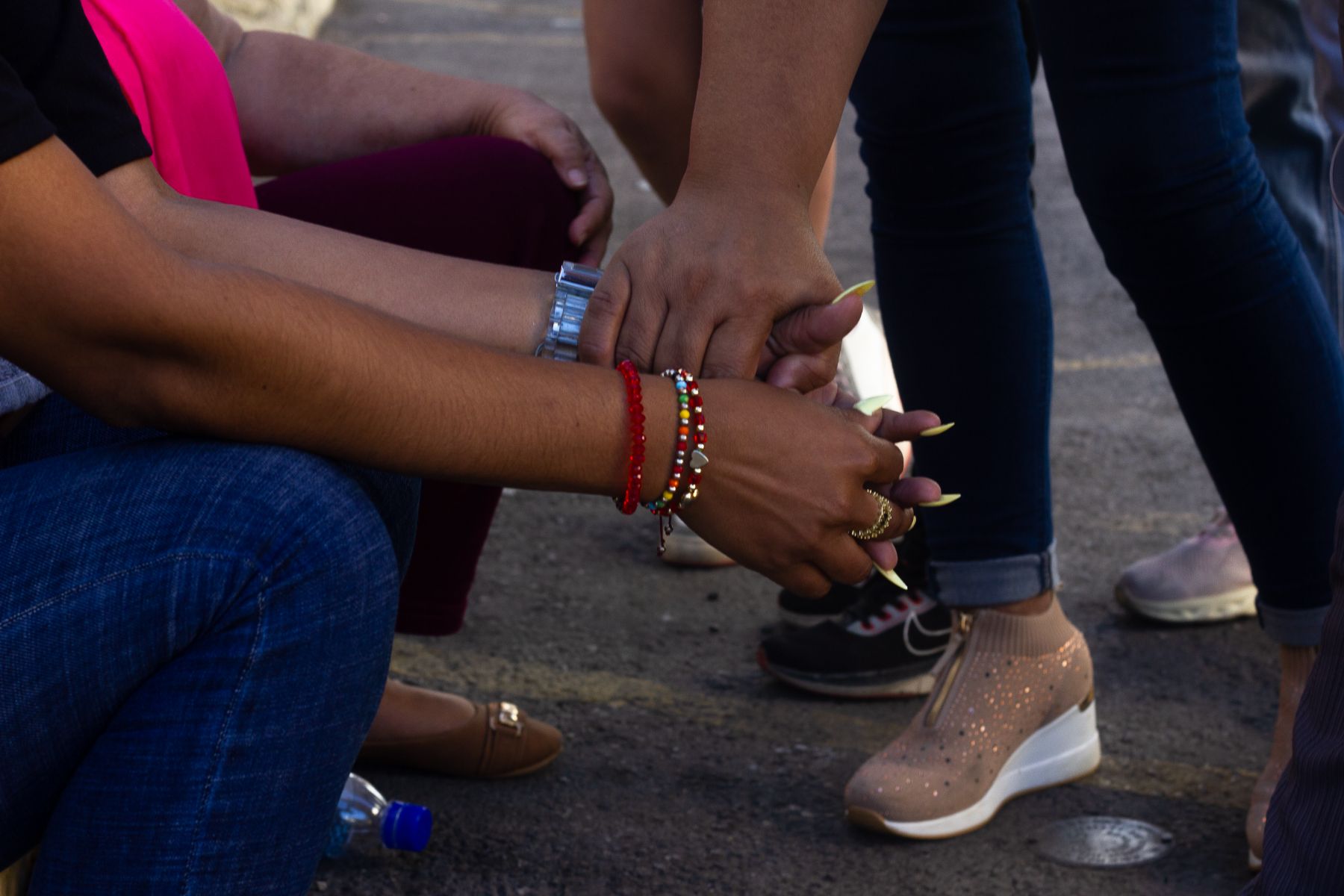
This prompted family members - mostly women - to gather outside detention centers across the country, waiting for their loved ones to be set free.
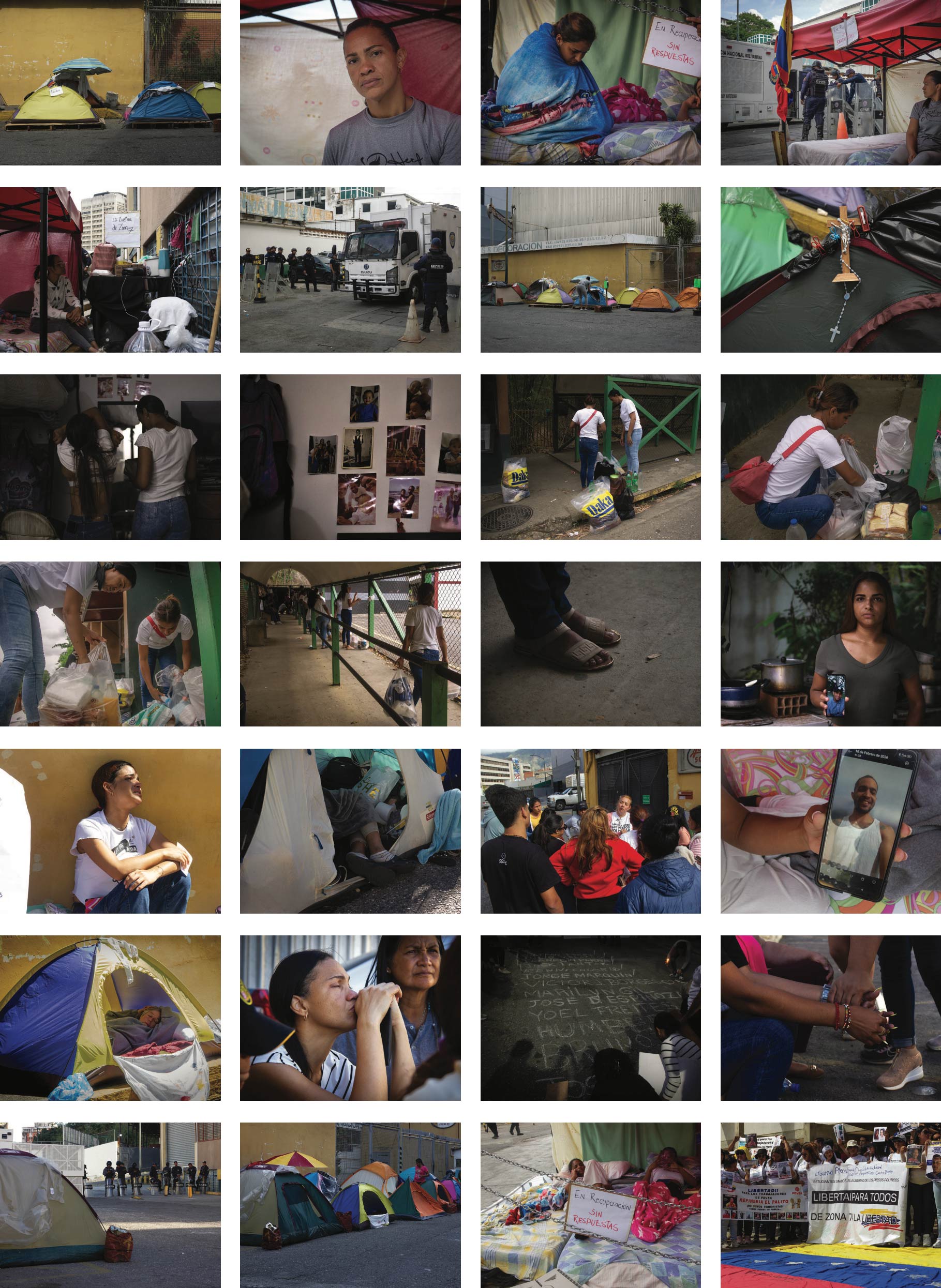
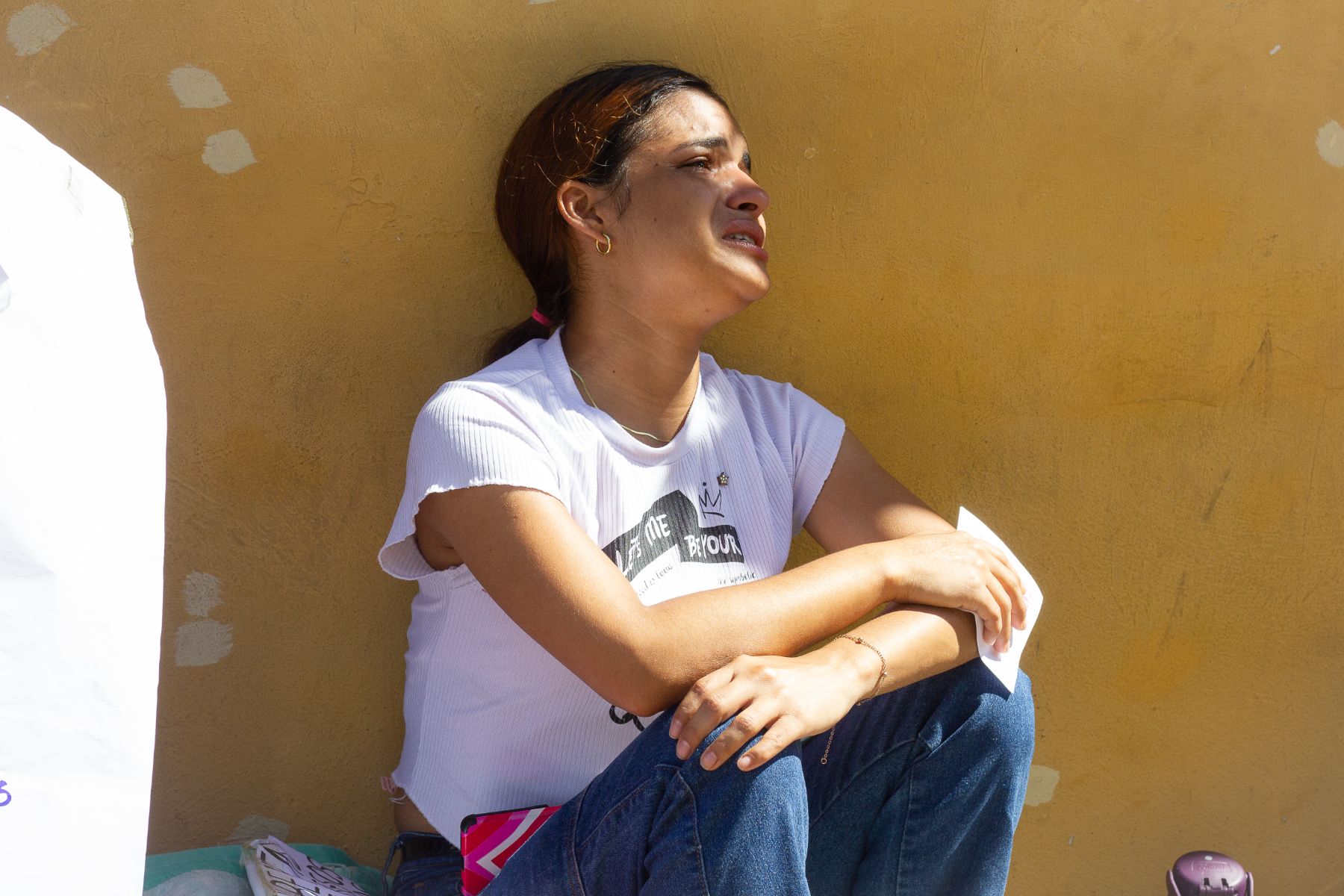
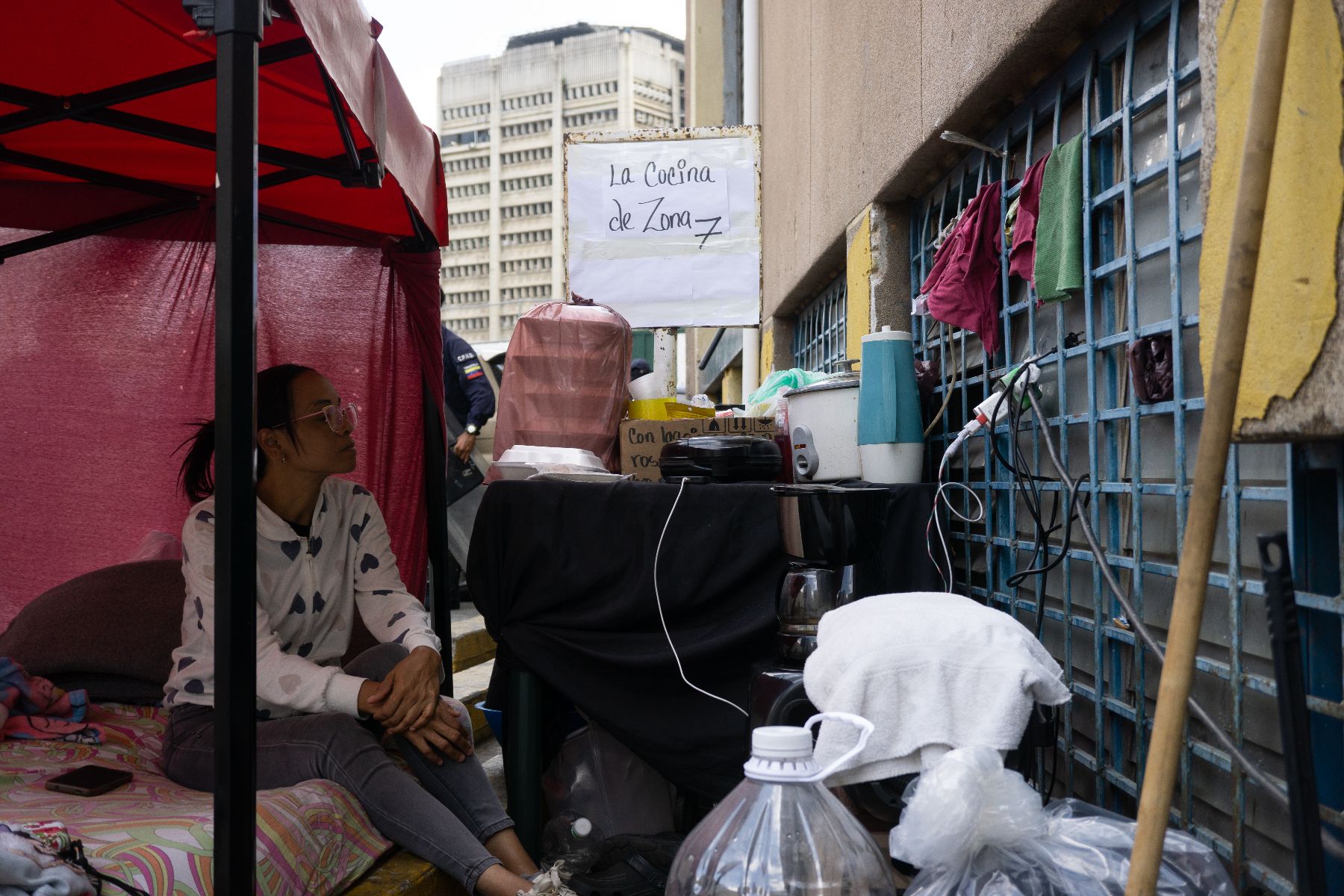
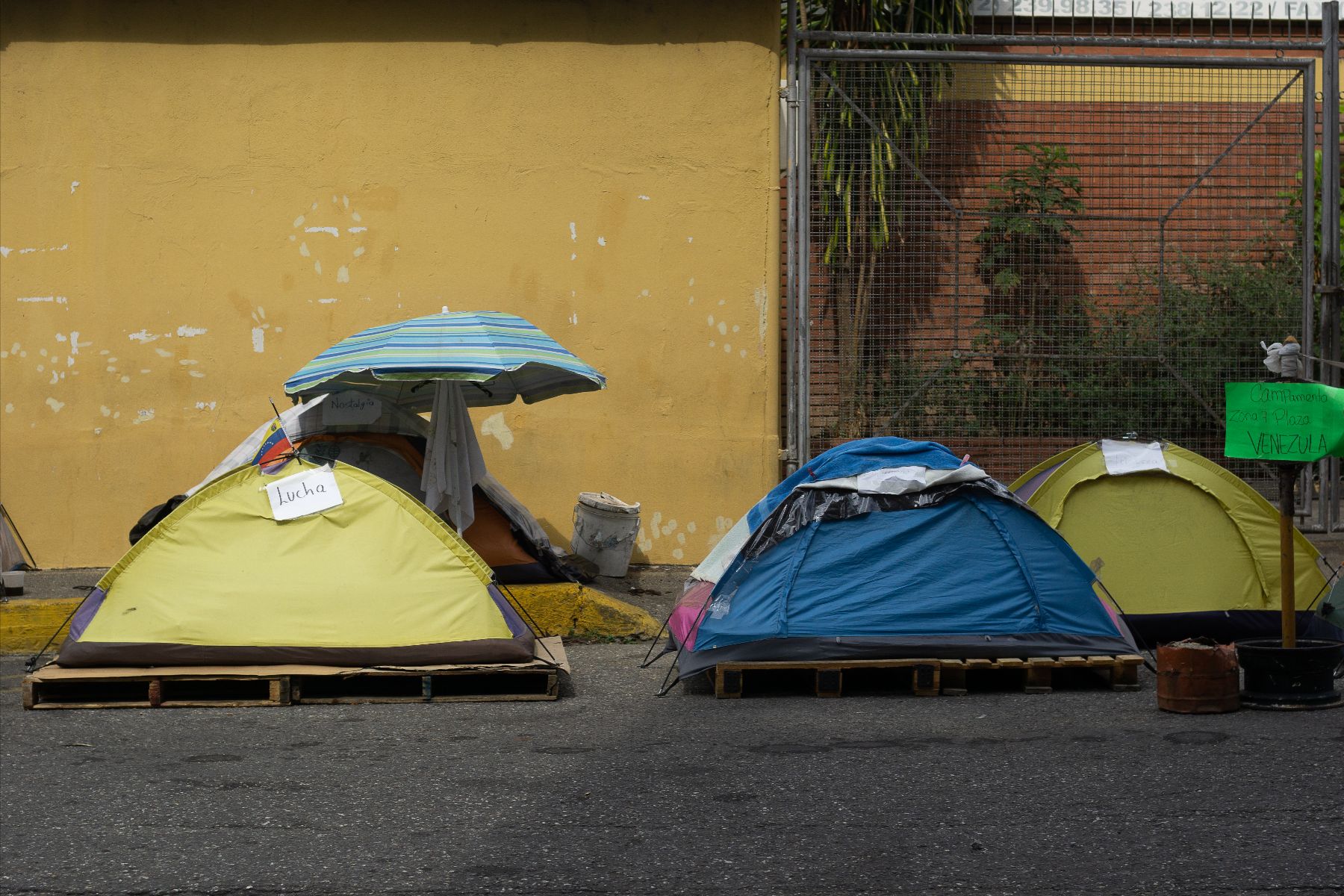
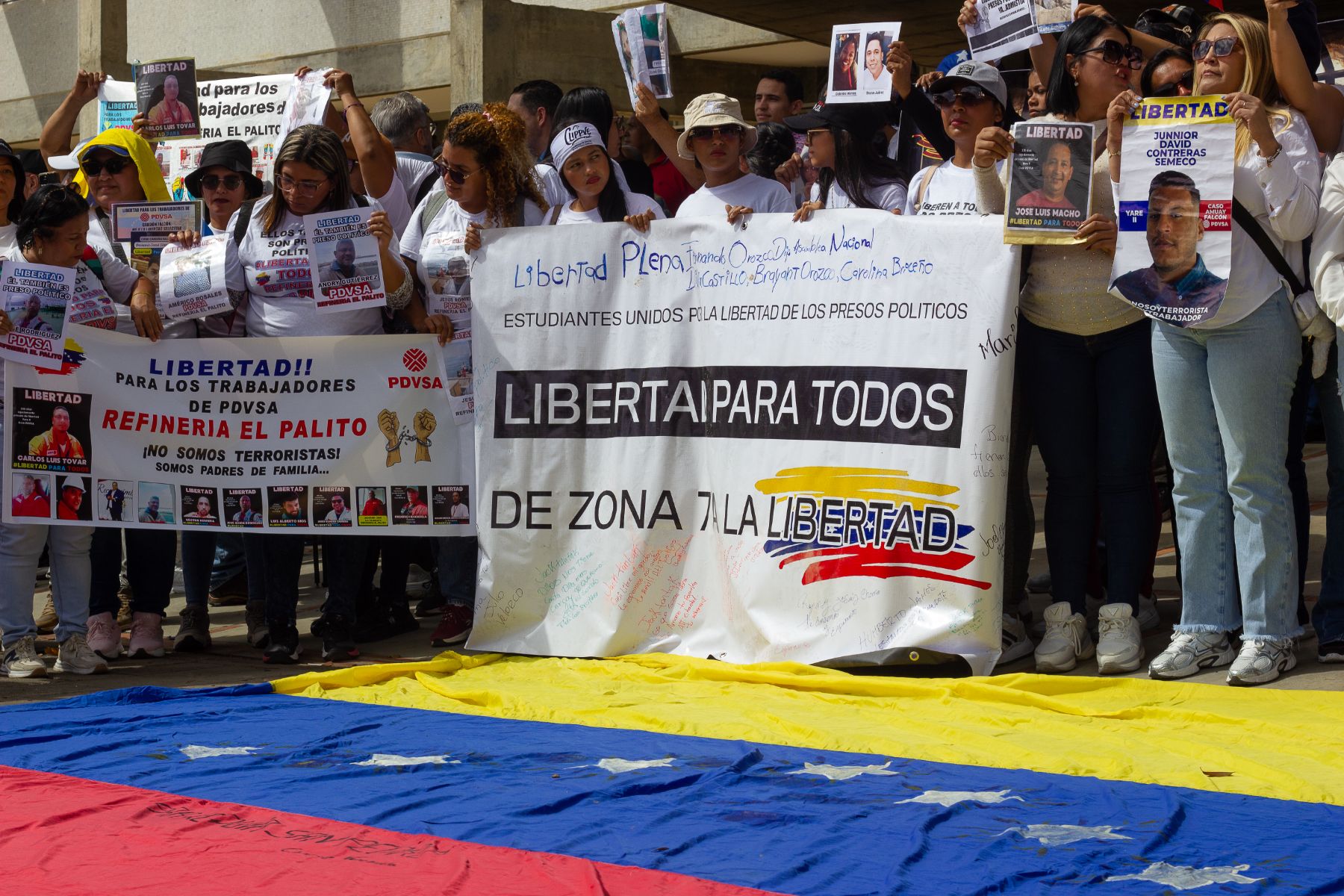
Among them were Evelin and Yaxzodara, who stationed themselves outside Zona 7 along with nearly twenty other women. From that day on, they remained there. They spent their nights out in the open, sleeping on sidewalks and later in donated tents, utilizing makeshift street bathrooms as days rolled by without any official responses.
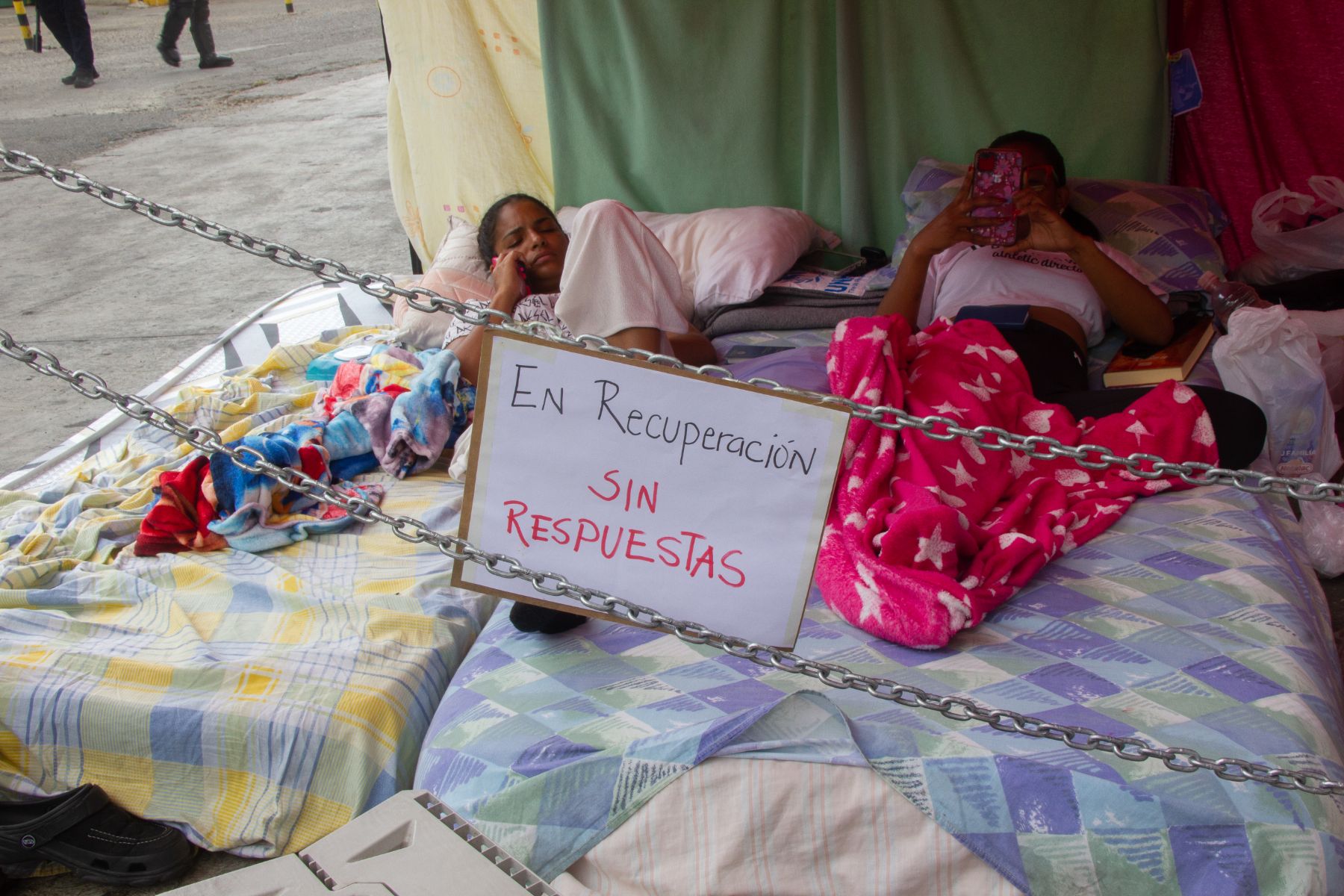
It wasn’t until weeks later that the lists of individuals detained in Zona 7 were officially confirmed, with Joel among them. Even so, the promised releases did not take place. The women decided to hold vigils, chain themselves up, and denounce their cases through the media.
Faced with this pressure, a second official promise of release was made the next month, specifically targeting the detainees at Zona 7 and announcing that everyone would be released in the coming days. However, another broken promise followed. In response to the agonizing wait, several women started a hunger strike. This led to the release of seventeen people, but not all of them. Consequently, some continued the hunger strike, until their bodies collapsed and they could no longer sustain it. Nevertheless, they remained stationed outside the detention center.
Cases of disappearances and detentions do not end with the victim; they extend to the entire family, especially the women closest to them. This makes them indirect victims of a system that violates them - a power that seems to gamble on erasure and exhaustion.
But how can a mother stop searching for her son? Or stop demanding his freedom in the face of arbitrary detentions?
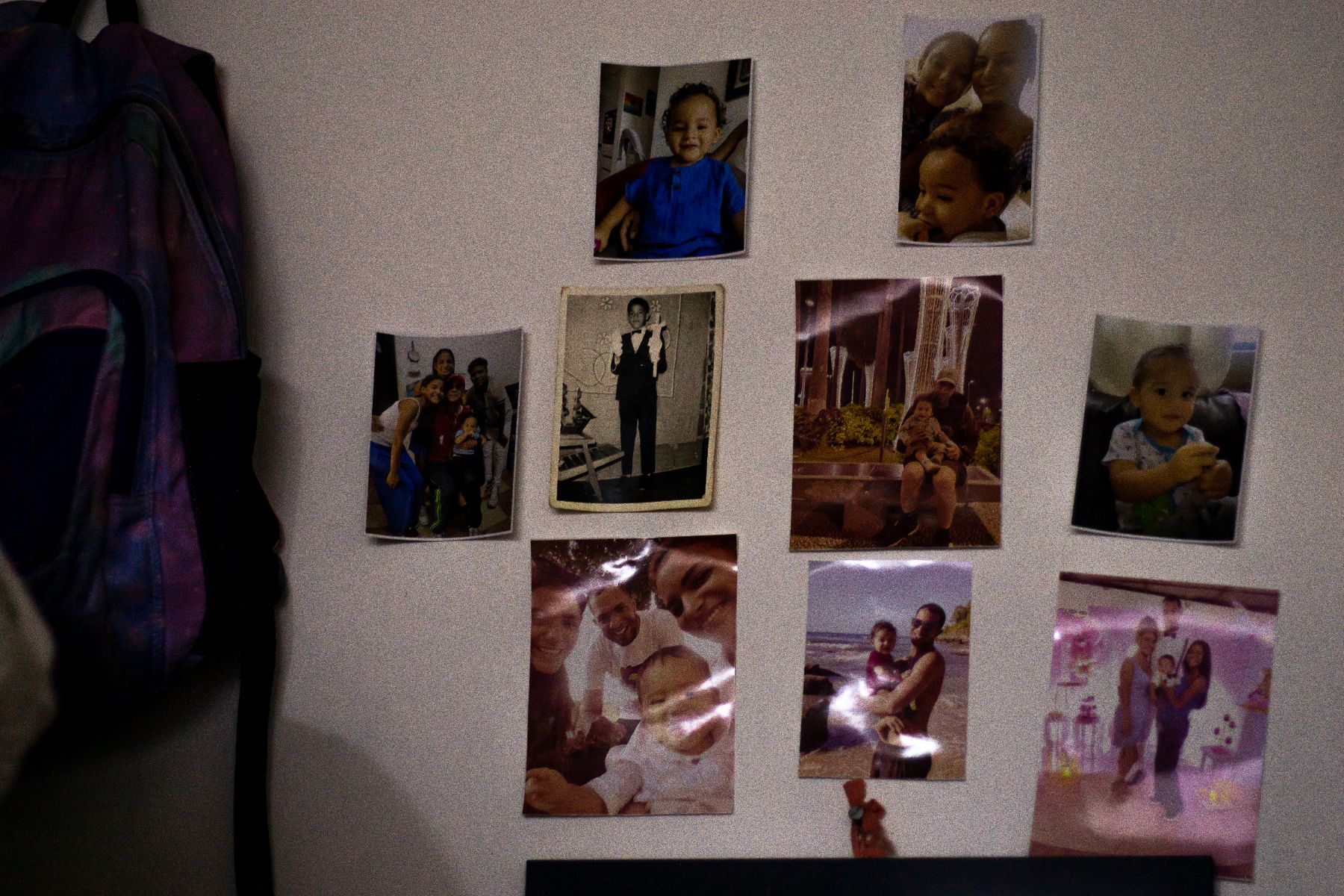
The case of Mrs. Carmen Navas showed the country and the world the cruel face of a power that seeks to sustain itself on suffering. Carmen was an 81-year-old mother who searched every single detention center for her son, Víctor Hugo Quero Navas, who had been detained and disappeared. This mother pleaded with the authorities for nearly seventeen months until very recently, when she was officially informed that her son had died under state custody a year prior. Carmen died 10 days after identifying his body and burying him with dignity. Unfortunately, she is not the first mother to die waiting to be reunited with her detained or disappeared child.
For Evelin, Mrs. Carmen’s case has left her with an immense fear, and she is anxious that her son might fall ill in prison.
“Every time I leave after seeing him, I start to cry because I don’t want to leave him. He begs me to get him out of there and tells me we shouldn’t stop fighting. And that is exactly what we will do.”
The group of relatives outside Zona 7 managed to secure the release of most of their loved ones, but for others, the ordeal continued. Joel did not benefit from the Amnesty Law, nor was he released. On the contrary, two months ago he was transferred along with seven companions to another penitentiary center south of Caracas.
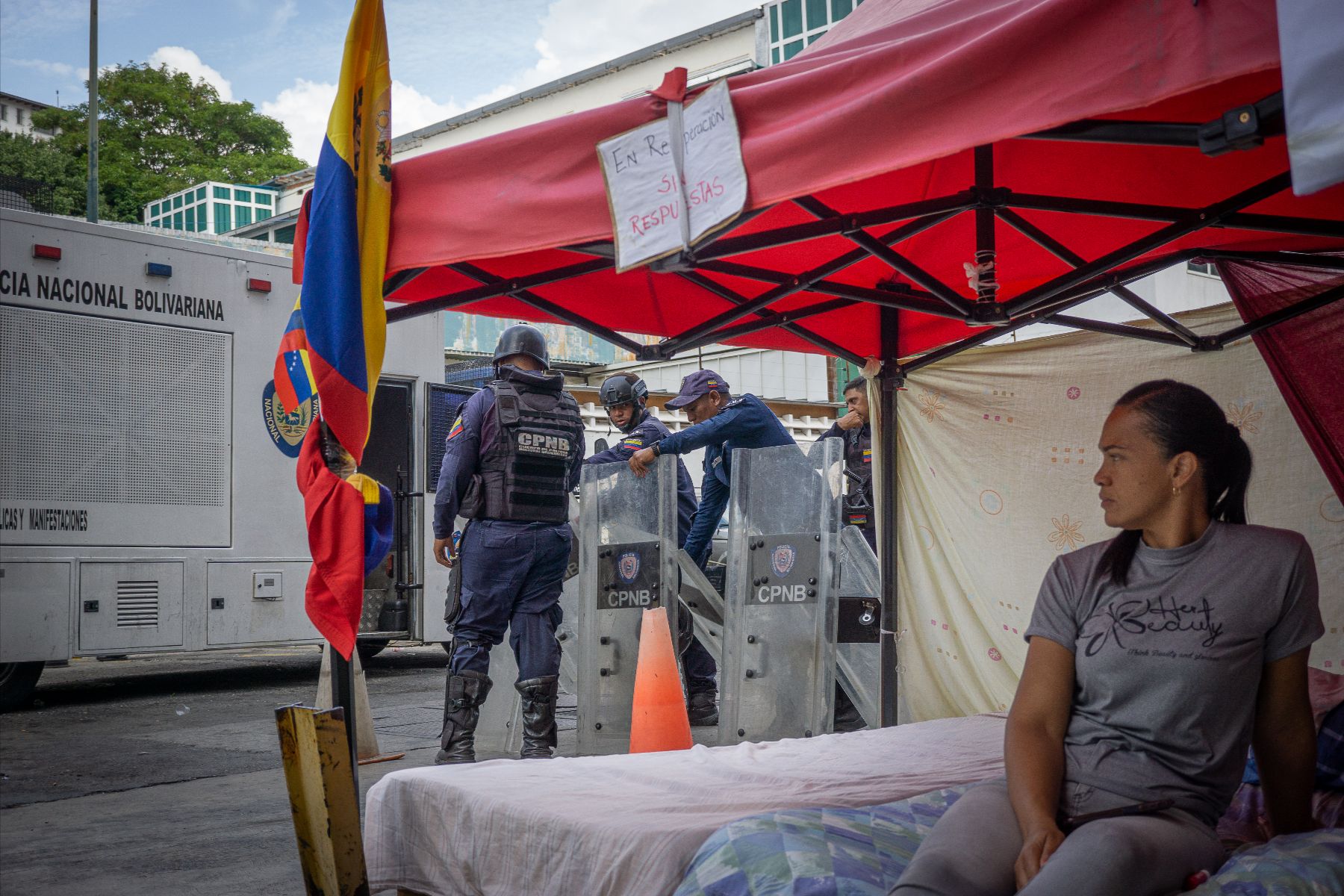
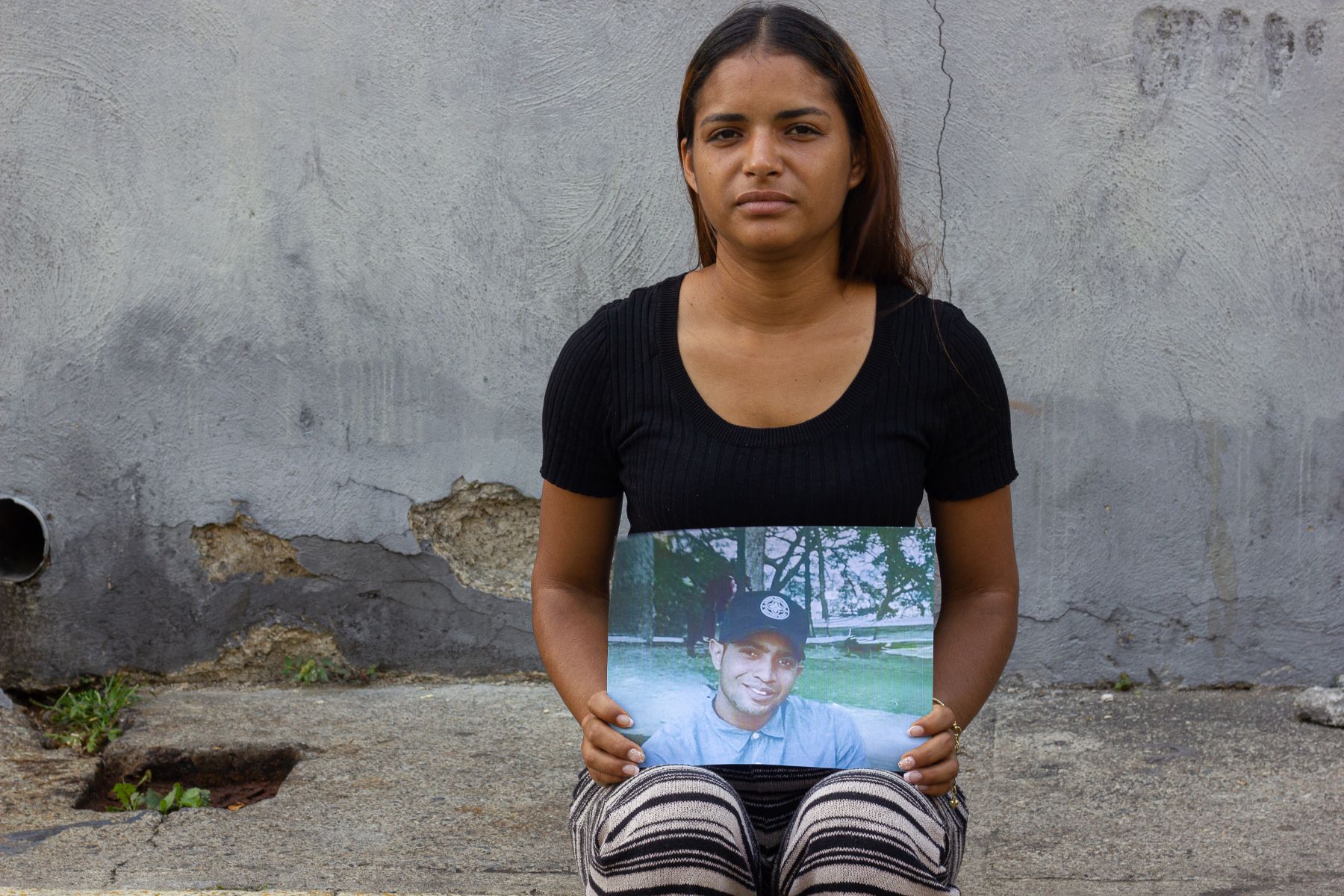
Evelin had to adapt to a new routine. While Joel was at Zona 7, she commuted back and forth from her home in Barlovento, roughly an hour away from Caracas. During the more than two months he spent at Zona 7, she would leave her job in Barlovento on Fridays and head straight to the detention center, returning home early Monday mornings. Now, following Joel’s transfer, she must travel once a month to Yare to deliver care packages and visit him. Even so, she ensures he receives provisions every 15 days - including food, medicine, and basic essentials - by alternating biweekly trips with Yaxzodara.
On top of travel expenses, Evelin must now cover nearly $400 a month for these biweekly trips and packages. Furthermore, Joel’s job had provided the primary income for the home he shared with his partner and their two children. Yaxzodara’s situation has become increasingly difficult because she lacks a stable income, forcing Evelin to take on some of their household expenses as well. This is in addition to managing her own home in Barlovento, where she supports her teenage daughter who is still in school, and her father, who is battling cancer.
She feels that the official announcements of releases are nothing short of a mockery and a cruel game playing with her hope. The latest official announcements were made last month, yet Joel remains deprived of his liberty, facing a trial bogged down by judicial delays.
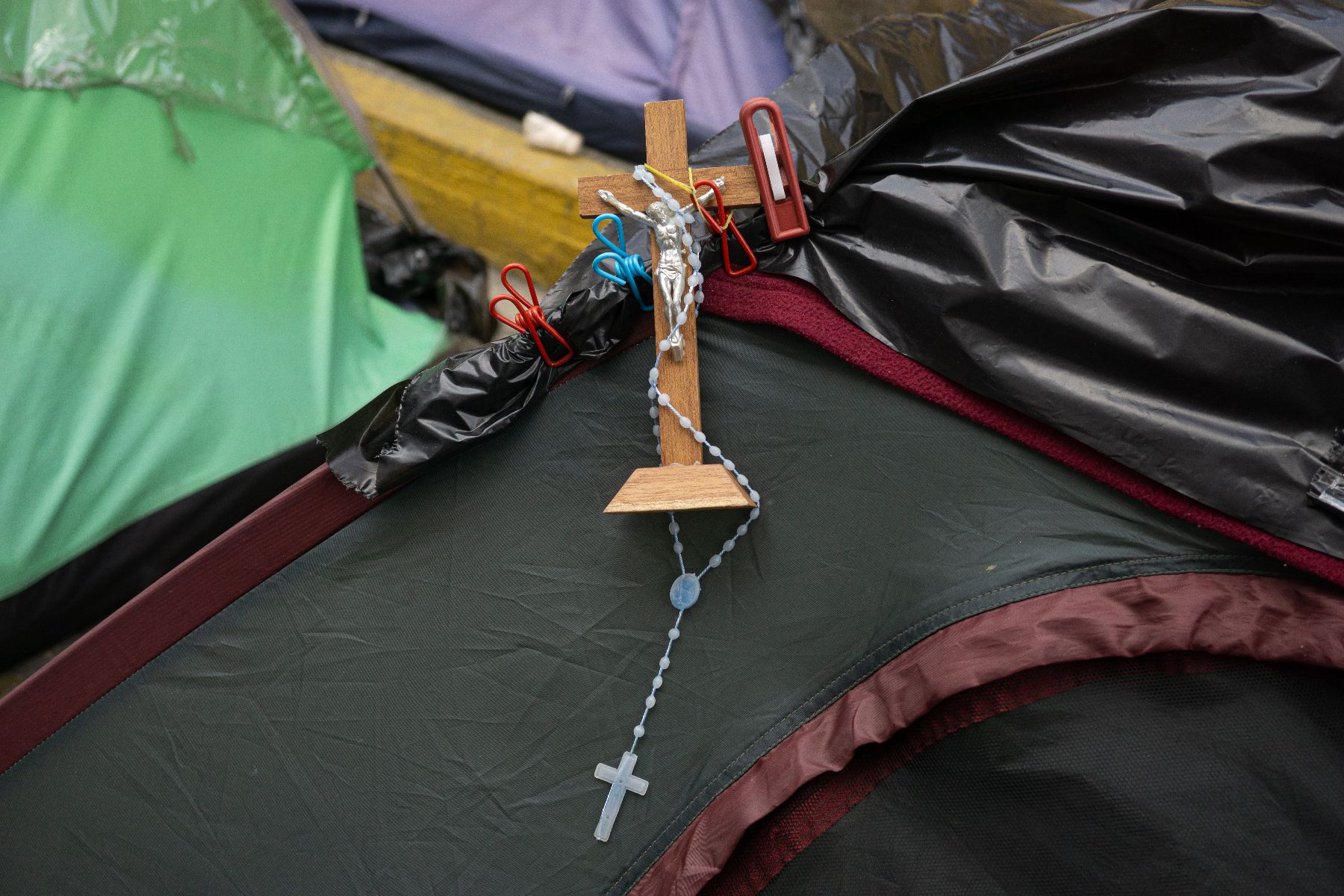
To date, organizations like Justicia, Encuentro y Perdón (Encounter, Justice and Forgiveness) estimate that more than 600 political prisoners remain deprived of their freedom, with 21 listed as victims of enforced disappearance.
In these circumstances, relatives like Evelin report that state institutions routinely refuse to accept their formal complaints, offer absolutely no answers, and occasionally receive disparaging treatment. Consequently, they have lost all faith in a system that is supposed to guarantee their rights. Despite everything, they continue to resist state violence that wears them down physically, psychologically, and emotionally - weaving networks of collective support to keep demanding justice.
Mothers of political prisoners are not the only ones facing challenges like this. In cases involving victims of extrajudicial executions in the country, mothers undergo grueling judicial processes in their pursuit of justice, noting that they are unable to grieve in peace.
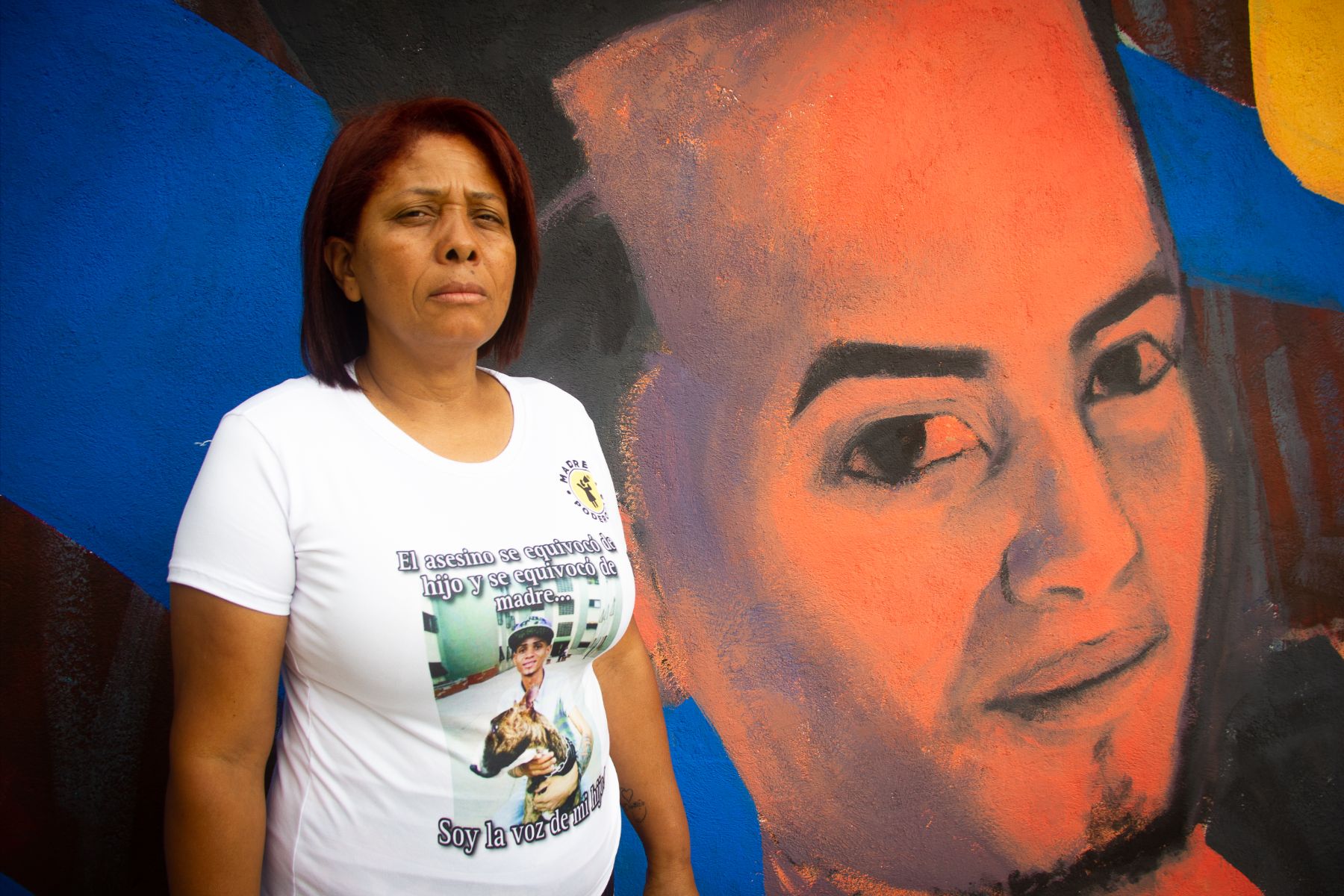
“We want to close this chapter; each passing day, their absence weighs heavier on us. While we may never have peace, we at least want justice. Instead, our lives are slipping away between courts and prosecutors’ offices,” notes Carmen Arroyo.
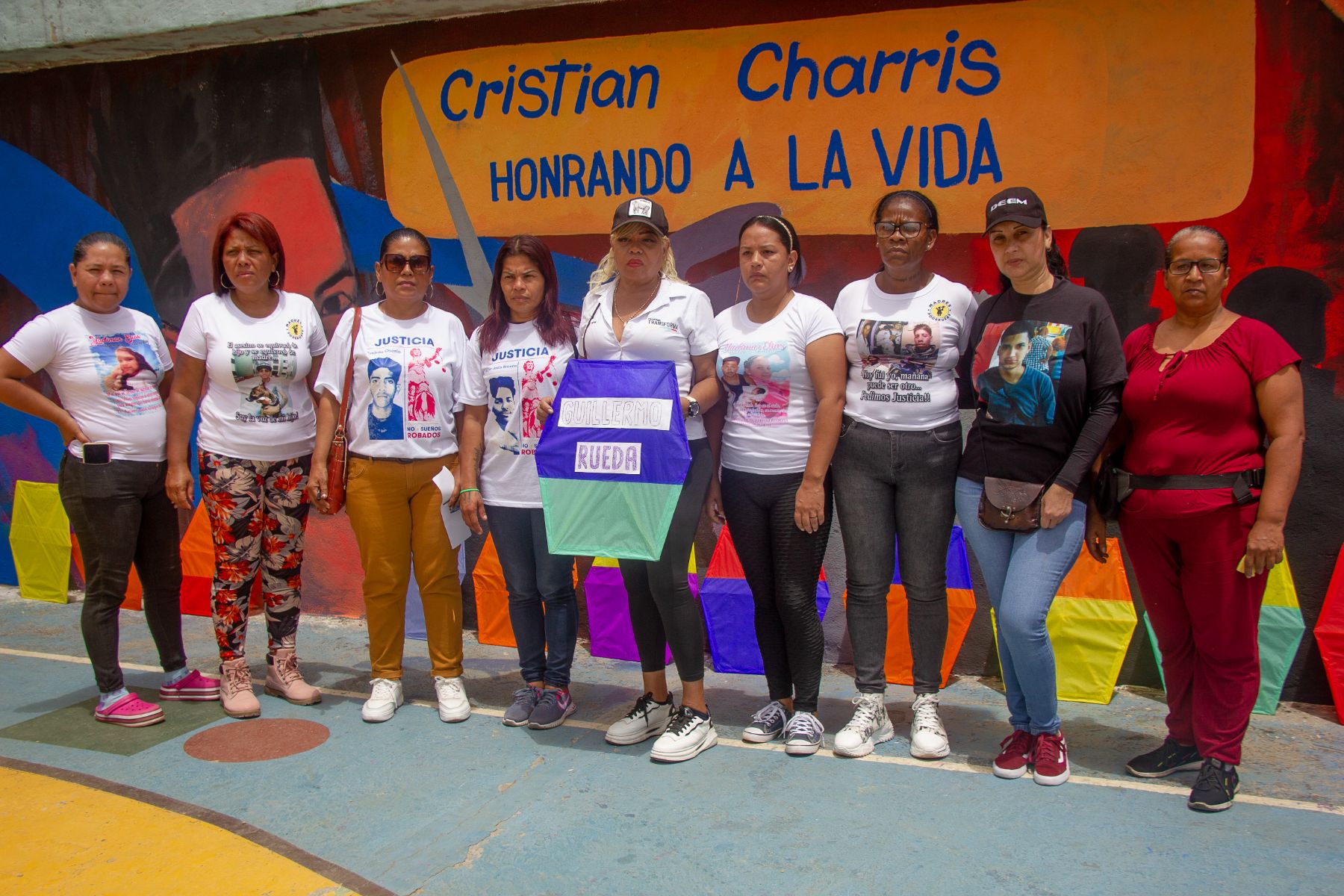
Carmen’s son, 26-year-old Cristian Charris, was killed in 2018, the morning after his birthday. Cristian was a barber and a father of three children. Six years later, the police officer who fired the weapon that killed Cristian was sentenced to 23 years and 8 months in prison. However, Carmen denounces that he is still being held in a temporary pretrial detention center. To date, Carmen has not been able to get his prison transfer enforced, nor has she seen the remaining accomplices - at least 10 other officers who were present that day - put on trial or sentenced.
Carmen is one of the founders of Madres Poderosas (Powerful Mothers), a support network for mothers of victims of extrajudicial executions, born out of the need to collectively lean on one another and train themselves to demand justice, thereby transforming their pain into political action built on a strong social fabric.
“A single one of us alone in the courts or the prosecutor’s office is not heard, but when we accompany each other, we are stronger together. That is how we have made slow progress, and even if we don’t see the true justice we are demanding, we will continue to support each other until the end.”