
Clout chasing is killing us. How do I know? Because I know all about clout.
Clout is what made South Central Run Club — a run club I co-created — a recognizable name in Los Angeles. Its namesake, after South Central Los Angeles, is an area that has faced not only long-term divestment but some of LA’s most violent upheavals. Due to the neighborhood’s portrayal in popular media, a run club is not what you picture when you think of South Central. You think Nipsey Hussle. Maybe Boyz-N-Tha-Hood. Outsiders don’t visualize health, let alone a run club.
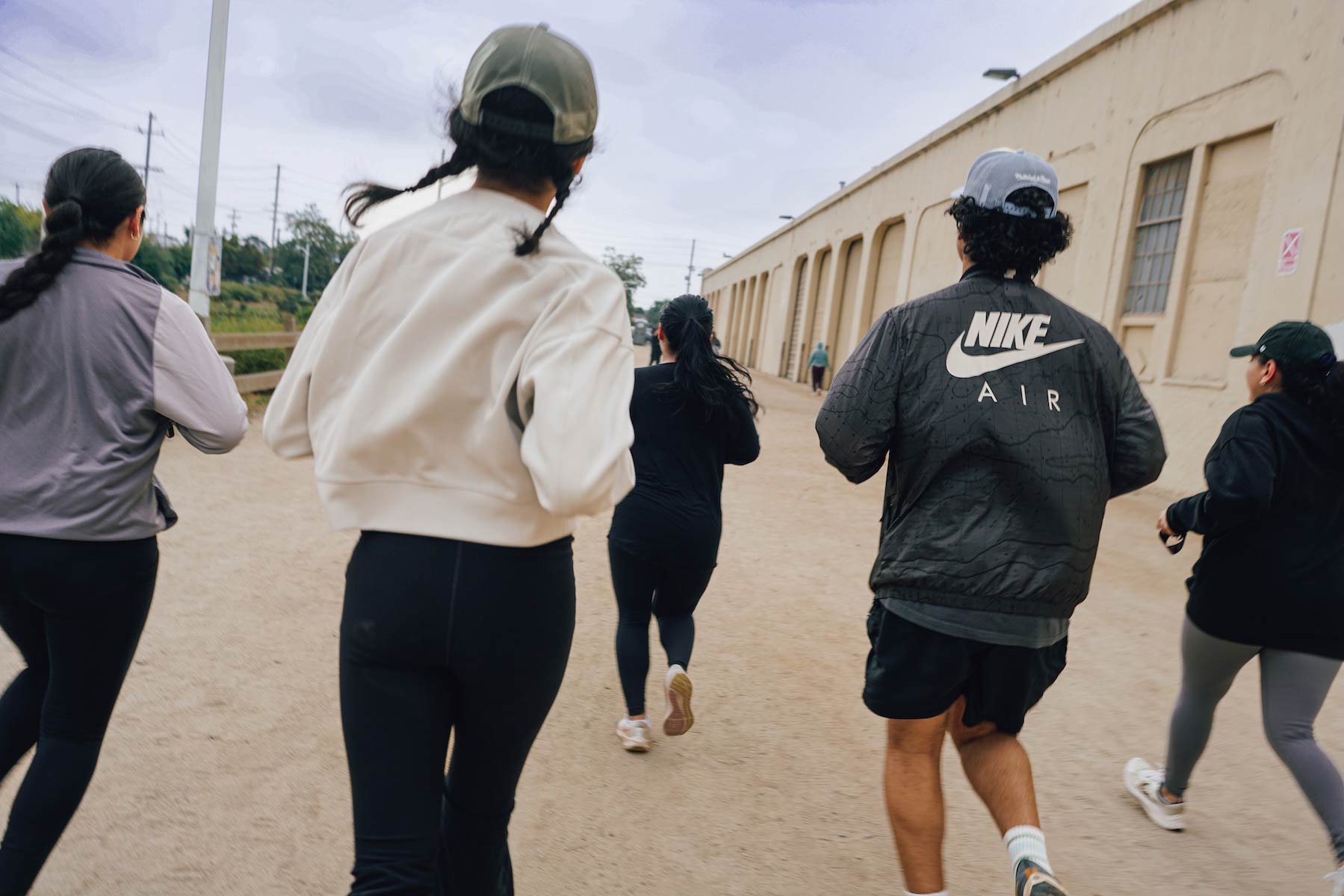
This is where clout comes in. Clout is what determines who is understood as valuable and who falls by the wayside. It is the difference between West Hollywood and South Central Los Angeles — where I grew up. One area has smooth sidewalks, wellness studios and corporate health food stores. The other holds a cold war between poor long-term residents and gentrifiers against a backdrop of cracked pavements, potholes and broken street lights.
There is no preexisting organizing or funding infrastructure waiting for anyone creating a run club. The wellness industry, the running world, the brand economy — none of it comes to the poor sides of town without our intervention. The only language they speak is clout. So you build clout because it is the only thing that moves industries into communities they have written off. Clout is not vanity. It is the price of making ourselves visible.
When I started SCRC, I had one mission: to reflect the agency of my hood.
I built this clout machine brick by brick. I used the prevalent styles of the corporate running aesthetic so that we could see ourselves in a landscape that speaks this language. It garnered partnerships with corporate partners like On, Altra, Athletic Greens and REI, and community partners like Cafe Calle, Hank’s Mini Market, Crenshaw Farmer’s Market and Gorilla RX Wellness. We have turned out as many as 200 people in the middle of South Central for our F*ck White Supremacy 5K and sent hood babies to Seattle to run trails. We’ve trained over 20 people to earn medals at the LA Marathon and secured free bibs for first-time runners. The clout machine worked so well that new clubs in the area were created in response. It exposed that there is another way to bring investment to our hood — if you can demonstrate a community and a need. The need in South Central was never a lie.
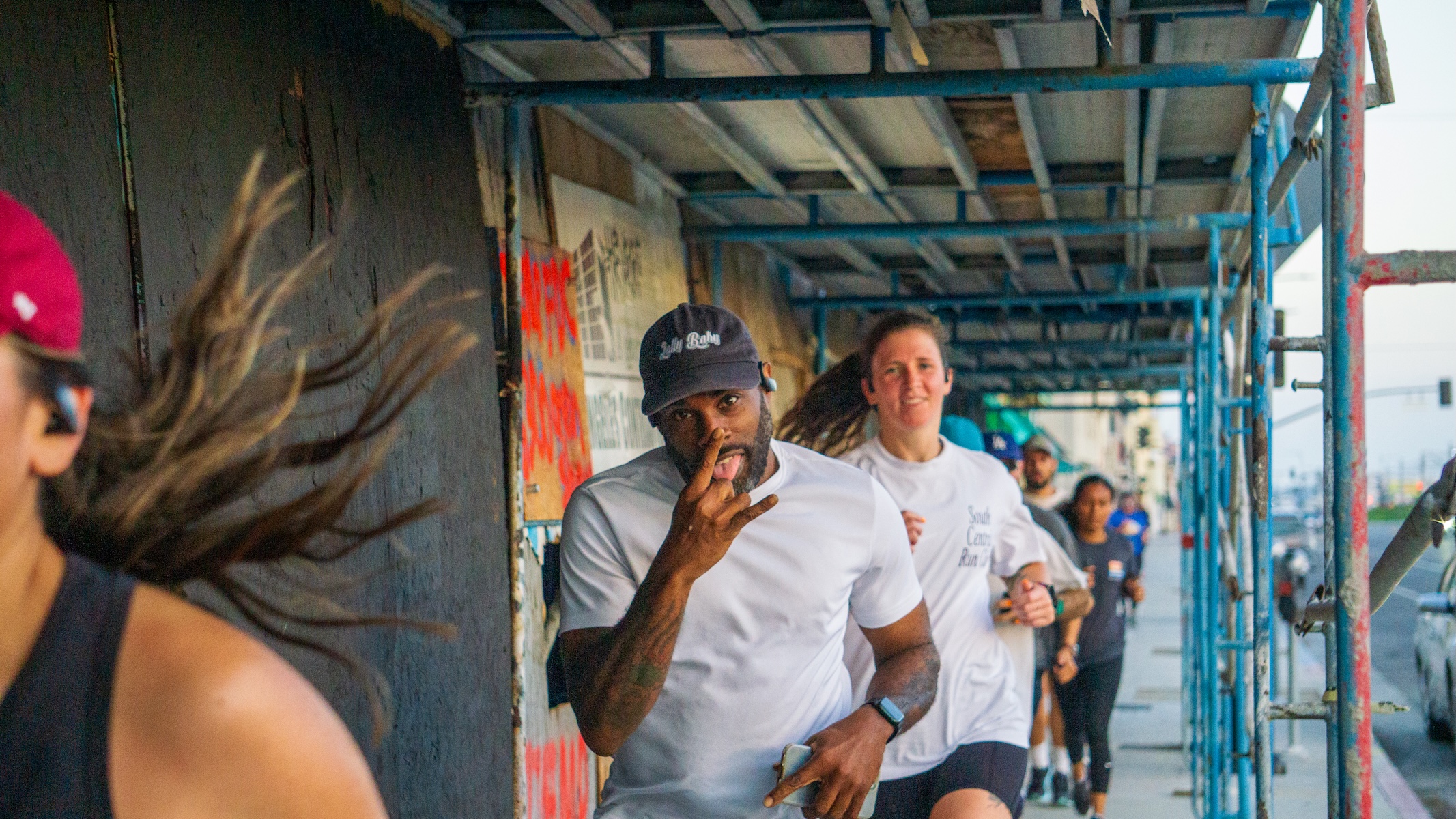
Clout chasing is participation in the attention economy. The attention economy is a system that converts human connection into data and profit. It was designed to make us perform our lives rather than live them. A sort of minstrelsy — for communities already targeted by the state, already criminalized, already under surveillance — participation in the attention economy is not just psychologically damaging. It is physically dangerous. Once you’re inside it, your community’s visibility belongs to the corporation that owns the platform. And for hood people, that asset can become a weapon in the hands of the state.
Clout chase long enough and you’ll watch the community you’ve organized get finessed by the attention economy.
I ended up in conversations with brand representatives where the deeper mutual aid efforts I was asking for kept getting talked around. Instead, we kept being asked to host shake-out runs — warm-up runs with the sole goal of turning out people to a larger event — with little investment in what it actually takes to organize at that scale. Corporate sponsors wanted photos of our community enjoying their products as proof of its value. Not investment. Proof. People started showing up to SCRC with no deeper investment in the politics that undergirded it — just wanting proximity to where the clout was. It felt like high school all over again. It stopped being about actually investing in hood people’s agency and value. It became about the idea of it.
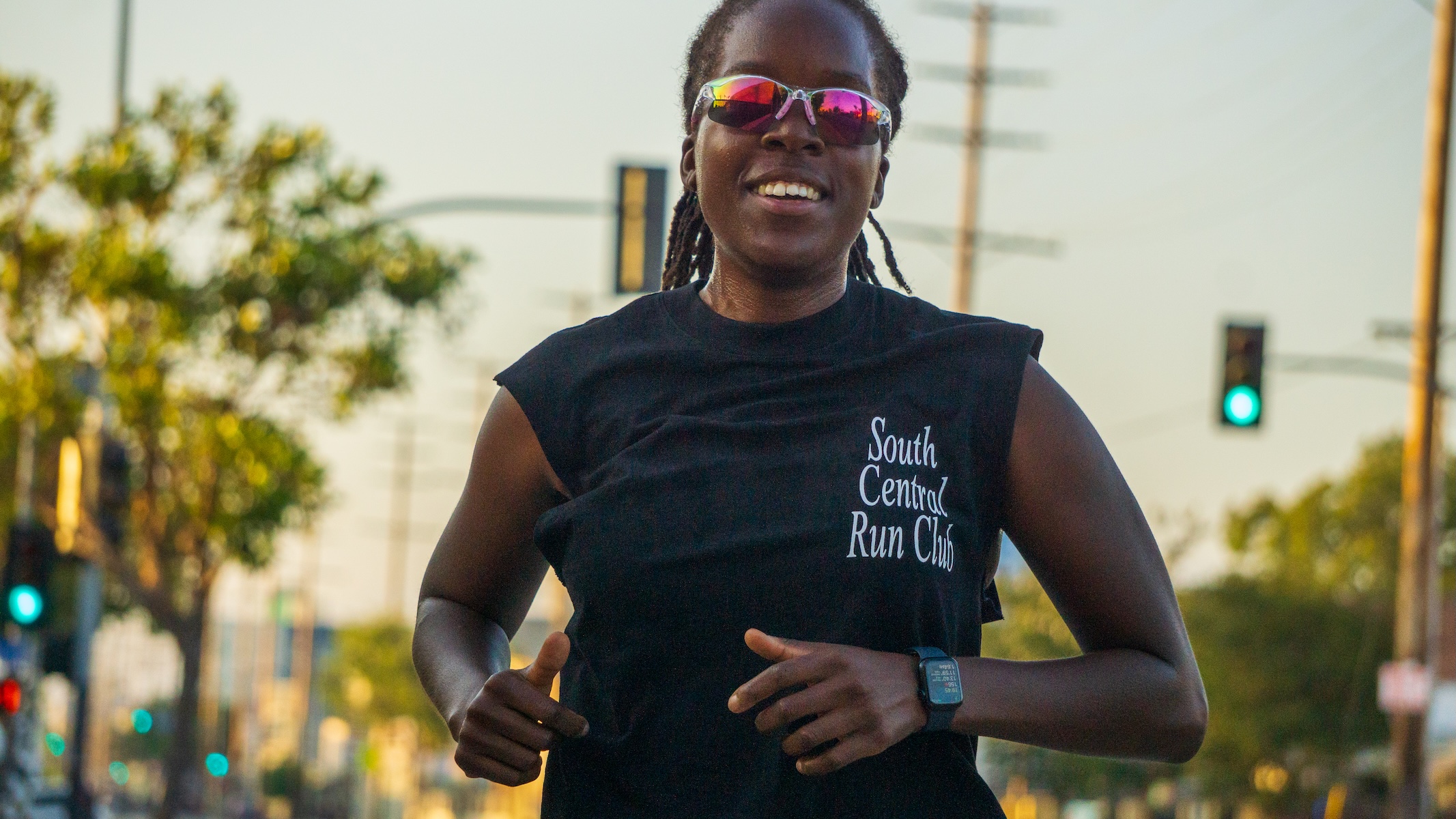
The joke in the culture is that you’ve joined a run club because you’re either running to or from something. We are all running from the same thing, war and poverty. The brand page feature, the Strava kudos, the group photo — they are attention-seeking in a political climate where most people are not being materially or emotionally met. And this is what the attention economy exploits. It agitates your alienation wound and sells you the veneer of community as a solution to harvest your data The photos, the GPS routes, the Strava segments, the Instagram reels — these are not incidental to run club culture. They are the culture. And the culture is surveillance.
Many of the run leaders I know are just content machines and promoters for brands. In that is a deep isolation — fulfilling contracts, coordinating logistics for an unaware public. And along the way, none of us stopped long enough to evaluate the tools we were using and how they impact our communities.
Us run club leaders see each other in meetings hosted by Strava, where they roll out new product features — while outside, our city is under siege by ICE. Mostly Southeast areas. South Central and Huntington Park, not West Hollywood or Venice. South Central Run Club is a verified club on Strava. But Strava’s privacy policy explicitly states it will share our data with law enforcement and government agencies on legal request. Our run club activity — where we live, where we gather, what time we move, who we run with — can be used against us. The run club heatmap is a surveillance document.
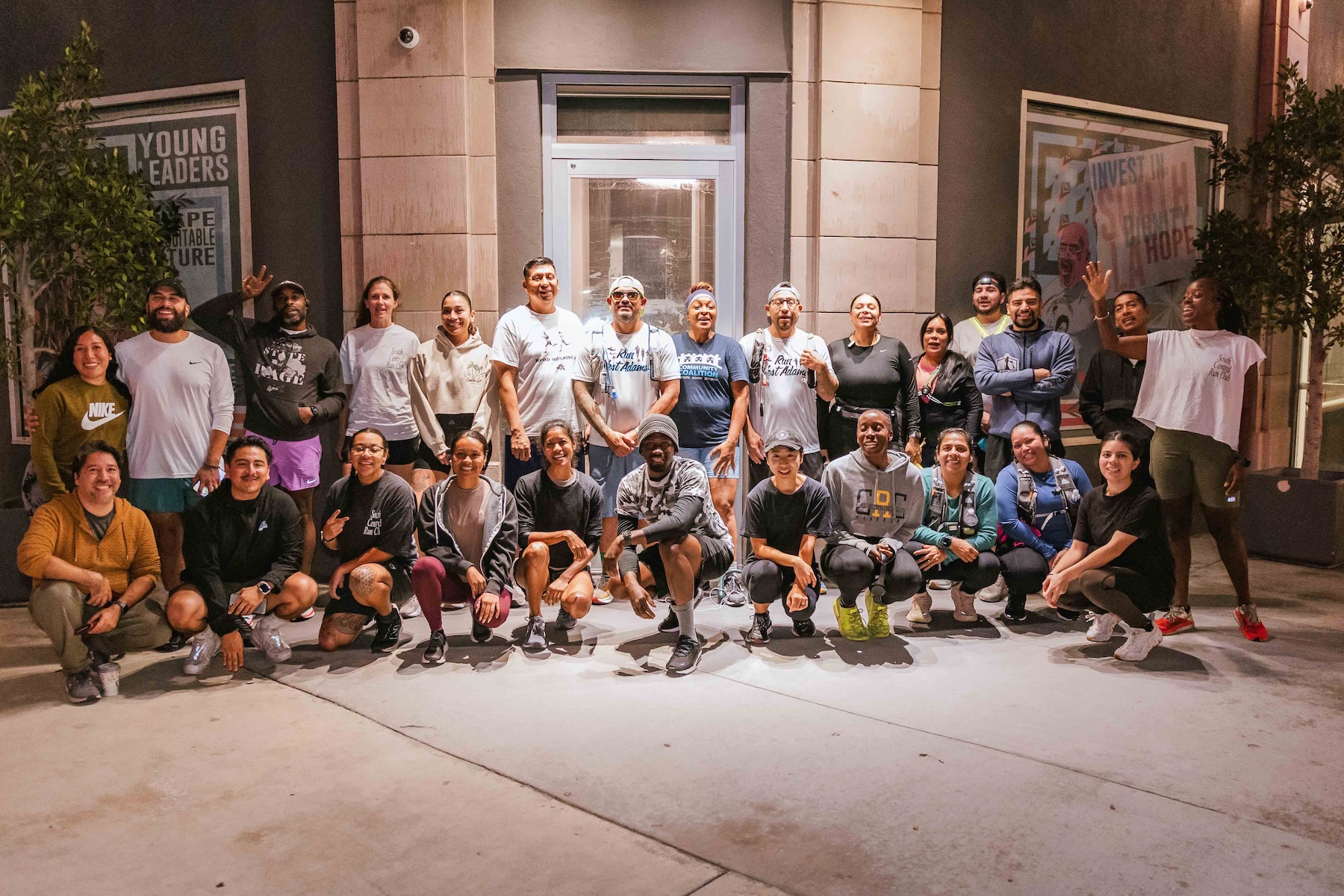
Our run club is threatened to dissolve by way of not being digitally accessible. We stopped posting our gathering spots publicly on Instagram, which caused our membership to take a hit — a consequence other run clubs, who don’t carry our political weight, do not face. To protect our members’ privacy we route them to an encrypted messaging chat, as Meta plans to kill end-to-end encryption on Instagram DMs on May 8th. Every run club organizing through Instagram DMs, every mutual aid thread, every group chat coordinating a neighborhood meet — now accessible to any government request with sufficient leverage.
Now enter Meta Glasses. Our club serves folks who don’t see the value of forking over $300 to own a pair, especially being aware of the larger implications. Hood people are aware of what is preying upon them. We know it’s being sold as a benign way to capture memories — the same way the Ring doorbell is sold as a way to see who’s at your door. But we see what’s happening in other run clubs, where people earnestly want to capture first-person, community-integrated content for clout. They put on the glasses, hit record, and hand Meta a surveillance feed without knowing it. That content pipeline is now the means by which Meta and Palantir can corroborate the whereabouts of everyday people. Clout chasers are wearing the glasses on group runs, at races, recording everyone around them without consent. Faces, routes, bodies, neighborhoods.
Meta is weeks away from launching the next generation with “super sensing” mode — continuous AI running in the background for hours — and is actively developing Name Tag, facial recognition that identifies strangers in real time using a database built from 3 billion people tagging photos for free.
Zuckerberg has internally questioned whether the recording light even needs to stay on. Palantir — the data analytics company founded by Trump ally Peter Thiel — was paid over $130 million by the IRS this year to mine federal databases. It is already the backbone of ICE’s deportation infrastructure.
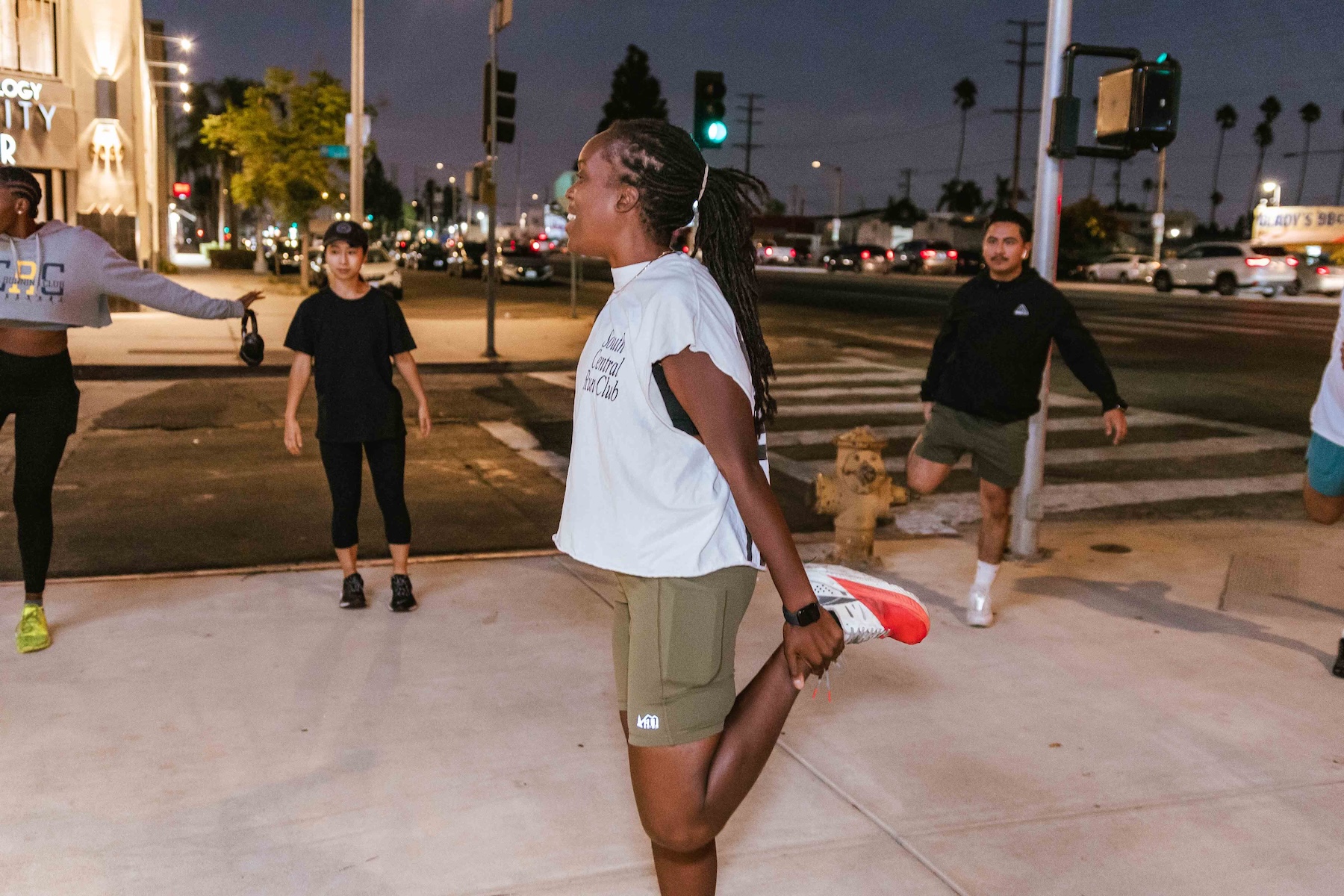
People are dying in ICE detention at a rate of roughly one every six days — the highest in over two decades. Medical neglect, denied medications, ignored emergencies. Clout is showing where to find people and who to snatch up. Clout chasing is killing our people. Communities will be left with only the phantom of what they used to be. Clout chasing is creating generational harm.
The community we serve is in the crosshairs of carceral targeting.
For BIPOC organizers across the country, running without knowing our surroundings is a privilege we never had. This is why South Central Run Club runs for self-defense now. We are running from implicating ourselves in our own harm as much as we can. The move is to make SCRC 70% analog: paper flyers, word of mouth and community accountability. We are explicit — in person and online — about the dangers that run clubs pose for hood people in ways not felt throughout the broader running space. Run clubs and the tools we use to organize are not inherently safe. Leaders trapped in clout chasing cannot afford to be transparent about this, because it threatens not only their brand deals but their livelihoods. That is not an indictment of my peers — it is an indictment of the system that put them there.
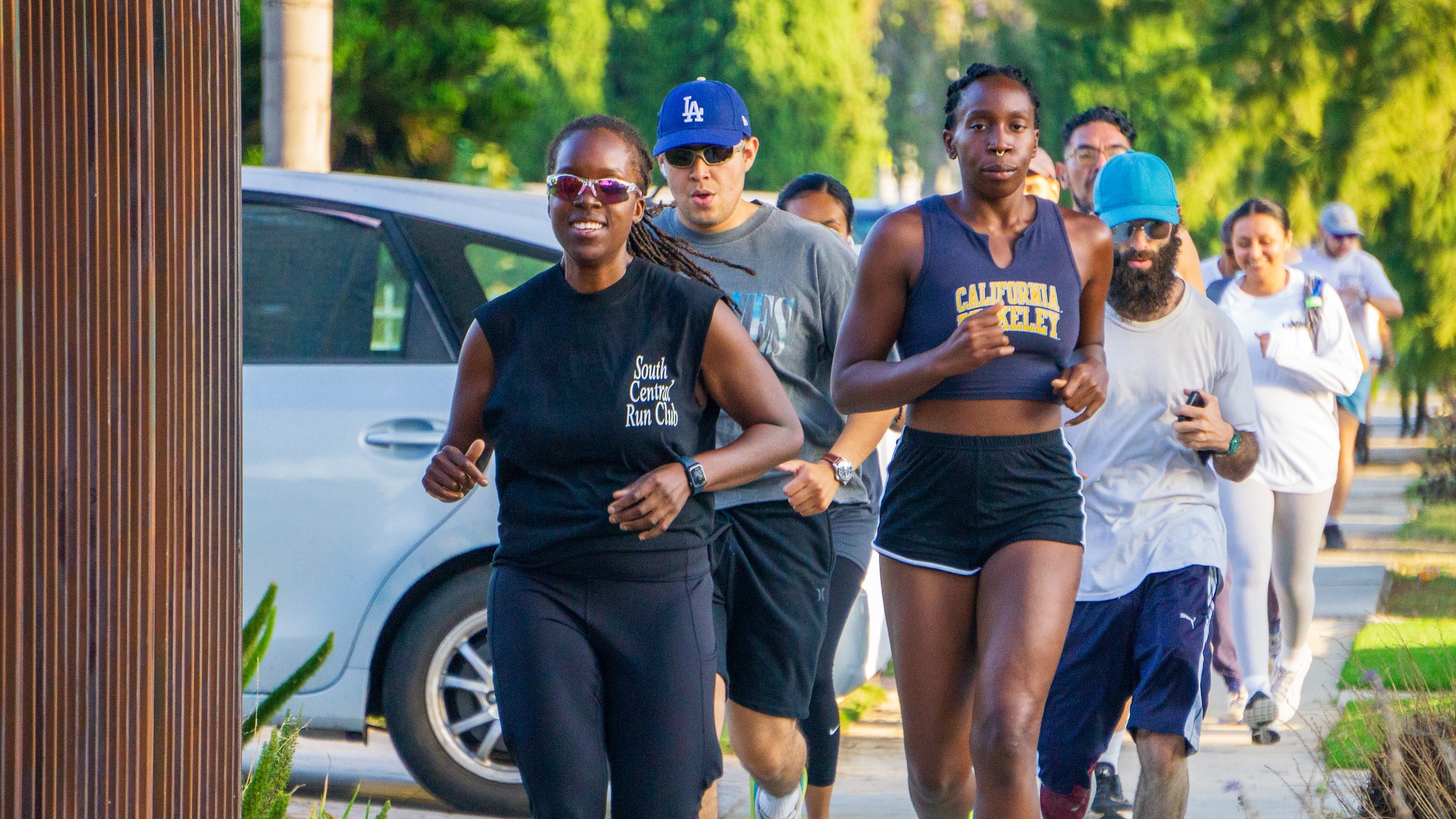
I write this because social media cannot be where our work stays. Ask yourself what you would lose if Instagram disappeared tomorrow — and build that thing somewhere else first. Go analog. Protect your people’s routes, their faces, their whereabouts.