
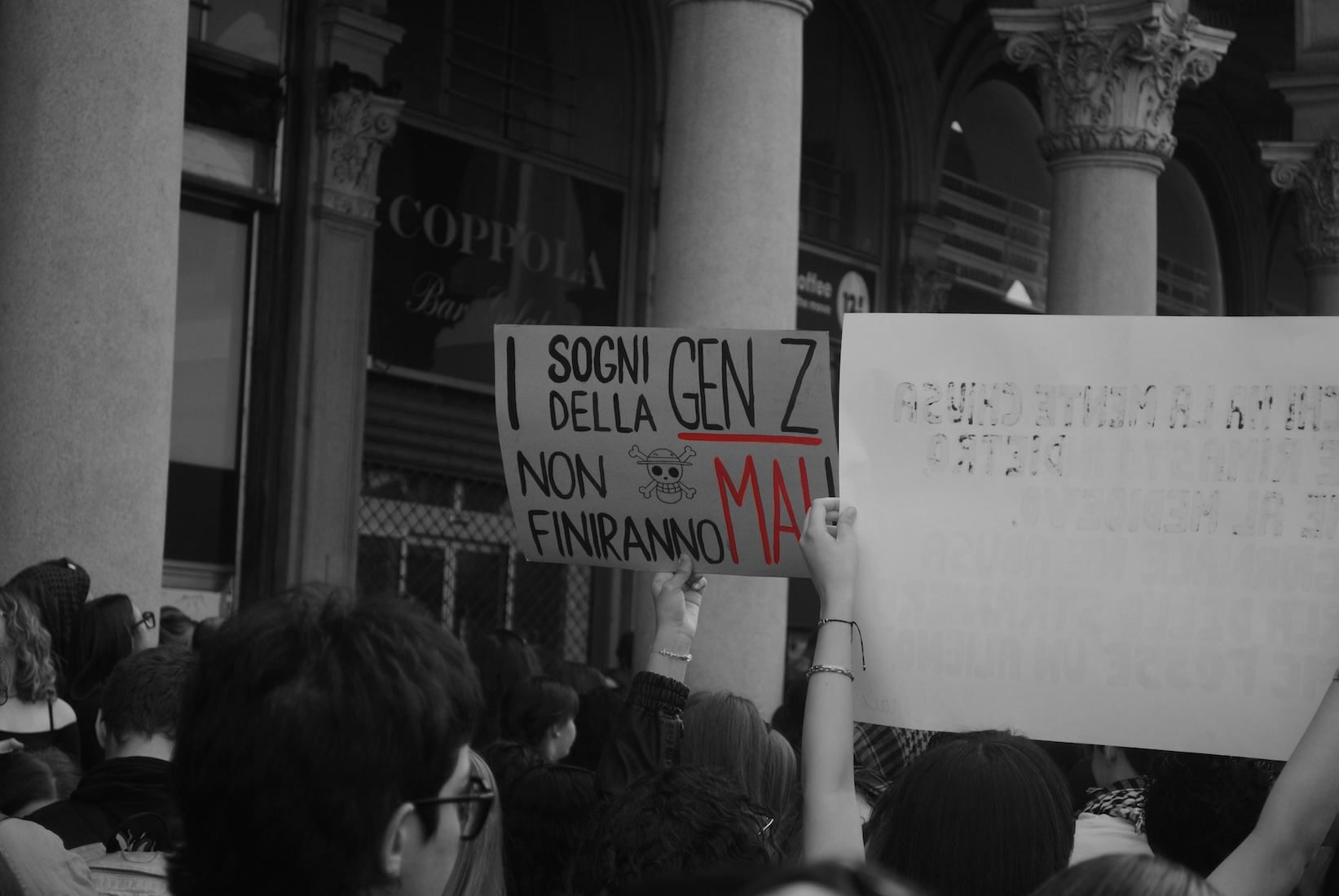
Like people in many other parts of the world, Italians are, once again, in the streets. In cities like Turin, Milan, Napoli, Cagliari, Roma, and Bologna, students are protesting yet another cut to education funding.
As a 22-year-old Italian woman, I have a fresh memory of what going to school in Italy was like. I would wake up early in the morning, find a way to make it to school (the transport system in Rome wasn’t the most reliable), get regularly catcalled on the bus, be forced to show interest in colonialist propaganda (we discovered America! what a beautiful thing), use a bathroom that had poor hygienic conditions, try to stay calm at the sight of a frustrated old teacher whose salary fails to reflect how essential their work is, somehow head back home, ask my father for hundreds of euros to pay for my schoolbooks and then feel bad for it, try to memorize something by heart and manage to sleep a couple hours each night before repeating the cycle again.
All of that, with a big concern flowing through my mind: would I be able to find a job that allows me decent living conditions if I kept putting up with their game?
Schools all over Italy lack proper infrastructure and care; students and workers have to deal with ceilings constantly falling down, corruption, and negligence being the order of the day. As seen on a cardboard sign at a protest in Cagliari, “You spent money on new military jets, and we still don’t have toilet paper at school. What are we supposed to do, clean ourselves with your missiles?”
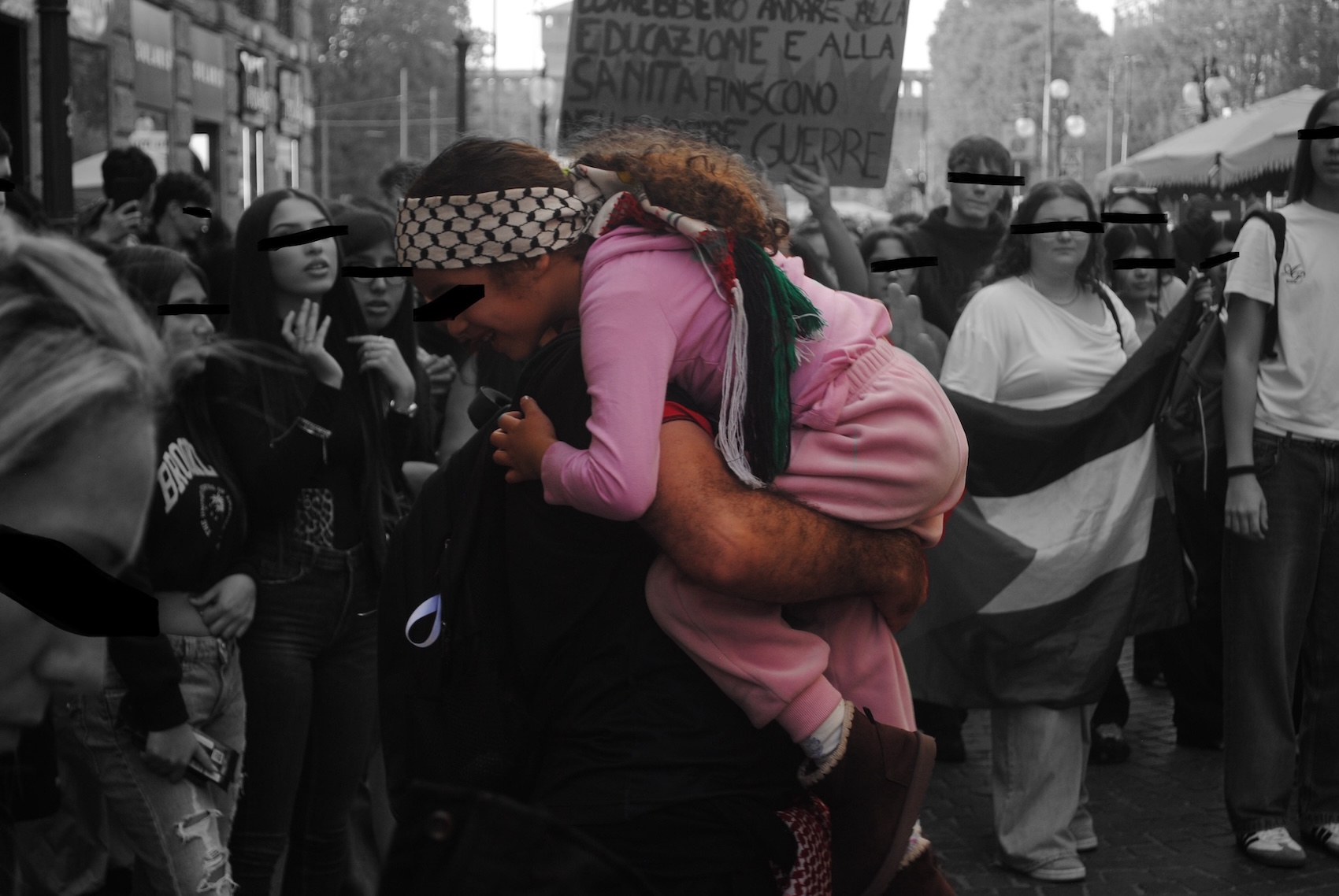
Even before realising how intersected the School and the Military sector were, going to an Italian high school was already expensive, elitist, exhausting, and it filled me with rage. What should have been a huge privilege felt to me and many of my classmates like a sacrifice. A burden to endure, rather than an opportunity to cherish. We would often protest the lack of care and funding - sometimes even occupy the school - the government’s response was often violent. Violence is Italy’s vice. Violence is the reason why they decreased the educational funding in the first place. Over the past thirty years, the Italian government has imposed drastic cuts to education, cuts that the Meloni government has increased. As reported by l’Espresso.it in September, 2025, the money that was once designated for the schools is now meant to fund wars. This situation doesn’t come as a lonely surprise, on the contrary, it got worse with the latest “Manovra 2026-2028” (the spending review), as it intended a further cut of €620 million.
About a month ago, while the price of gas in Italy kept getting higher and people kept getting hungrier, the Italian PM suggested a particular piece of legislation (the latest “Decreto Scuola”) that imposed a maximum number of foreign students in each classroom, as well as a ban on the burqa and the niqab for all students, among the other things. A proposal that appeared Islamophobic and out of place. Not only it refined what the government priority was, but it also highlighted a clear double standard: on one hand, there is a ban on the burqa and niqab, and on the other, an alleged “anti-semite legislation”, known in Italy as “DDL Antisemitismo”, that officially declares it is “anti-semitic” to “radically refuse the state of Israel”. A state that earns money to fund its genocide, as Italians starve. Is this really the priority of the Italian PM, who always claimed the intent to “put Italians first”?
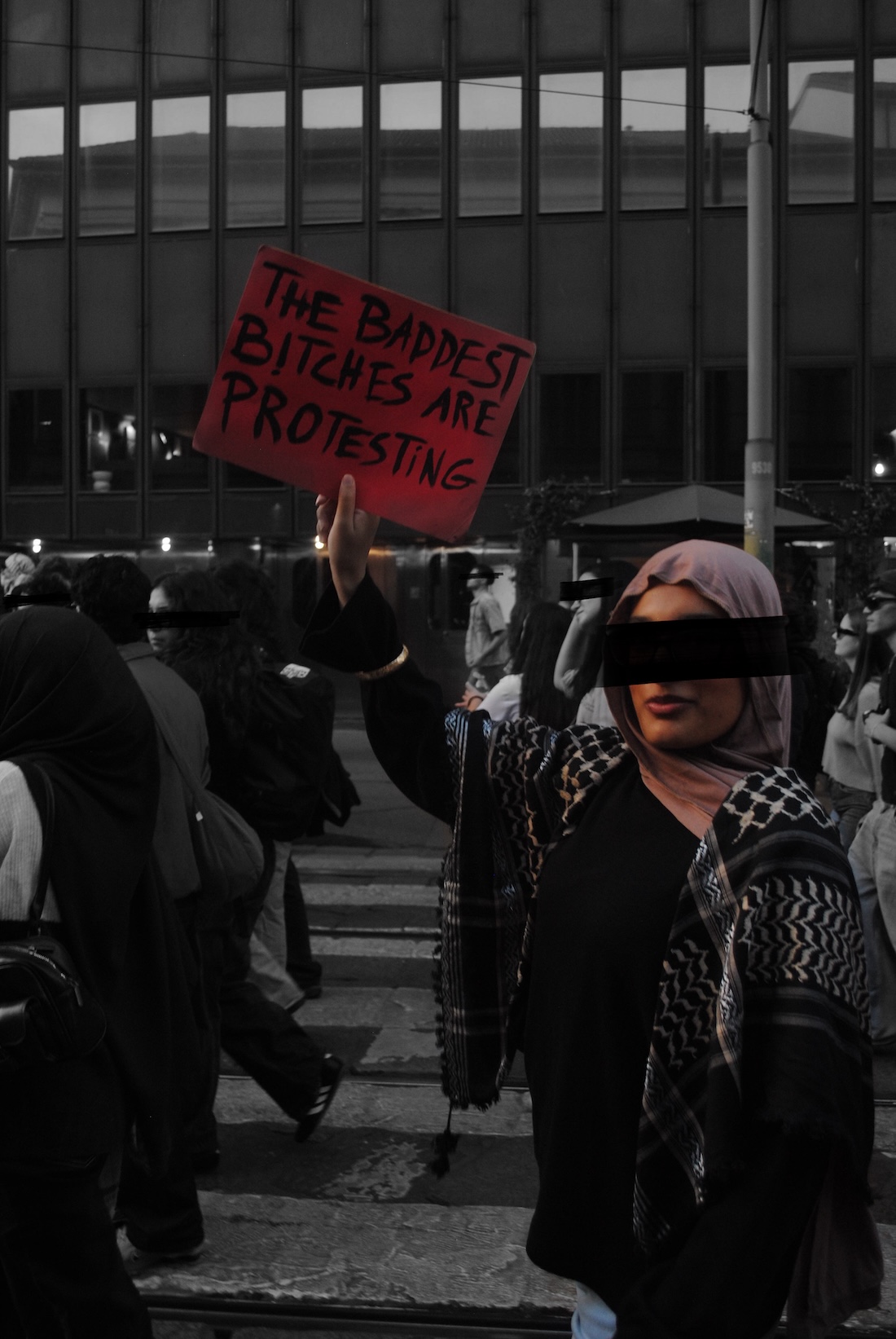
It is rather disgraceful to be ruled by a government that doesn’t even pretend to see all people as equals.
The gas prices in Italy are so high that farmers and truckers all over the South of Italy (Campania, Apulia, Basilicata, Sicily, and Calabria) had to block some of the main highways to object how extremely hard to sustain their lives and professions have become, as reported by TGcom24 . Protests have been going on for weeks. On the 22nd of October, 2026, according to the local unions in Apulia, seven out of ten gas stations were out of fuel, as later reported by tv-channel La7. Most southern Italians rely heavily on cars, as most villages are not well-connected to the rest of Italy; hence, not being able to get fuel is causing drastic problems for regular families, who might have to go to other towns to get to work, school, or even to see a doctor.
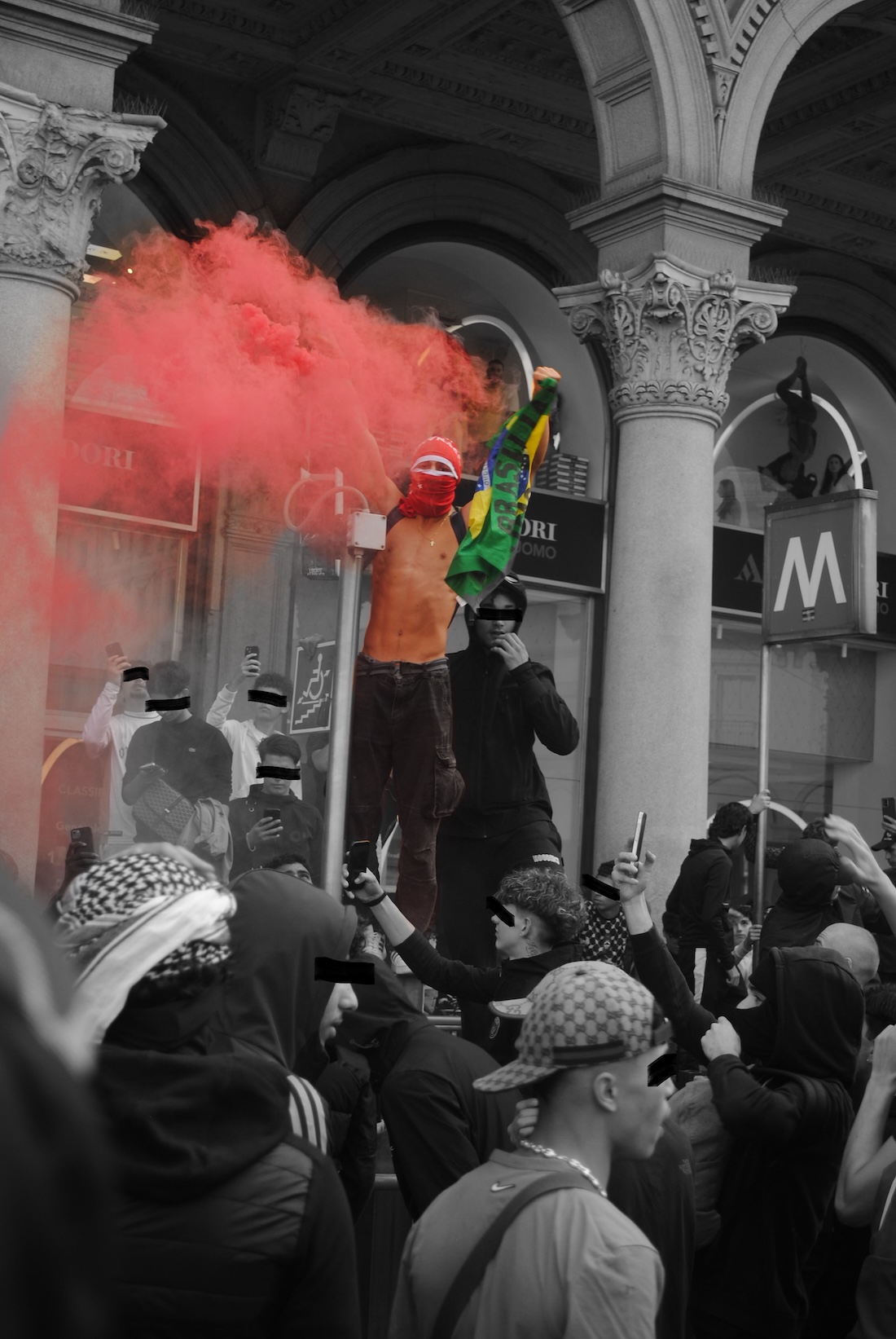
Due to this shortage, there have been longer queues at the few gas stations that still haven’t dried up, and many other workers struggled as a consequence. A lot of grocery stores are empty, and people are still panicking. Nevertheless, it’s hard to blame the protestors.
The South of Italy has initially been overshadowed, and a lot of the mainstream media in the North of the country have avoided dealing with the situation in the South until they couldn’t anymore. What Italian news channels have been reporting instead, was Dua Lipa moving to Milan, and the pope being sick.
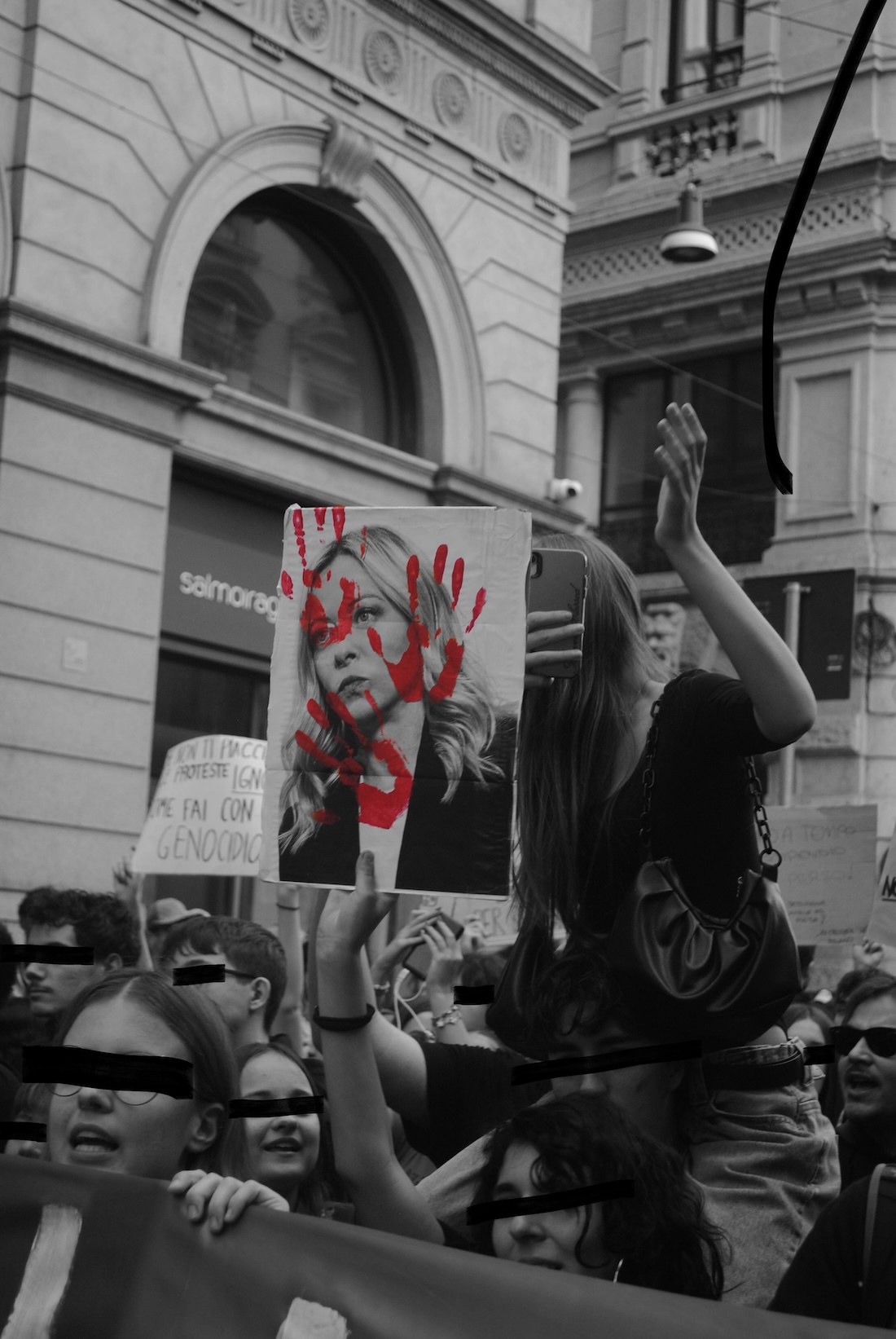
On October 22nd, the government proceeded to first identify and report some of the protestors, and then to promise a fund of 175.2 million euros to ease financial pressures for the truckers, fishermen and farmers. An overall structure of the funds has been made public, and it involves reinforced tax credit and a partial cover of diesel expenses, but a fully-detailed plan is still lacking, despite the ongoing implementation.
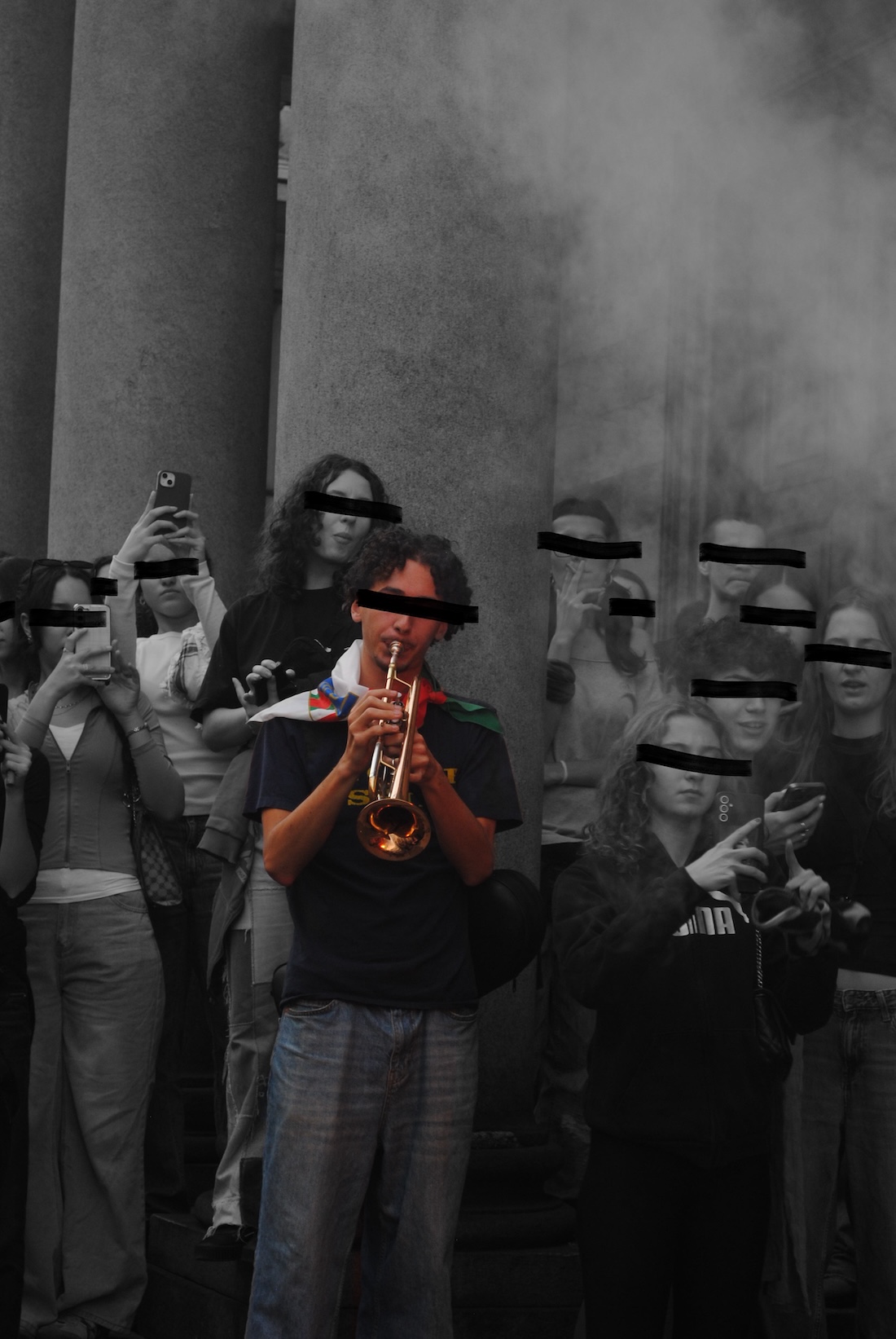
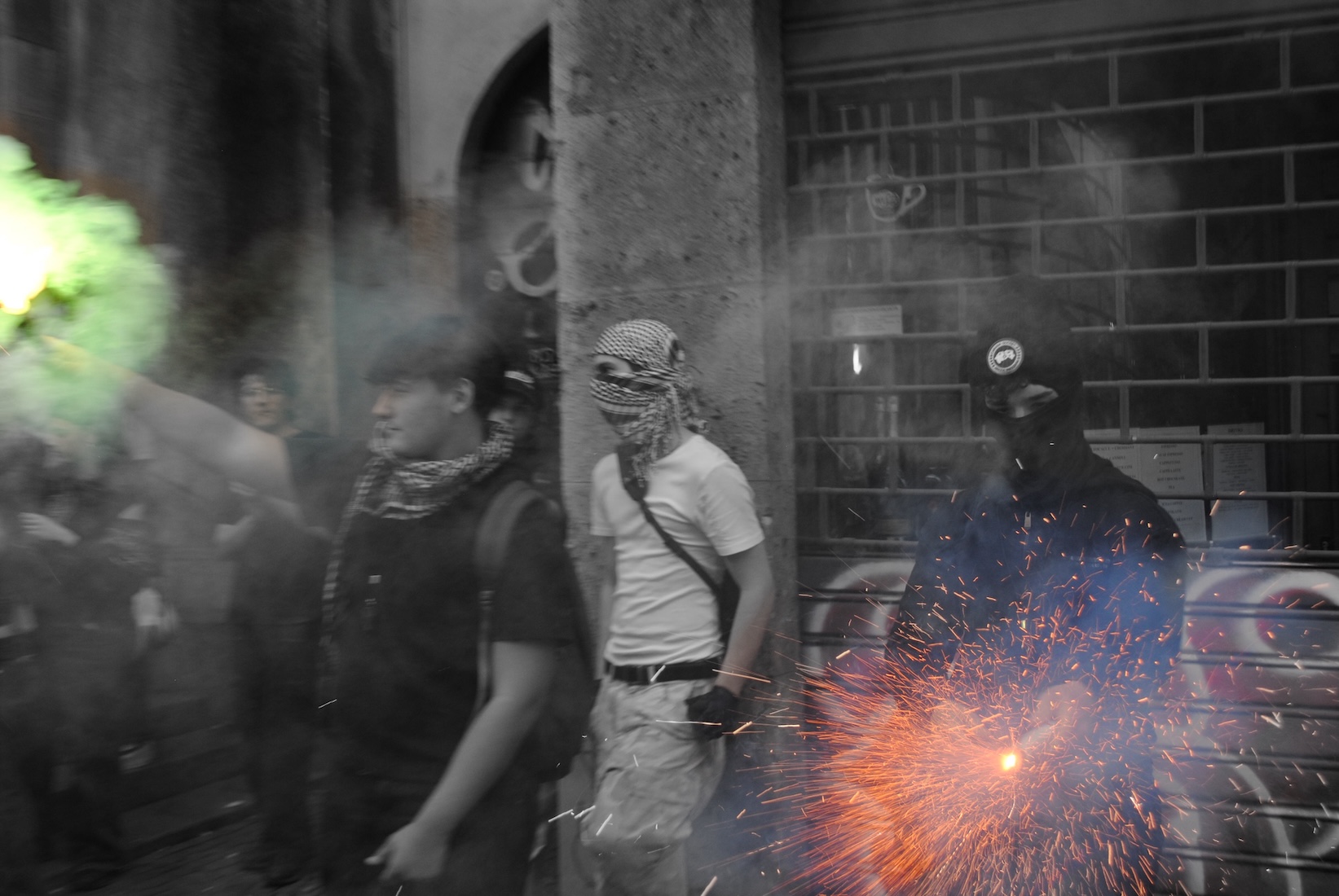
At the same time as the protests took place in the South, Sardinia, a special administrative region of Italy that has been exploited and ultra-militarised, is being used by NATO to simulate a nuclear war. NATO has been abusing Sardinia’s ground, sea and air ever since the 60s, using it as a testing ground for weapons, as evident, for example, by a documentary released by Al Jazeera in 2020, called “Secret Sardinia”. The island is a victim of overtourism in the summer, and a tormented battlefield in the winter. Sardinians have been complaining for decades, and there is a big strike planned in the region for the upcoming 30th of October, against the energy and military colonisation of the island. All over Italy, people are rising.
Students and workers are finally claiming what they should own. May this be the beginning of a new, less militarised Italy.