

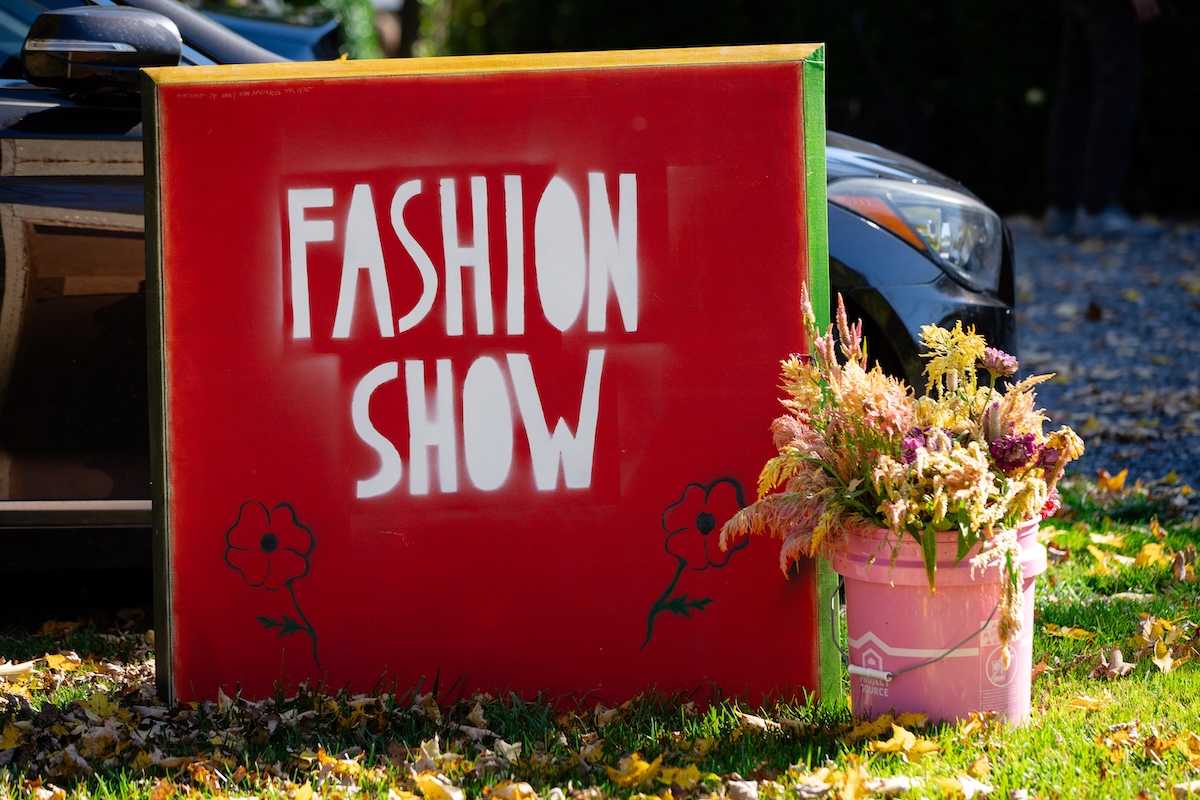
Vivien Sansour, the founder of Palestine Heirloom Seed Library (PHSL), has big curly hair and talks at 20 miles per hour. She described the chain of events that led to their fashion show on October 3rd - a fundraiser for the seed library and glimpse into the future she encourages us all to design.
Photos courtesy of Tony Ramirez
“I started this [organization] as a journey of grief. Being displaced myself it began as a journey to go home and reclaim biocultural heritage.. I wanted to eat my history.”
She spoke from her sofa in New Haven, where she excitedly shared details about PHSL’s new seed house in Hudson Valley, the backdrop to their Fashion Show on the Farm.
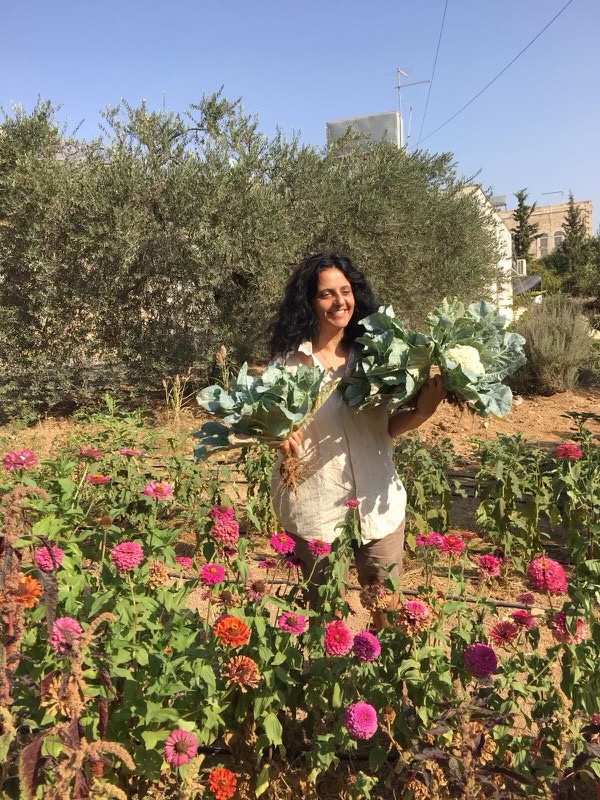
Not to be mistaken for a seed bank, Palestinian Heirloom Seed Library was created to keep the seeds alive and in the care of farmers and fields instead of hoarded for doomsday situations, which for Vivien, were already among us. From climate issues to wars across countries, PHSL believes that the time to evolve and take action is now.
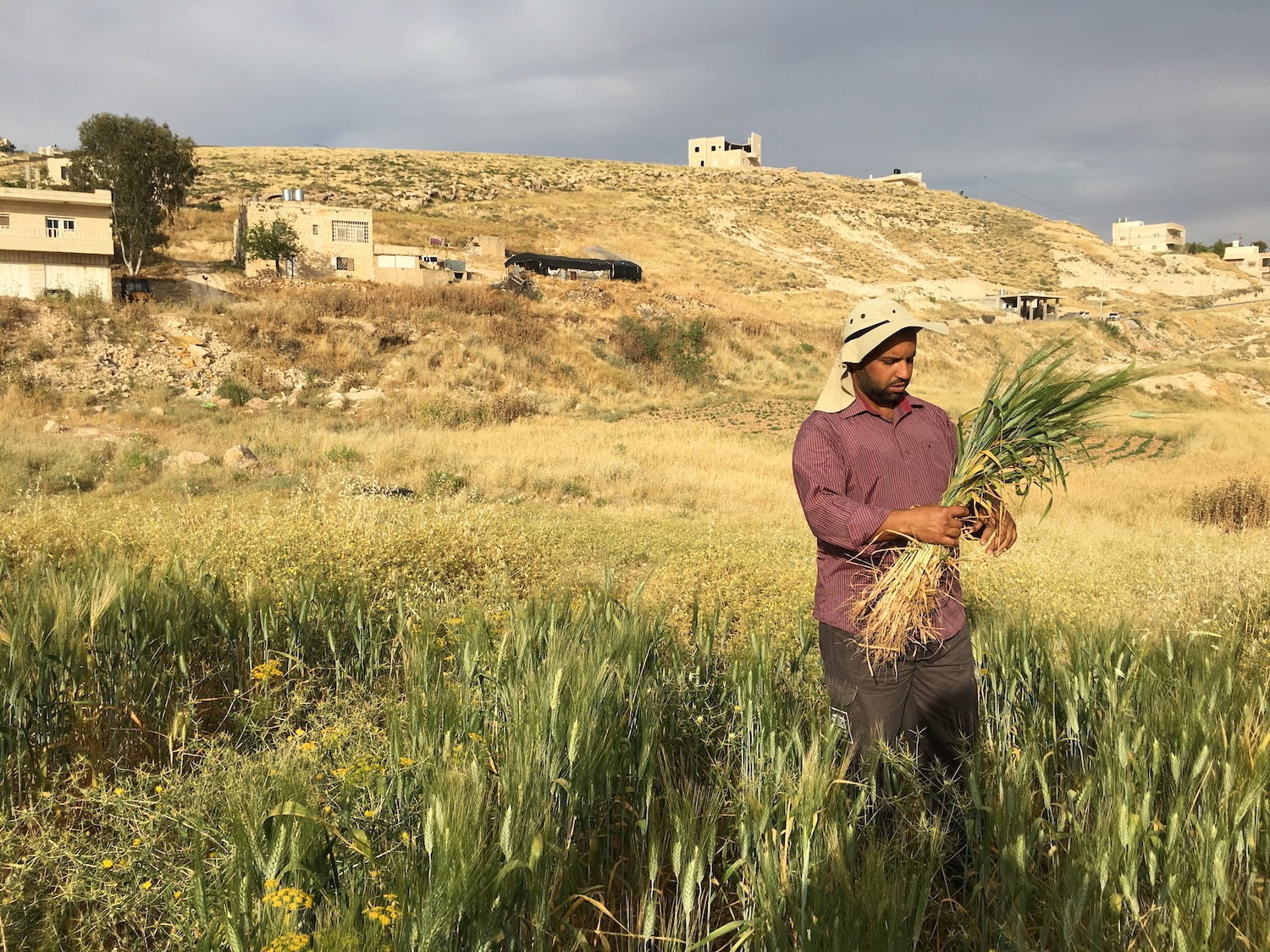
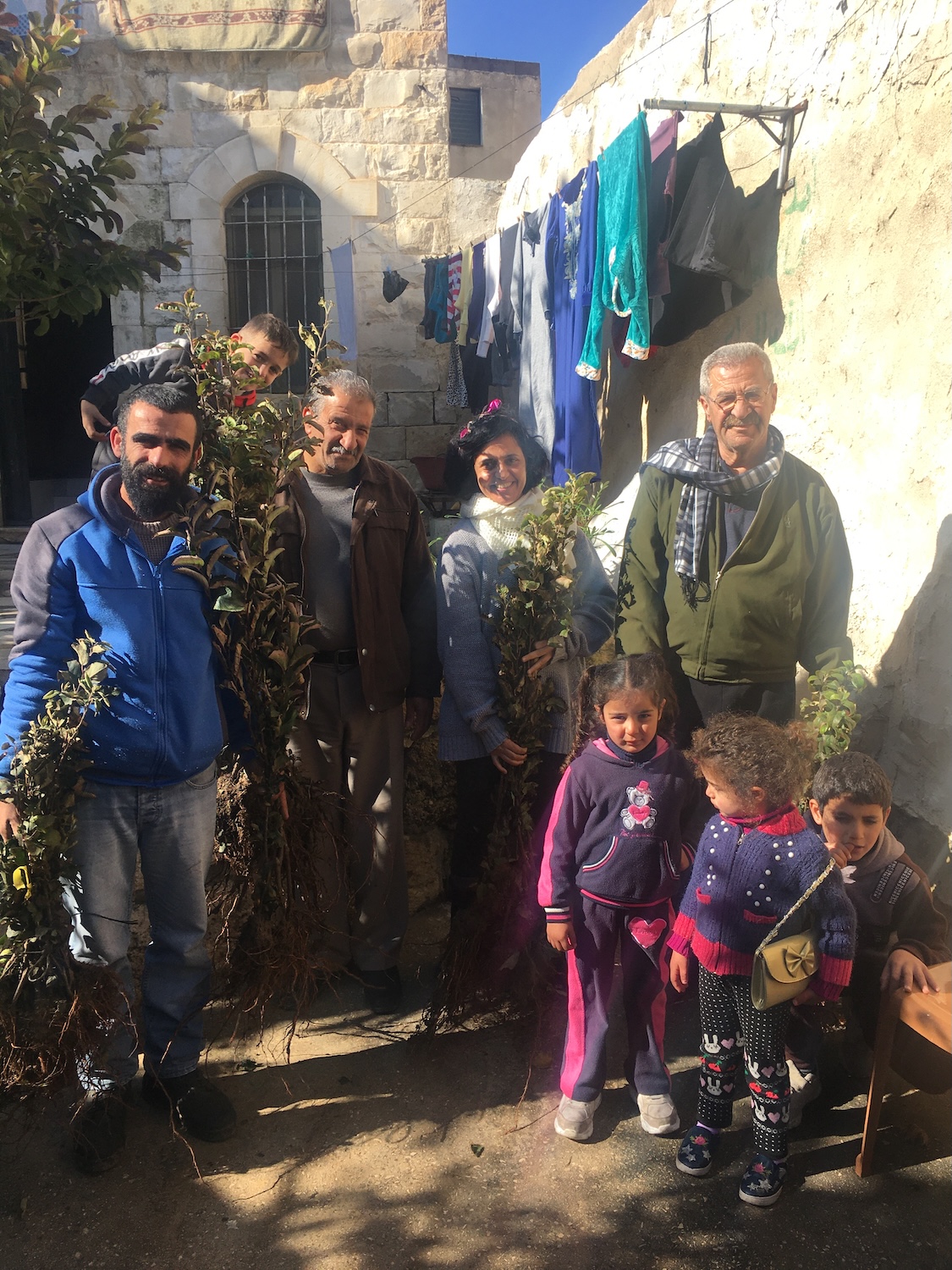
While the project started out in Palestine with Palestinian farmers, increasingly dangerous conditions and Israeli occupation and genocide made PHSL expand their boundaries; what if they also shared the seeds elsewhere? With the help of indigenous communities, scientists, and universities, Palestinian seeds were rescued and are now seen thriving in Latin America, Jamaica, Europe, and the United States.
Photos courtesy of PHSL
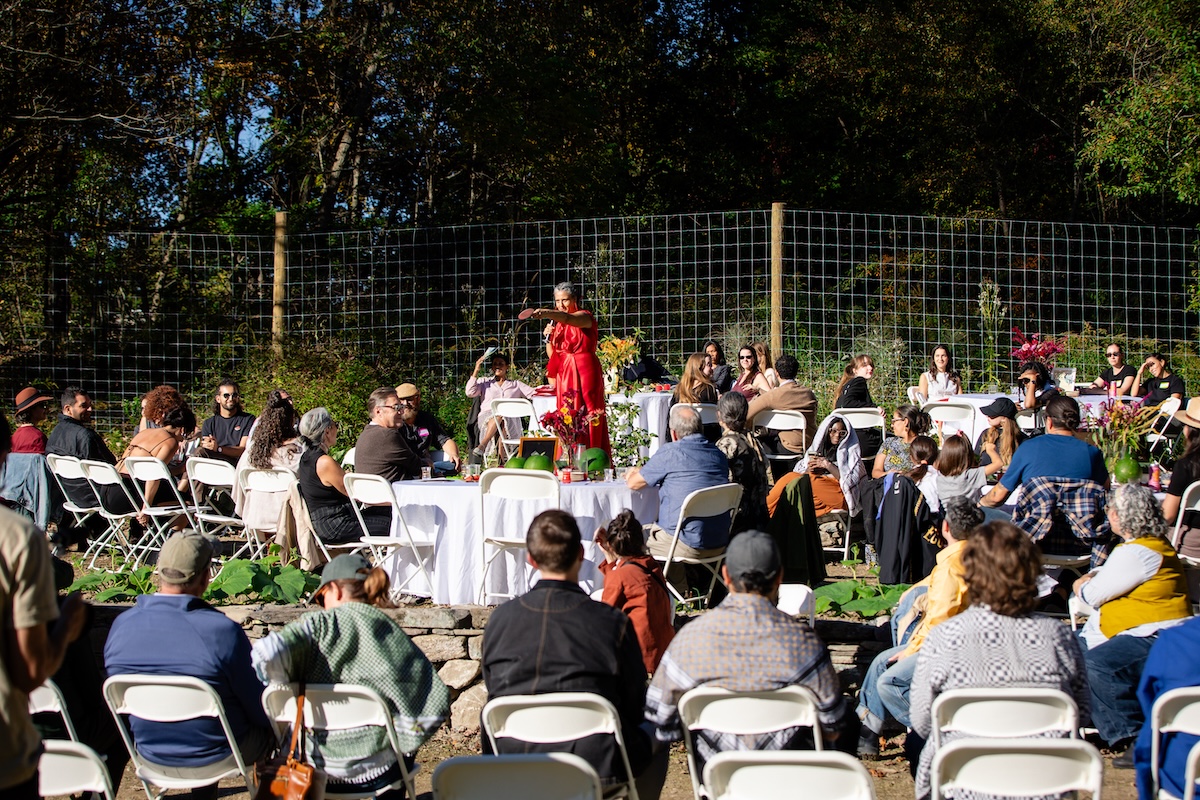
“Seeds travel like humans. We travel whether we are forced to move or choose to move and we have to adjust and transform,” Vivien remarked in her closing speech after the fashion show.
A stunning example of this seed adaptation is seen with their drought-resistant Abu Samra wheat seed, which Oregon farmers planted from the library during their year without rainfall. Not only did the seed survive, but it thrived, showing the potential of seed restoration as a climate solution found at the cross section of protecting cultural heritage; an ongoing evolution.
Vivien described the seed sharing in different lands in terms close to her own experience; not as settlers who come to destroy, but as guests who harmonize with the environment they call home.
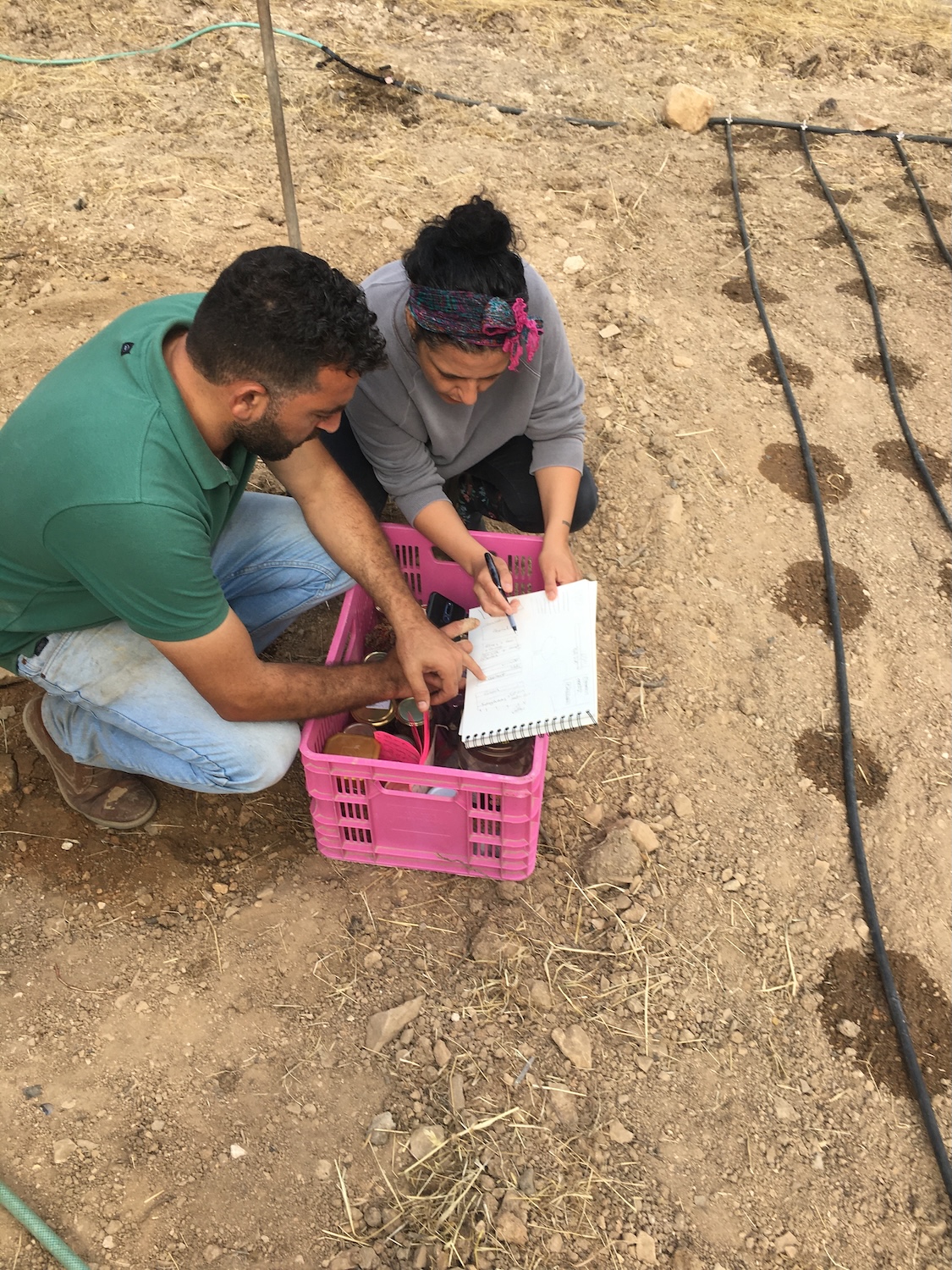
Knowing its potential, PHSL is now collecting data on how their seeds are changing, adapting to new soils, and even connecting farmers from Palestine to New York through their knowledge-sharing Sanasil (terraces in Arabic) Program.
“Farming is a lot about design. We are designing the new crop for the future and who we are going to be after all this. We and the seeds are one and the same.”
Photos courtesy of PHSL
Vivien offered a proposition that perhaps these seeds had much to teach us about adaptation and the future we must collectively design.
“It’s about creating communities that are committed to a world that is more tender. A world that is more kind. A world that is more free to be committed to life - more than identity and nationalism - but that we are all kin and children of mother earth.”
Designing farms, designing clothes, and designing community felt like an effortless through-line for PHSL’s fashion show.
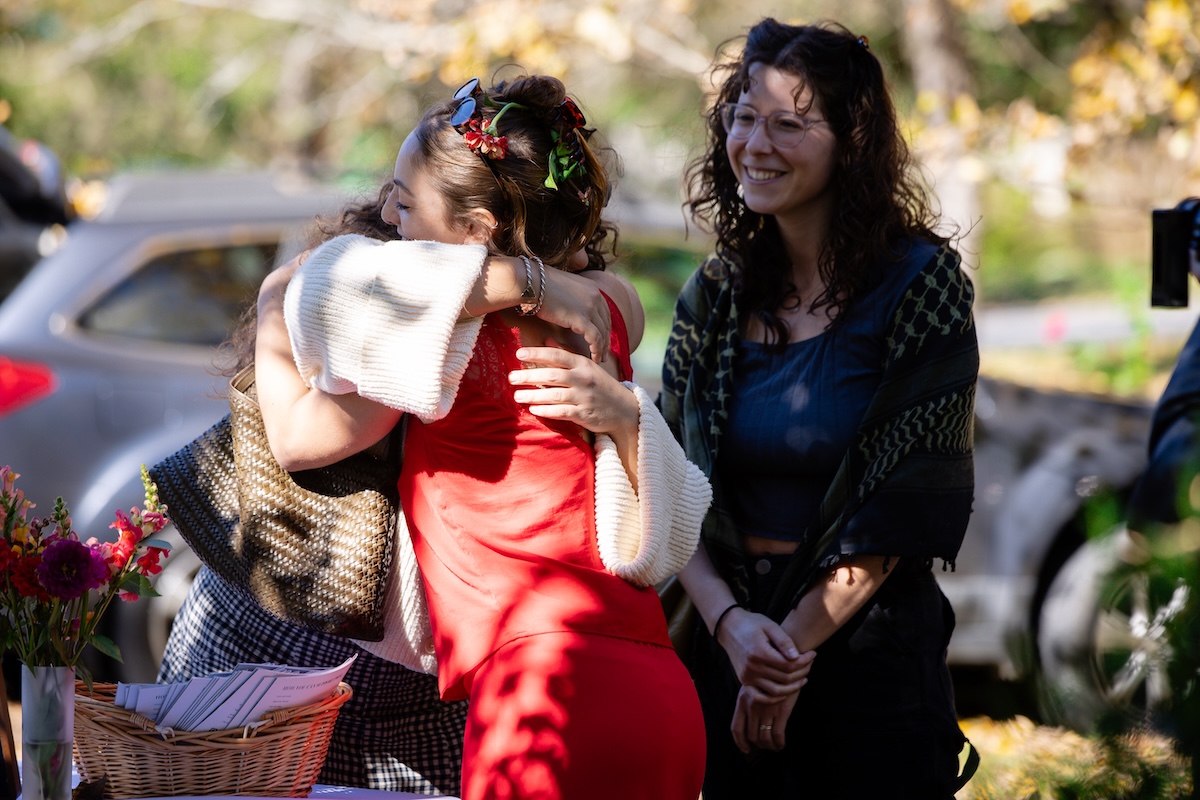
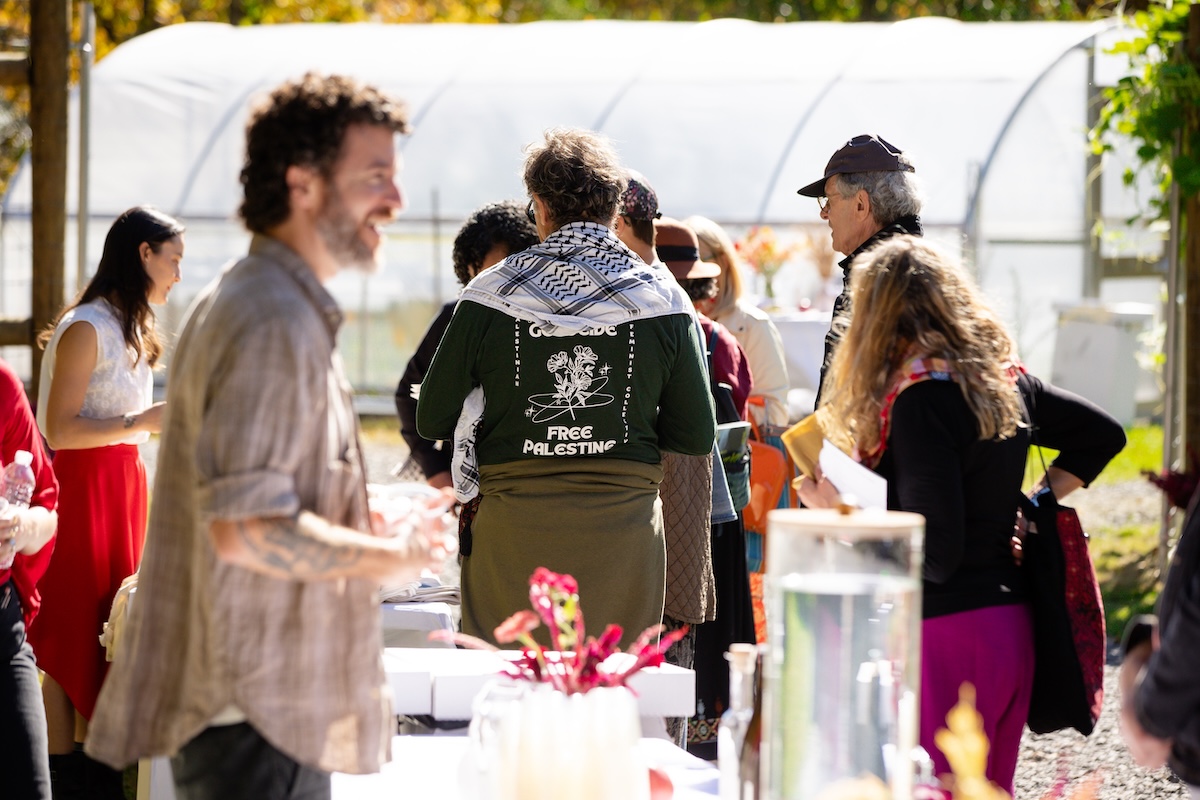
At the event, folks gathered from all over the country to buy seeds, donate to the PHSL cause, and integrate into the community Vivien spoke of.
Volunteers carried snacks around to guests, mixing in personal anecdotes about why they felt called to the occasion. Some had relationships with seed rescuing, some supported the cause, all were there because they truly believed in designing a future worth gathering about.
One guest, My Le, mentioned their own grandmother planting Vietnamese plants in her Texan garden, noting a desire to simultaneously plant new roots and feel connected from afar.
Photos courtesy of Tony Ramirez
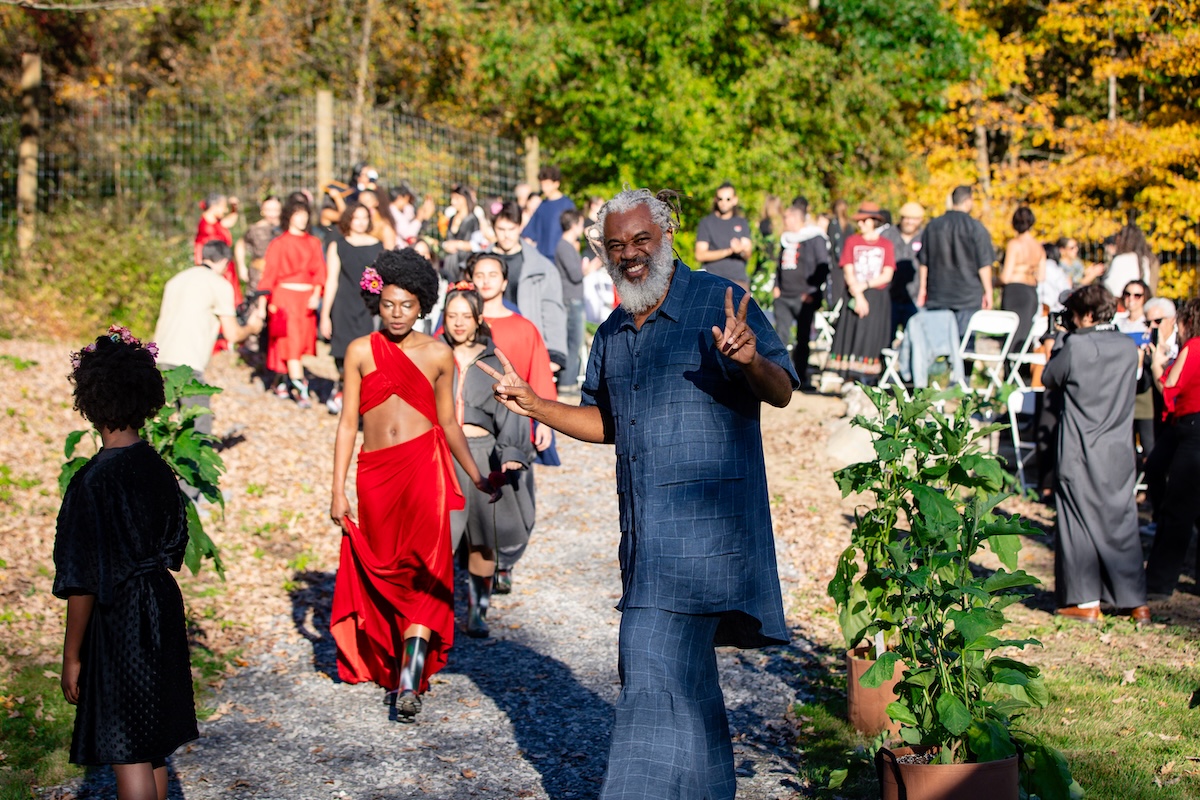
Vivien opened the show by thanking the trees.
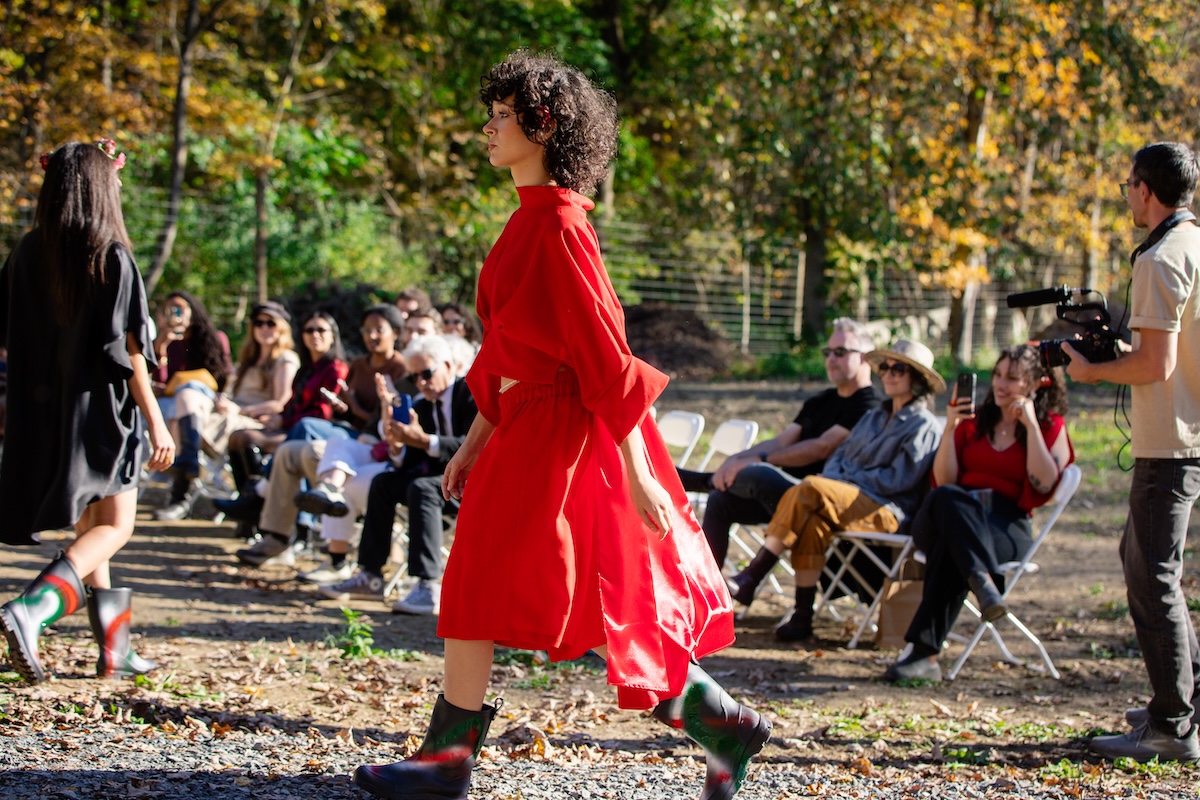
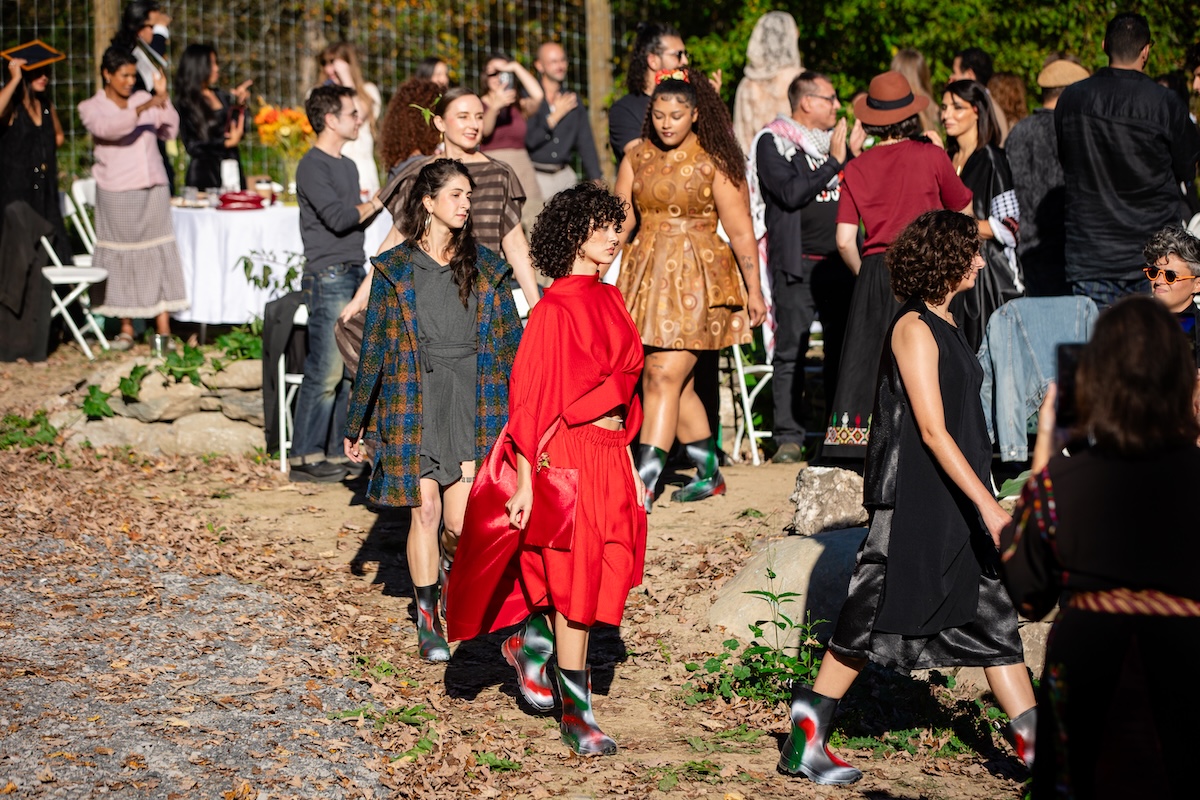
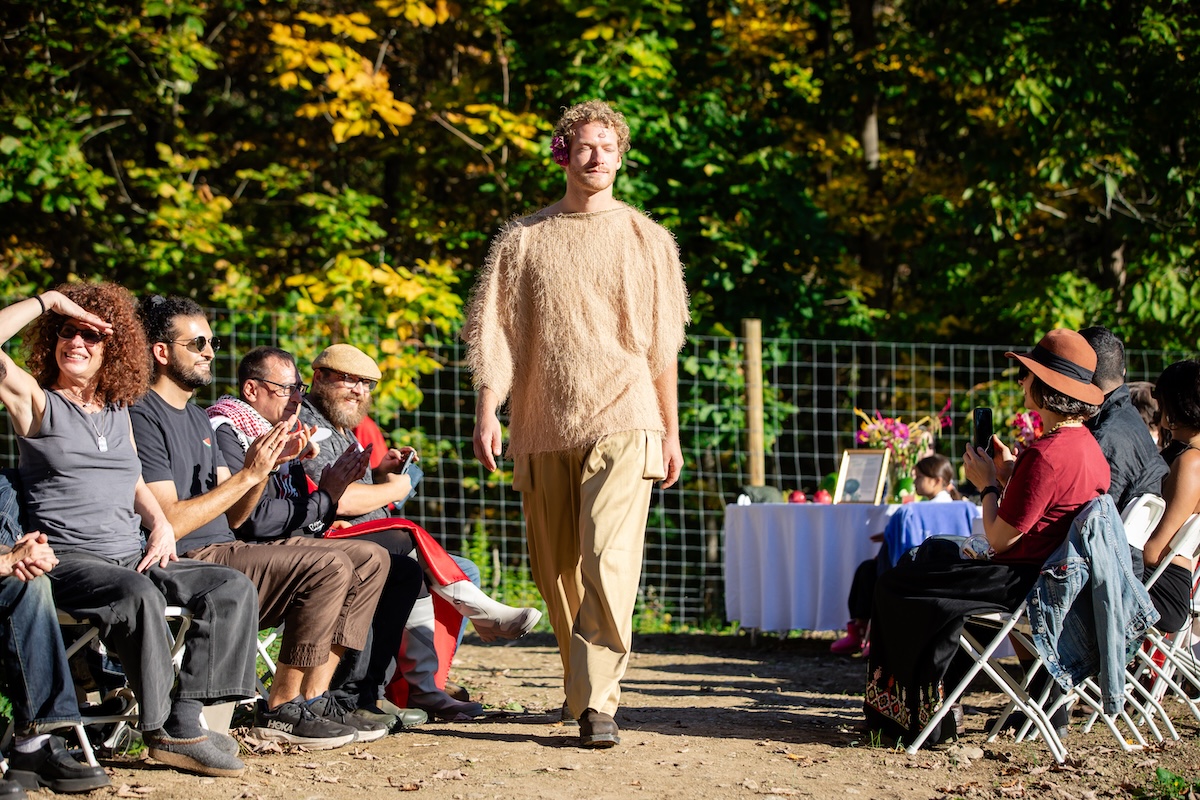
So it was no surprise the terraces on the farm and rolling hills of the Hudson Valley played main characters in the show, highlighting the liquid movement of the textiles on the models’ bodies, showcasing unlikely fabric combinations based on what was sustainable and available. Neville Wisdom, designer of the collection and Vivien’s husband, created the pieces with this in mind; allowing nature and fabric to influence the design as much as his connection to the farmers and seed library.
For Neville, the design journey started similarly to Vivien’s seed journey. He reminisced about the magazines that floated around his childhood home in Jamaica because his mother made their clothes by hand. Following suit, Neville lifted thread and needle conscientiously, baring the economic realities of Jamaica with each sartorial choice, but joyfully discovering novelties that arose from creating clothes contextually.
“Design for me is something that is always to embrace and not control. It’s a little bit of give control and take control.” He mentioned, pointing to the repetition of pockets in the dresses and the importance of creating something stylish while also comfortable and referential to the farmers who rescue seeds.
The name of the collection, GEORGE, was a serendipitous parallel with his middle name and the patron saint George Khadar, the saint of agriculture. He commented on the lack of structure in the garments, noting “an ease about the clothes in relation to farming.” Much like the seed being planted in new land, Neville’s collection bends and shapes to the wearer and their environment.
One of the models for the show and climate activist, Willow Defebaugh, expanded on this sentiment, adding that “seeds are about possibility. The endless possibility of what the future can create.”
Photos courtesy of Tony Ramirez
And the future looked collective.
Camilla Aristizabal spoke of farmers using PHSL seeds in Colombia, planting their seeds in their own materas as they navigate saving native Colombian seeds as well. Across the world, and right here in Hudson Valley, stories of cultivation and the people behind it are being refound.
We sipped on drinks served from local wineries and ate food made by Sansour’s friends especially adept in the kitchen, featuring local ingredients under a Palestinian menu. One such dish was watermelon, cheese, and basil. We later found out this specific watermelon was the Palestinian watermelon plant that farmers thought had been long lost until Vivien uncovered a bag of seeds after tireless searching.
Photos courtesy of Tony Ramirez
And so we ate Vivien’s history: A nectarous fruit once thought of as lost to time and violence entered the lives of those gathered in upstate New York one sunny, fall day. The flavor was kept alive. As was the story.
In designing a new future, the Palestine Heirloom Seed Library poses us a question; in a changing world, which is the liberatory future that brings us all together?
GEORGE will soon be available to purchase on the PHSL website.
Reach out to arts.and.seeds@gmail.com for questions.