

I grew up in a small Texas town. Actually, it’s not so small anymore. Silicon Valley essentially relocated to the area, bringing with it skyrocketing home prices, endless development, and tech bro’s in boat shoes instead of sweaters.
But when I was younger, it was a smallish town - think a single high school kind of small.
I could count on one hand the number of Arabs that lived in a 20 square mile radius. I was the only Palestinian in my school.
And I felt that singularity deeply. Even when I didn’t have words for it, my bones shook with it and my teen years began to wrap around it like a macrophage pulling that feeling into itself. Most times the loneliness existed like a little buzz in the back of my head that I barely noticed, other times it was a whole marching band in my ear reminding me that I was different. I was the terrorist they wrote about in our textbooks, the exotic sandbox princess from Aladdin, but most importantly, I was not like everyone else.
The refrain of the “you’re not like everyone else” ensemble also played raucously at home. “Your friends come over and they don’t even say hi to your parents!” my mom would lament. Remind your friends to take their shoes off from my dad. They came and they didn’t bring anything with them, we always invite them over and they never invite us over, they look at us like we’re not from here, don’t act American, we are Palestinian, don’t talk back to your teachers, be nice, listen to your parents, don’t be rude, be polite, family comes first…. The same chorus over and over and over and over articulated in a thousand different ways.
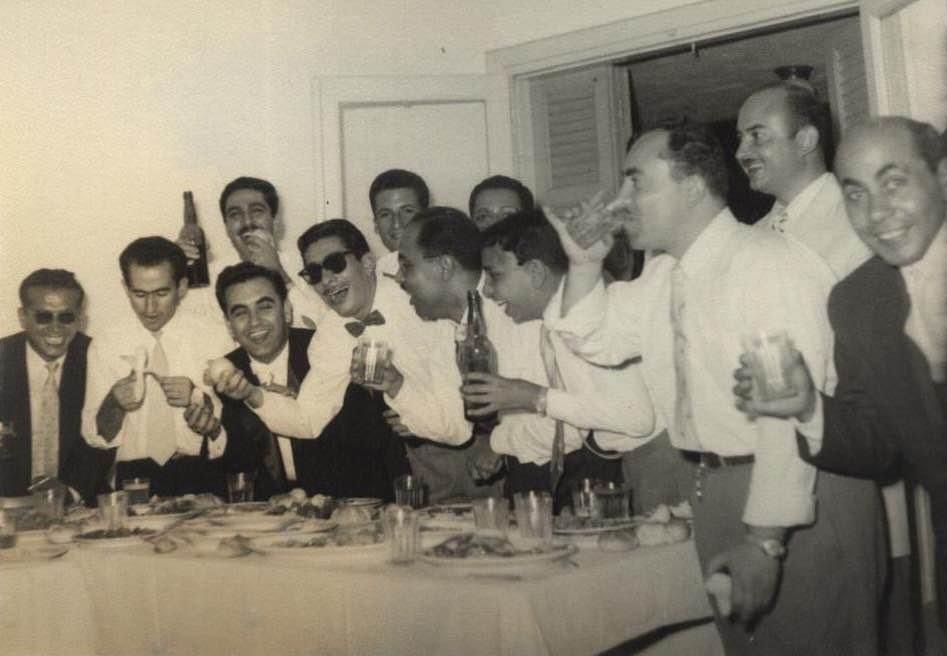
Our rules were respectful, theirs indulgent. Ours kept us together, theirs seemed to separate people from one another. Ours felt ancient; theirs belonged to a newer, lonelier world.
When I was younger, I resented our rules. Our rules to treat guests like royalty, to be frugal with our resources at home but abundant with others, to spend the time to get something to take with us when we visited (which was often), our rules to never tell guests it was time to go even if we were tired, to bring out the nuts, and the fruit, then the coffee then the tea. To never touch the nice sofa, those were just for guests. So many Palestinian children know the annoyance of having to wash endless dishes because we brought out the precious plates for company. No paper plates, just heavy ceramic. People always had a room to stay in at our house, even if it meant I had to sleep on the sofa. People never left my parents house hungry, even if it meant I didn’t get a second slice of the kanafa my mom made. People lingered at my parents’ house.
As a kid I hated our rules.
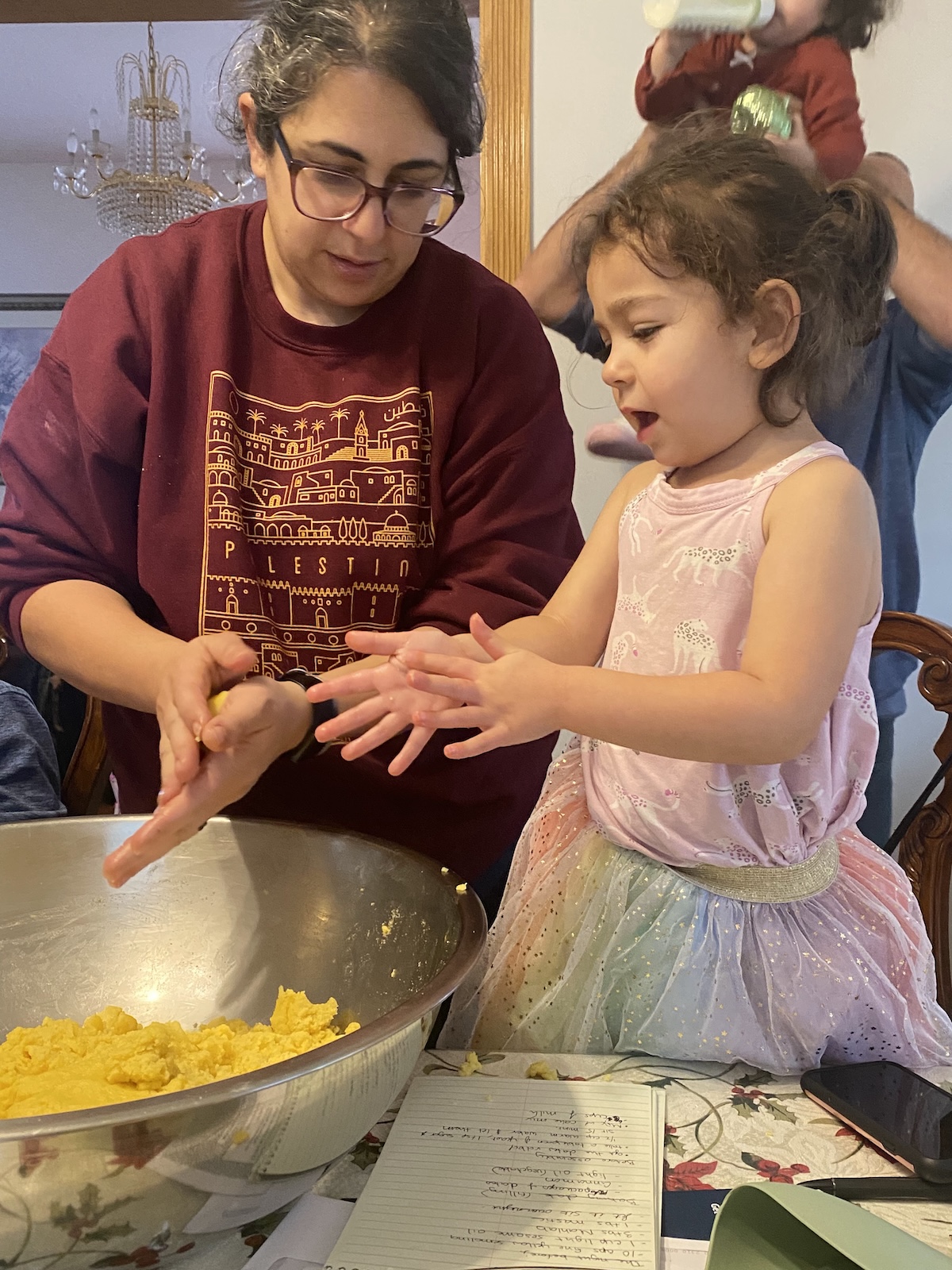
The rest of the world talks about these rules as abundant Palestinian generosity. Anyone who visits a Palestinian home will tell you that Palestinians are generous, repeating it like a shield holding off a killing blow. Don’t kill them, they’re generous. They can’t be terrorists, they’re generous. As if this dance of hospitality could be pleasing enough to stop the bombs.
As an adult, I am thankful for our rules, but only because I now see them for what they actually are.
Because this isn’t really generosity. I mean, it feels like generosity, as in gifts given from kindness. But it isn’t kindness that compels the giving, and it doesn’t come free of charge.
There is an expectation that comes with the tea, the coffee, the extra helping of molokhia. The expectation is a tether to community, to one another. That expectation is that when push comes to shove, we will fight for each other.
Generosity is a signal that the collective is survival. The obligation to one another is power. The extended hand is a foothold into a revolutionary act of interdependence to one another and independence from killing systems. The rules are the price of buy-in to our collective care.
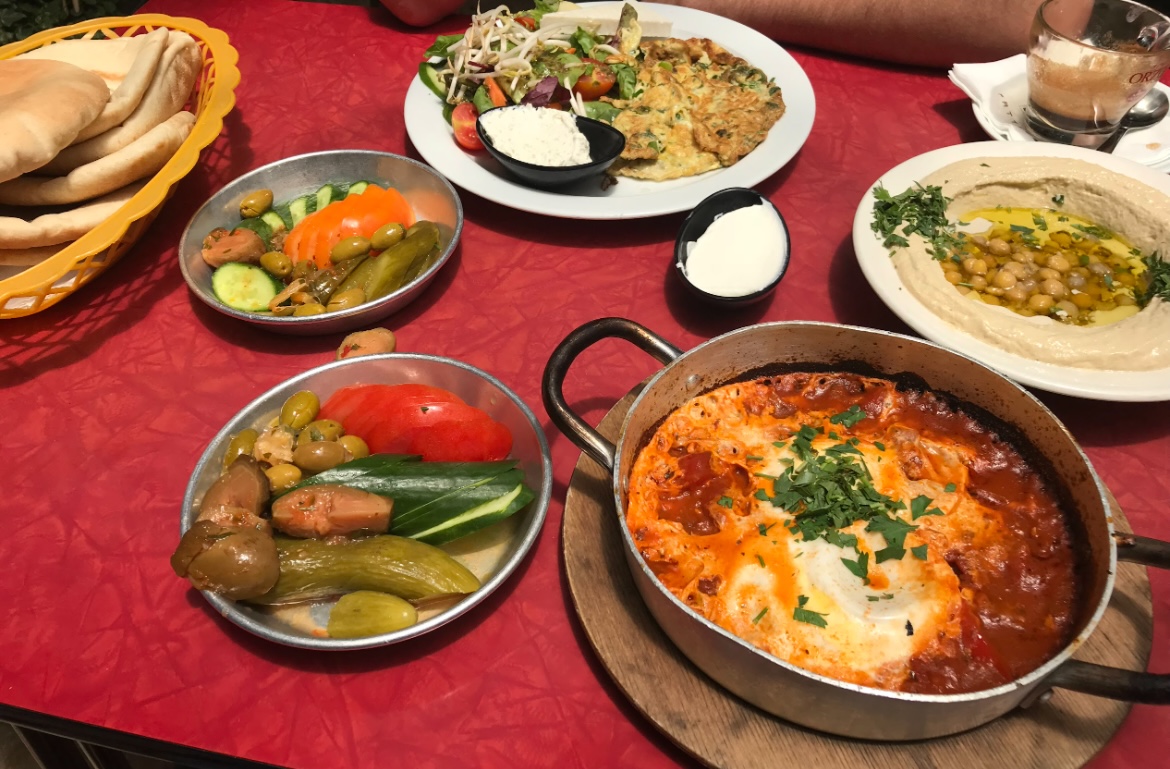
Now some people now call it mutual aid, but we had it long before it became institutional language and an Instagram slide deck. The giving and the caring and the tether.
And I hold onto these rules of generosity like a life line. People come over, I will feed you, I will give you the shirt off my back. My 5 year old once groaned at me, a groan I remember viscerally from my own childhood. “Why do I have so many aunties?” she said as she melted to the floor after a day of visiting and hosting and feeding and washing. I laughed, and said to her exactly what my parents said to me “wajibna.” It’s our obligation, our part to play.
But while the rest of the world will call us generous, I will teach my children that this is not generosity.
This is our tithe to our collective liberation. It is my obligation to you.
It isn’t to be taken for granted, it is to be passed on. As in the energy I fill you with, it should be used to fill others.
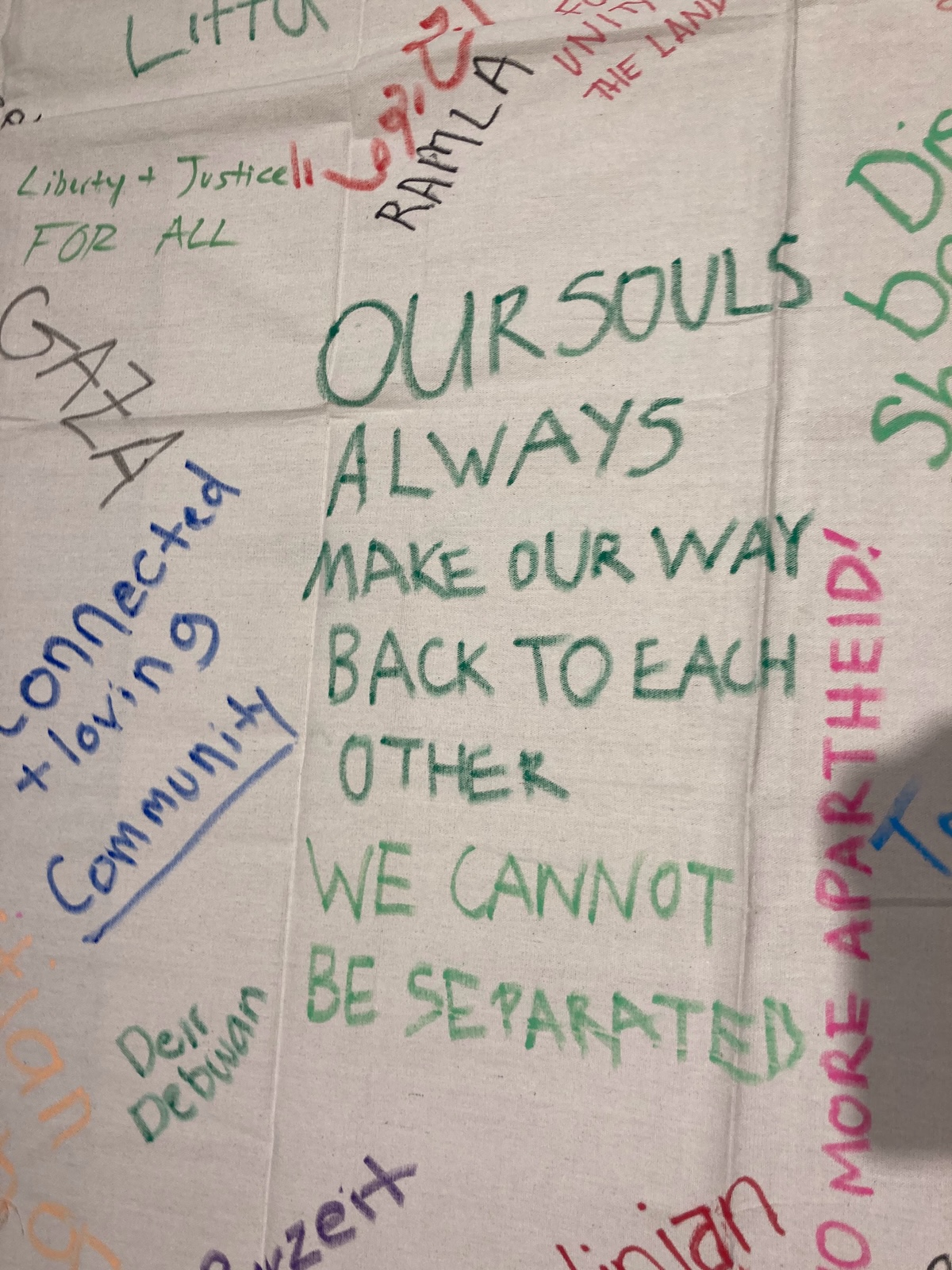
This isn’t a thing where we keep score. Where every cup of coffee offered you is expected to be repaid back to me. It’s not a transaction; it’s an antidote to capitalism. It’s a promise. It’s that I extend this behavior of collective care so that you too will have the capacity for collective care.
I want people to stop thinking of us as nice, we are not always nice.
I don’t want our rights to be tied to us being good, we are not always good.
I don’t want people to justify our living with our generosity, because our generosity is not selfless.