

Officer 1 said: “You need to take off your shirt – it says globalise the in-fri-ta-duh.”
When asked what the term means, Officer 1 shrugged. Presumably not an egg-based brunch dish.
Officer 2 chimed in: “It’s a violent uprising.”
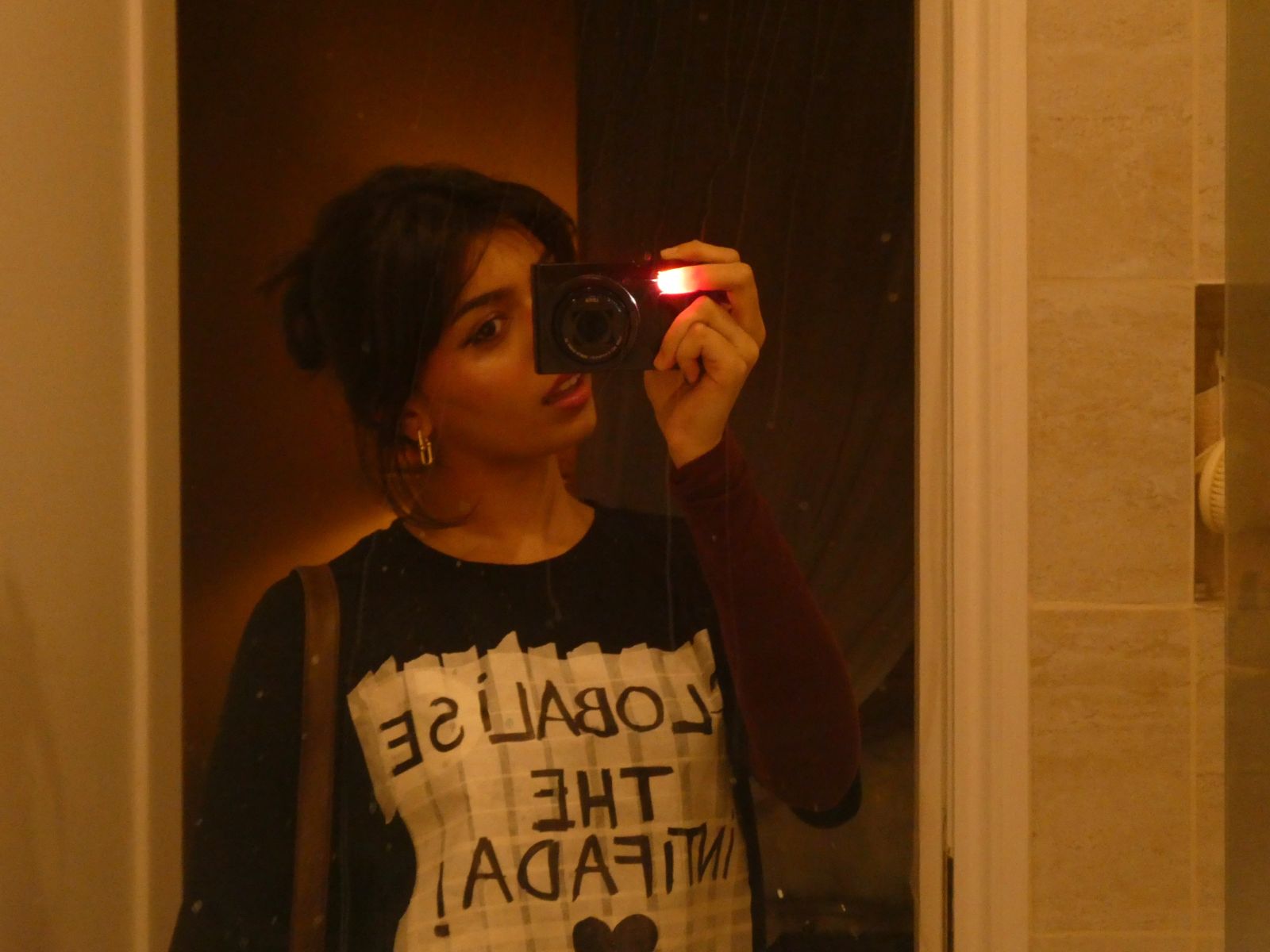
Earlier this year, I was arrested on the premise that my t-shirt, which read “Globalise the Intifada” was capable of “inciting hatred”.
So what does the word intifada actually mean?
The Arabic term directly translates to the verb ‘shaking off’. In popular culture, it is used mainly in political contexts, where it colloquially implies a specific action: shaking off the chains of oppression.
Following its widespread use in the 1987 Palestinian protests against Israel’s military occupation of the West Bank and Gaza Strip, the word gained a supposedly antisemitic edge—where Israeli discourse has since re-interpreted the term as a direct threat against the state.
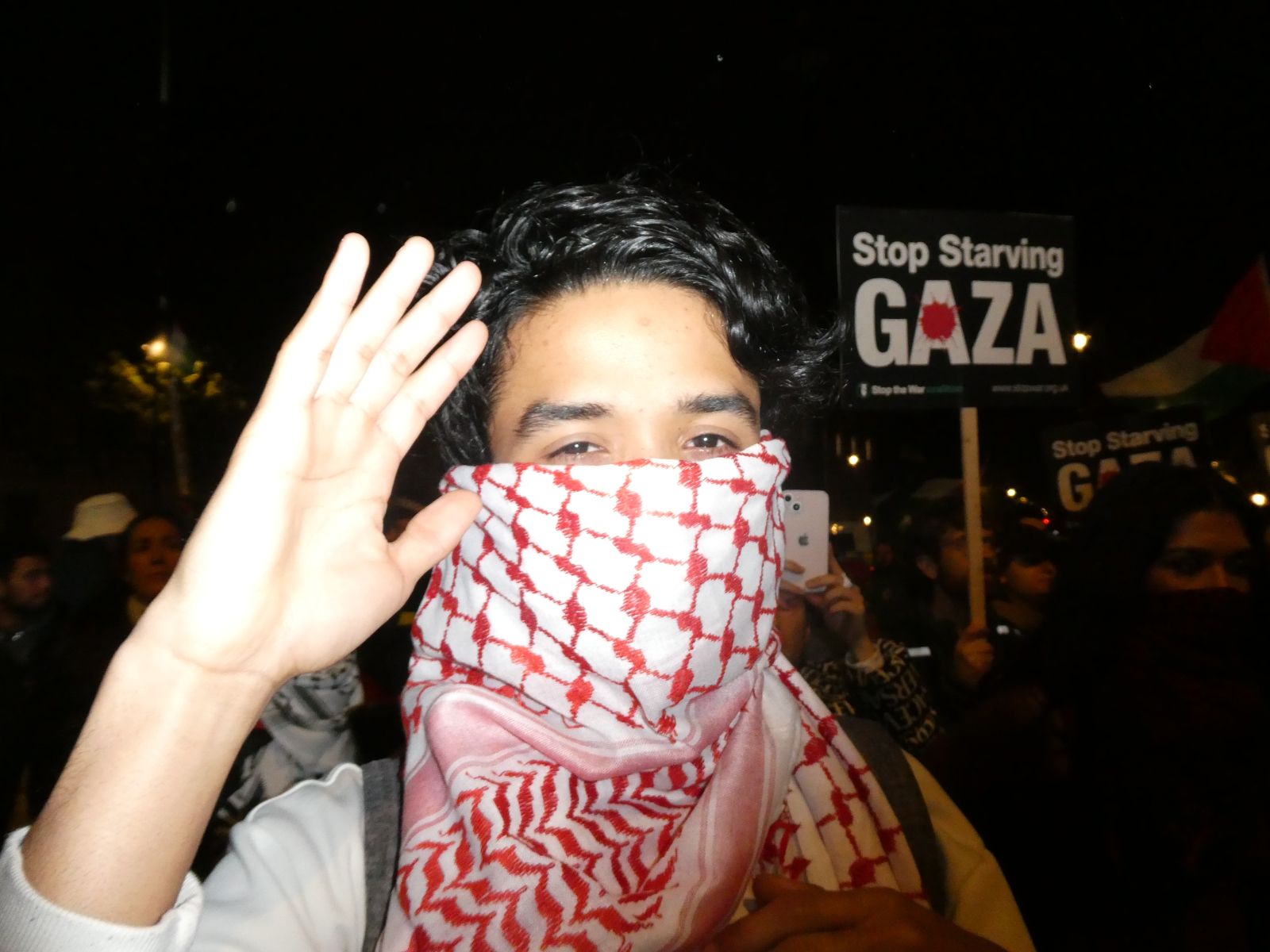
For many however, particularly across the Global South, intifada remains an expression of the desire for freedom from oppression—for all.
Because of this, according to guidance issued by the Crown Prosecution Service (CPS), the use of the word “intifada” alone does not meet the threshold to be an arrestable offence.
After explaining this fact to Officers 1 and 2, they appeared rather confused. They then instructed me to remove the shirt. I complied, turning my shirt inside out so the text was no longer visible.
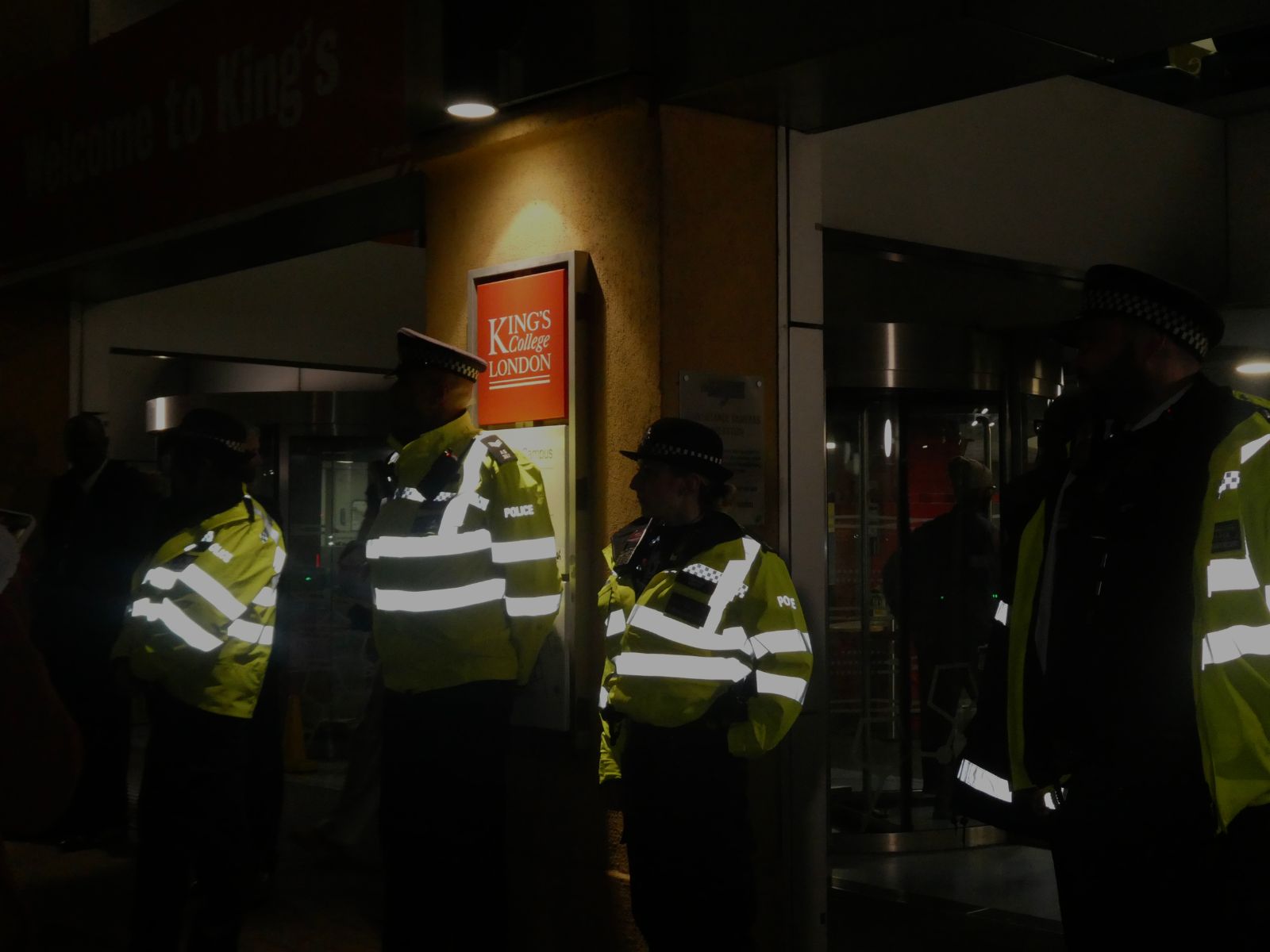
It was about twenty minutes later Officers 1 and 2 reappeared, accompanied by Officers 3, 4, 5, and 6. I do not blame them for their numbers—they were, after all, facing an incredibly difficult decision—to follow the guidance outlined by the CPS, or the directions of another officer.
They chose the latter, and I was arrested, taken to, and booked at Islington Police Station.
Over the next 14 hours, I spent the majority of my time in a cell.
That cell provided me ample time to consider the increasing distance between the law as it is written, and the law as it is executed.
In my case, I feel this sentiment is obvious. Whilst the CPS is clear on their stance towards the word intifada, during my time in Islington Police Station’s interview room, their guidance existed only in abstract, failing to offer me any credible defence.
Here, where the documented legal standard can be overridden by the direction of a superior officer who cannot pronounce the word they are policing, let alone understand it, we find ourselves facing a sort of systemic breakdown.
This is the dangerous absurdity of our legal system: in the mouth of a protester, intifada is a cry for liberation—a literal ‘shaking off’ of oppression. In the ears of Officers 1 and 2, it is a sort of quiche-turned-threat.
Somewhere within that liminal space of linguistic misunderstanding, our right to freedom of speech is dying.
But this is not new—it is a continuation in this government’s not-so-subtle slicing into civil liberties in this country, achieved less through headline-grabbing legislation, than through the steady broadening of police and prosecutorial discretion.
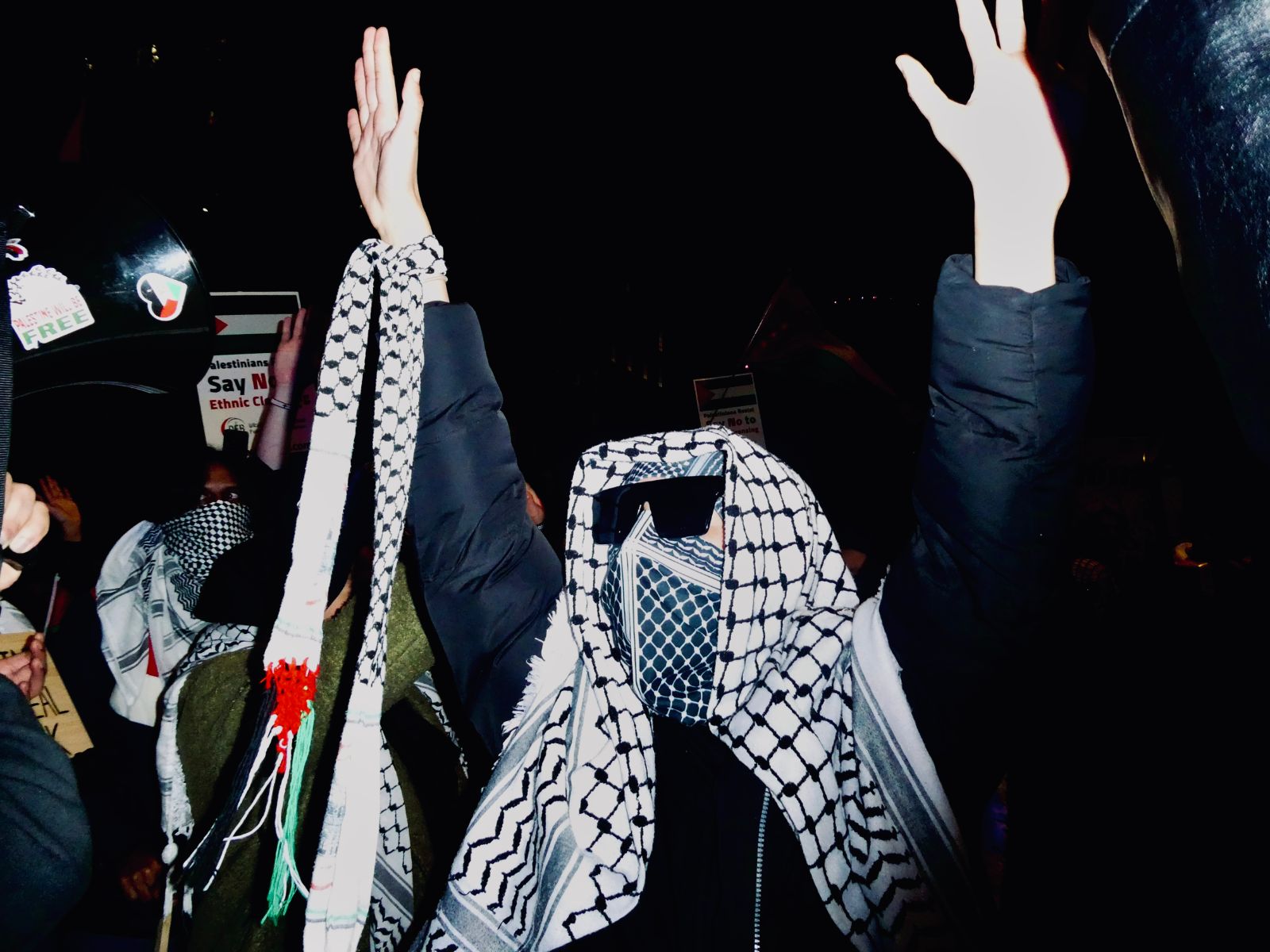
The treatment of Palestine Action is illustrative. Acts that would once have been processed as severe criminal damage or public order offences are now being reframed through the language of terrorism, bringing with them more severe charging decisions, longer pre-trial detention, and tighter restrictions on communication and bail.
The law has changed; not so much in its content as in its posture: it now leans instinctively towards suspicion.
It is this inherent suspicion that explains why a simple t-shirt can trigger a three-month-long investigation. The hunger strikes that have since followed should be understood in a similar light. They are not merely protests against detention, but against a legal environment in which procedural safeguards—timely trials, meaningful access to counsel, clear evidentiary thresholds—have come to be treated as negotiable inconveniences, rather than foundational rights. As we watch innocent people spend what has now been over a year in remand, the fundamental ethos of being ‘innocent until proven guilty’ has quietly been turned inside out.
The issue here is no longer one of phonetic confusion—power in the UK is being exercised earlier, more forcefully, and with less need for justification. The legal threshold no longer appears to be one which questions whether an offence has taken place, but one which asks: Do I agree with this?
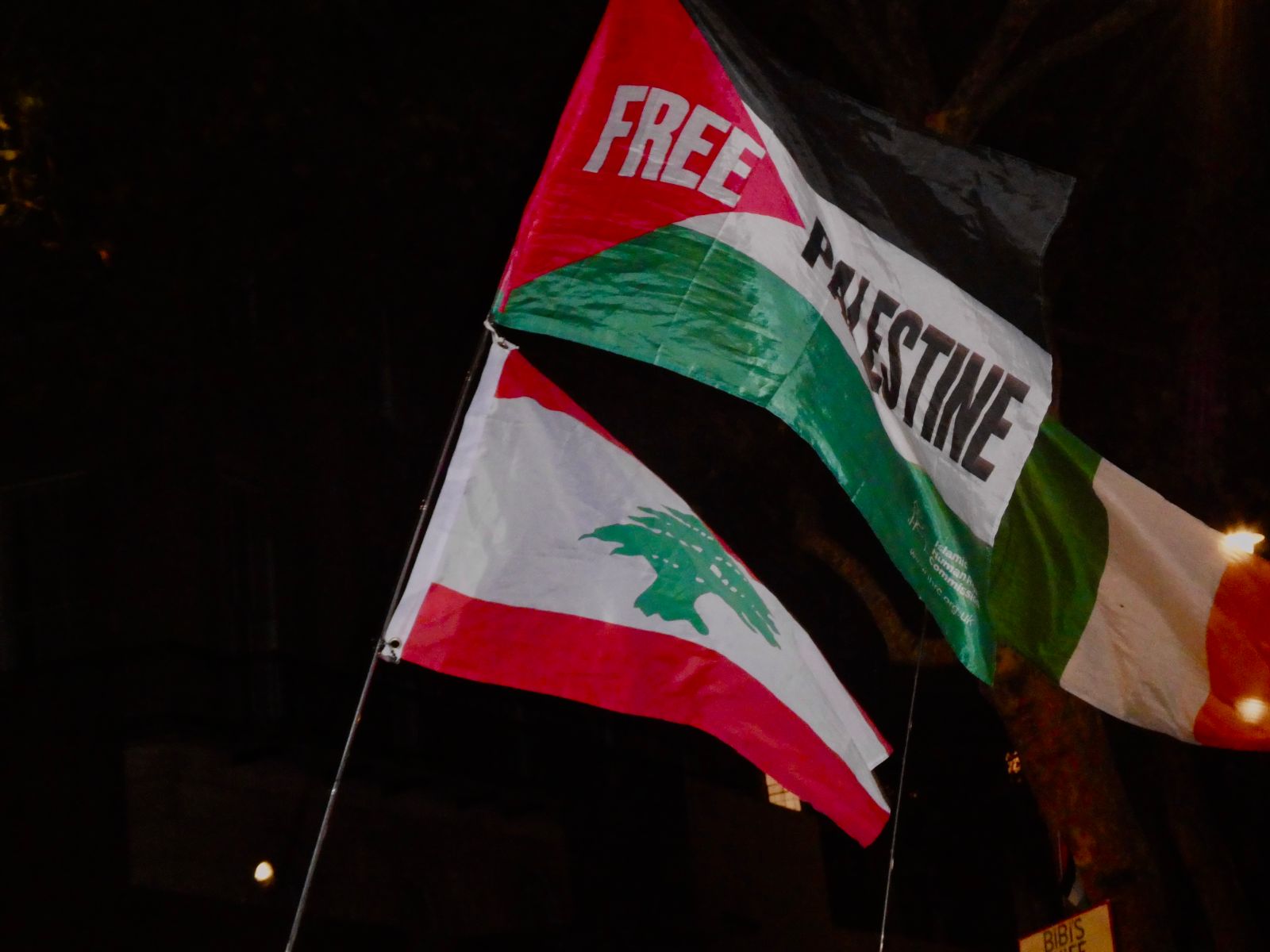
But liberation has never come without disruption. And if a misspelled brunch dish is capable of splintering the written law from its operation with such severity, then our legal system has long since surrendered its claim to serving any real justice. The question being asked is no longer what the law permits us to say, but whether the state feels comfortable hearing it.
And so, to all of this, I say: Globalise the Infritata. Today, and every day after.
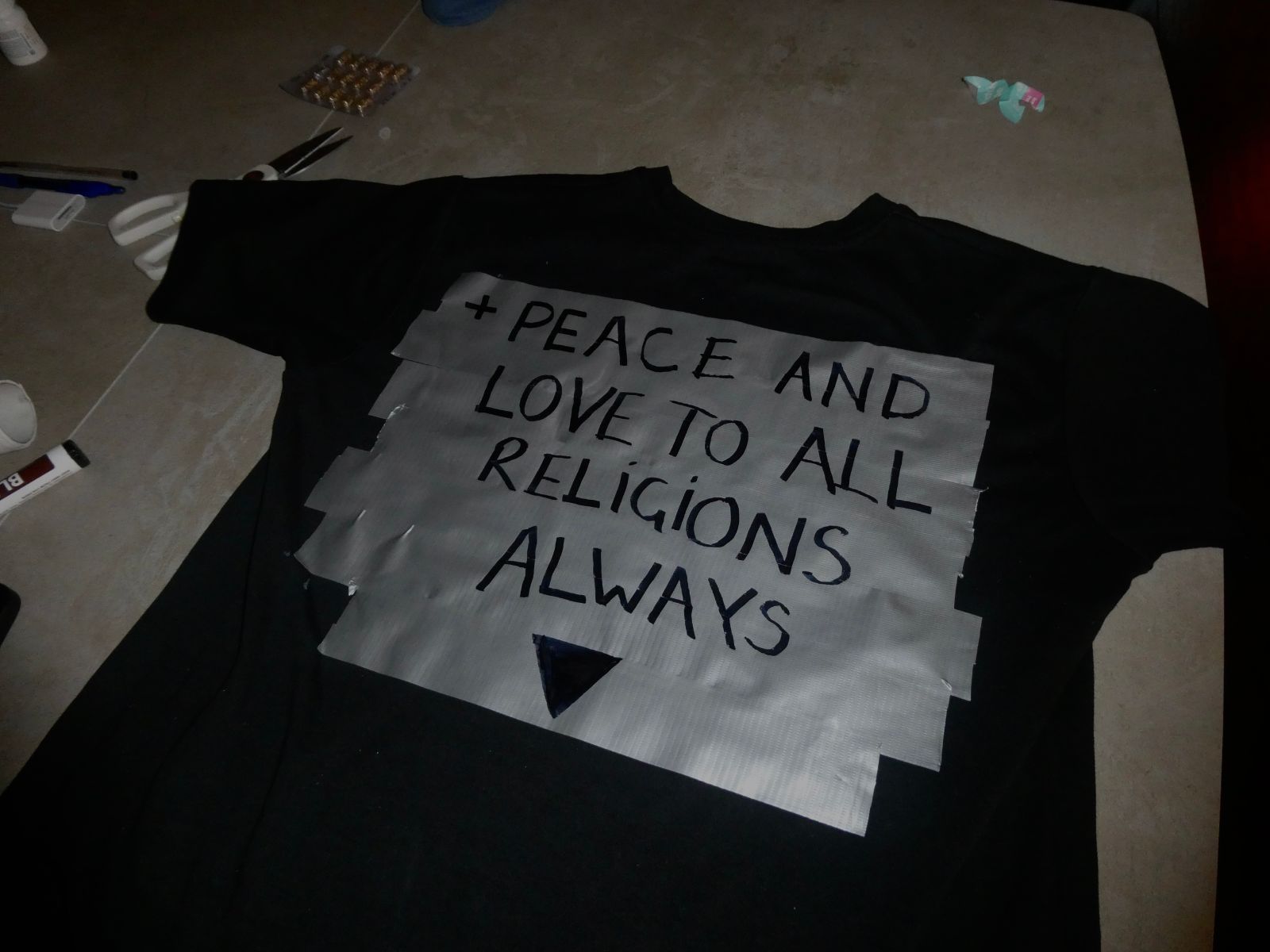
Note: The author of this article has since been released without charge following the events described in this article. It appears that the Metropolitan Police Service’s attempt to criminalise a call for freedom, in this case, has proven unsuccessful.