

I don’t think young people in India are politically disengaged. If anything, I think we care too much. And, we are simultaneously being inundated by bad news all the time.
Every morning, we wake up and there is something new happening: a protest, a new policy, an arrest, a political statement, a viral video, someone explaining why you should be angry about something, someone else telling us why that person is completely wrong. You open Instagram and it’s there, you open X and it’s there too, you open YouTube and someone has already made a twenty-minute video about it, and a member of your family from the group chat has their own opinion too.
Then two days later, everyone has already moved on.
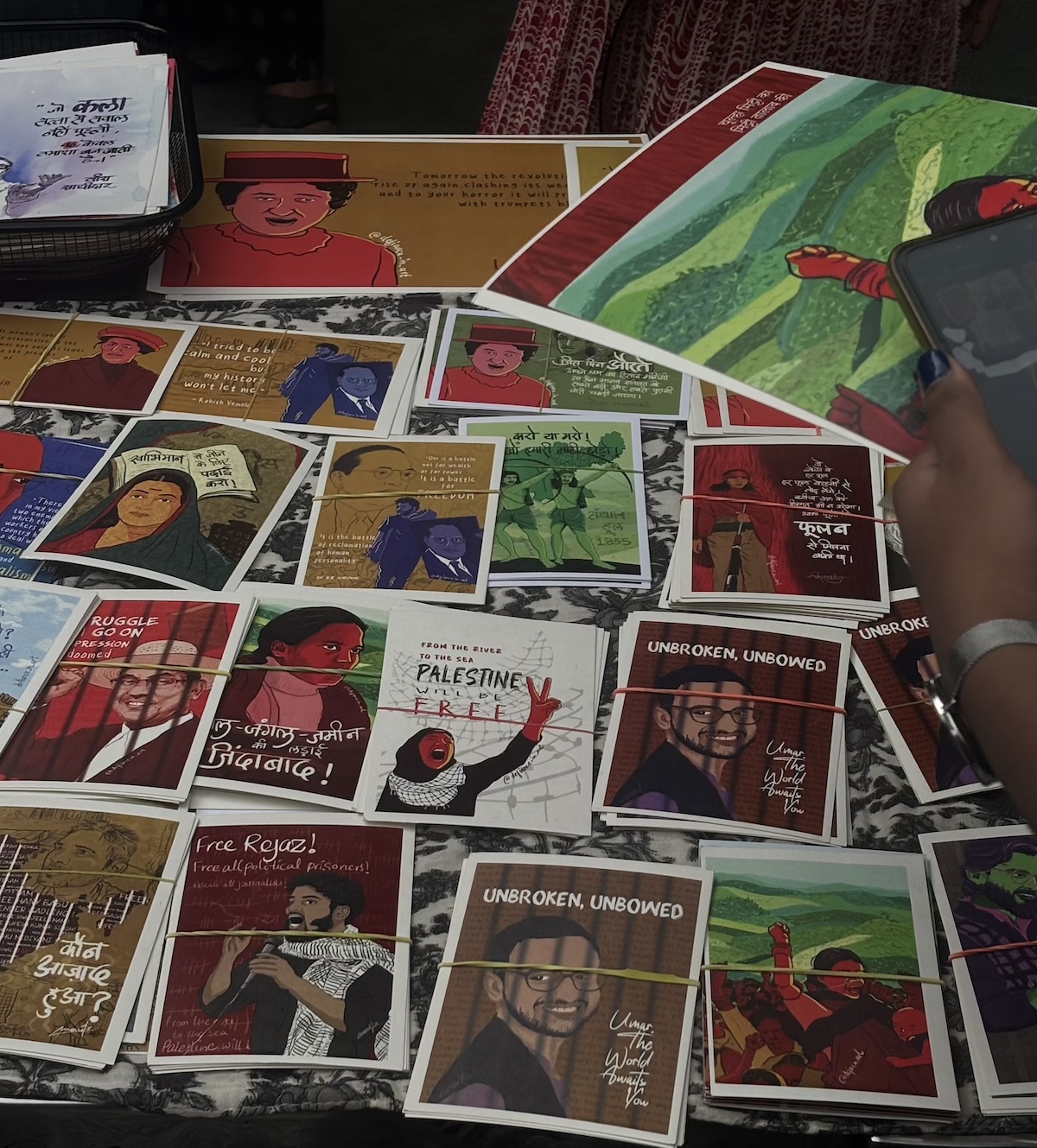
But what actually happened? And how can we break this endless cycle of media fads that turn over at lightning speed?
As a designer, this is the question that kept me up at night, and inspired me to start Unmaking Media Noise.
I initially thought the problem was that young people were politically disengaged, but my research showed me something different. Young people are actually consuming political content constantly. Around 70% consume some form of political content every week, yet only around 12–15% translate that awareness into civic action.
So maybe the problem isn’t that we don’t know what is happening. The problem is what happens after we find out about it.
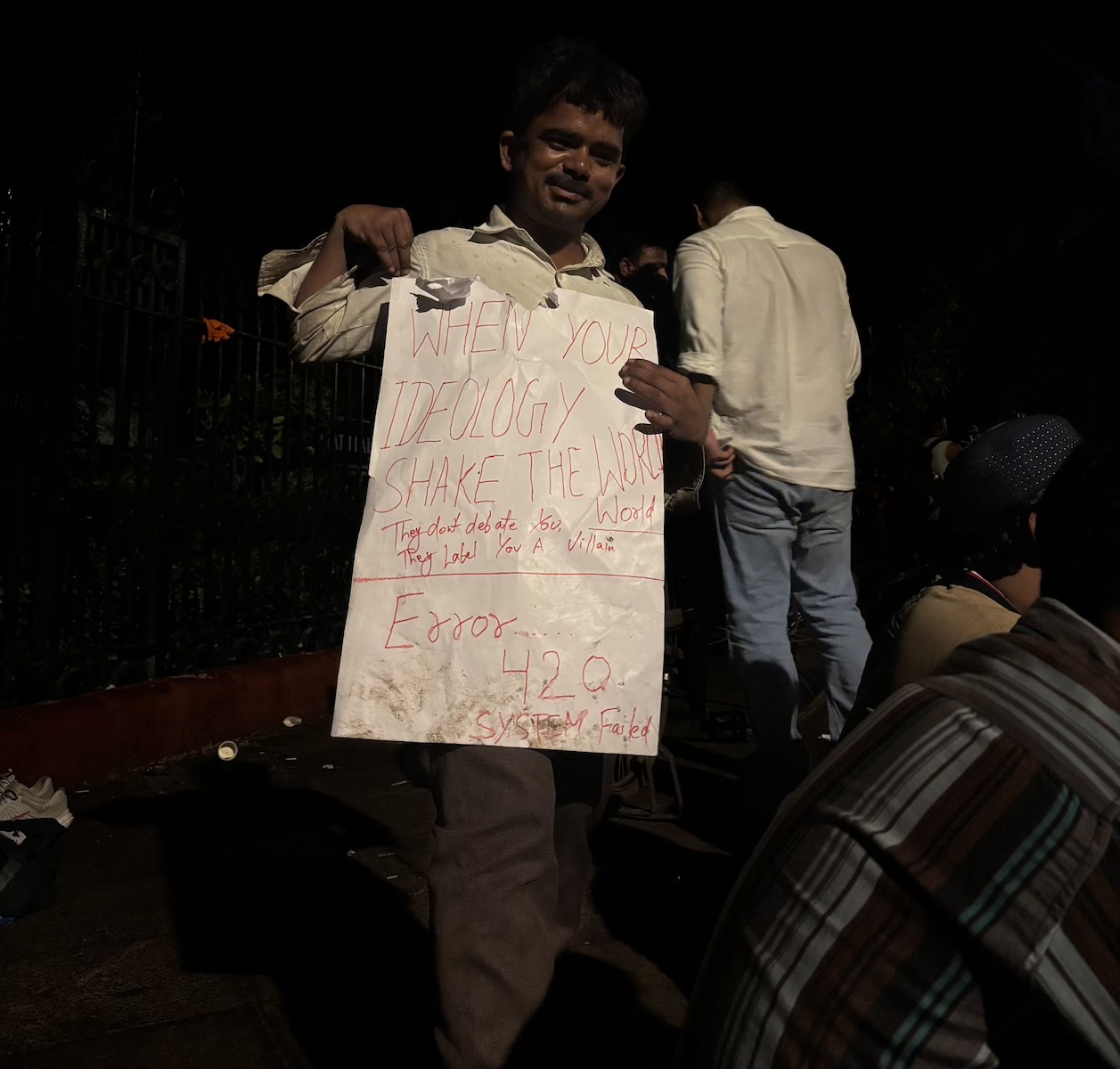
We have built a system where information reaches us almost instantly, but understanding still takes time, and the internet rarely gives us that time because before we know it, it’s already moved onto the next thing. A story breaks in the morning. By lunchtime there are hundreds of posts about it. By evening there are memes and arguments. By the next day, another story has replaced it.
The previous story is still technically happening, but socially - it has almost disappeared.
The average Indian can receive somewhere between 15 and 25 or more news notifications a day. Nobody can meaningfully understand that much information in the span of 24 hours. At some point, the news stops feeling like knowledge, and it just becomes noise.
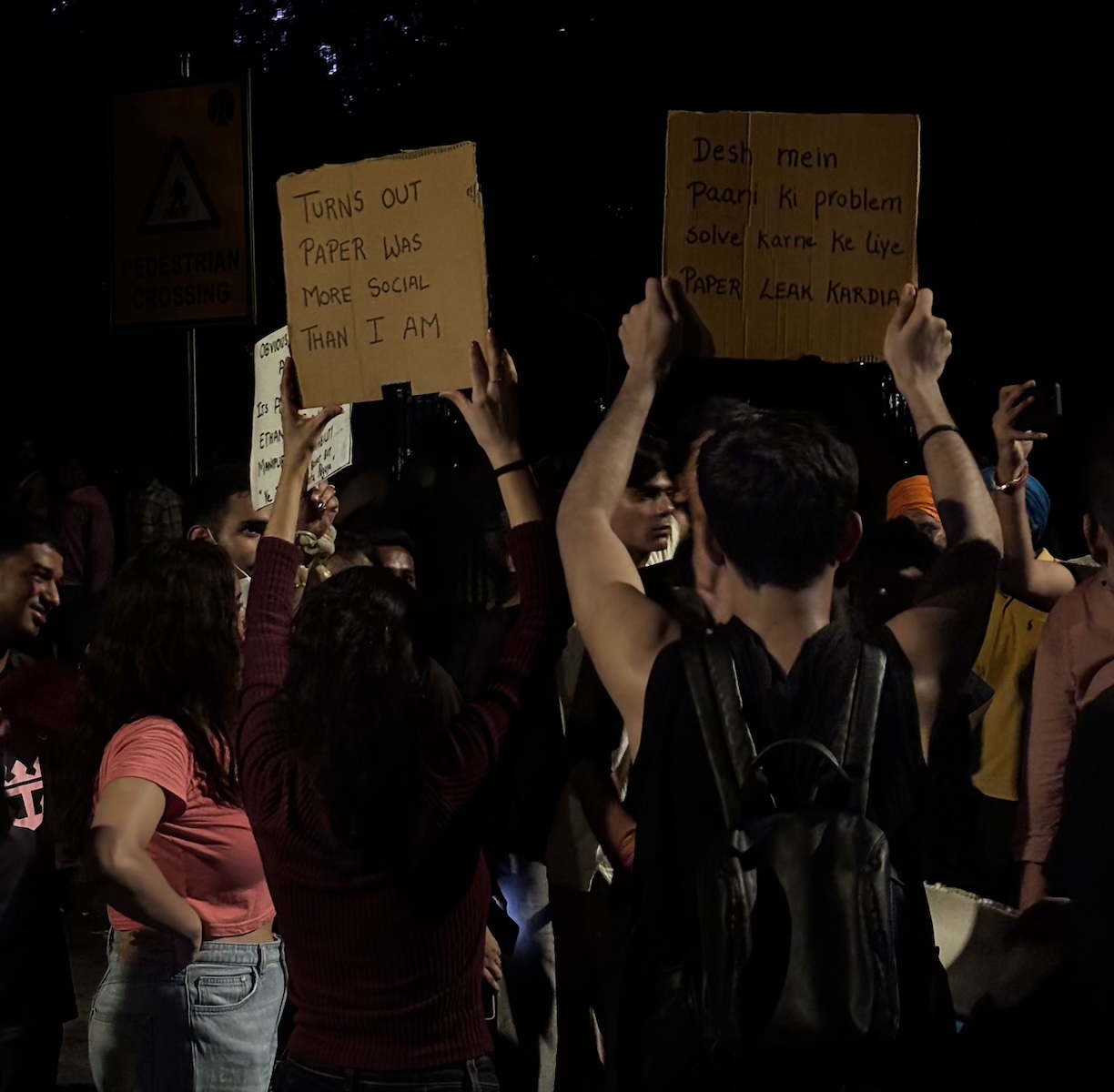
In my research, 56% of respondents said that the news feels repetitive, and the same percentage had unfollowed news sources because consuming it regularly became mentally exhausting.
That behaviour makes sense. If every notification is urgent, eventually none of them feel urgent. If every issue is presented as the biggest crisis happening right now, eventually you stop knowing where your attention is actually useful. Platforms are incredibly good at helping us discover what happened, but they are terrible at helping us understand what happened next.
Think about how many political stories you remember seeing over the past year. You probably remember the headline, maybe the viral video, maybe everyone arguing about it. But do you remember the conclusion? Was the policy changed? Did the investigation go anywhere? Were the protesters heard? Was somebody held accountable? Did anything actually happen after it went viral?
Most of the time, you have to actively search for that answer yourself. That feels backwards.
If a media platform told me that something was important enough to demand my attention, why does it suddenly stop being responsible for telling me how that story developed?
That is where I started looking at news not as individual articles, but as a whole system.
Ideally, information should move through context, memory and interpretation before it becomes engagement and eventually civic action. Most digital media systems, however, are obsessed with the first step: more information, faster information, another notification, another breaking story, another thing to care about before you’ve finished understanding the previous one.
That became the central idea behind Unmaking Media Noise.
Instead of creating another platform that gives people more content, what if we created something that helped people stay with an issue?
This is where the idea of a Civic Loop comes into play: you discover an issue, understand the context behind it, follow how it develops and, most importantly, find out what happened in the end.
Not another article that gets buried, but an actual timeline showing what happened, what changed, who took action, what remains unresolved and what people can do about it now.
Instead of treating every news story like disposable content, the system treats an issue as something that has a life: a beginning, developments, people affected by it, resistance, responses, and eventually (hopefully) some kind of outcome.
Even if that outcome is simply that nothing changed. Because knowing that nothing changed is also important information.

A proposed issue timeline allows readers to follow developments beyond the initial news cycle
I also don’t think the solution is putting another giant TAKE ACTION NOW button in front of people.
People are already overwhelmed, and participation doesn’t always have to mean joining a protest tomorrow morning. It can begin with understanding who is already organising around an issue, finding a local group, reading the actual policy, attending a discussion, following organisations doing the work, supporting a campaign or simply continuing to follow an issue after everyone else has stopped talking about it.
The point isn’t to force everyone into activism. The point is to disrupt information systems that make scrolling feel like the only response available to us.
Trust is another part of this. People don’t automatically trust news institutions just because a logo tells them to anymore, and maybe they shouldn’t. Instead of asking people to blindly trust a platform, the system should show where the information came from, what sources were used, what is verified, what is still developing, why something was included and what has changed since the last update.
Trust shouldn’t just be branding. It should be something people can inspect.
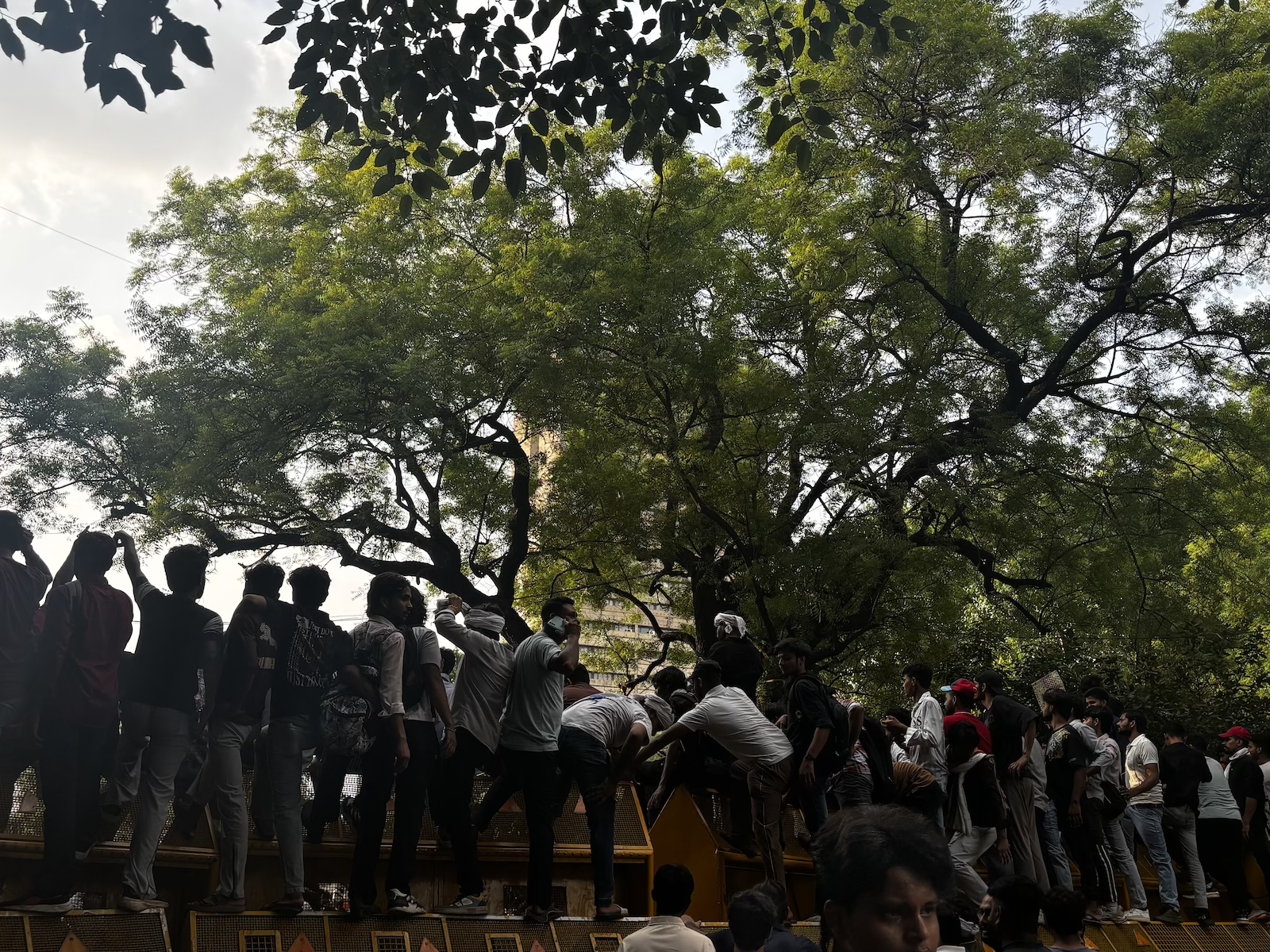
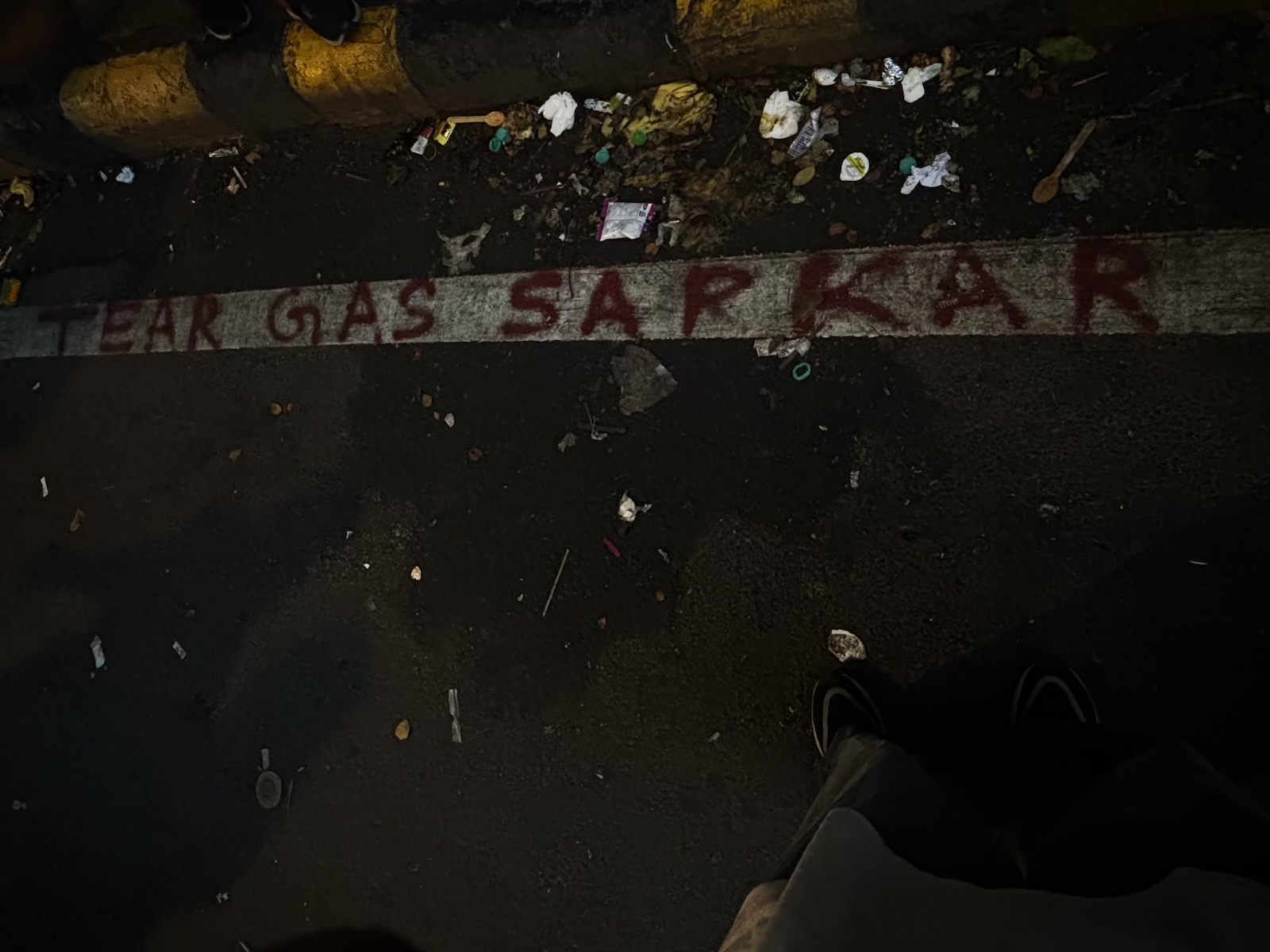
Youth-led protests and civic activity also challenge the idea that young people are apathetic. In reality, people are showing up, organising, questioning institutions and talking about policy, rights and accountability - both online and offline.
The appetite for engagement already exists. What sits between that awareness and action is an information system constantly asking us to care about something new.
Maybe we don’t need more news.
Maybe we need better ways of remembering the news we have already consumed, context that survives longer than a trending cycle, and systems that allow people to follow an issue without becoming full-time researchers just to understand what happened.
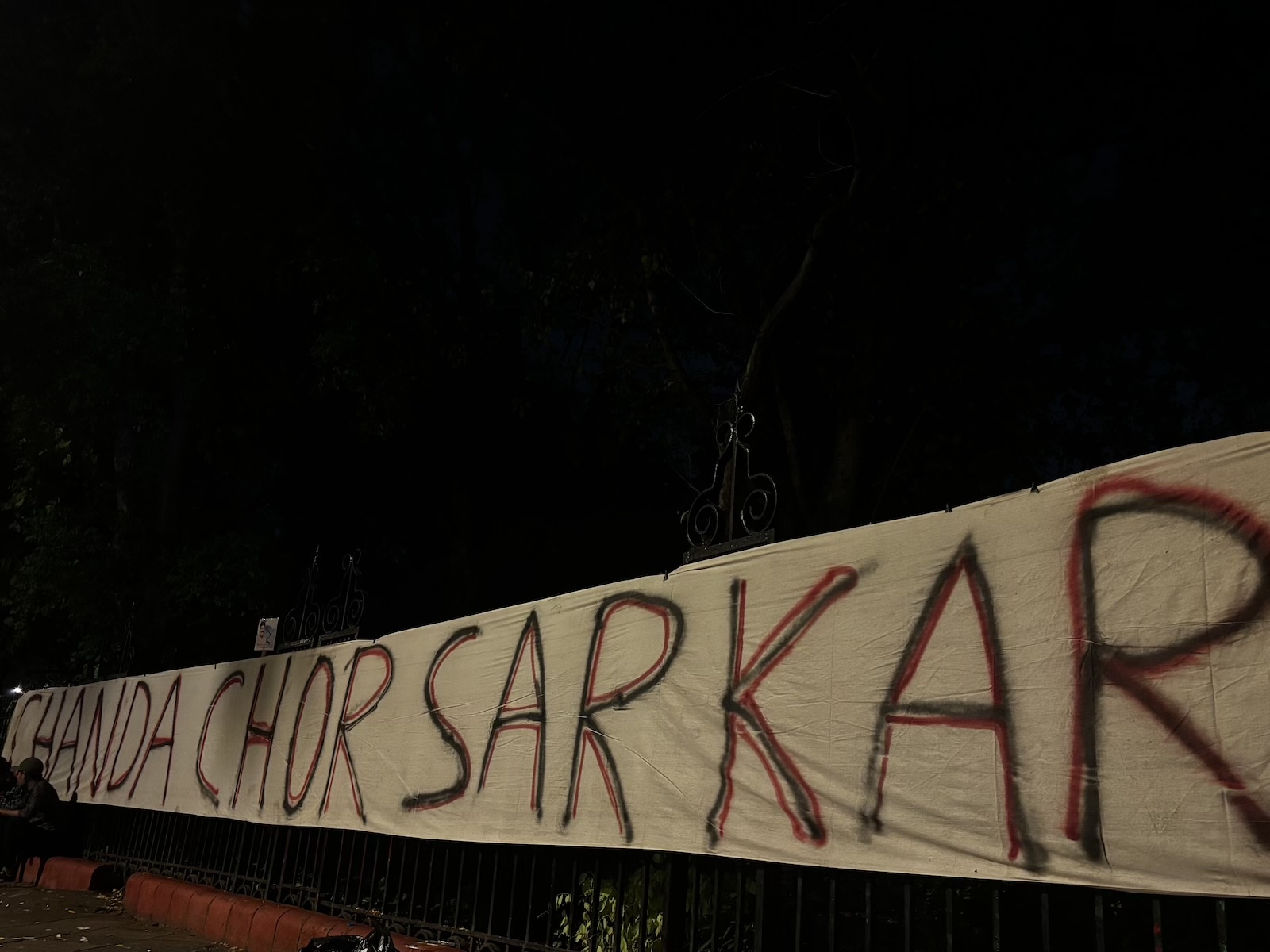
Because the question isn’t whether young people care. The more useful question is: what happens to that care after the story disappears from the feed?
That is the space I want Unmaking Media Noise to occupy. Information alone was never the same thing as participation. Knowing what happened shouldn’t be where the story ends. It should be where engagement begins.