
Courtesy of Christina Assi
I grew up hearing stories about the Israeli occupation from my grandparents, who were born and raised in southern Lebanon. They spoke of Israeli troops raiding homes, of children living in constant fear, and of those who were detained and tortured in a prison established by Israeli forces in our village in 1982. As a child, I found these stories almost unreal. We couldn’t often visit the south, as the Syrian occupation and its checkpoints turned what should have been a short drive into hours of exhaustion.
My only understanding of those checkpoints was how they made my brother nauseous, unaware of what they represented.
In 2005, I was at home in Beirut when suddenly the entire building shook. The windows rattled, and a deep sound echoed through the neighborhood. Within seconds, you could hear screams from the streets. Back then, there was no social media to check what was happening, just rumors spreading through phone calls and frightened voices.
I kept asking questions, but no one answered. The only thing my parents cared about in that moment was making sure my brother was safe at school.
Moments later, we learned that Prime Minister Rafic Hariri had been assassinated. At the time, I knew nothing about politics or Lebanon’s fragile stability. My parents never discussed these things in front of us. Maybe they were trying to protect us from the cruelty of the world. But that same year, we left Lebanon and moved to Qatar.
In the summer of 2006, we returned to Lebanon for the first time since moving. The whole family had gathered for lunch in the village in the south. My grandfather was grilling meat while everyone waited around the table.
Then the landline rang, and I rushed to answer it. A friend from Beirut was on the other end, asking if we were safe, saying with a tense voice that Israel had started bombing bridges.
I dropped the phone, turned on the television, and went back to the kitchen. At eleven, the word “war” meant nothing to me. The women in my family started to panic, but my grandfather remained unfazed and continued grilling.
He calmly told everyone not to worry—that it would probably last only a few days. I wish he had been right.
Those few days turned into weeks as the war intensified, and we found ourselves stuck in the south under constant bombardment.
The strange thing is that I wasn’t scared. I would watch the sky as missiles fell. In my mind, they looked like shiny objects cutting through the air. My mother reacted very differently. Every time a strike landed, she would rush to cover our bodies with hers, as if her arms alone could shield us from death.
My grandmother would listen carefully to the sounds. She taught me that the buzzing noise we heard was an MK Israeli drone, which people called “Em Kemil.” She explained that it sounded different from fighter jets.
Two weeks passed until my mother finally said what no one wanted to admit: we had to evacuate, or we might die there.
My grandfather refused to leave. He had lived through wars before and believed this one would end like the others. So we left him behind.
For the first time, the idea that something terrible was happening began to sink in. We eventually reached Beirut and stayed at my aunt’s apartment in Ramlet al-Baida.
From the balcony, I could see the sky over Dahiyeh lighting up as missiles struck.
A few days later, we fled again, this time crossing into Syria. I didn’t have a camera to capture what I was seeing, but my brain recorded every building, every crater, every column of smoke.
We finally arrived in Qatar, and one night, while we were watching the news, footage from our village appeared on the screen. The camera moved slowly through the ruins of homes we knew, and then, for a brief moment, we saw the body of my father’s relatives. His house had been bombed because he refused to leave the village. He wasn’t fighting; he just chose not to leave his house.
Those harrowing moments between 2005 and 2006 changed me fundamentally. That was when my interest in politics started. I had so many questions about everything, but my father refused to answer most of them. At the time, I thought he was being unfair. Now I understand he was trying to protect us from a reality he knew too well.
But his avoidance only made me more curious. I turned to history books, documentaries, and online archives, trying to make sense of everything I lived through.
Every time I brought up something, my father would challenge my sources. He would ask where the information came from, who wrote it, and why. Back then, it annoyed me. But today I understand he was teaching me something essential: facts matter more than opinions, a lesson that ultimately shaped the way I approach news and led me to journalism.
In 2015, I made a decision that terrified my parents: I chose to return to Lebanon to continue my studies. They tried their best to convince me otherwise, but I was stubborn. I believed my future belonged there, and deep down, I needed to reconnect with my roots.
Courtesy of Christina Assi
I was fortunate to live in different areas and build friendships with people from diverse backgrounds. While those experiences were meaningful, living there also forced me to confront difficult realities shaped by sectarianism and political loyalties. I struggled to connect with these dynamics and couldn’t see a future for myself within a system that thrives on division.
The media sector, which is meant to hold those in power accountable, was closely tied to these same political parties and their agendas. So finding opportunities without those connections was nearly impossible, regardless of qualifications or intent. I didn’t become a journalist to serve or polish the image of politicians; that was never my role. Eventually, I moved to Cyprus in 2019, just before the liquidity crisis, to start my career as an editor and photojournalist.
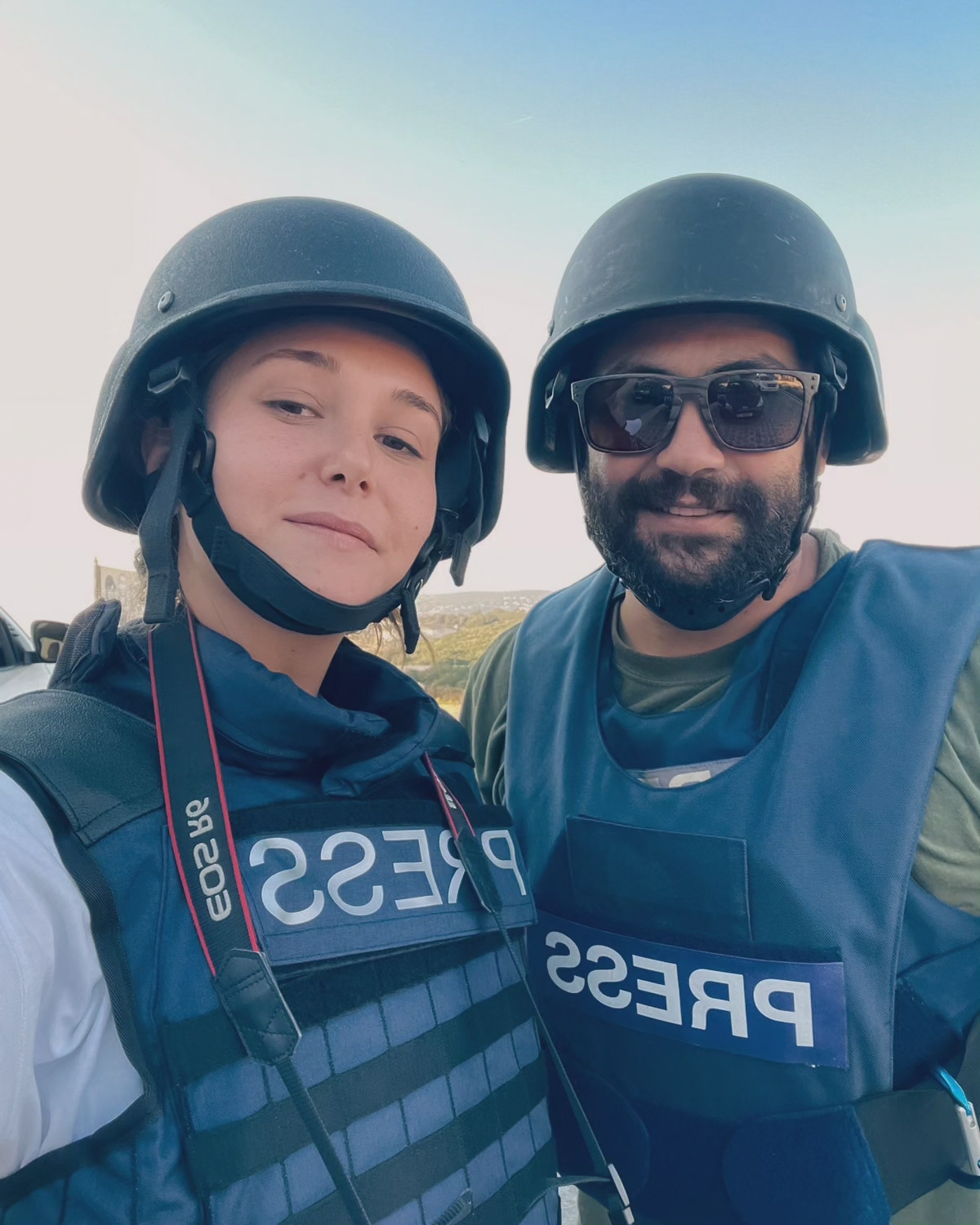
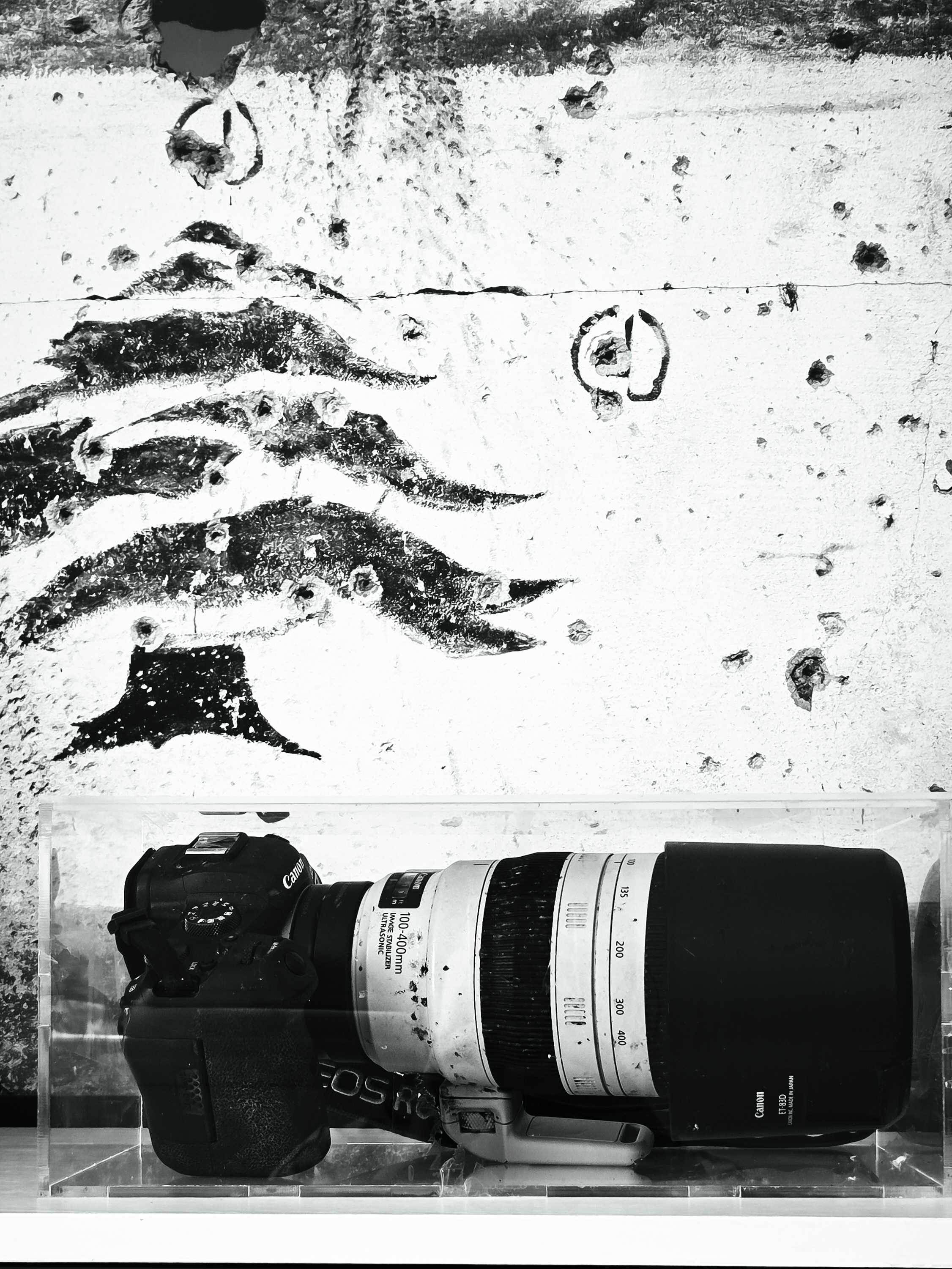
In October 2023, I came back to Lebanon to cover the clashes at the border between Hezbollah and Israel. What was supposed to be regular coverage turned us into targets of the Israeli Merkava. After a full day covering United Nations Interim Force in Lebanon (UNIFIL) patrols, around 5 p.m., we heard bombardments nearby. We moved to an exposed location to document what was happening. We stayed there for about an hour, with a drone circling above us the entire time, clearly aware of our presence and that we were carrying cameras.
Then, we were struck out of nowhere.
I found myself on the ground, unable to move, screaming for help. My colleague Dylan rushed to apply tourniquets to my bleeding legs, only to be struck again in a double-tap tactic within seconds. This time, Dylan was injured, and I was left alone near a burning vehicle. I was afraid of burning alive, so I crawled away until another journalist arrived and pulled me to safety.
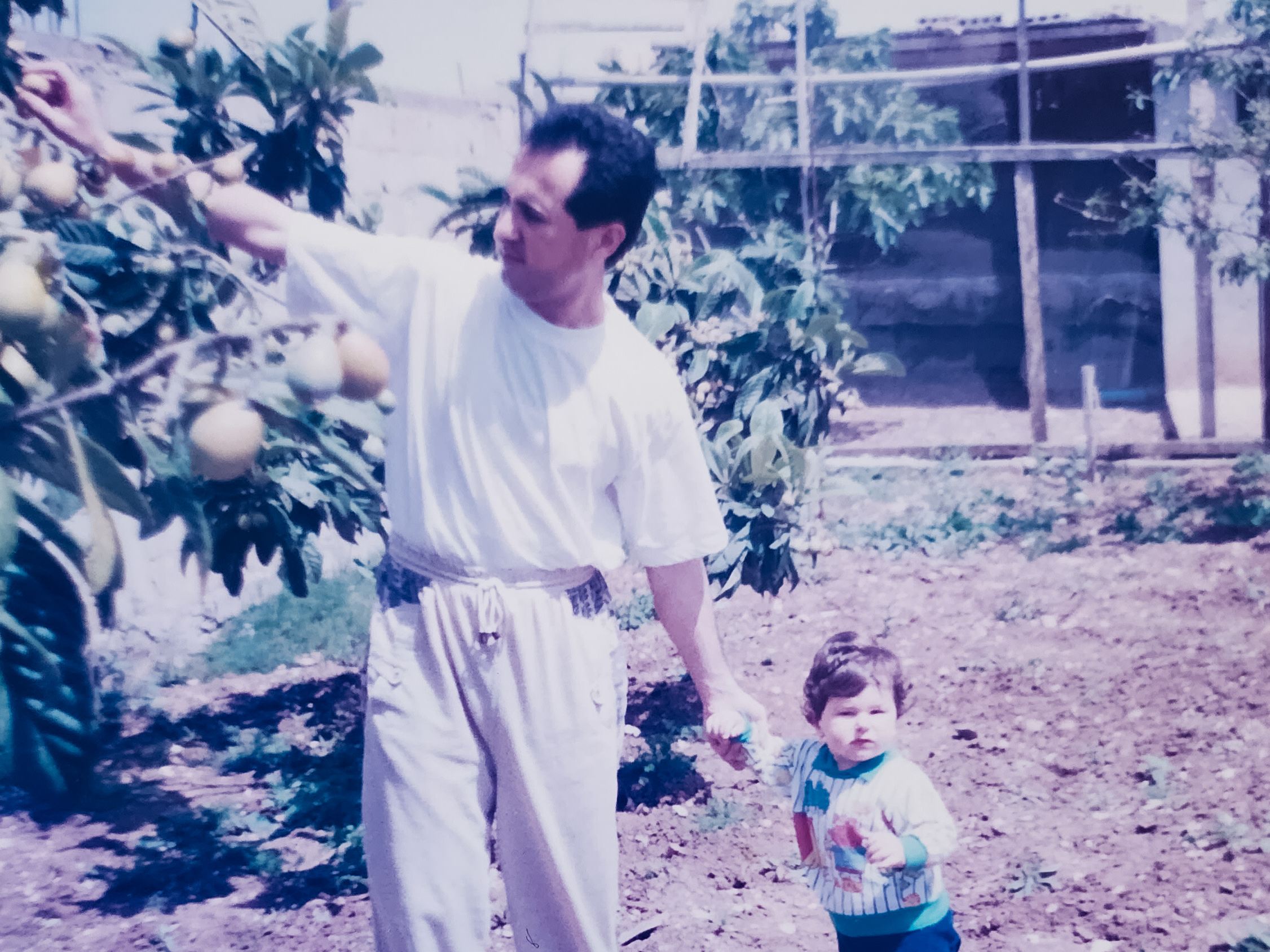
After two weeks in an induced coma and countless surgeries, I woke up in a different body, carrying the loss of my leg and dear friend Issam Abdallah. Since then, Israel has provided no answers as to why we were targeted. Israel continues to kill journalists under the pretext of affiliation with Hezbollah. Israel bombed my village, burnt the tree my grandfather planted the year I was born, and damaged our family house.
The stories of occupation that felt distant in my childhood are now the world I report from. I became a journalist to make sense of the violence I grew up hearing about, to give meaning to a fear that once had no clear shape. I never imagined I would survive a tank shell or be targeted by the same force that has been trying to occupy our land since 1978.
What I couldn’t understand before is here, expanding and impossible to separate from life itself. The way I have carried loss since 2023 mirrors my grandfather’s calmness when I told him Israel was bombing. He did not react then, and I have learned to do the same.
We continue to live and show up after everything that has been taken, after every attempt to erase us. Survival is the only language left.
Courtesy of Christina Assi