
Gathering in Beirut
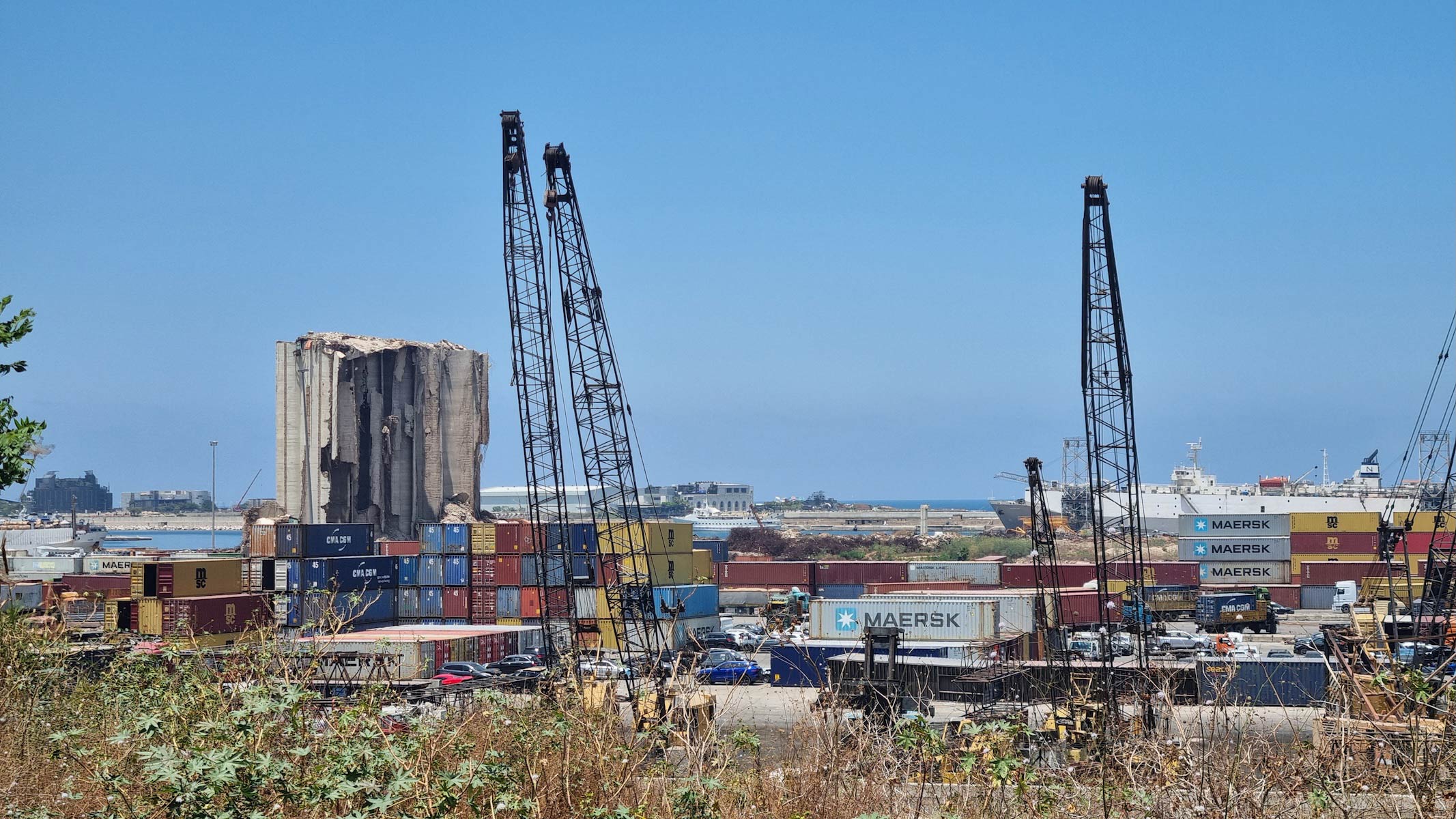
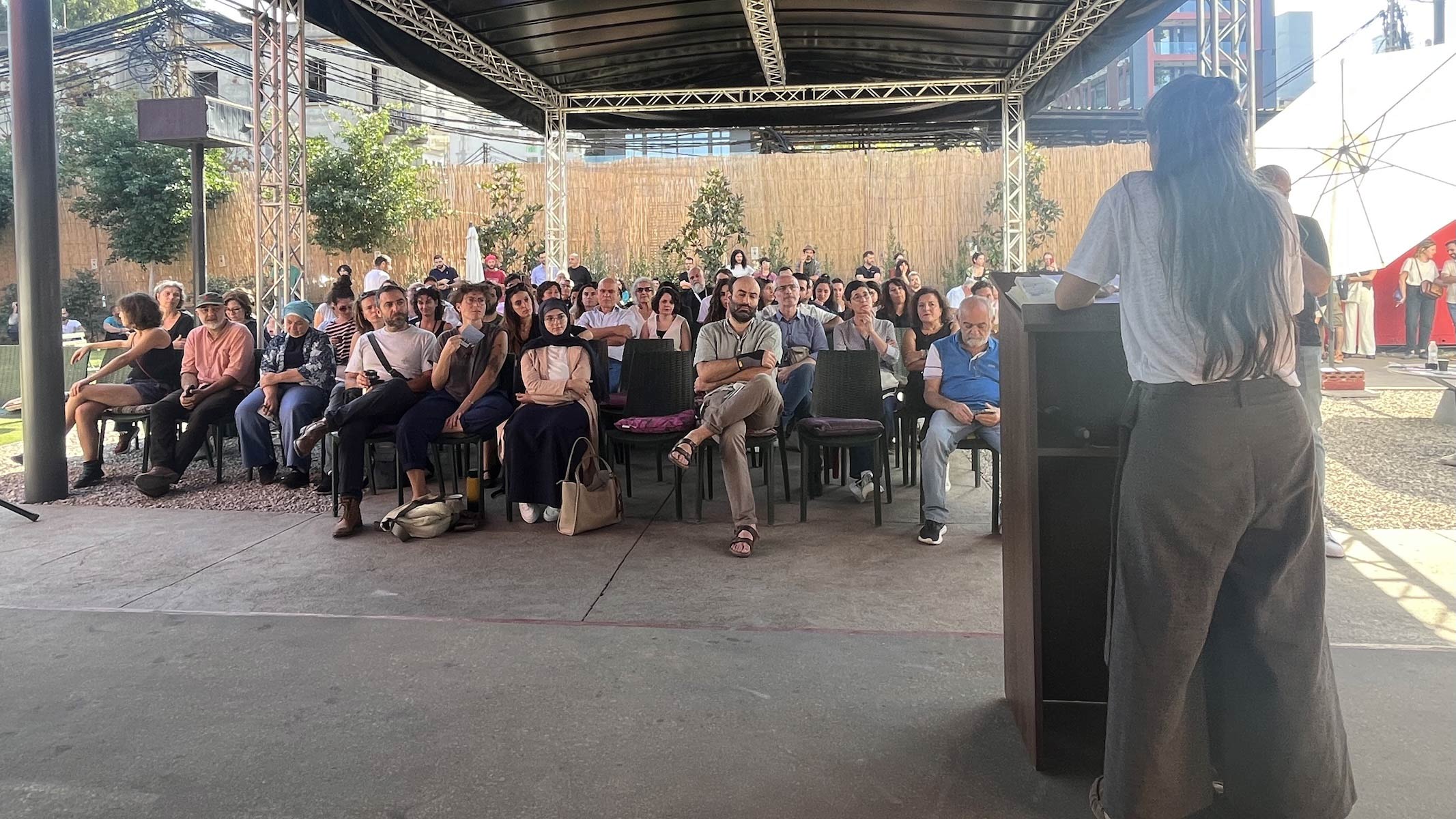
On the 22nd of November 2025, a day which coincided with Lebanon’s Independence day, we gathered with a crowd at a venue facing the Beirut Port silos, which still stand half demolished, a constant reminder that our crises are in fact not tragic misfortunes, but carefully designed and manufactured atrocities. We gathered that day for the public launch of the Agroecology Coalition in Lebanon (ACL). Agroecology is not just a science or farming practices, but the movement calling for food justice and sovereignty.
Mathematics of Predation
The global food system today demands that we forfeit our farmers’ rights and autonomy, our people’s dignity, health, and wellbeing, and the resilience and abundance of the environment we are a part of, all to achieve its goals. It is not driven by hatred for farmers or hatred for the environment and its people, but rather simply by the cold mathematics of this economic system that do not take things like justice, dignity, sovereignty or the health of the ecosystem into account. As a result, they are methodically sacrificed when the outcome is more profit, because this system’s one and only goal is: Ever increasing profit for ever increasing capital accumulation, no matter the cost, a fact proven yet again by today’s colonial wars, and the re-escalation of Israeli aggressions and land invasion in Lebanon.
Green Colonialism in Lebanon
The World Bank’s hundreds of millions of dollars in “recovery and reconstruction” loans arrive alongside efforts to redirect our production further toward export. New laws compromise seed sovereignty, threaten our cannabis heritage varieties, and surrender the autonomy of our fishermen. Layer by layer we are stripped of food sovereignty and pushed deeper into hegemonic global markets - green colonialism advancing under the banner of modernization. Our news channels are filled with the echoes of our politicians promising wealth and prosperity through global markets. These promises ignore the reality that our country’s one airport, two ports, and limited land crossings can - and have been - paralyzed by Israel within hours. They forget what happened to our imports and exports during Covid, or after the 2019 currency collapse. We grow thirsty crops that do not fill our needs but fulfill the desires of the Global North, and we send them our produce and within it our water, our labour, and the health of our land. Then to complete the dance, our government ships in food grown in poorer soil on distant land, drowning our local markets and driving our farmers into the arms of export traders, or pushing them to abandon farming and migrate to the city… As our Gibran once wrote, “Woe to a nation that eats what it does not grow!”
The Trap of Conventional Agriculture
Our farmers are coerced into buying hybrid seeds, synthetic chemical fertilizers, biocides (pesticides, fungicides, herbicides, rodenticides…), and other inputs at prices controlled by multinational corporations and their local allies. They sell their crops at prices controlled by traders in the wholesale markets, prices so low they barely cover their costs!
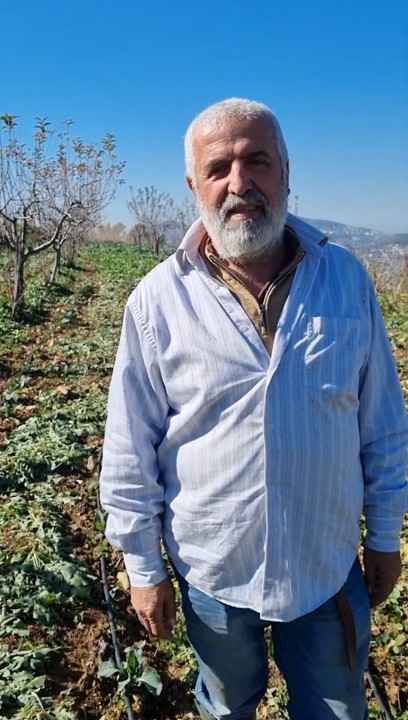
“Being a farmer is like being in love with a bad woman, the whole world will tell you she is bad but all you see is the beauty in her!” This was the reply of Georges, a seasoned farmer from a mountain village in the Chouf, when I asked him why he still chooses to be a farmer one disappointing season after another. As we walked through his terraces he told me some stories: “We used to sprinkle grains on the snow, to help the birds through the harsher days of winter… My father would tell us to skip harvesting some of the fruits on the high branches of the trees, he would say that those were the share of the birds from this season!” How did capitalism succeed at slowly eroding our worldview, where we shared our harvest with the birds? How far can this love for the land and its abundance carry our increasingly burdened growers? How long can they stand in the face of the scourge of the industrial model of food production that has invaded our way of life?
Our farmers are stuck in a rat race, bullied into finding ways to intensify production with every season. Instead of fair distribution where farmers get their fair share, the only choice this system offers them is: “We will take the largest share of the profit generated by your hard labour, but if you keep finding ways to produce more, the small percentage we allow you to keep might become enough for you.” The outcome is farmers under tremendous pressure to produce more, better, and faster, and that intensification requires more and more synthetic chemicals!
As for people who are choosing what to eat, they find themselves with limited choices, mostly laced with toxins, because within this system, clean and nutritious food has become a luxury! Beyond human health, these intensive production methods and long-distance transportation are crumbling our entire ecosystem and massively contributing to climate change, the consequences of which we are all experiencing, from unpredictable and extreme weather, to raging wildfires and prolonged droughts. Our farmers are among those paying the highest price for this change!
A System of Oppression
This system, in complicity with our local varieties of comprador aspiring billionaires, continues to turn every right that we have, every care we offer each other, every abundance we receive from nature, into commodities to be bought and sold for profit. Today’s realities in the Global South are living testament to the price that the many have to pay in service of the few, and we are the many!
We reject attempts to depoliticize food, we reject attempts to sanitize this predatory dynamic with performative gestures and token measures. The charades of charity and benevolence have long expired. These tools of neo-colonialism are now seen for what they are, instruments of oppression and hegemony. We do not need an invitation to drown further in debt through loans offered under the guise of development and recovery by the same powers that fund, arm and enable the Zionist colonial project that brings on that destruction. This system has exposed itself through its oppression and subjugation of nature, women, and colonized peoples. Through military complexes, genocides, sanctions, poverty, and famine, it leaves devastation in the wake of its hollow promises of prosperity through progress and development.
Tangible Alternatives
What brought us together that day in Beirut was not just a common perspective on the root of the so-called “crises”, but a shared conviction that this system is dying, and that real, tangible, solid alternatives already exist. Alternatives that spring from the ground and require change on all levels, including the political level. Alternatives that converge the world into ways of life that prioritize human wellbeing, dignity, and harmony with the planet that is our home.
For the food system, one such alternative is Agroecology, the fundamental pillar of food sovereignty. It is not just a set of farming practices or the science behind them, agroecology is a social movement that places the autonomy of small scale farmers at its center, embraces traditional knowledge, and adopts democratic and horizontal methods for governance and knowledge transfer. It is a roadmap, not for superficial reform, but for radical transformation from exploitation to sovereignty. We need to liberate our commons, our seeds, our water, our land, our spaces, our festivals, our ancestral knowledge and worldview. We need to meet our growers, trust and support them. We need to rebuild resilience into our food system in preparation for the inevitable changes that have already begun to impact our food production. We need to decentralize our seed banks, our power sources, and our decision making. Systems such as seed harvesting and propagation have been managed collectively by farmers ever since agriculture was born in our fertile crescent, it is our treasured pool of biodiversity that should not be handed over to corporations. Intellectual property rights over seeds are the equivalent of visiting the ruins of Baalbek, installing a gate at the entrance, and claiming that the ruins are now yours because of that final modification! The absurdity of this system is not lost on us.
The time has come to reclaim food, health, ecosystem, and lives with dignity, for ALL people, not SOME people, as rights and not as commodities for sale! The time has come to decolonize our food, to delink ourselves from this parasitic system that has been bleeding us dry for decades, and will not stop until it starves the world, and the last bird on the last tree goes silent.
We gathered that day, not for romantic ideals, but a concrete political project, a vision, and a battle for liberation that we do not wage alone. We are part of a global and widespread movement that includes farmers, peasants, and peoples everywhere, all clearly and loudly united in their categorical demand for their fundamental right to food sovereignty!
Chronic Hope
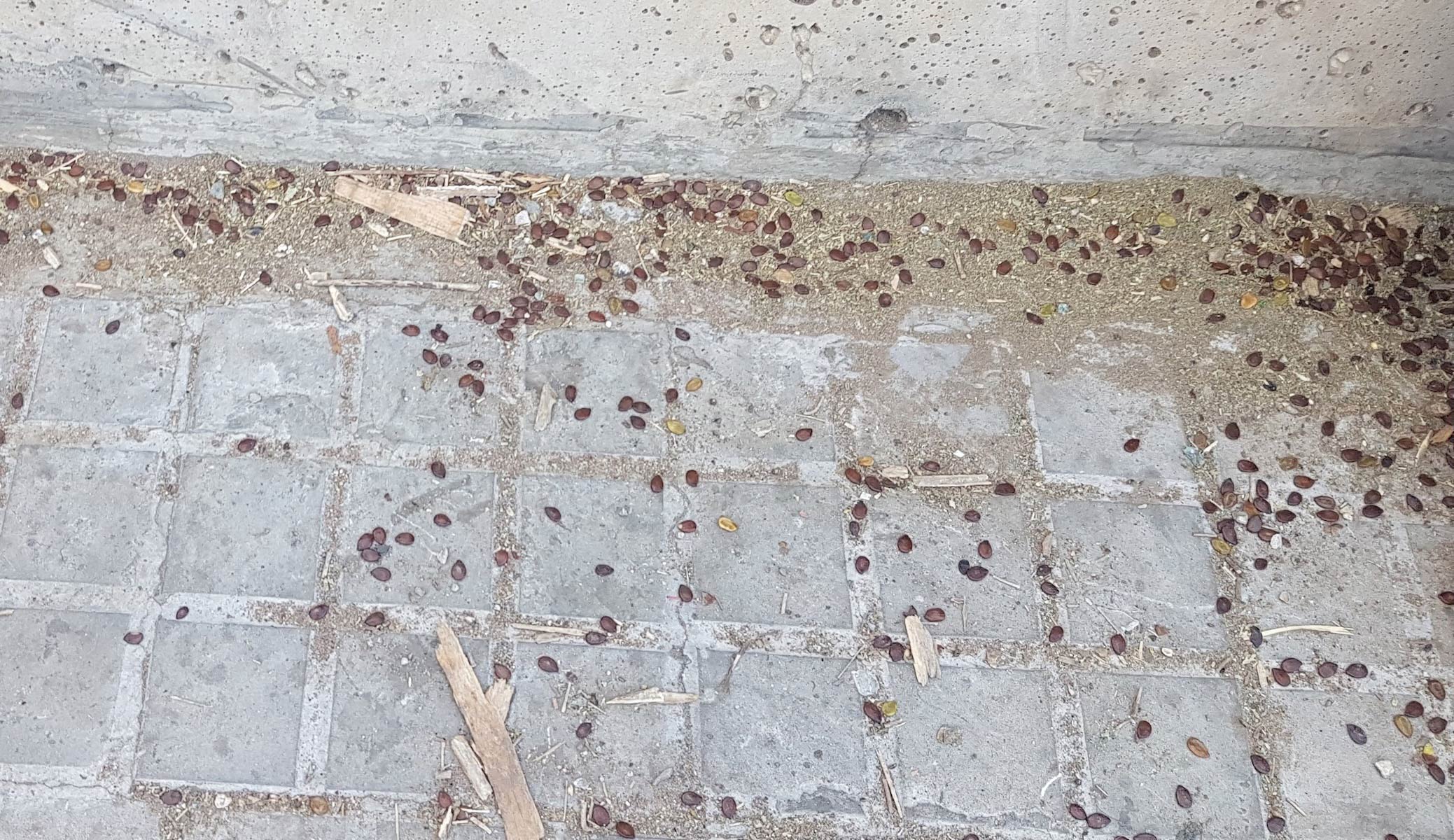
After the day had ended, with smiles, inspiration, and a warm atmosphere of camaraderie, while walking away from that venue and passing by the remains of the silos, the walk took me back 5 years, where I took those same steps after the Beirut Port explosion. I had been walking and looking around at the destruction with tears blurring my vision and silently rolling down my cheeks. I remember looking down at the ground and finding seeds in the corner where the sidewalk meets the shoulder of the road. The pods on the trees had popped open at the pressure of the explosion, spreading their seeds everywhere along with the shattered glass and rubble. I couldn’t help smiling through my tears, smiling and thinking: “We are those seeds, and we will never stop bringing life back into the death that is brought upon us.”