

The Beirut designer talks making sustainable clothes in a fast-fashion world and NYC First Lady Rama Duwaji’s inauguration coat.
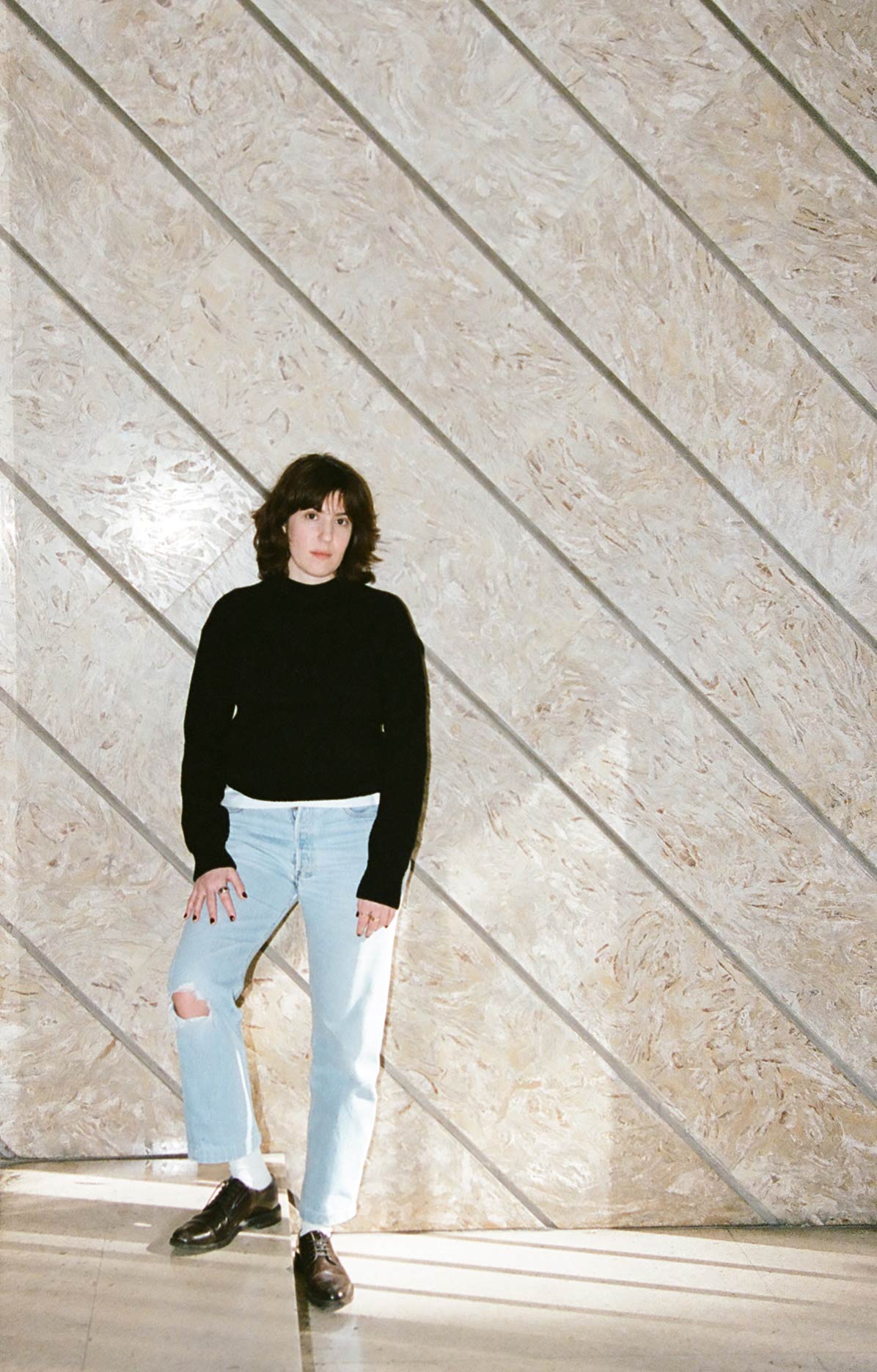
Photo Credit: Michele Aoun
For the Palestinian-Lebanese fashion designer Cynthia Merhej, fashion is both an art practice and a way to honor her family’s legacy. A third-generation couturier and the founder and creative director of the Beirut-based brand Renaissance Renaissance, the Central Saint Martins-educated designer makes clothes that speak to the duality of the modern woman. Her designs are experimental yet rooted in tradition, unapologetically feminine but gender-bending, and playful yet elegant: in any given collection, you could find dreamy tulle skirts and sweet bows alongside meticulously constructed jackets and crisp shirting. It’s all part of Merhej’s design philosophy, which is rooted in sustainability, craftsmanship, and a healthy dose of tenacity—creative pillars she learned as a child, while observing her mother, Laura, at work in her own Beirut atelier. These were also lessons passed down from Merhej’s great-grandmother, Laurice Srouji, who opened her own successful atelier in Jaffa, Palestine in the 1920s.
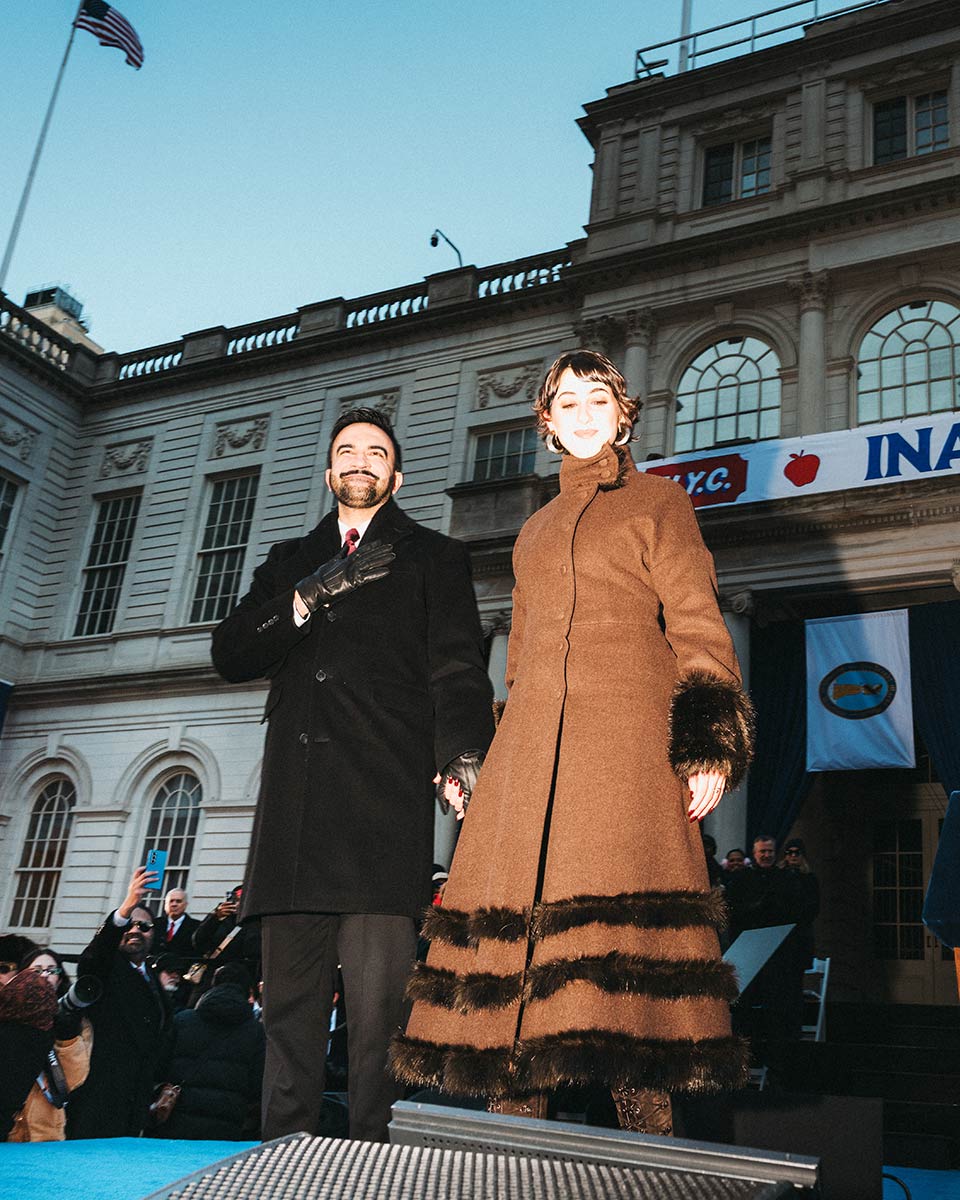
While Merhej first debuted Renaissance Renaissance in 2016, the label has been generating lots of buzz of late—getting shortlisted a second time for the prestigious LVMH Prize in 2025, and in January 2026, making headlines around the world after New York City’s new First Lady, Rama Duwaji, wore a striking chocolate brown fur-trimmed coat from Merhej’s F/W 2023 collection. When it came to Duwaji selecting Renaissance Renaissance for this historic occasion, Duwaji’s stylist, Gabriella Karefa-Johnson, explained on Substack that this too, had significance. “On her first official day as First Lady of New York, Rama is wearing a small, independent woman designer from the Middle East,” Karefa-Johnson wrote. “That representation resonates. It reverberates. Because fashion communicates. It sends a message.”
Merhej spoke with writer Cady Lang about carrying on her family’s fashion legacy, creating timeless clothing in a fast fashion world, what it feels like when your designs make international news, and why fashion is always political.
This interview has been edited for length and clarity.
How are you? How are things for you right now in Beirut?
It’s good. I mean, at the moment, there’s a threat of escalation of violence from Israel, but they’re bombing in the south of Lebanon, which is not very near where I work. It’s about two hours away, so we don’t really feel much here. But they’ve been threatening to escalate for the last three months. So who knows? You just live your life.
It’s crazy to think that you’re designing under these conditions, with the world being in the state that it is.
Yes, I think [it is] for everyone, not just me, because I feel like the whole world is in turmoil at the moment. The fashion world, particularly, has been imploding for the last four years. I think everyone is generally trying to find steady ground in this current environment.
I want to talk to you about how you started your brand, Renaissance Renaissance; you are a third-generation couturier, and your great-grandmother and your mother were also fashion artisans. Can you share your earliest fashion memory?
In the beginning, my mom’s atelier was also a shop. The front of the atelier was the store, and the back was the atelier. My earliest memories are being shuffled from the front to the back, depending on if a client was there. That’s probably one of my earliest memories in general, because my mom would take us to work with her. She has three kids, so after daycare or after school, we would usually be there with my mom in the space, but we didn’t get the chance to do much [with the atelier] because she was working. I actually had to learn a lot when I started my brand. All the technical things, like making patterns and sewing, I didn’t know at all.
Are there lessons that you’ve learned as a designer from your great-grandmother and your mother?
We don’t have anything left from my great-grandmother, unfortunately, because the 1948 [Nakba] happened, and they had to leave everything. But there’s this very strong and inherent influence that comes from just being around really strong women who taught themselves and had dreams. They taught themselves everything, and most of their teams were also women. I think the influence is in the way we design and the way we look at things, without a doubt. I don’t want to say it’s more pragmatic, but it definitely is—there’s a closeness and a compassion to the people you are addressing, because we’re living it as well.
It’s definitely a legacy. Do you see a dialogue between your brand and their work?
I’m very proud to be a part of this; I think if I didn’t have this legacy, I wouldn’t have had the courage to do what I did. But I had this precedent, two amazing women before me who made me realize it’s possible to do it, and that’s huge. I don’t want to gender things too much, but in the way I’m designing and the way I’m approaching clothing, there’s always this inherent, constant intuition on how to approach the female body—how I dress her and how I want women to feel.
There’s another whole aspect with the quality of the clothes and how we approach that. My mom was sustainable before sustainability was even a thing. Her mantra is always working directly with the client, really going out of her way to source the best fabrics, to make sure the finishing was perfect, always taking that extra step to make sure the garment will last. And they have lasted, some over 30 years.
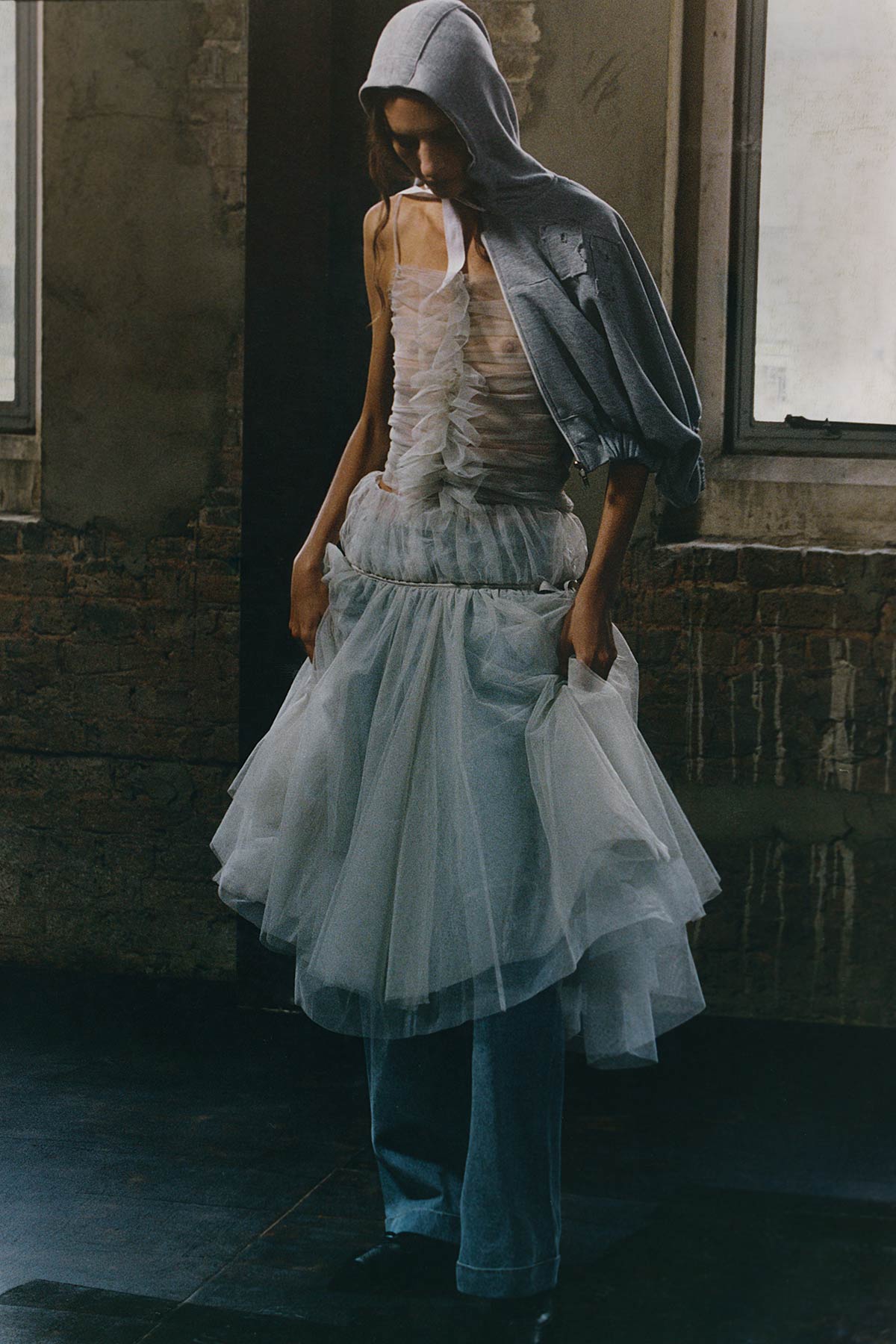
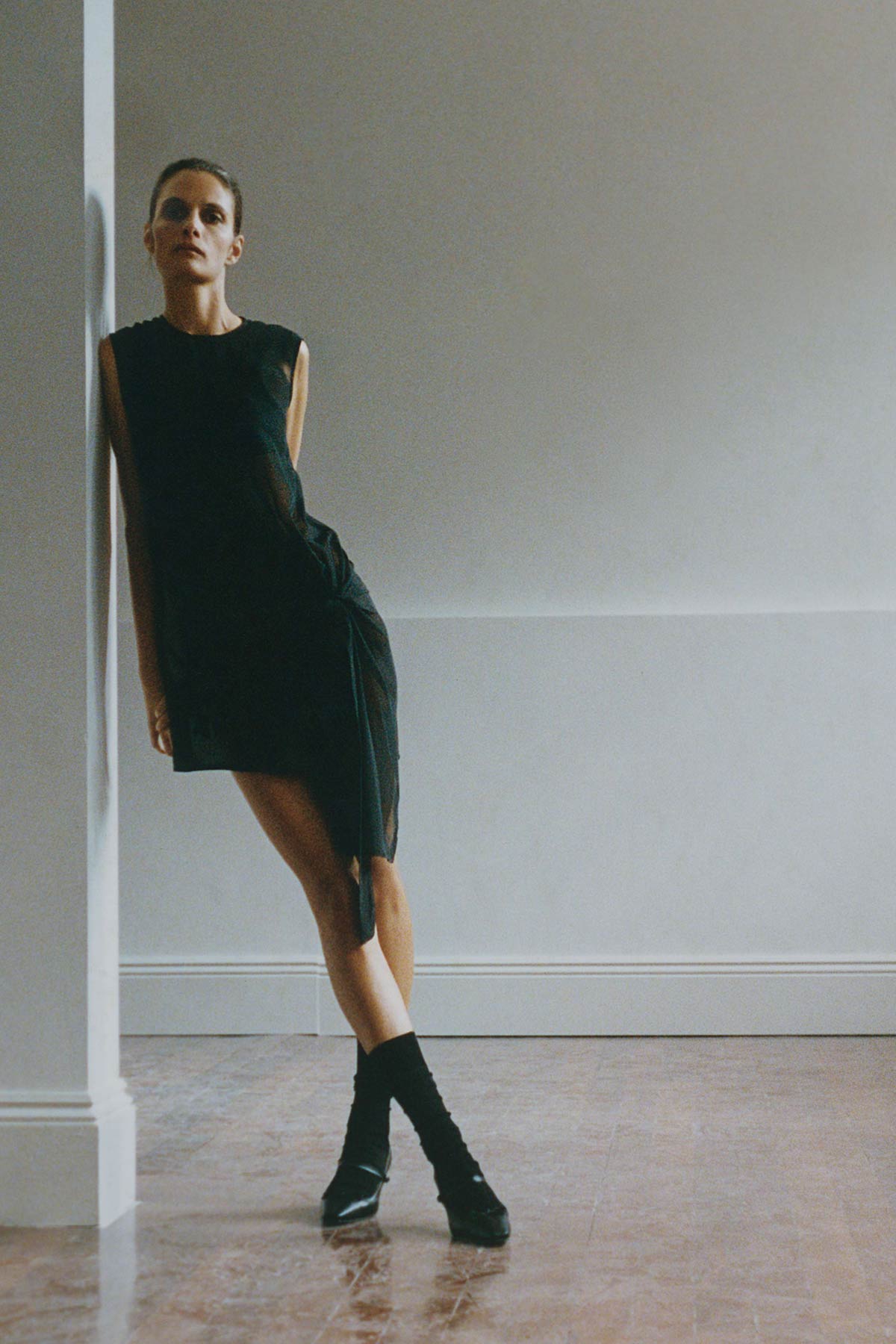
Renaissance Renaissance’s SS26 Collection “La Touriste.” Courtesy of the designer.
On the topic of sustainability, when talking about the brand, you’ve said your goal is to “create garments that can transcend time.” In a world of fast fashion, how do you design pieces to be timeless?
It’s always thinking about the woman, about her body, asking myself, “Is it wearable?” All those things, like adding pockets or making sure the length is right, making sure structurally it will last. In terms of the design, I’m not looking at what’s trendy at all. Of course, I’m looking at the street and what people are wearing in their day-to-day lives. But I’m not looking at what this designer is doing or what influencers are posting about. It’s about following my instinct and my intuition, rather than doing something just because it’s trendy or it’s cool.
The funny thing is, you start like that, but then it becomes a trend. I guess that’s the normal cycle of fashion. You start off making a garment, and you’re scared because it doesn’t look like anything else out there. And then three or four years later, you’re going into Zara or any fast fashion website. You see your design, that thing that wasn’t cool, is now copied. It’s like life and death. You have to accept this is the rhythm of life in fashion. In a way, it sucks, because indirectly, it’s like I’m contributing to it. It doesn’t make me sad that they copied me, but what does make me sad is like, “Fuck, I’m giving them more things to copy, giving them more ideas to steal so they can keep this horrible business going.”
In light of that, how do you continue to feed your creativity as a designer and keep up the energy to create?
It’s not difficult to stay inspired. What’s really difficult is when you have an independent brand, there’s no money, and you have to do everything yourself. Burnout is a constant thing for me. It’s very difficult because if I’m in a good state of mind, and I have a little bit of stability, a bit of money in the bank, and I know I can relax for a week, then I can come up with a collection in a week. It’s tough to have your own business and to deal with admin stuff all the time because every day, there’s a problem…But I’m also noticing this pattern with other designers where we’re finding our own way to do it. We’re not going to try to compete with big brands, not going to try to compete with fast fashion, because it’s just literally impossible. It’s exciting to find alternatives.
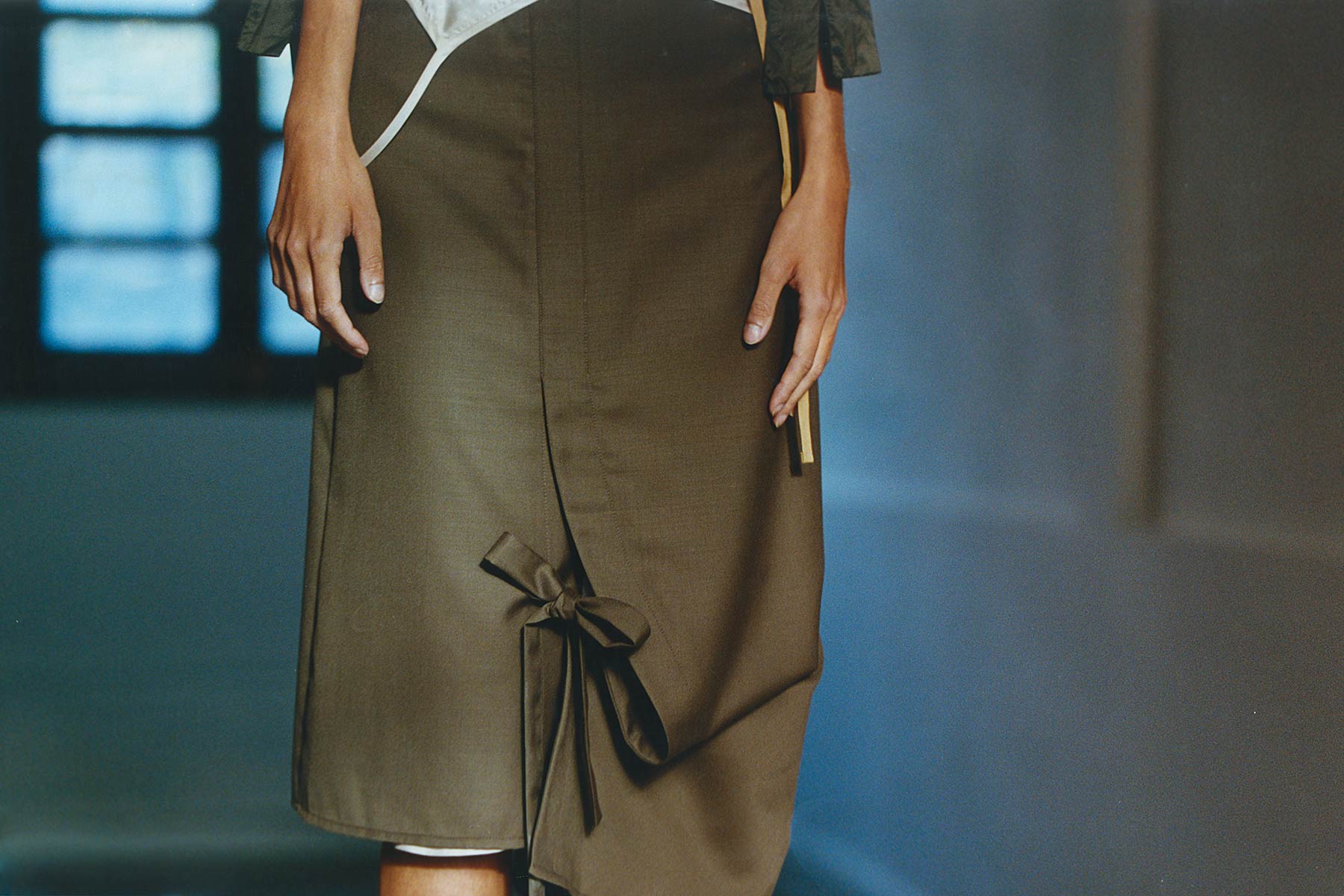
Renaissance Renaissance’s SS26 Collection “La Touriste.” Courtesy of the designer.
To return to the brand for a moment, could you tell me more about why you founded Renaissance Renaissance and how the name came about?
I started the brand because I wanted to be a creative director, and I thought the best way to do it was to start my own brand because at the time and still now, we don’t see people like me, Arab women, in these positions. The name came about because I like the idea of duality and also of cycles. I like the idea that a woman can constantly have many lives in one lifetime. And it’s the same idea with clothes as well. A garment can come with you through the different stages of your life.
2026 has just started, but your designs have already been in the spotlight this year, after Rama Duwaji, the new First Lady of New York City, wore a Renaissance Renaissance coat to the mayoral inauguration. Your designs have also been garnering a lot of industry attention; you were shortlisted for the LVMH Prize in 2021 and again in 2025 and won the 2023 Fashion Trust Arabia Prize for evening wear. What does it feel like to have your work be recognized at this scale?
It’s amazing. It’s amazing because we work our asses off—me, my mom, and our seamstresses, all the factories and artisans we work with in Lebanon, plus so many other people like [my publicist] David and his team, and our commercial director, Rodrigo. Of course, it feels really good when the work gets recognized, because it feels like it’s for something—maybe we are not making millions, but at least, people are getting it, it means something to the world…It doesn’t change the reality of being an independent brand, and it’s not changing the day-to-day reality of things. But it definitely feels really good for everyone, not just me. It makes me feel like we’re going in the right direction.
In the week following the inauguration, a lot has been made about the symbolism of what Rama wore to the ceremony. Your collections have never shied away from finding the political within the personal. What does it feel like to see your clothing now being a catalyst for larger discussions?
When you’ve been doing this for the last 10 years, sometimes you think you’re fucking crazy because you’re doing something that’s meaningful in an industry that doesn’t usually value it. I think if you look at the last decade of fashion especially, it’s been a lot of irony—this idea of quiet luxury. I feel like sincerity was looked down on. Femininity was looked down on. So it’s very nice, because I haven’t changed what I stand for, but people caught up.
I don’t know how long it will last, but for me, these are my personal values, the things I always believe in. It’s not going to change now, because other people are writing about it, but it is nice to know that I’m not just having the dialogue by myself or with the wall anymore.
Why is fashion political? And what do you think the role of fashion is in this moment?
Anything we put out in the world, including fashion or any art you do, is going to be interpreted in the context of whatever is going on. [Rama Duwaji’s] coat is an amazing example, right? There was such a crazy reaction to it, and it was just a coat, but it’s about the meaning and what it stands for and what it symbolizes. Fashion is really important in that way. It helps express ourselves outwardly, and whether we put meaning to it or not, someone is going to put meaning to what we wear. Fashion will always be political. I think it’s very political now because it’s becoming so inaccessible. This is something I’m really thinking about, and I really want to work on in the next year with my brand, because when you’re selling a bag or a shirt for like, $1000-2,000, what are you trying to say with that? Our whole world right now is becoming more and more polarized because of economics, and fashion is no stranger to that.
That’s why it’s so important if you have a brand today and if you are a small brand, you can’t afford to not be political, to not take a risk. And when I say political, it’s not necessarily about doing posts about whatever is going on in the news. I’m looking at pricing, how people are shopping, or what they can’t access. I’m looking at how the system treats independent designers. Even with my heritage, to be able to say I’m a Palestinian-Lebanese designer in the U.S. press, for me, was something I could not imagine reading when I was growing up. I couldn’t even imagine it five years ago. To make a decision to be in Beirut, to produce here, was a message. I want to find my own way of living sustainably in a way that benefits mental health and our well-being. I want to make clothes that are great, beautifully designed, but are not going to cost $20 billion unless they’re justified. All these challenges are happening now, and these are all very political. It’s all tied into what’s going on, the bigger picture.