

“I’m scared. I don’t want to be sent back. But life here is so hard. There is no escape.”
The call came from inside a detention facility. On the other end of the line was Sabir, a 25-year-old Sudanese refugee who had survived the unimaginable. He was one of the detainees our team was supporting in his fight against deportation.
Over a year before this call, Sabir watched his father be killed by Rapid Support Forces (RSF) militia in El Fasher, the city where the RSF have since carried out what human rights observers have described as the systematic annihilation of the civilian population. He was one of the few who managed to flee and, after a harrowing journey, eventually reached the United States.
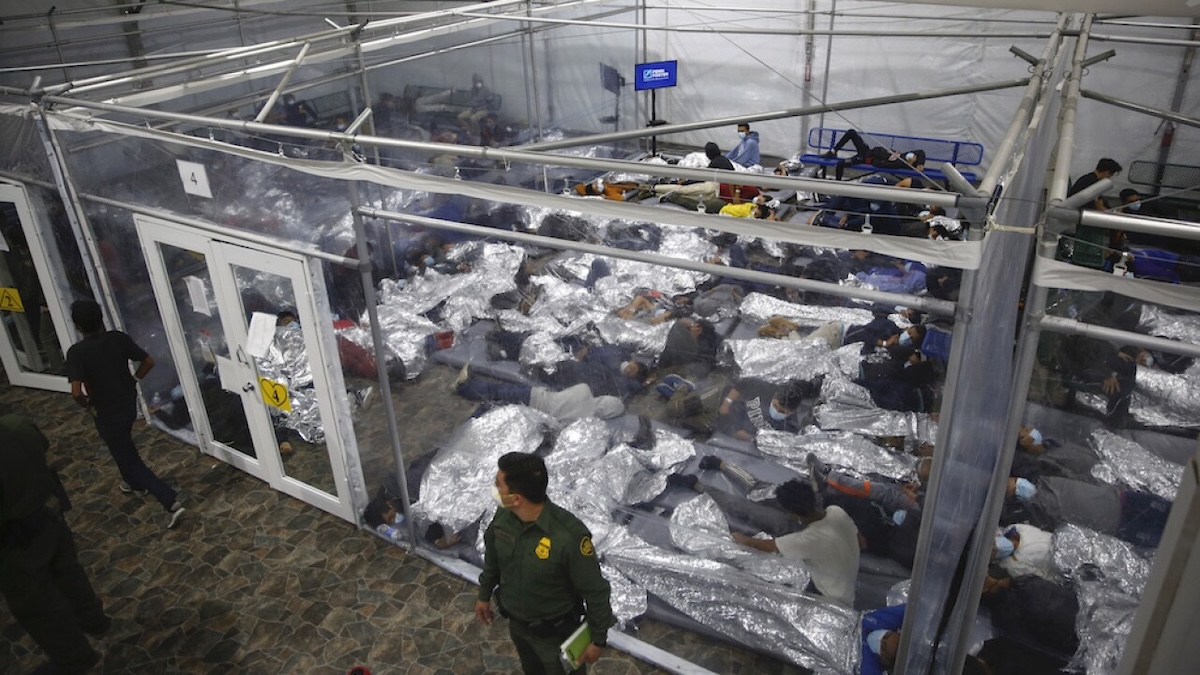
The moment Sabir arrived, he was taken into custody and placed in Folkston ICE Processing Center in Georgia - one of the most notoriously abusive immigration detention facilities in the country. He would remain there for over a year.
When I got off that call, I wept. Across the US, Sudanese migrants are living versions of Sabir’s story.
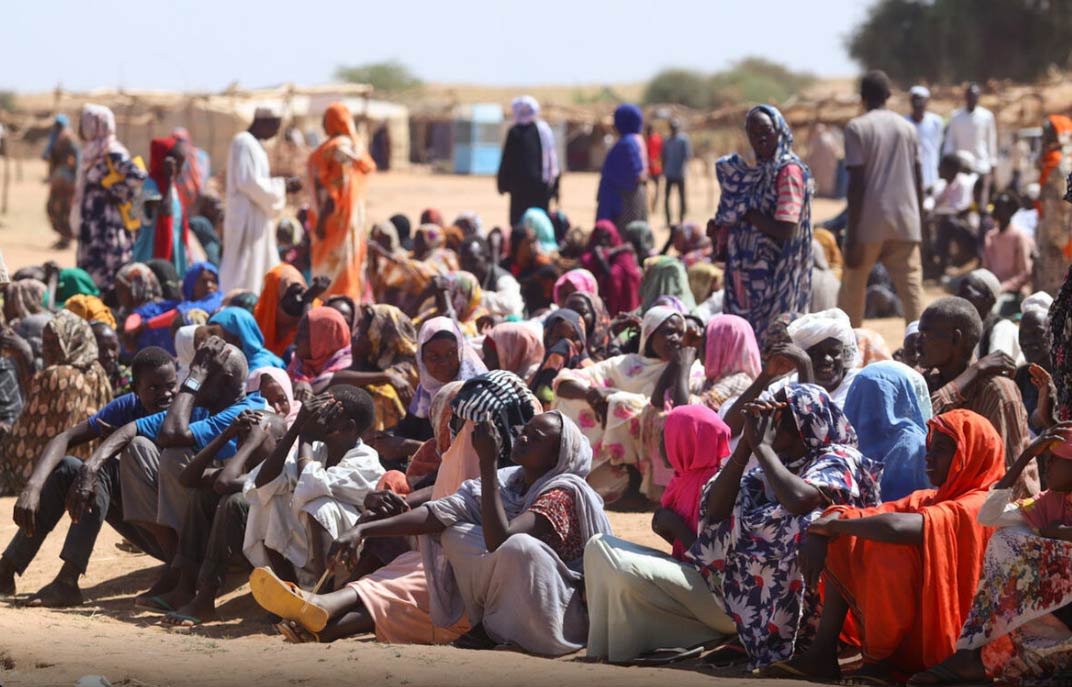
Sudan is at the center of the world’s largest displacement crisis. Since April 2023, the RSF militia has carried out a campaign of mass violence that has displaced more than 14 million people from their homes, with 4.2 million fleeing to other countries. The violence has been widely characterized as genocide, a systematic campaign of mass atrocity targeting civilian populations. The UN and humanitarian organizations have called it one of the worst humanitarian catastrophes of our time.
For Sudanese migrants who reach the United States, survival has not meant safety.
Even as the U.S. acknowledges the genocide in Sudan, it has weaponized its immigration system against the very people fleeing the violence. Sudanese refugees have been met with detention, deportation, and criminalization.
Banned, Then Detained
At the height of the displacement crisis, the U.S. moved to close its doors to Sudanese nationals. Sudan was first targeted under Trump’s original 2017 travel ban, which barred nationals from seven Muslim-majority countries including Sudan. In 2020, the ban expanded to restrict Sudanese nationals from diversity visas. In June 2025, Sudan was named in a new travel ban, barring Sudanese nationals from entering the United States entirely. This mirrors how the U.S. shut its doors to Palestinians fleeing genocide in Gaza and turned away Jewish refugees fleeing the Holocaust decades before.
The ban set the tone for what followed. The U.S. has since been detaining and deporting Sudanese migrants at an accelerating rate. Sudanese migrants occupy a particularly vulnerable position in the U.S. immigration system. As Black and Muslim migrants, they face higher rates of deportation along with compounding and intersecting forms of exclusion - racial, religious, and national - that shape every encounter with immigration enforcement.
What Detainees Are Experiencing
The United States has built one of the largest immigration detention systems in the world, and it is still growing. As of early 2026, ICE was detaining nearly 73,000 people on any given day, with a dramatic increase under the current administration. Through the first six months of fiscal year 2026, ICE carried out 234,236 deportations - roughly 74% more than during the same period in either of the two prior years.
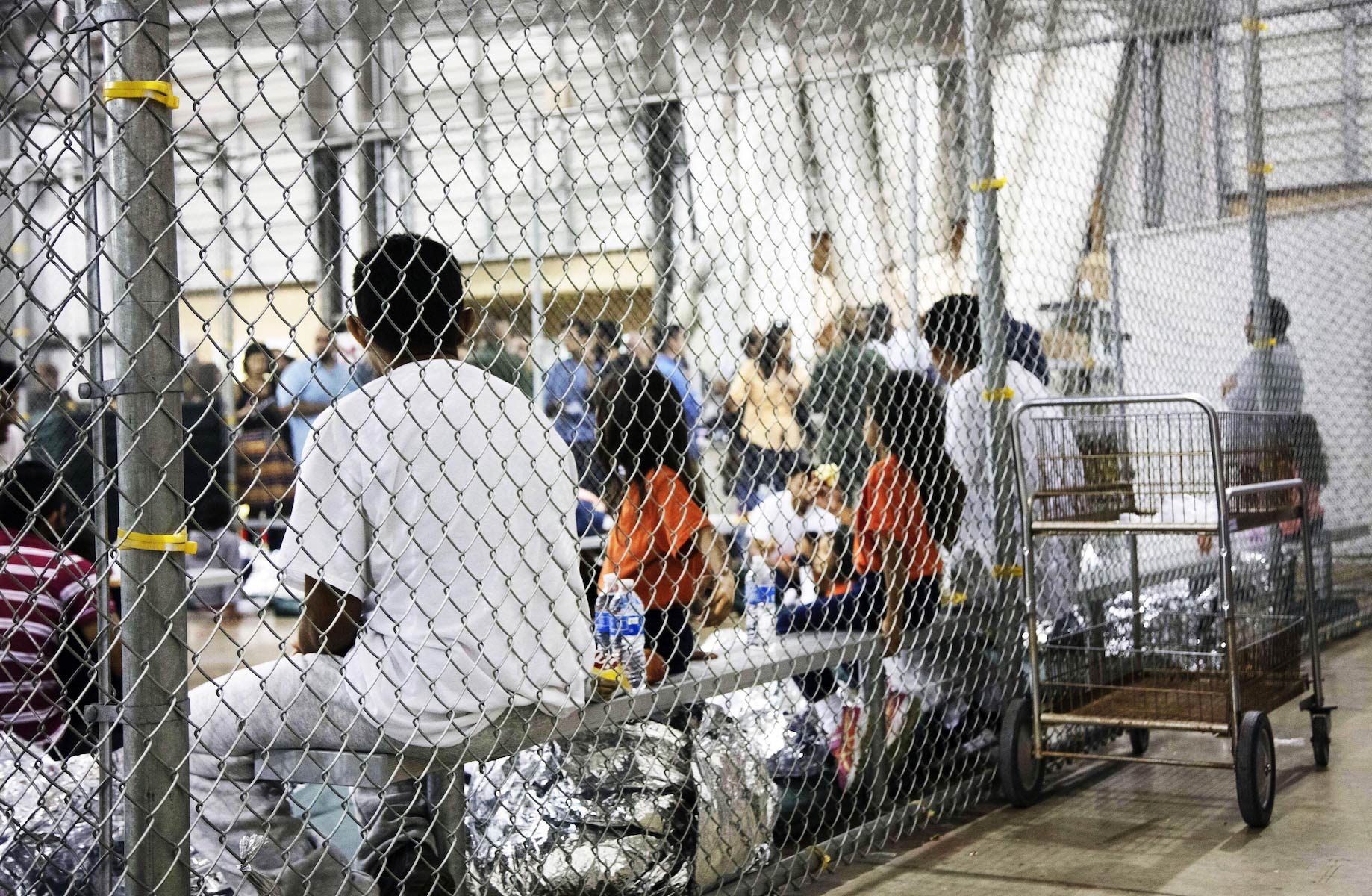
For Sudanese detainees, detention is not a brief process. People are frequently held for years before any resolution to their cases, in facilities that function less like processing centers and more like prisons.
The death toll tells part of the story. Since January 2025, at least 47 people have died in ICE custody, with 16 of those deaths occurring in 2026 alone - a rate of roughly one person every six days. At the current pace, 2026 is on track to exceed 60 deaths in ICE custody for the year. These are not isolated incidents.They reflect a detention system operating well beyond its intended capacity, in facilities with documented histories of inadequate medical care. Beyond deaths, Sudanese detainees have been reporting heightened levels of brutalization and mistreatment, accounts that point to a pattern of abuse layered on top of the trauma already carried by people who have survived war and genocide.
A Second Displacement
Sudanese detainees who are deported are often being sent to third countries they’ve never lived in. The U.S. has signed deportation agreements with over 27 countries, with outreach to as many as 58 nations, to accept people removed from the United States. Sudanese migrants have been sent to countries including Rwanda, South Sudan, Eswatini, and Libya - places with their own active conflicts, deathly overcrowded refugee camps, and documented records of human rights abuses. Sudanese migrants sent to third countries have no family there, no language, no legal status, and often face continued violence.
In June 2025, the Supreme Court cleared the way for these third-country removals to proceed, overturning a lower court order that had blocked them on human rights grounds. An internal ICE memo from July 2025 stated that individuals can be removed within 24 hours, even to a country that has offered no assurances of their safety. UN human rights experts have warned that the U.S. is violating its non-refoulement obligations under international law, which prohibit returning people to places where they face a serious risk of torture or persecution.
The conditions awaiting deportees in third countries have been documented as dangerous. In one case, Sudanese migrants deported to South Sudan were rerouted to Djibouti and held in a converted shipping container on a U.S. military base, where they faced temperatures above 100 degrees Fahrenheit, exposure to burn pit smoke, and the risk of rocket attacks from nearby armed groups. An ICE guard described the conditions in a court filing as presenting “imminent danger.”
A System Working Against Survivors
Sudanese migrants reach the United States having already endured massacres, starvation, siege, and the disappearance of people they love. They do not arrive looking for sympathy. They arrive looking for the safety that international law says they are owed.
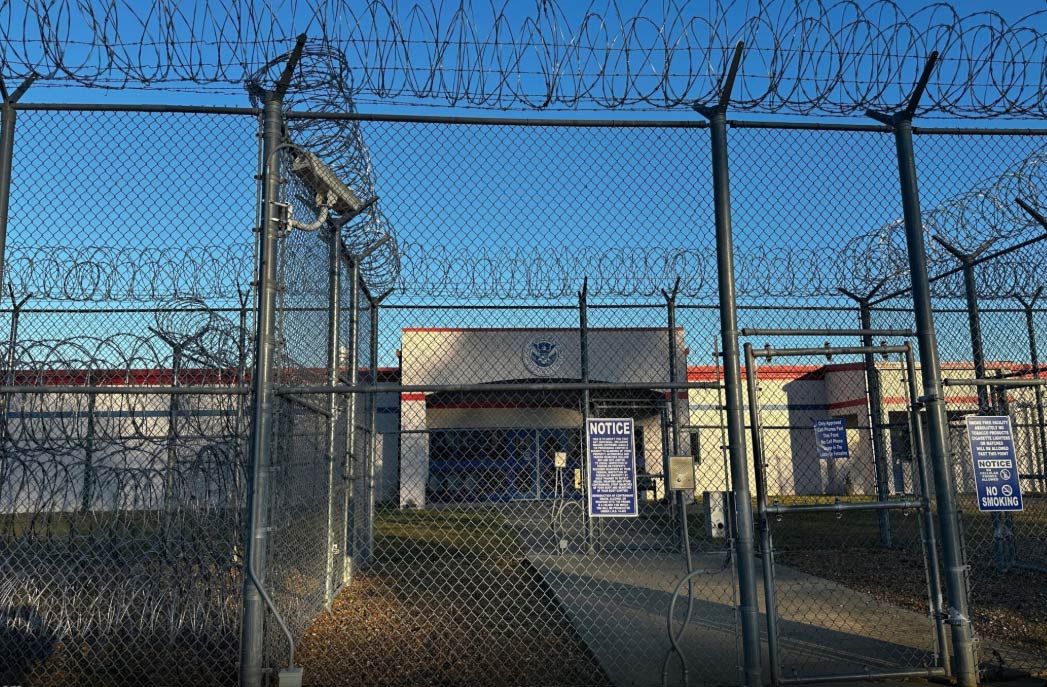
Instead, they find a cruel system that imprisons them for years then deports them back to hellish conditions or to countries they have never lived in.
Sabir survived unspeakable violence only to then endure continued violence in the U.S. He was a young man calling to tell me he was afraid. Our team halted his deportation the day before it was scheduled. ICE illegally deported him anyway.
History will remember how governments responded to Sudan’s genocide. It will also remember how they treated the people who survived it.