
On December 12, The Business of Fashion published an article titled “The Unlikely Rise and Uncertain Future of Lockheed Martin Streetwear,” detailing the world’s largest arms manufacturer’s entrance into casual apparel.
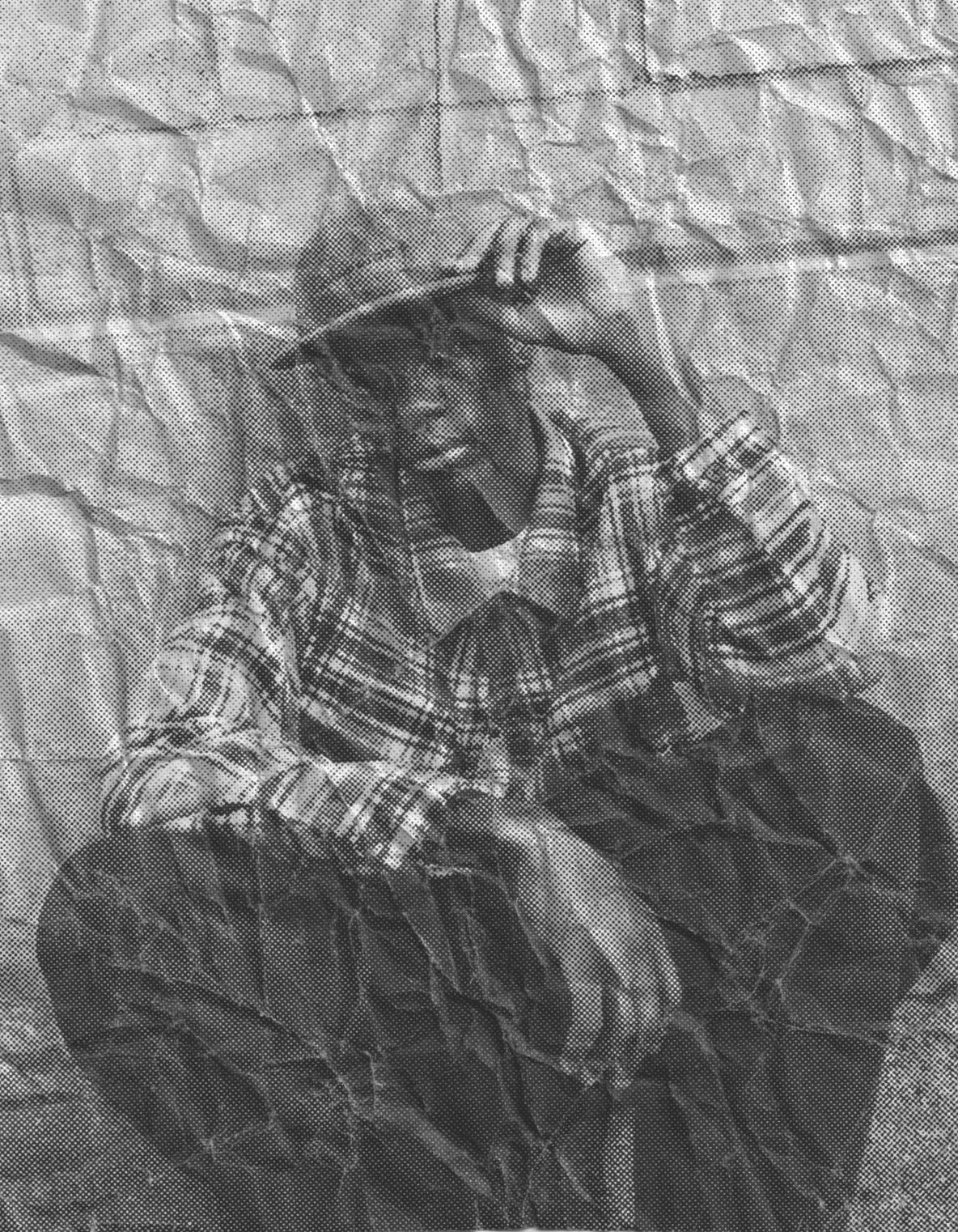
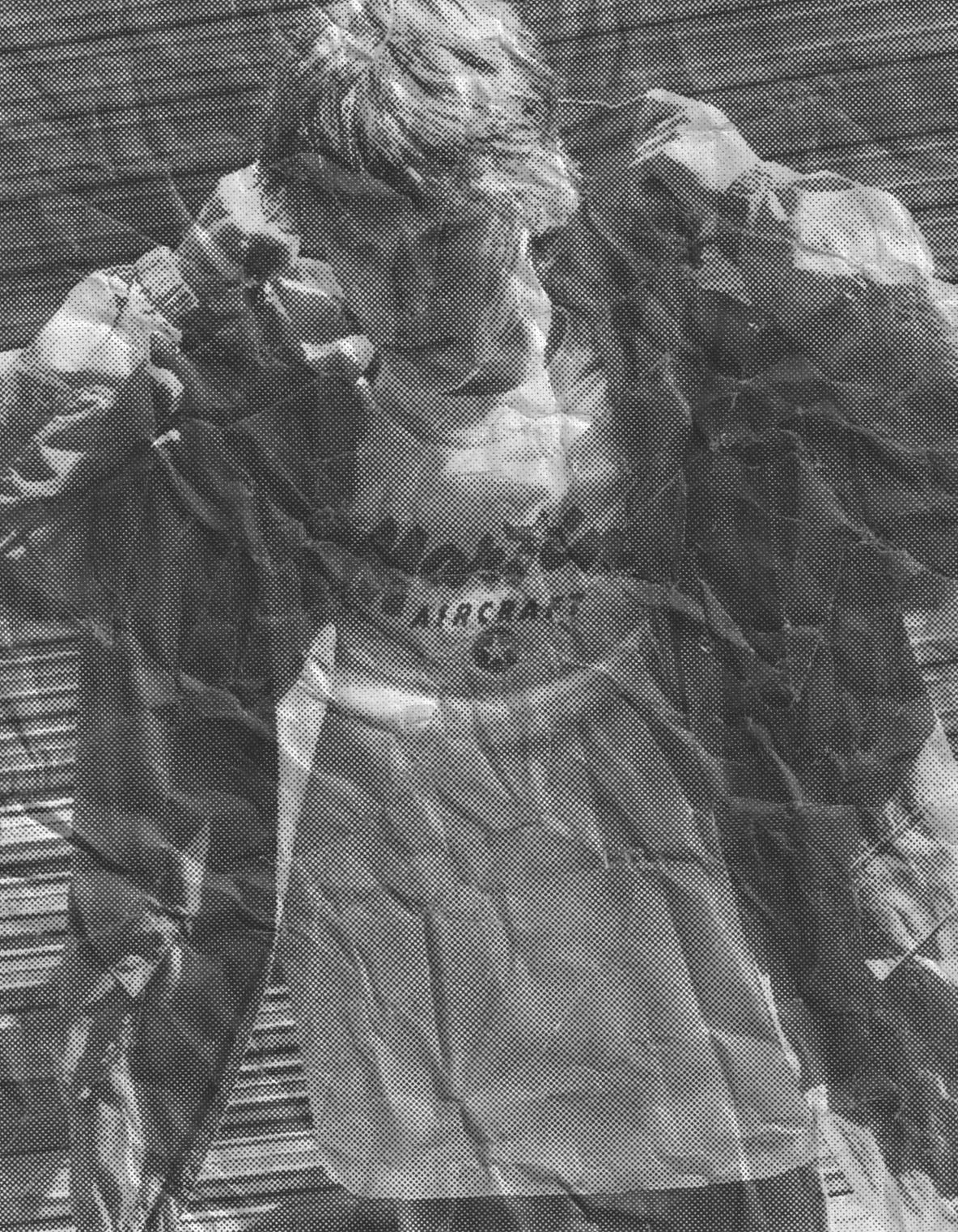
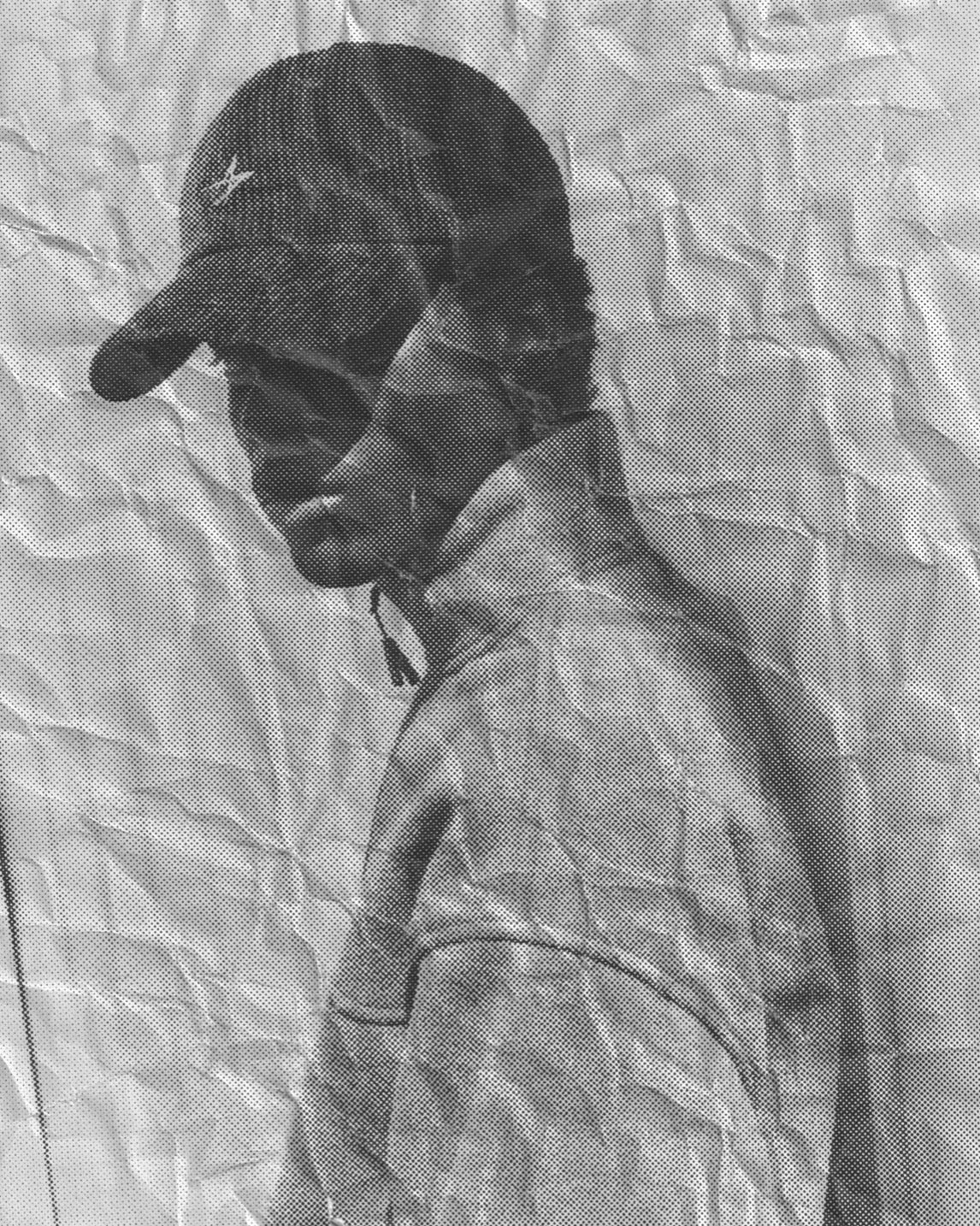
Through a licensing deal with South Korea’s Doojin Yanghang Corp., Lockheed turns fighter jet graphics, corporate slogans, and its star logo into gorpcore staples. Oversized outerwear, tactical pants, and advanced synthetic fabrics sell out at Seoul pop-ups like the Hyundai department store with young Korean consumers chasing the edgy, functional vibe. Andy Koh, a Seoul-based content creator, tells BoF that while arms manufacturing is, in theory, political, he has never encountered widespread discomfort among Korean consumers. “As long as it looks cool and the product functions as expected,” he says, “they seem okay with it.”
This trend aligns with a broader South Korean fashion phenomenon: licensing logos from global non-fashion brands to create popular streetwear lines. Examples include National Geographic puffers, Yale crewnecks, Kodak retro tees, CNN hoodies, Discovery jackets, Jeep outdoor wear, and university apparel from institutions like Harvard and UCLA. These licensed collections, often featuring media, academia, sports leagues, or adventure themes, have become staples on online retailers like Musinsa and in brick-and-mortar stores, propelled by K-pop influence and a tech-savvy youth market that make these odd crossovers multimillion-dollar successes.
Lockheed, however, is categorically different. Its core business is not exploration, education, or journalism. It is industrialized death, and its arrival in fashion forces a reckoning with how far commodification can stretch.
Having spent years in the military, maybe I’m the wrong person to critique this. Or maybe I’m exactly the right one. I know what weapons are for, how they’re used, and the human cost they carry. Lockheed manufactures F-16 and F-35 fighter jets, Hellfire missiles, and precision-guided systems that human rights organizations have repeatedly linked to civilian casualties across multiple conflicts. In Yemen, U.S.-supplied weapons incorporating Lockheed technology contributed to thousands of civilian deaths since 2015, most notoriously the 2018 airstrike on a school bus in Saada that killed dozens of children. In Gaza, since October 2023, Lockheed-supplied F-35s and munitions have formed the backbone of air operations that Amnesty International and other watchdogs have flagged for potential violations of international humanitarian law, cases now under examination by the International Court of Justice.
In 2024, the company reported $71 billion in revenue, almost entirely from military contracts, with more than 1,100 F-35s already delivered worldwide and production lines running hotter than ever. That staggering scale is the reality lurking beneath a logo now casually printed on everyday apparel.
So why does the planet’s largest arms manufacturer license its brand to streetwear? The answer seems to be twofold: easy money and sophisticated image laundering. Licensing delivers low-risk royalties from Korea’s reported $35-40 billion apparel market with virtually no operational headache. Lockheed simply collects checks while a third-party manufacturer handles design, production, distribution, and deals with all the mess of retail.
The far more ambitious goal, however, is reputational refurbishment. Doojin deliberately markets the line around “future-oriented technical aesthetics” and “aerospace innovation,” leaning on cutting-edge fabrics to conjure high-tech futurism instead of battlefield carnage. By late 2025, as U.S. favorability in South Korea continued to slide amid trade tensions and regional geopolitical shifts, the brand quietly de-emphasized its American roots, according to Lockheed representatives. The strategy clearly tries to sever the logo from political controversy and plant it firmly in youth culture, where aesthetic appeal routinely outmuscles ethical concern.
Lockheed has honed this kind of rebranding for decades. Their corporate brochures overflow with talk of “driving innovation” and “advancing scientific discovery,” spotlighting STEM scholarships, veteran hiring initiatives, and rapid-response disaster aid. The clothing itself carries the same sanitized messaging. One prominent slogan reads “Ensuring those we serve always stay ahead of ready”, euphemistic corporate-speak that sounds heroic until you remember that “those we serve” includes forces deploying Hellfire missiles against civilian targets. Other pieces feature F-35 graphics paired with copy declaring the jet “strengthens national security, enhances global partnerships, and powers economic growth”. It’s textbook PR varnish. Instruments designed for lethal efficiency, now rebranded as symbols of progress and prosperity.
We’ve also seen this trick before: Fast fashion brands that slap “sustainable” labels on sweatshop products. Tech giants that fund glamorous art installations while they harvest user data. Oil companies that rebrand themselves as forward-thinking “energy” players as the Earth’s climate burns. Lockheed, though, traffics in something uniquely irreversible: export-grade death. By licensing its identity to apparel, multibillion-dollar arms contracts are reduced to mere intellectual property; civilian casualties dissolved into, simply, background static.
In other words, vibes overpower victims. And when those vibes are stamped with the logo of the planet’s preeminent death merchant, resistance feels futile.
Gorpcore has always drawn from military surplus for its rugged utility: endless cargo pockets, indestructible nylons, tactical silhouettes born in combat and repurposed for city streets. Brands like Arc’teryx, The North Face, and Supreme mine that heritage for authenticity and performance. After World War II, army fatigues became symbols of genuine rebellion, worn by anti-war protesters as an act of defiance against the establishment. Today, the dynamic threatens to invert entirely. The establishment itself, the world’s preeminent arms dealer, now supplies the “authentic” merchandise, turning subversion into subtle endorsement.
Streetwear grew out of skate culture, hip-hop, and grassroots rebellion against mainstream norms. Importing the aesthetics of atrocity risks converting that legacy into compliance, rendering militarism the newest version of mainstream cool. For a generation immersed in filtered feeds and rapid trend cycles, Lockheed’s logo can sit comfortably beside NASA patches or National Geographic emblems, conveniently severed from the charred wreckage in Saada or the devastation in Gaza. Research on “ethical fading” demonstrates how strong visual design can mute moral alarms, a phenomenon intensified in Korea’s hyper-trendy ecosystem, where mandatory military service may further desensitize young consumers to defense branding while K-pop’s global engine drives relentless consumption.
If the line proves durable, escalation feels inevitable. Palantir, another cornerstone of the defense-tech world, has already gone there, hyping limited merch drops that sell out in hours: $99 athletic shorts stamped “PLTR—TECH,” $119 nylon totes, hoodies emblazoned with CEO Alex Karp’s likeness or slogans about “dominating” threats. What’s to stop Northrop Grumman from launching its own techwear line? Or BAE Systems from dropping high-end collaborations?
Lockheed already licenses merchandise worldwide through various agencies; broader international rollouts beyond Korea seem only a matter of time. Backlash is possible, boycotts from ethically minded buyers, perhaps even regulatory scrutiny as anti-militarism sentiment swells. Gorpcore’s longstanding flirtation with military aesthetics could calcify into outright fetish, obliterating whatever daylight remained between practical function and state-sanctioned propaganda.
Yet, history suggests that in oversaturated markets, “cool” almost always trumps conscience. Lockheed’s streetwear pivot is a stark illustration of how fashion and culture launder raw power, enabling the machinery of war to conceal itself among hype, hoodies, and sold-out drops.