
From Anora to Showgirls, the stories, lives, and imaging of the working girl have inundated the subject of films—typically highlighting scrappy, yet lovable femme protagonists that come from little and claw their way through the underbelly of society. But who has authored these stories? Rolling through the credit lines, it’s clear to see that real-life showgirls are rarely named—if at all—as contributors to said films.
So, who has been given the authority to create the worlds and stories of sex workers on-screen, and what has this validated access done to our perception of femme labor, economies, power, and existence?
Visual artist, Regents Professor of Art, and Chair of Video and Imaging at the University of Arizona, Sama Alshaibi, was recently quoted in an interview with the Planted Journal, observing “Images do not just show us something. Over time, they establish what we expect to see, and some ways of seeing become so familiar that they begin to feel natural or truthful.”
Whether its surveillance media, censorship, or systemic inaccessibility, truths of the marginalized have been diluted and flattened to the perspective of a voyeur. With the director’s chair being typically reserved for men, this positioning continues to perpetuate the—rather dull—relationship that strippers’ stories and bodies are most valuable when mediated; falsely rendering them as agentless within their own narrative.
Since when was the power given to the broke creep behind the tip bar? It’s time to command the story back to the women on stage.
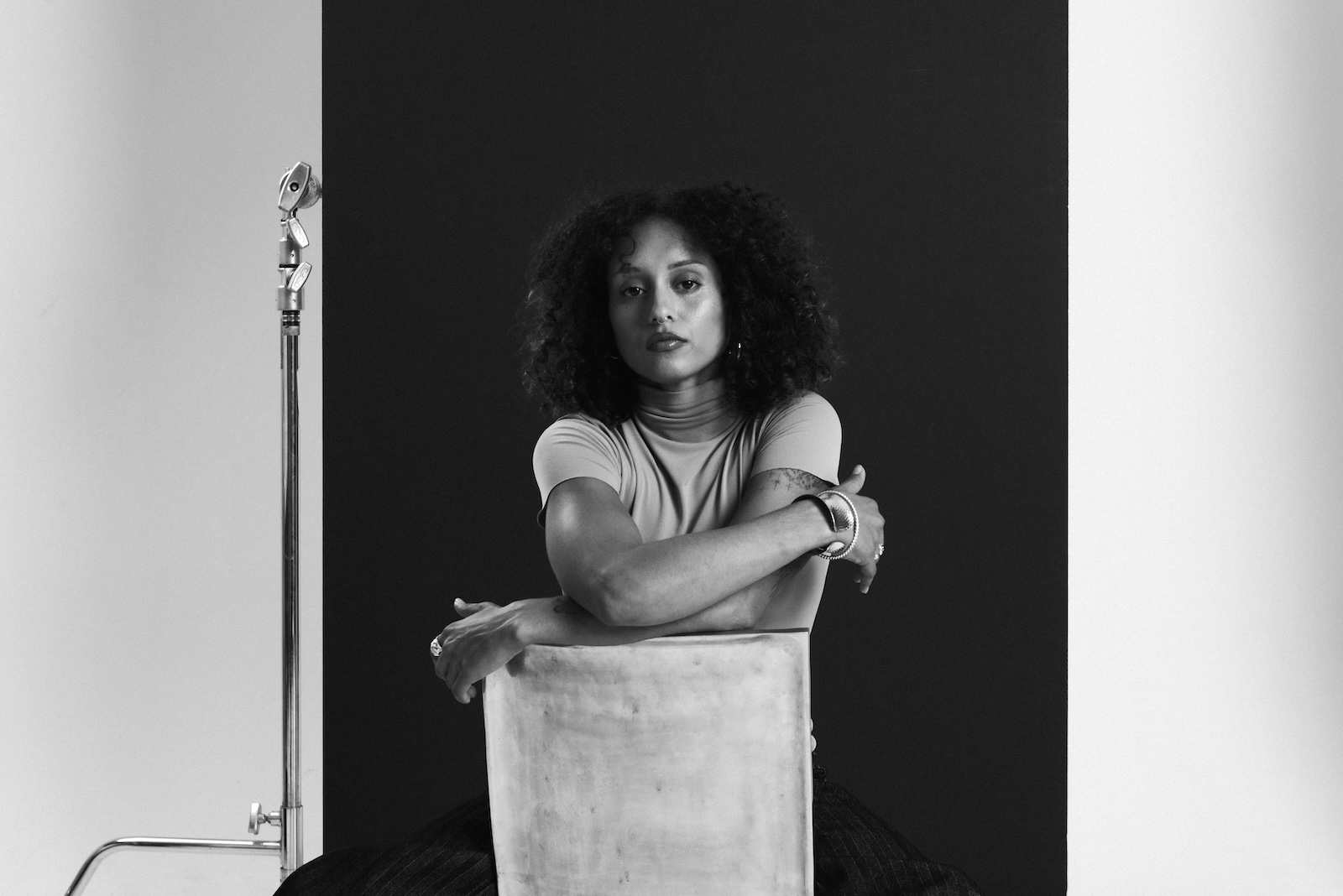
Kennady Schneider/ shot by Yazeed Dinaully
My name is Kennady Schneider, and I’m a stripper who made a film about strippers. I spent the last five years stumbling through castings and roles in TV, music, and film, swallowed up by Los Angeles’s volatile gig economy that is equally exciting as it is disorienting. While I wasn’t booked, I stripped—filling the monetary gaps left open by an industry whose unpredictability creates an enormous tension between comfort and survival. I would bounce back and forth between music tours and the strip club, film sets and the VIP room; trading in an “all access” pass for acrylic platforms and a money bag. What I came to realize is that the strip club is not all that different from a production environment—in fact they are direct reflections of each other. While a film set may have an intimacy coordinator and a director with a god complex—the strip club has a house mom and a sleazy manager.
Out of the 12 projects I have been on as talent (cast as a stripper), 10 have had male directors.
Every time I walked on set and saw a dude sitting in the director’s chair while I performed for the lens, the more I realized that I actually had more agency in the strip club than in front of the camera. Whoever is calling the shots is authoring the image, and a male author cannot render the truth of my being and existence; yet has continuously been given permission and validation to do so. In the strip club, the dancer is both performer and director; authoring her existence while the client sits on his hands—still on the outside but without the ability to capture and produce.
This continuous cycle of voyeuristic relationships and power dynamics led me to write and direct my own independent stripper film, Rich-Rich, set to premiere on November 15, 2026 at Now Instant Image Hall in Los Angeles. The act of writing and directing a narrative from a first-person perspective is direct resistance to the history of photography and video. In relation to visual arts, Black and marginalized bodies have been historically and systemically imaged to destroy and dissect. By stepping into the role of a director, my work is in conversation with a lineage of makers and thinkers who have actively reclaimed their stories through art–explicitly through the lens.
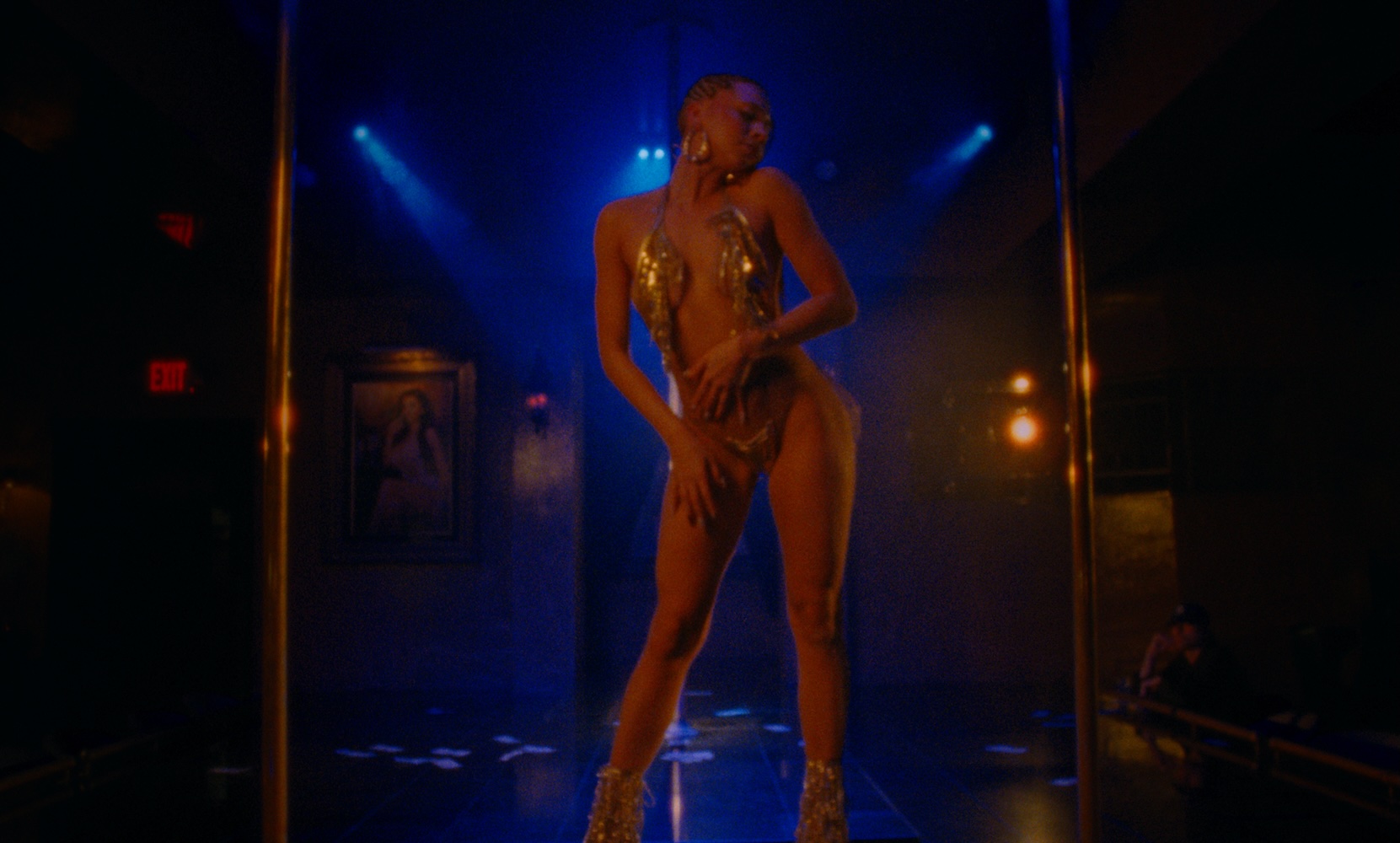
Official Still, Rich-Rich/ Mojave played by Jesseca Scott/DP: Natasha Abdul
In Carrie Mae Weems acclaimed photographic series “From Here I Saw What Happened and I Cried” she appropriated photographs of Black people in the American South that were commissioned in 1850 by Swiss Naturalist Louis Agassiz. According to MoMA’s collection of works, the images were intended to serve as photographic evidence to support theories of racial inferiority. In Weem’s work, she reclaims these images with text, aiming to create a narrative of humanity among the subjects who were rendered hollow in their original intentions.
When confronted with a zeitgeist of films about sex workers told through the perspective of men, the accepted “truths” about these communities become what we can see. If believing is seeing, then the “truth” surrounding strippers’ humanity is presented from the point of view of an outsider. She is Othered. The first step in shifting the narrative from this horrifying periphery is to take up space behind the camera and command “Action!”
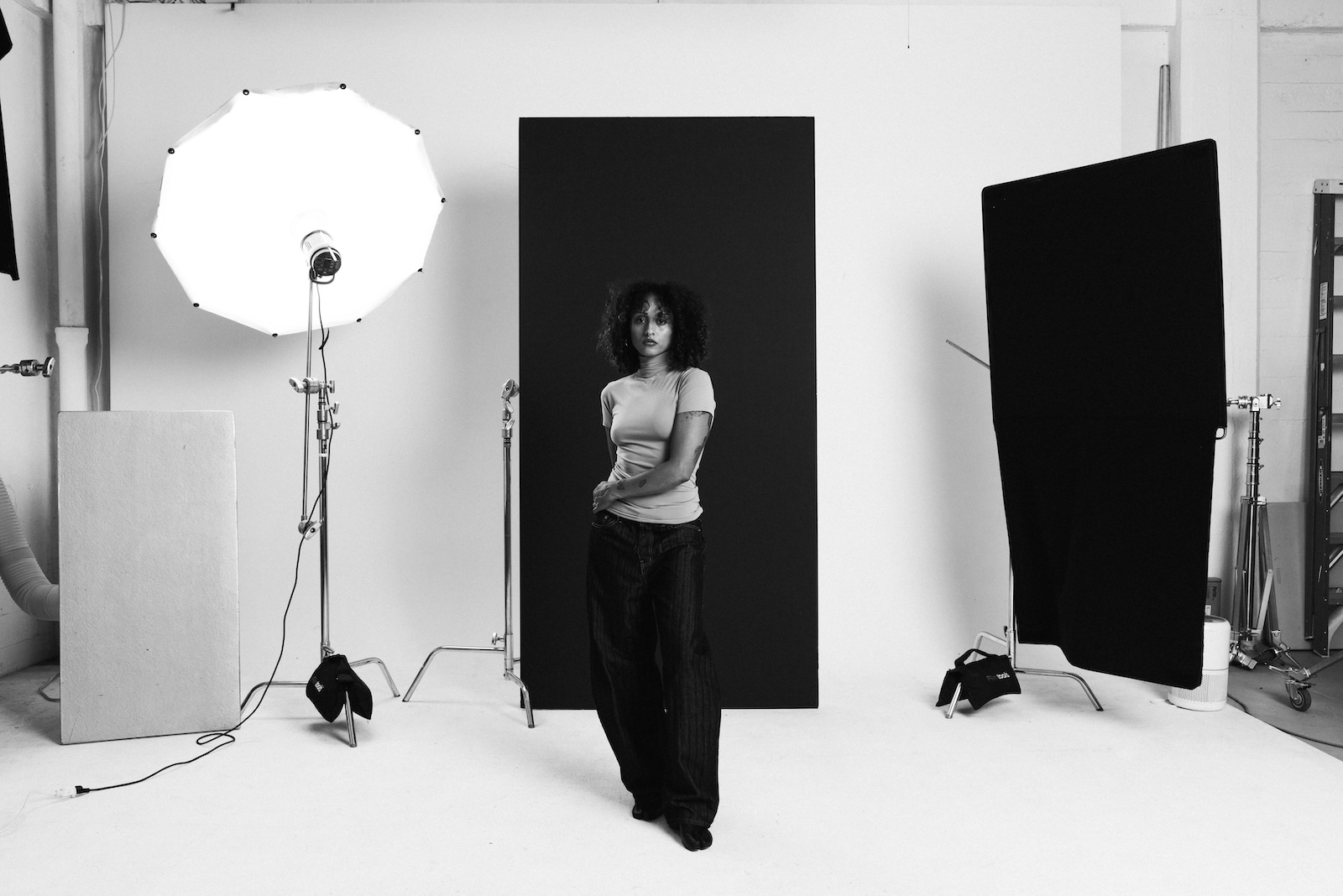
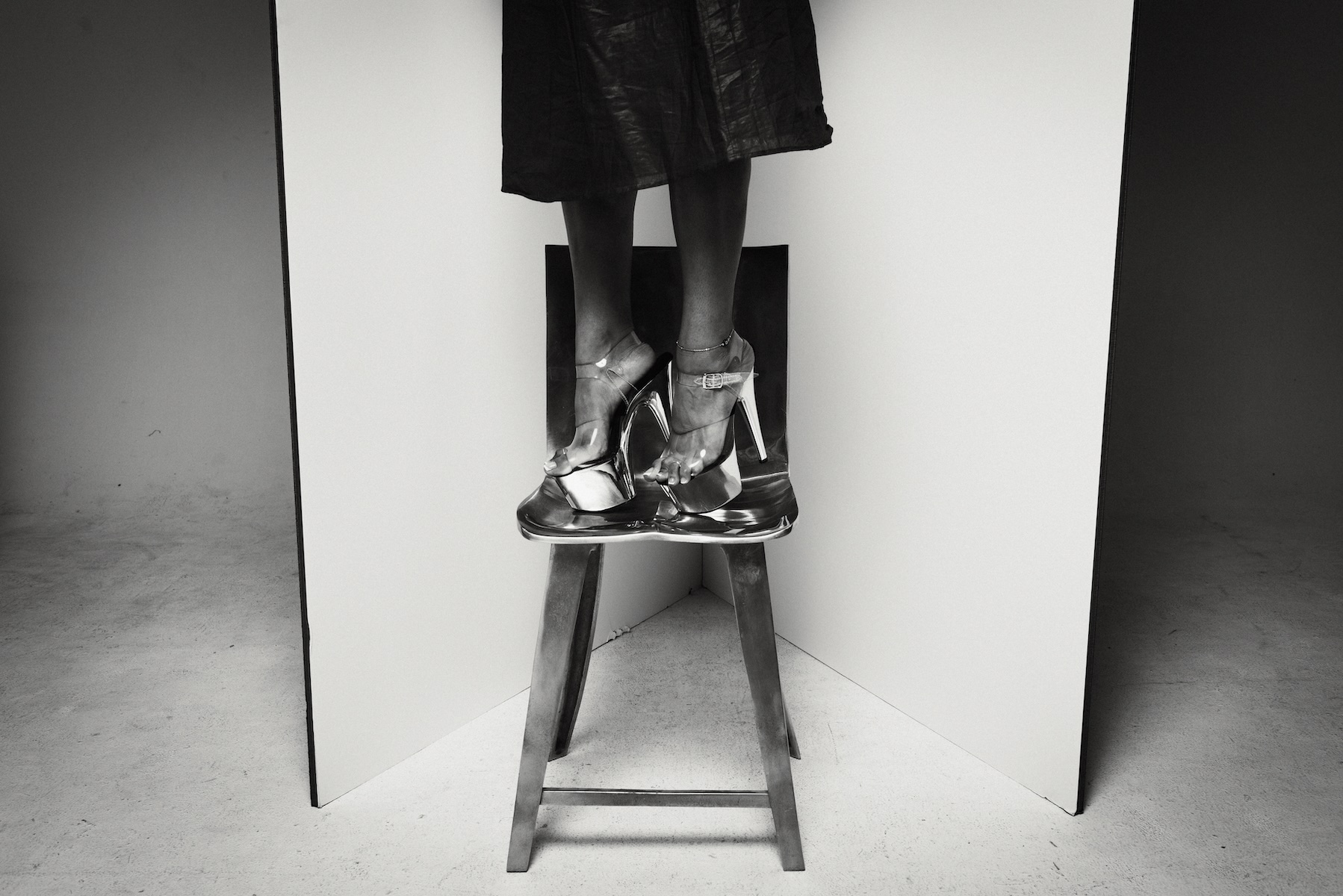 Kennady in her Stripper Heels/ Shot by Yazeed Dinaully
Leading actor and star of Rich-Rich, Sigourney Norman, is a lawyer, artist, stripper, and culture shifter who has worked as an anchor and journalist for Stripper News: a platform that covers breaking stories and stays infinitely sexy in its delivery and proclamation as the “#1 Hottest News in the World.”
“We’re in a world where there’s no such thing as fact. If we’re in this ecosystem of determining truth, this landscape of storytelling is the most lifesaving thing you can do” Norman states.
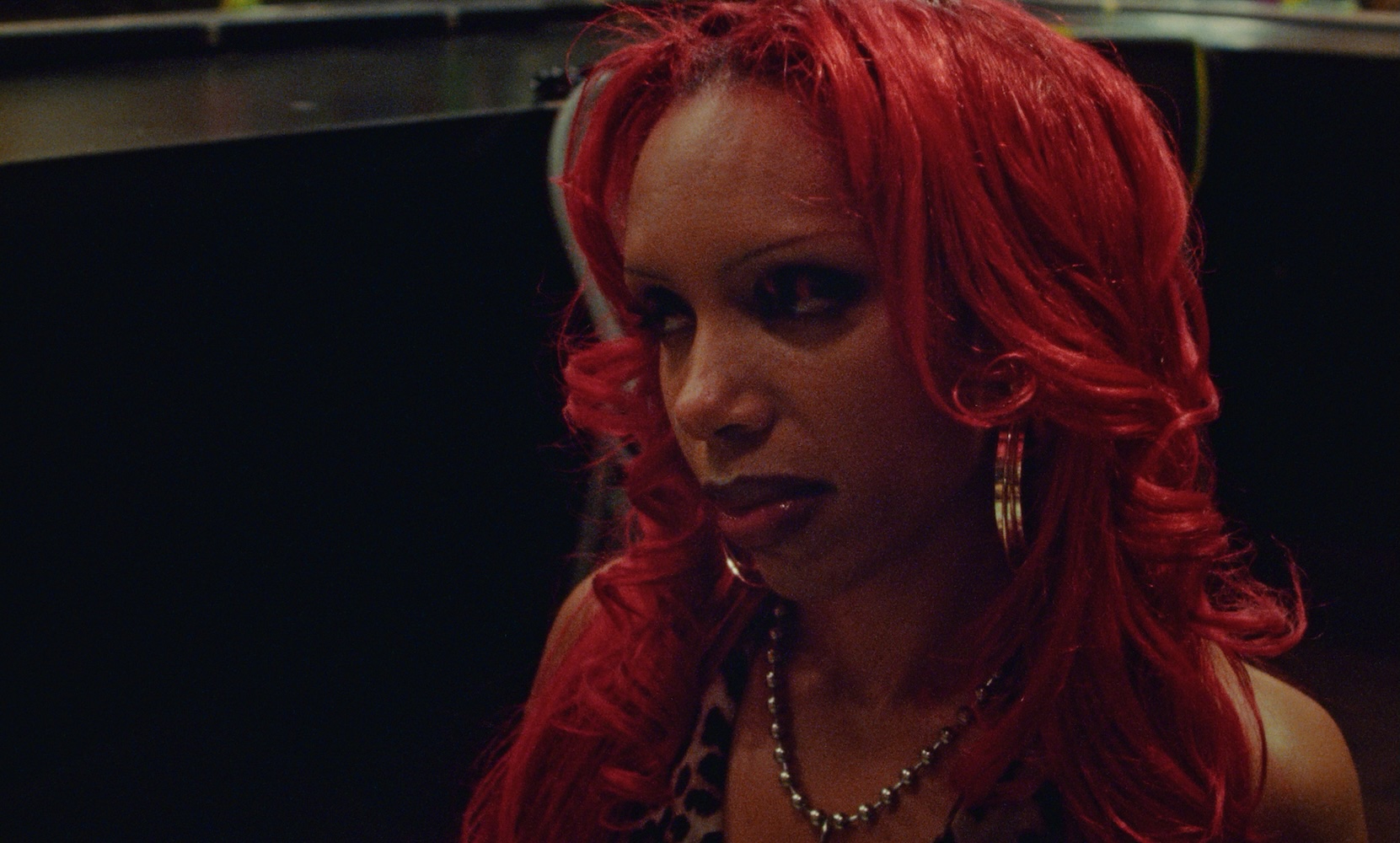
Rich-Rich/ Sigourney Norman stars as Dutchess
She also finds direct comparisons between her work in journalism and the world of film, observing how namely white men living very protected and privileged lives often become the vessel for storytelling. When discussing the phenomena of male reporters and directors exploiting stories of marginalized communities and experiences, Norman implores that to white guys, the Other becomes a source of self-fulfillment and excitement—not all that different from relationships between clients and dancers.
She discusses, “In America, we have a very strong culture of colonization. I think that this world of sex work is something that civilians really desire to colonize. People want to cover highly marginalized communities because it makes them feel like they are closer to danger and reporting on something really cool. It’s all about possession.”
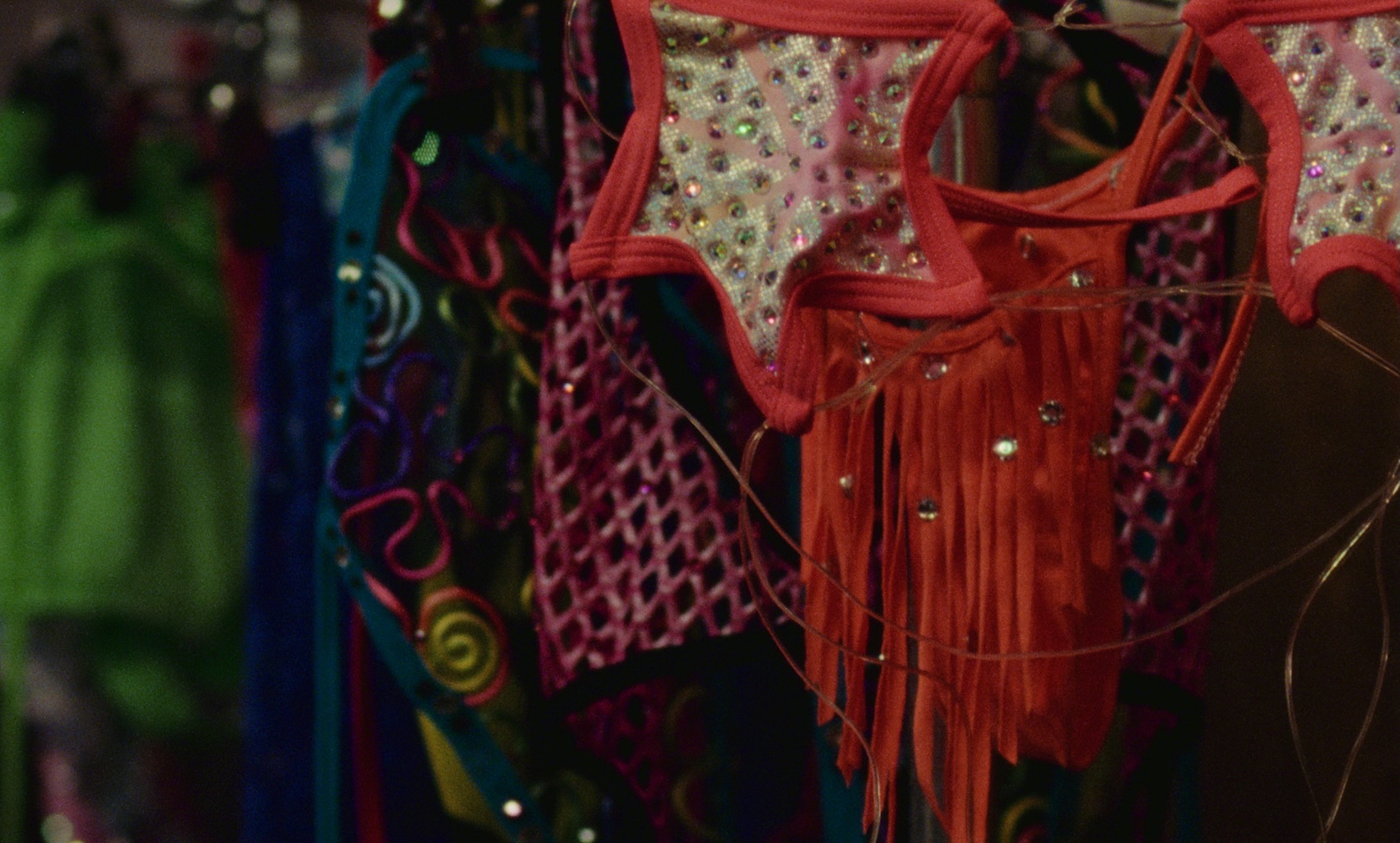
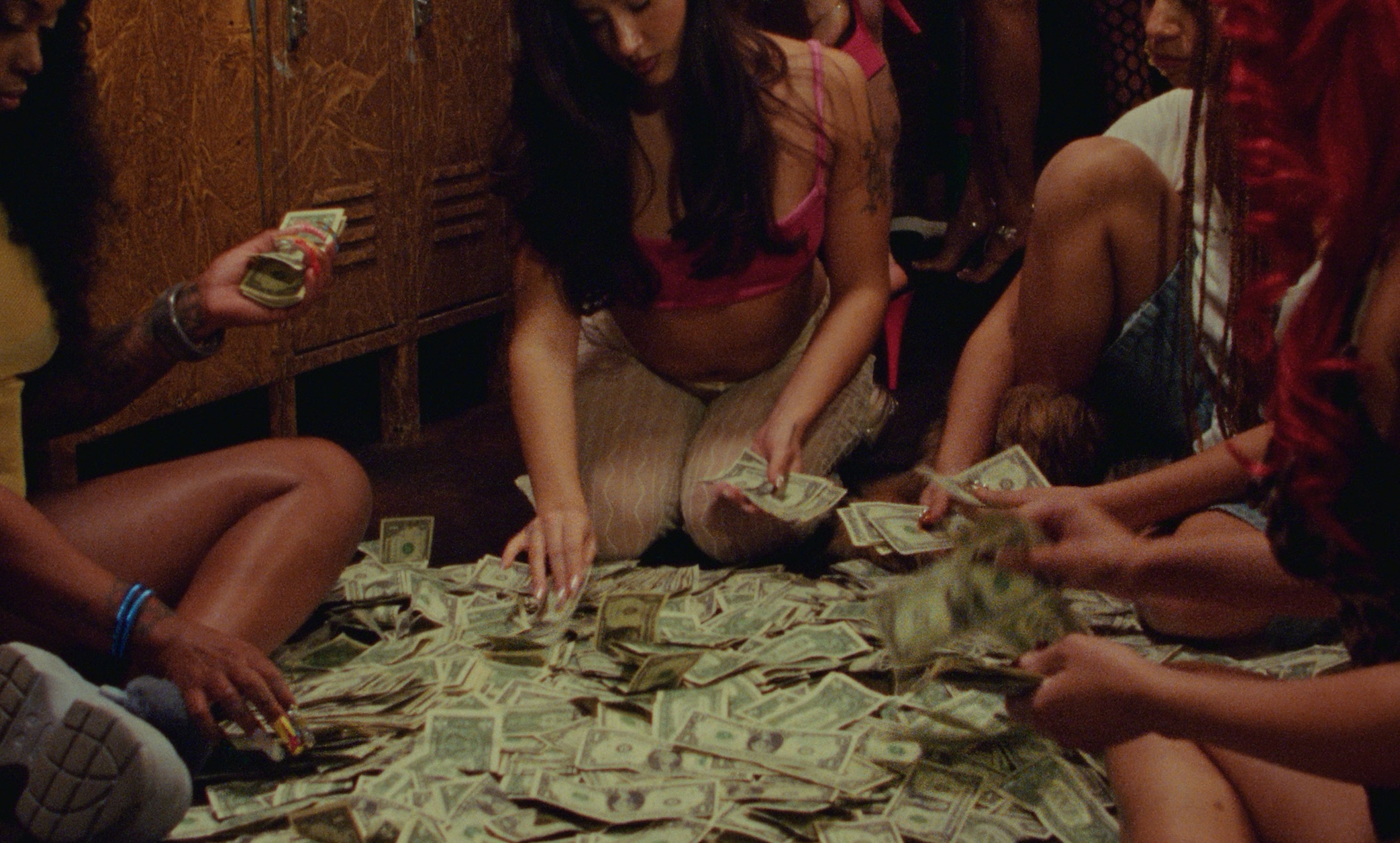 Official Still, Rich-Rich/ DP: Natasha Abdul
She also mentions that desirability politics come into play specifically when it comes to writers’ and filmmakers’ interest in the sex working community, ruminating on her relationship with white clients in the club. “For white guys, their dick gets hard for someone who doesn’t look like them, and they’re like ‘I’ve gotta study this’. This then becomes their pet interest because they can’t believe they are attracted to someone who doesn’t look like them.”
In film, male directors’ obsession with the stripper world is a reflection of their desire and fascination with bodies, ecosystems, and architectures they cannot effectively police.
Similarly, multidisciplinary artist Blake Jacobsen explores the intersection of queer identity and conservative upbringing while reconciling ideological differences within family, community and self. In his work, he describes the act of “queering the lens” through performance, subjectivity, and imagined narrative.
Blake states, “I’ve always been interested in the tension between photography & documentary authority and its capacity for fiction. A landscape photograph can appear quite neutral or objective, but the person behind the camera brings their own desires, experiences, and associations to the image. In that sense, queering the landscape isn’t necessarily about changing its physical appearance, but rather challenging the assumption that the landscape is heterosexual in the first place, or that queer experience is somehow absent or contrary from rural life.”
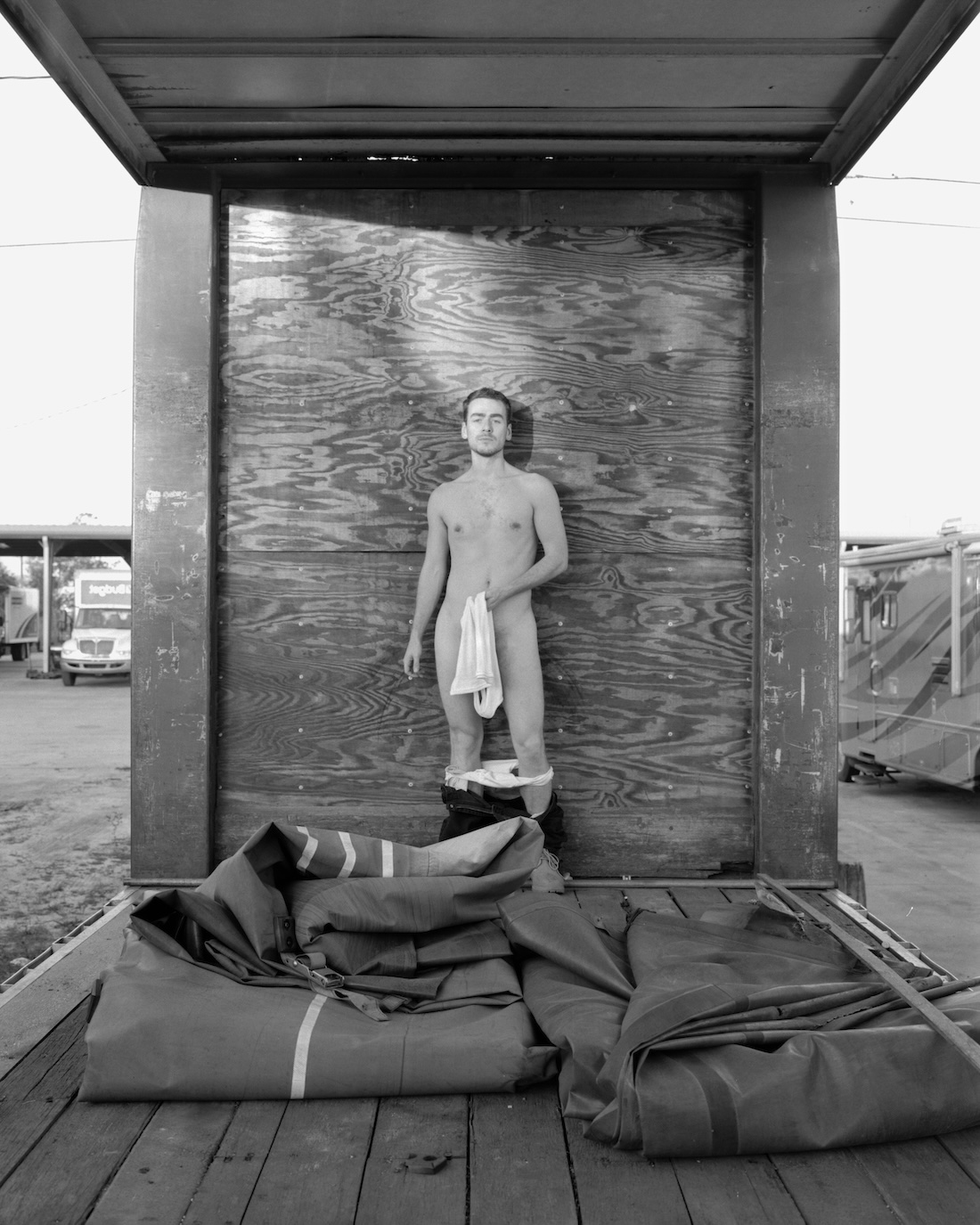
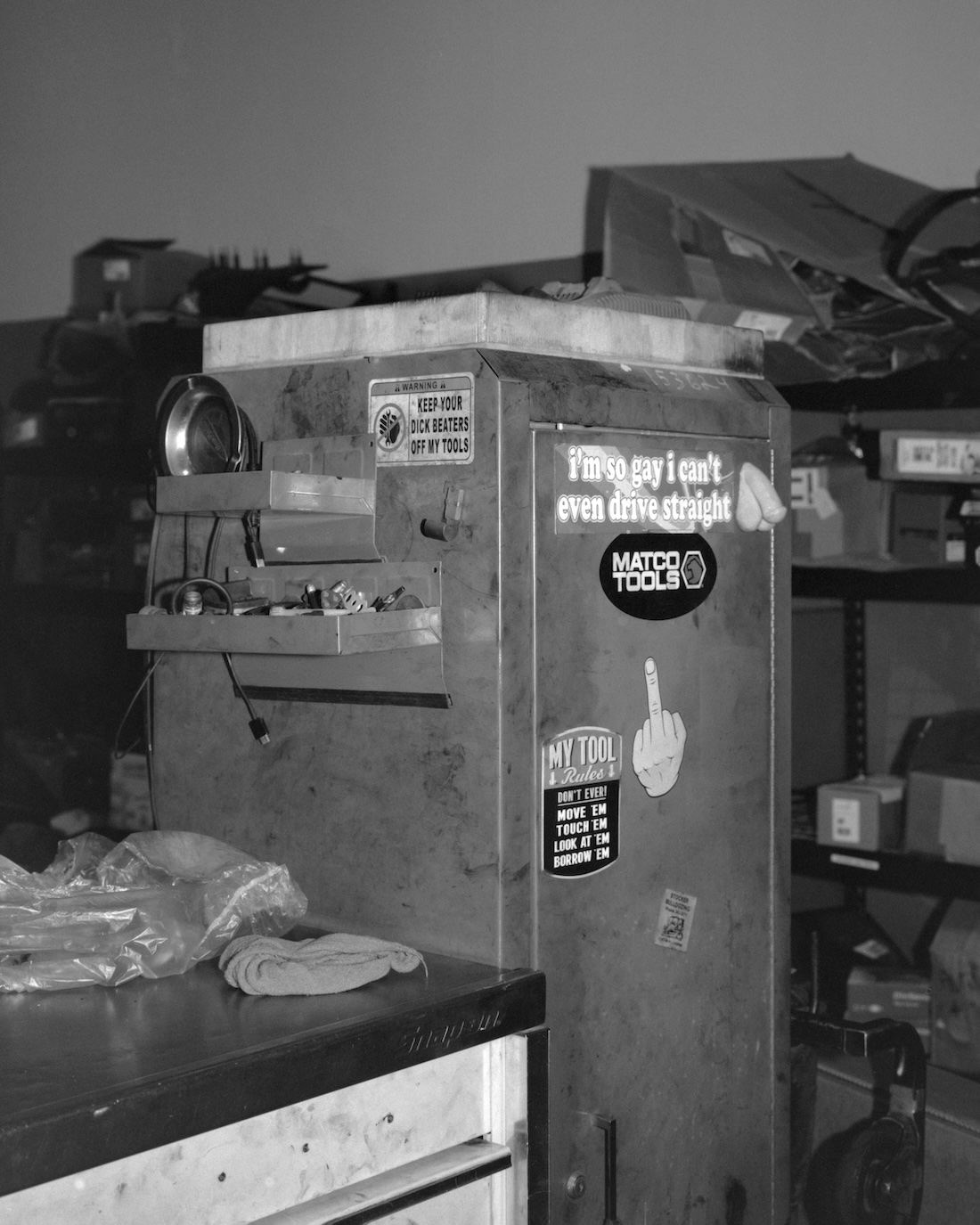
Blake Jacobsen/ Cock Magnet, 2022 (diptych) From the series Through Service We Grow/ Silver gelatin print
The landscape has traditionally been rendered through a masculine gaze—being historically photographed through manifest destiny and a colonial claim to the land. Jacobsen’s reimagining of these landscapes through the physical act of placing his body within the frame pivots the trajectory of these stories—much like the act of a stripper stepping behind the camera pivots our understanding of sex workers’ humanity.
The question of audience is always essential in the process of art, performance, and filmmaking— and in the case of the whore, it’s generally assumed that her audience is the trick. This is far from the truth. Femme laborer’s actions, performances, and choices are informed by community, care, necessity, and freedom. Sex working economies are made by women for women: a concept that contradicts the systems we currently exist in. Celina Reboyas, founder of Doxy Magazine, describes her publication as “the magazine for the working girl” in her interview with DAZED—actualizing spaces with sex workers at their centers.
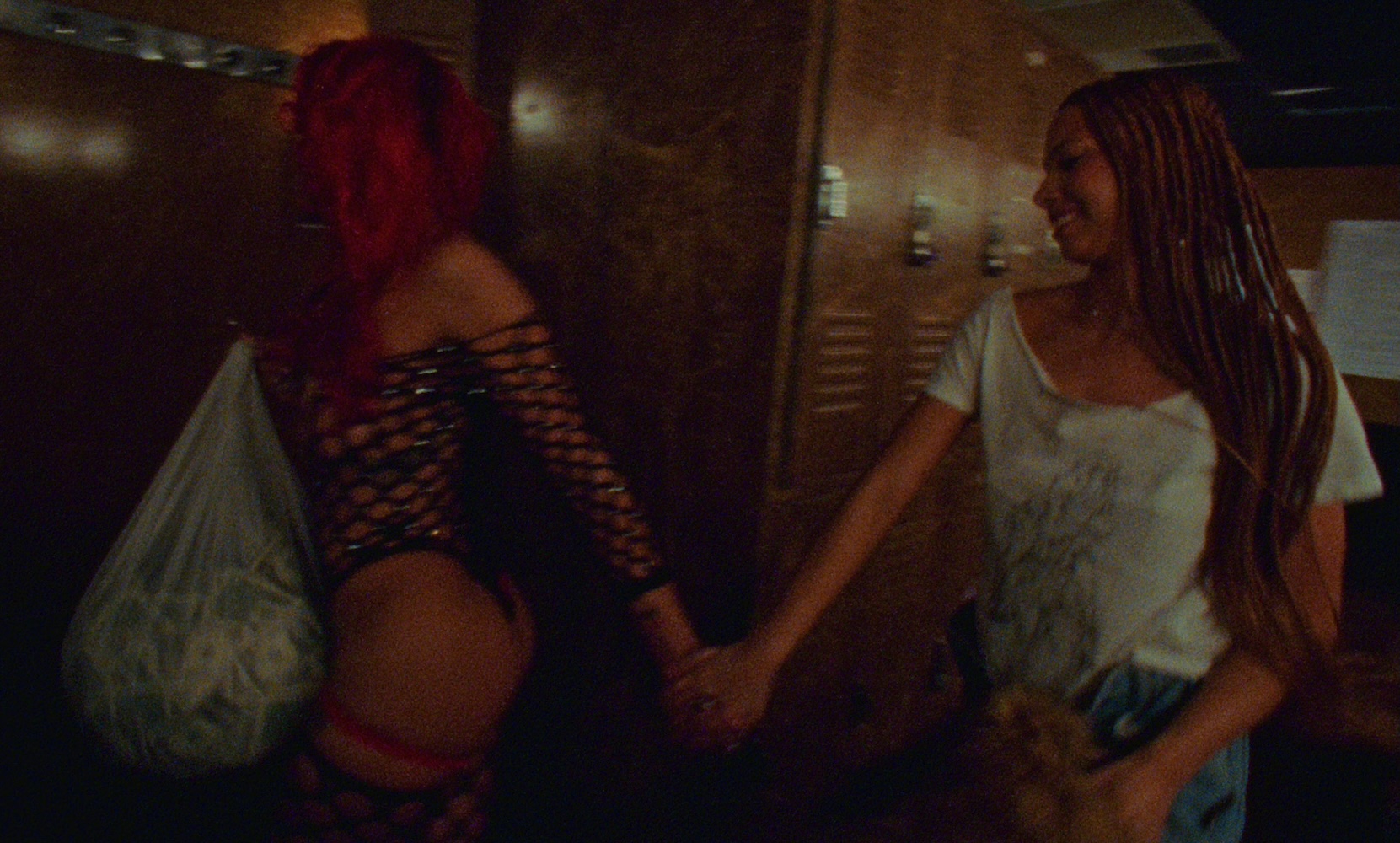
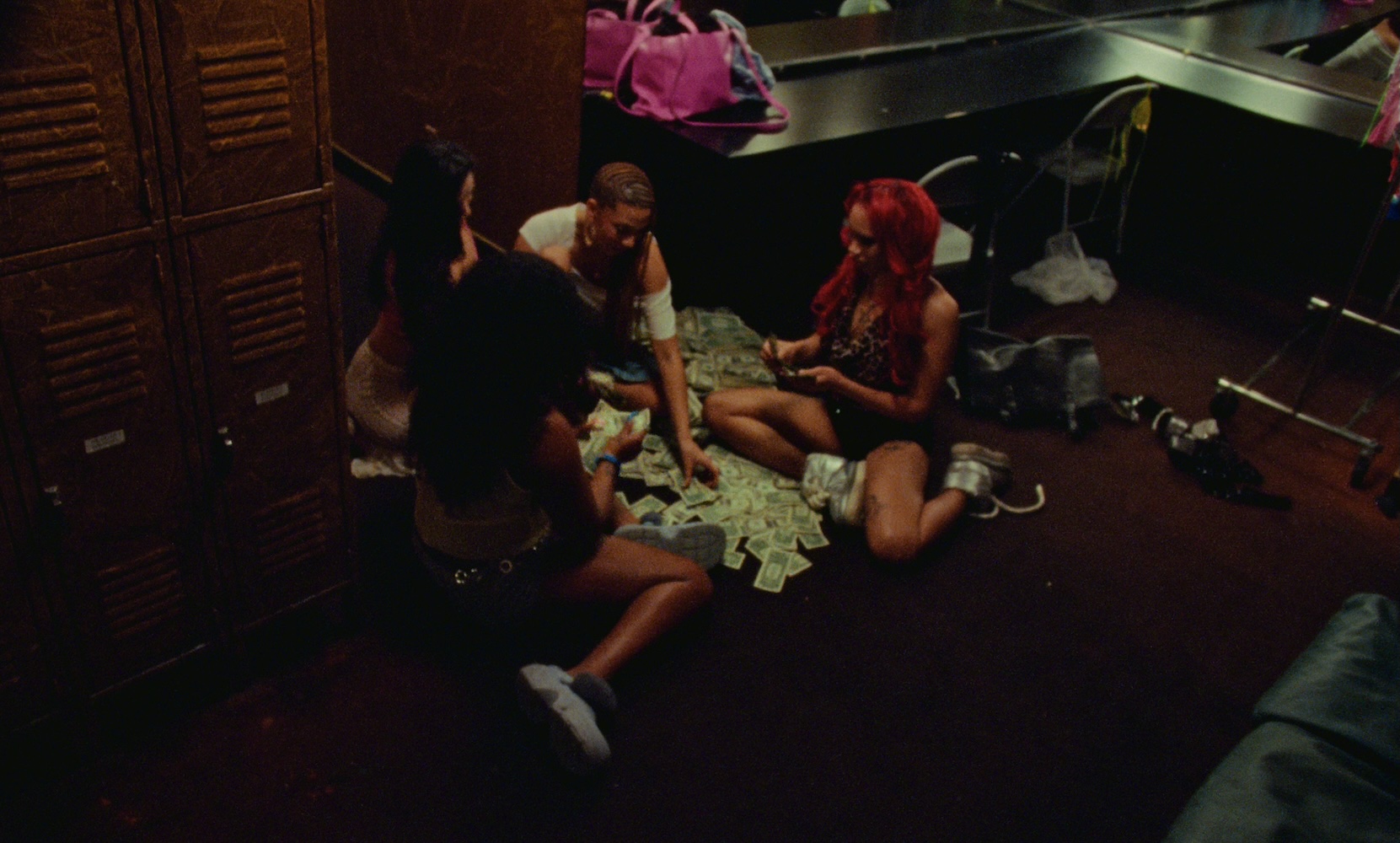 Rich Rich/ DP Natasha Abdul
The magazine includes pieces and photographs that portray sex workers in ways that demystify and humanize our world. She also states to DAZED that she actively chooses to not include nudes in her publication. By creating an entire publication with images of sex workers where they are not—in fact–sex working, Reboyas is painting a much more complex and provocative picture. She is forcing a potentially non-sex working audience to confront their expectations surrounding femme bodies and what spaces they have been allowed to fill.
Reclaiming, reimagining, and rewriting are all initiatives that marginalized storytellers take on to close the gap between their realities and biased perceptions. Sigourney Norman reflects, “People who are in these communities are telling stories so that we can get rights. We’re telling stories so that we can no longer be seen as ⅗ of a human. My desire to tell stories is out of a real survival urge. It’s tied to achieving full enfranchisement.”
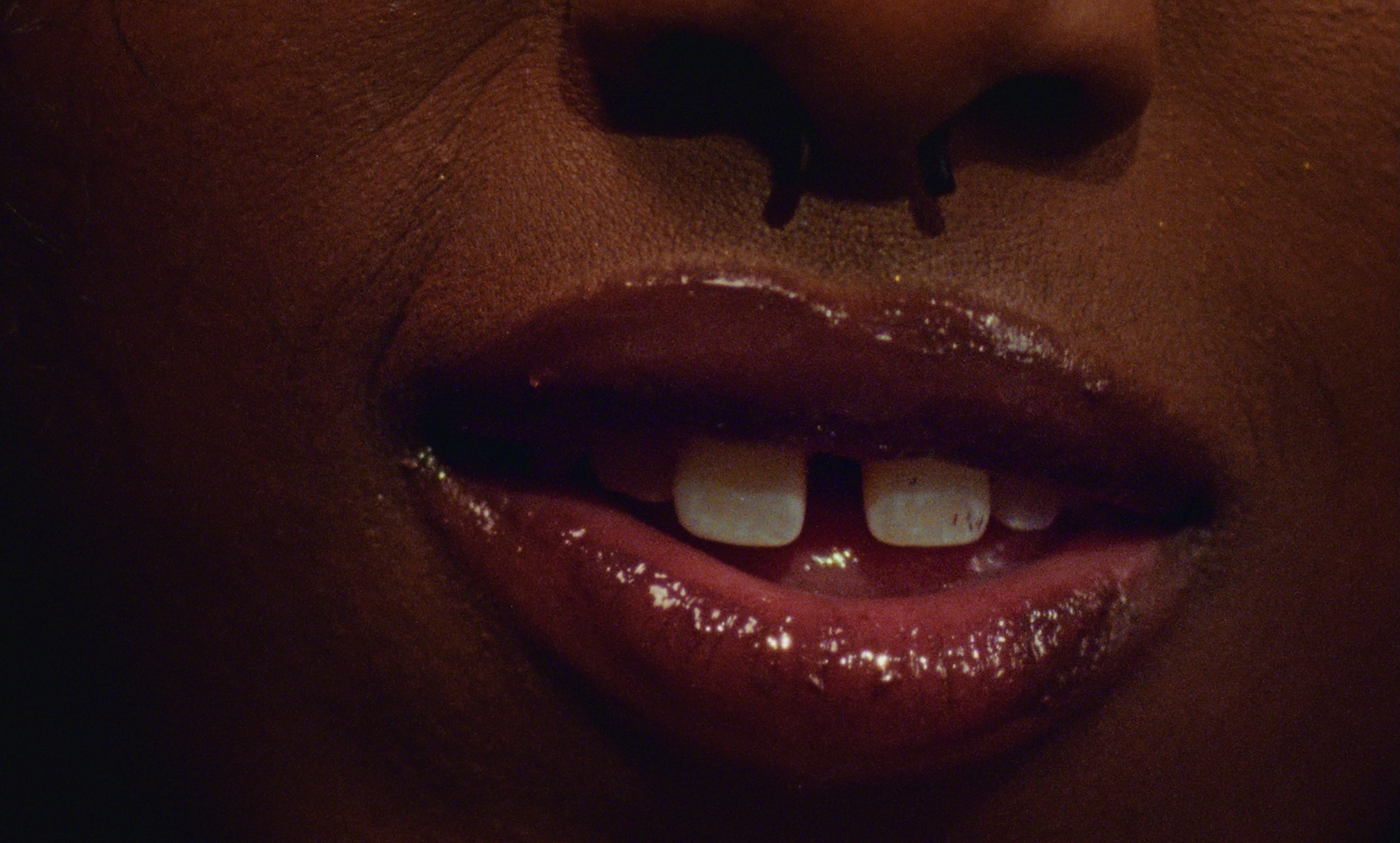
Rich-Rich/ Bama played by Demetry Blair
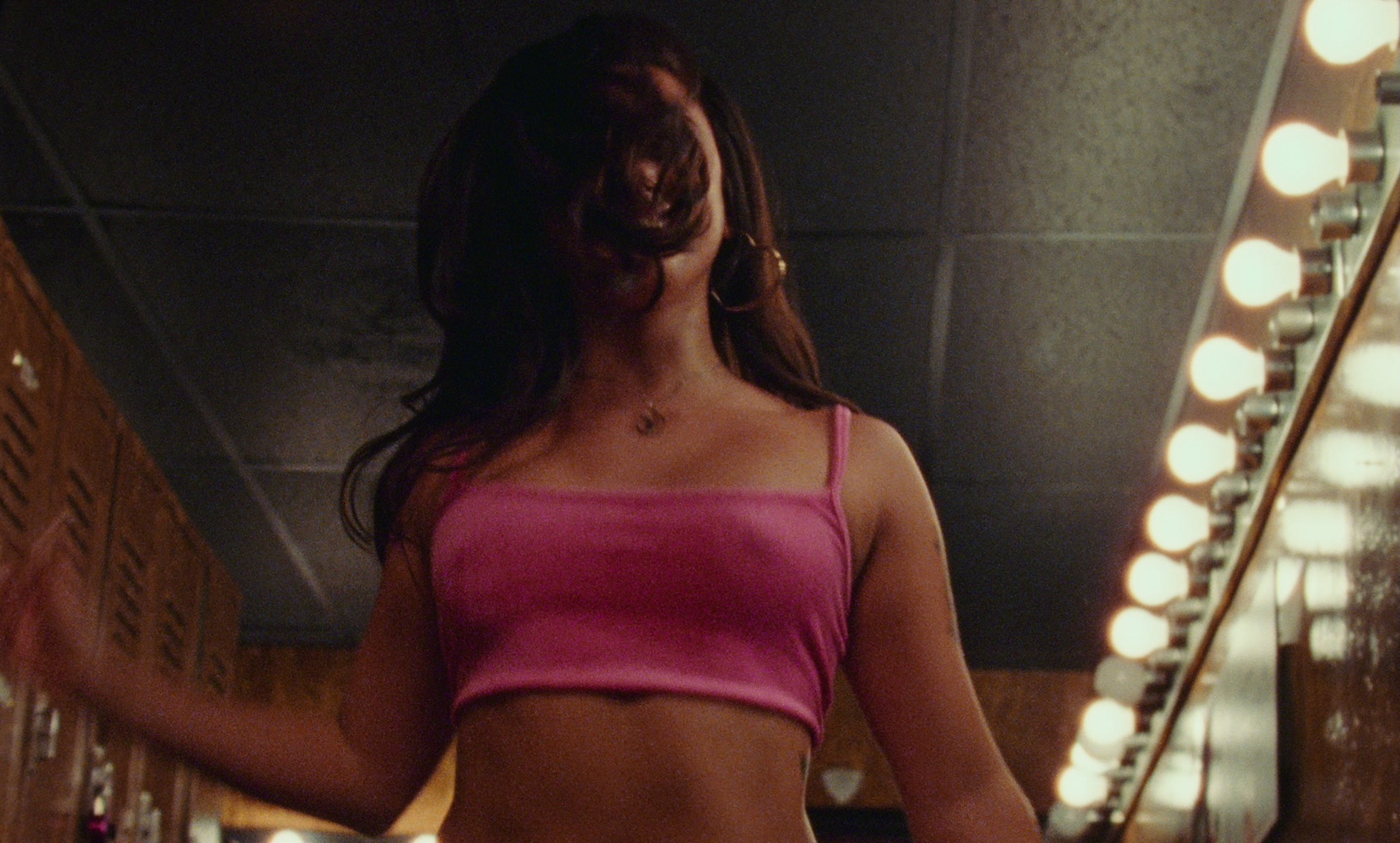
Nomi played by Jade Grove
As a director who is wildly transparent about being a stripper, I similarly dreamt the world of Rich-Rich into existence. Funded by 750 lap dances, the film was conceptualized through a haze of vape smoke and punctured leather booths; yet it does not, once, show the act of stripping. Written from thousands of conversations with girls paying their way through school, single moms, and certified hustlers, Rich-Rich explores the relationships between dancers that are as intense as they are short-lived. Shot in a strip club locker room that holds tears and laughs and whispers and liminal hope, my goal with this very small, very precious film is to do the working girl justice; holding her with the care, softness, and complexity she deserves.
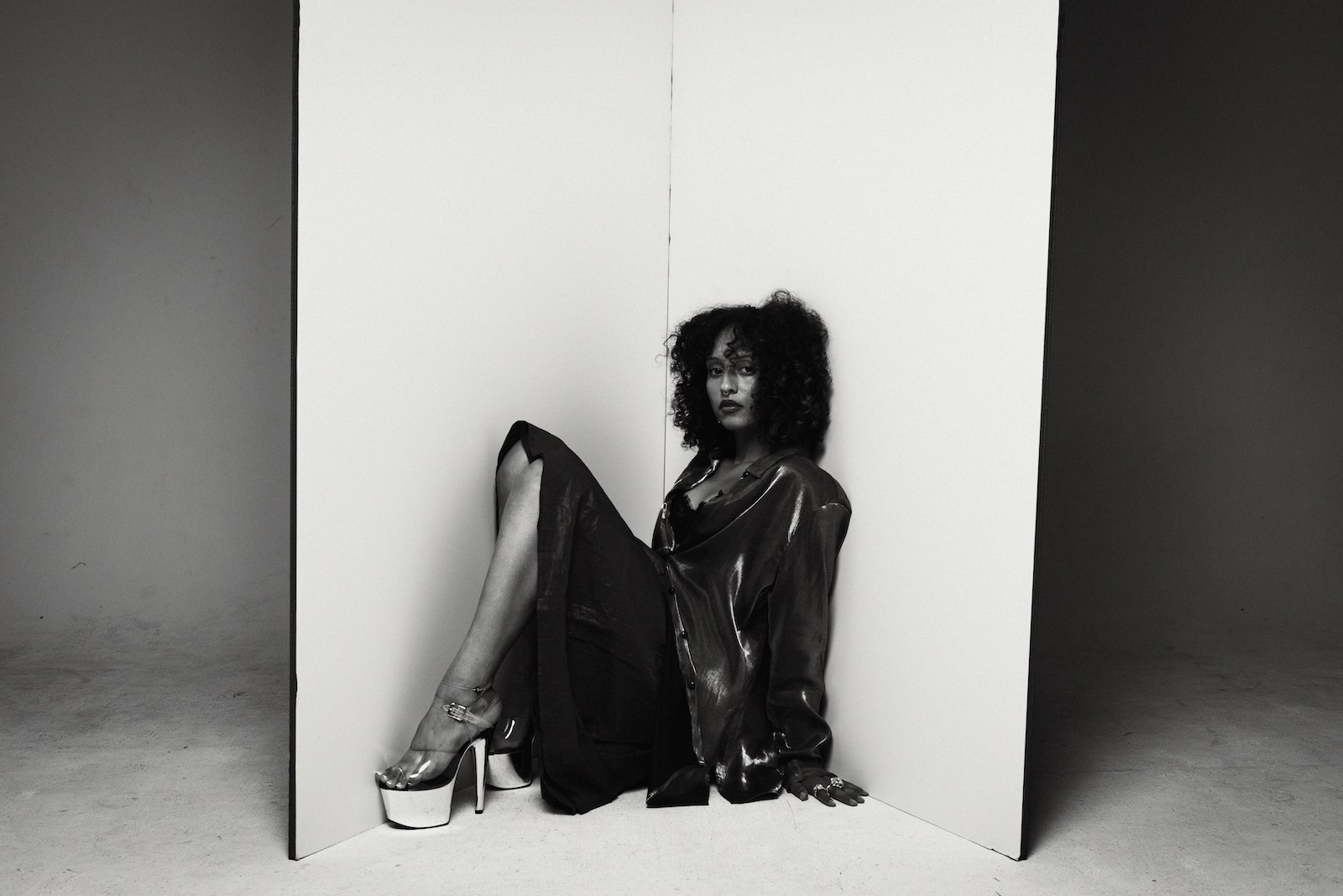
Kennady Schneider by Yazeed Dinaully